Updated
Small mammal food safety
Can Small Mammals Eat Jam?
Avoid
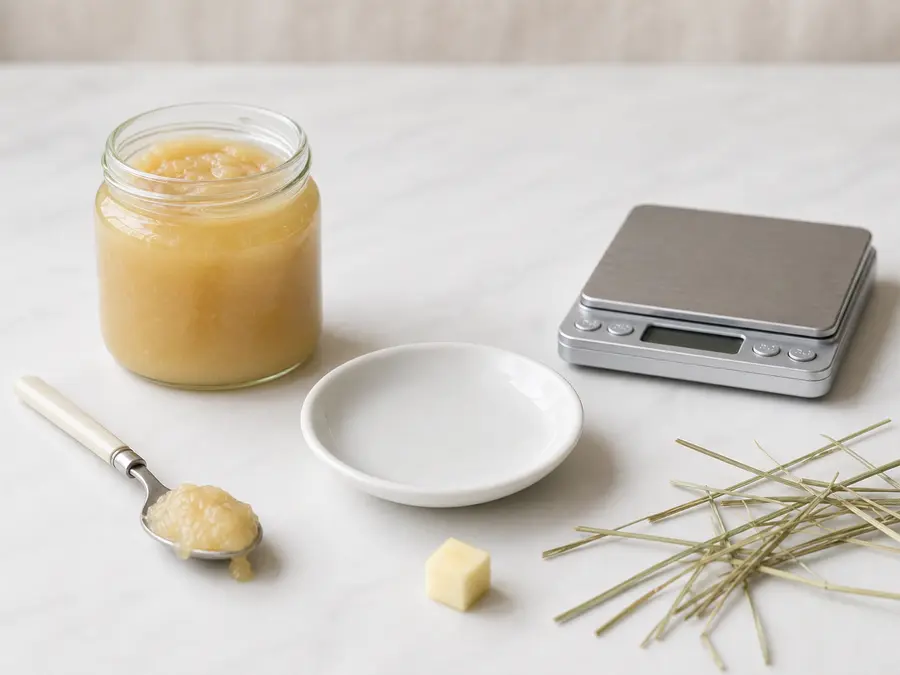
No. Jam is sticky fruit spread, not small-mammal food. Sugar, syrup, pectin, sticky residue, grape ingredients, and sugar-free sweeteners add risk without helping the diet.
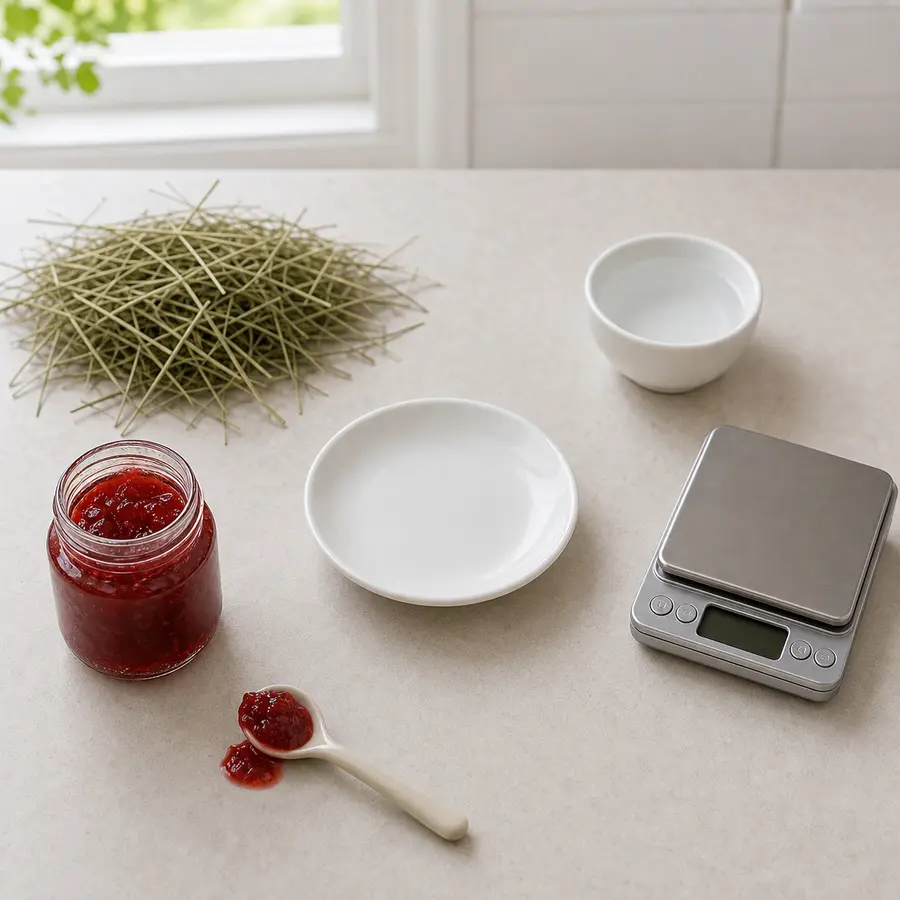 Jam
JamGuinea pigs
Skip jam
Do not feed jam to guinea pigs. A tiny fresh fruit piece is different from sticky fruit sugar.
Syrian and dwarf hamsters
Skip jam
Do not use jam as a hamster treat. Sticky sugar can be hoarded, smeared, and overdone quickly.
Rats
Skip jam
Do not use jam as a rat treat. Balanced rat food and controlled fresh foods are better choices.
Mice
Skip jam
Do not feed jam to mice. A lick is a large sugar hit at mouse size.
Gerbils
Skip jam
Do not feed jam to gerbils. Keep the diet dry, balanced, and species-appropriate.
Chinchillas
Do not feed
Do not feed jam to chinchillas. Sugar and sticky moisture are poor fits for hay-centered digestion.
Ferrets
Do not feed
Do not feed jam to ferrets. Ferrets need meat-based food, not fruit spread.
Fruit spread is not fruit
Jam concentrates fruit sugar and adds sticky texture. It does not follow the same rules as a tiny fresh, seed-free fruit piece.
Ingredients change urgency
Grape, raisin, xylitol, sugar-free sweeteners, mold, and alcohol are call-now details. Save the label if exposure happened.
Clean it up
- Remove jam, jelly, toast, crumbs, spoons, wrappers, and any bedding or toys touched by sticky spread.
- Check the ingredient list for grape, raisin, xylitol, sugar-free sweeteners, citrus peel, alcohol, or mold.
- Return to the normal diet and watch appetite, stool or droppings, breathing, movement, and energy.
Avoid
- Jam, jelly, preserves, marmalade, grape jelly, sugar-free jam, sticky bread, pastry filling, fruit syrup, moldy jam, and jam-coated treats.
- Jam for guinea pigs, chinchillas, ferrets, tiny rodents, or animals with appetite, stool, weight, dental, urinary, or digestive concerns.
- Using jam to tempt eating, coat medicine, or replace a tiny fresh fruit piece.
Watch
- Reduced appetite, fewer droppings, soft stool, diarrhea, bloating, sticky fur, mouth discomfort, quietness, or unusual posture.
- Call an exotic-pet veterinarian or poison hotline promptly for xylitol, grape or raisin ingredients, mold, a meaningful amount, or any abnormal signs.
Helpful food-safety supplies
Optional tools for measuring, storing, serving, and cleaning up small portions safely.
Affiliate links: Furball Cove may earn from qualifying purchases at no extra cost to you.