Updated
Small mammal food safety
Are Essential Oils Safe for Small Mammals?
Unsafe
No. Essential oils are exposure hazards, not treats or cage scents. If oil was licked, spilled, diffused near the habitat, or got on fur, bedding, or skin, move the animal to clean air and call an exotic-pet veterinarian or poison hotline.
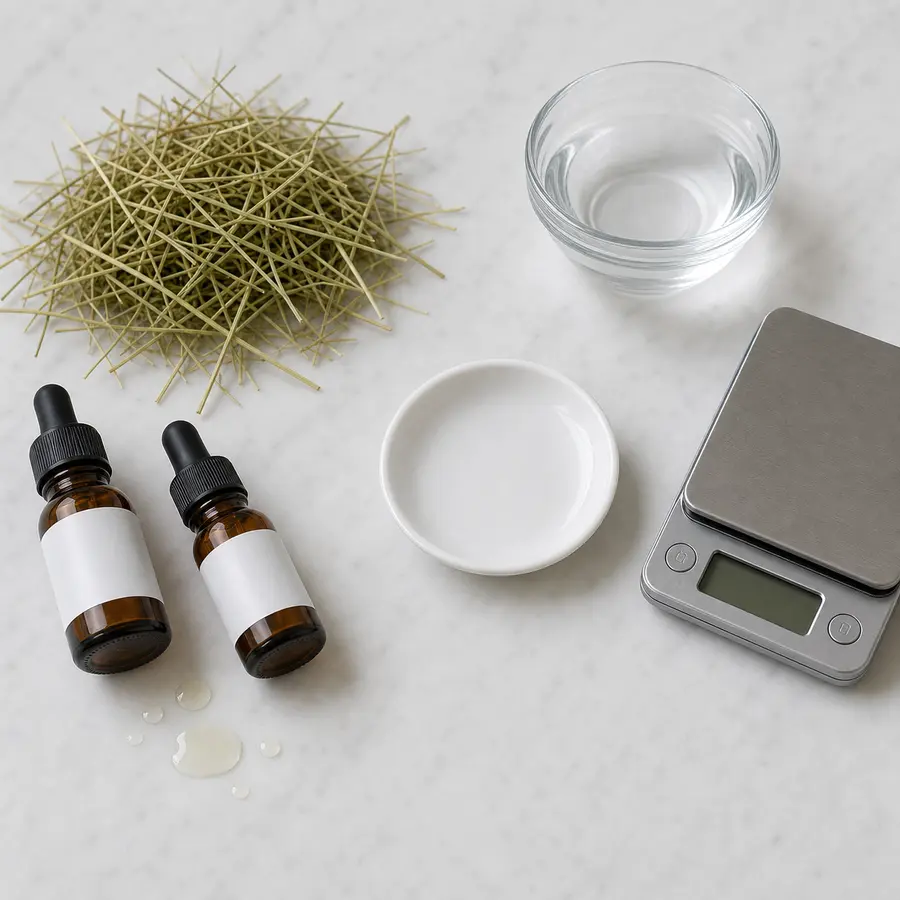 Essential oils
Call before guessing
If any small mammal licked essential oil, chewed an oil bottle, got oil on fur or skin, or was exposed to diffuser vapor, move it to clean air and call an exotic-pet veterinarian or poison hotline now.
Guinea pigs
Call if exposed
Do not feed essential oils to guinea pigs. If oil was licked, spilled, diffused nearby, or got on fur, bedding, or skin, remove access and call with the species, weight, oil name, route of exposure, amount, time, and symptoms.
Syrian and dwarf hamsters
Call if exposed
Do not feed essential oils to Syrian and dwarf hamsters. If oil was licked, spilled, diffused nearby, or got on fur, bedding, or skin, remove access and call with the species, weight, oil name, route of exposure, amount, time, and symptoms.
Rats
Call if exposed
Do not feed essential oils to rats. If oil was licked, spilled, diffused nearby, or got on fur, bedding, or skin, remove access and call with the species, weight, oil name, route of exposure, amount, time, and symptoms.
Mice
Call if exposed
Do not feed essential oils to mice. If oil was licked, spilled, diffused nearby, or got on fur, bedding, or skin, remove access and call with the species, weight, oil name, route of exposure, amount, time, and symptoms.
Gerbils
Call if exposed
Do not feed essential oils to gerbils. If oil was licked, spilled, diffused nearby, or got on fur, bedding, or skin, remove access and call with the species, weight, oil name, route of exposure, amount, time, and symptoms.
Chinchillas
Call if exposed
Do not feed essential oils to chinchillas. If oil was licked, spilled, diffused nearby, or got on fur, bedding, or skin, remove access and call with the species, weight, oil name, route of exposure, amount, time, and symptoms.
Ferrets
Call if exposed
Do not feed essential oils to ferrets. If oil was licked, spilled, diffused nearby, or got on fur, bedding, or skin, remove access and call with the species, weight, oil name, route of exposure, amount, time, and symptoms.
Not a cage scent
Essential oils are concentrated chemicals, not safe air fresheners for small mammals. Keep bottles, diffusers, and scented products away from habitats.
Route matters
A veterinarian or poison hotline will ask whether the oil was eaten, inhaled, spilled on skin, or soaked into bedding. Those details change the next step.
Stop the exposure
- Turn off diffusers, cap bottles, remove oil-soaked bedding or toys, and move the habitat away from the source.
- Keep the animal contained in clean air while you call an exotic-pet veterinarian or poison hotline.
- Save the bottle or ingredient list, especially for tea tree, eucalyptus, peppermint, citrus, clove, wintergreen, blends, or fragrance oils.
Avoid
- Putting essential oils on fur, skin, bedding, toys, litter, hay, food, water, or cage surfaces.
- Running diffusers, sprays, wax warmers, scented cleaners, or fragrance oils near a small-mammal habitat.
- Bathing, scrubbing, feeding oil, giving home remedies, or waiting to see whether signs appear unless a veterinarian directs it.
Watch
- Drooling, pawing at the mouth, wet or irritated skin, coughing, sneezing, breathing effort, weakness, wobbliness, tremors, seizures, quietness, reduced appetite, fewer droppings, or soft stool.
- Call immediately even if signs are mild; tiny animals have little margin after oil exposure.
Helpful food-safety supplies
Optional tools for measuring, storing, serving, and cleaning up small portions safely.
Affiliate links: Furball Cove may earn from qualifying purchases at no extra cost to you.