Updated
Small mammal food safety
Can Small Mammals Eat Houseplant Leaves?
Unsafe
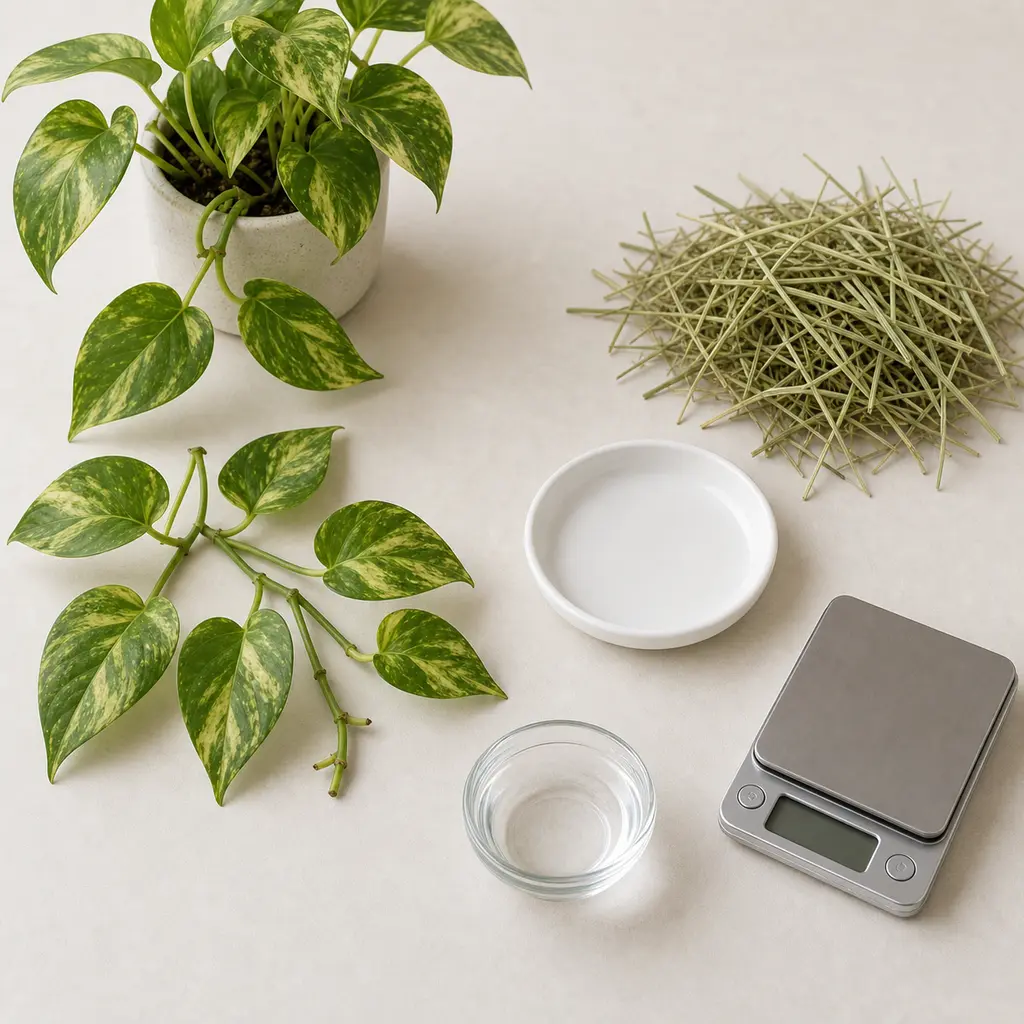
No. Houseplant leaves should stay away from small mammals. If any houseplant leaf, stem, sap, soil, fertilizer, or plant water was chewed or swallowed, identify the plant and call an exotic-pet veterinarian or poison hotline.
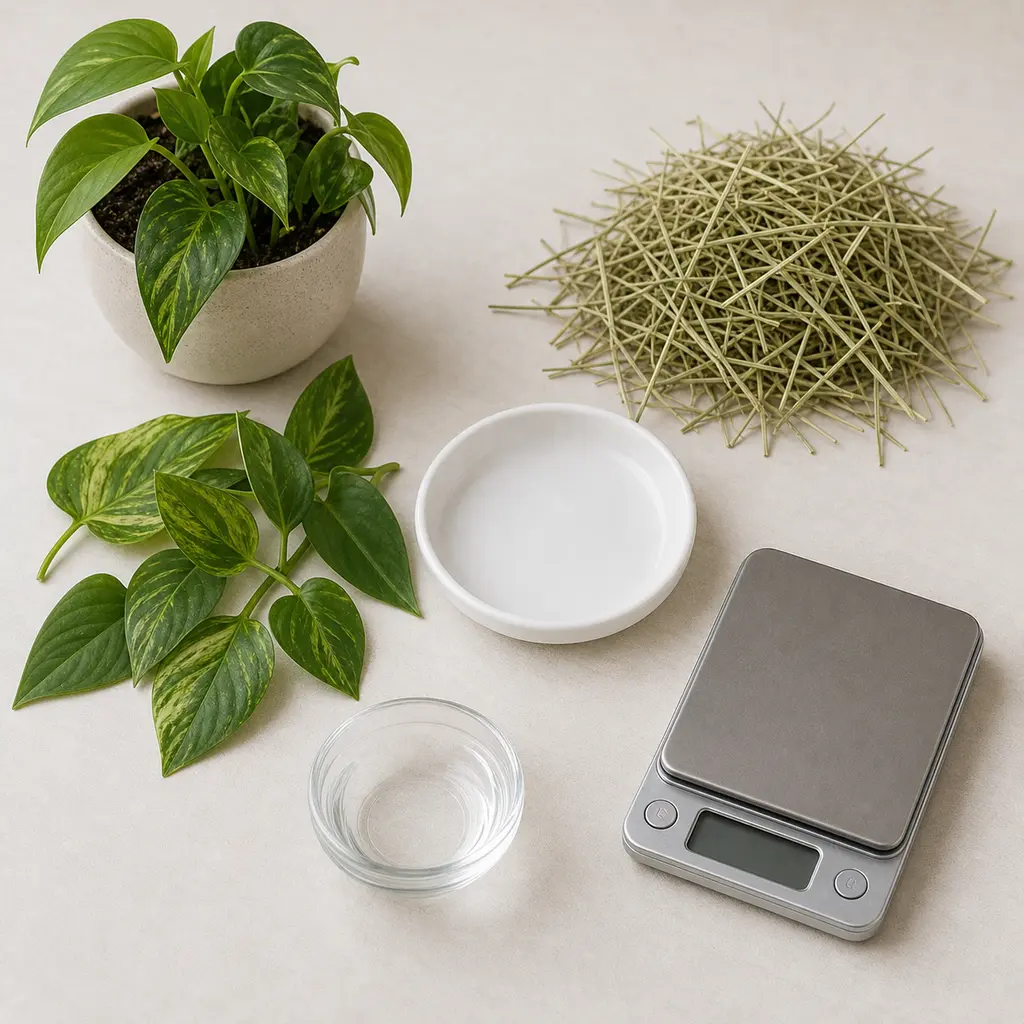 Houseplant leaves
Call before guessing
If any small mammal ate or chewed houseplant leaves, stems, sap, potting soil, fertilizer, or plant water, call an exotic-pet veterinarian or poison hotline with the species, weight, plant name, plant part, amount, time, and symptoms.
Guinea pigs
Call if exposed
Do not feed houseplant leaves to guinea pigs. If houseplant leaves, stems, sap, soil, fertilizer, or plant water were eaten or chewed, remove access and call with the species, weight, plant name, plant part, amount, time, and symptoms.
Syrian and dwarf hamsters
Call if exposed
Do not feed houseplant leaves to Syrian and dwarf hamsters. If houseplant leaves, stems, sap, soil, fertilizer, or plant water were eaten or chewed, remove access and call with the species, weight, plant name, plant part, amount, time, and symptoms.
Rats
Call if exposed
Do not feed houseplant leaves to rats. If houseplant leaves, stems, sap, soil, fertilizer, or plant water were eaten or chewed, remove access and call with the species, weight, plant name, plant part, amount, time, and symptoms.
Mice
Call if exposed
Do not feed houseplant leaves to mice. If houseplant leaves, stems, sap, soil, fertilizer, or plant water were eaten or chewed, remove access and call with the species, weight, plant name, plant part, amount, time, and symptoms.
Gerbils
Call if exposed
Do not feed houseplant leaves to gerbils. If houseplant leaves, stems, sap, soil, fertilizer, or plant water were eaten or chewed, remove access and call with the species, weight, plant name, plant part, amount, time, and symptoms.
Chinchillas
Call if exposed
Do not feed houseplant leaves to chinchillas. If houseplant leaves, stems, sap, soil, fertilizer, or plant water were eaten or chewed, remove access and call with the species, weight, plant name, plant part, amount, time, and symptoms.
Ferrets
Call if exposed
Do not feed houseplant leaves to ferrets. If houseplant leaves, stems, sap, soil, fertilizer, or plant water were eaten or chewed, remove access and call with the species, weight, plant name, plant part, amount, time, and symptoms.
Name the plant first
Houseplant safety depends on the exact plant and what was chewed. A clear plant name or photos make the call more useful.
The pot matters too
Potting soil, fertilizer pellets, plant water, and pest treatments can be part of the exposure, not just the leaf.
If exposure happened
- Remove plant leaves, stems, vines, sap, potting soil, fertilizer pellets, plant water, and contaminated food or bedding.
- Find the plant name, nursery tag, receipt, or clear photos of the whole plant and leaves.
- Keep the animal contained and calm while you call with the plant details and exposure time.
Avoid
- Houseplant leaves, vines, flowers, stems, sap, cuttings, potting soil, fertilizer, plant water, and floor-time access near plant stands.
- Assuming a decorative plant is safe because it is common in homes.
- Letting small mammals chew fallen leaves or dig in pots.
Helpful food-safety supplies
Optional tools for measuring, storing, serving, and cleaning up small portions safely.
Affiliate links: Furball Cove may earn from qualifying purchases at no extra cost to you.