Updated
Small mammal food safety
Can Small Mammals Eat Lavender?
Tiny aromatic herb
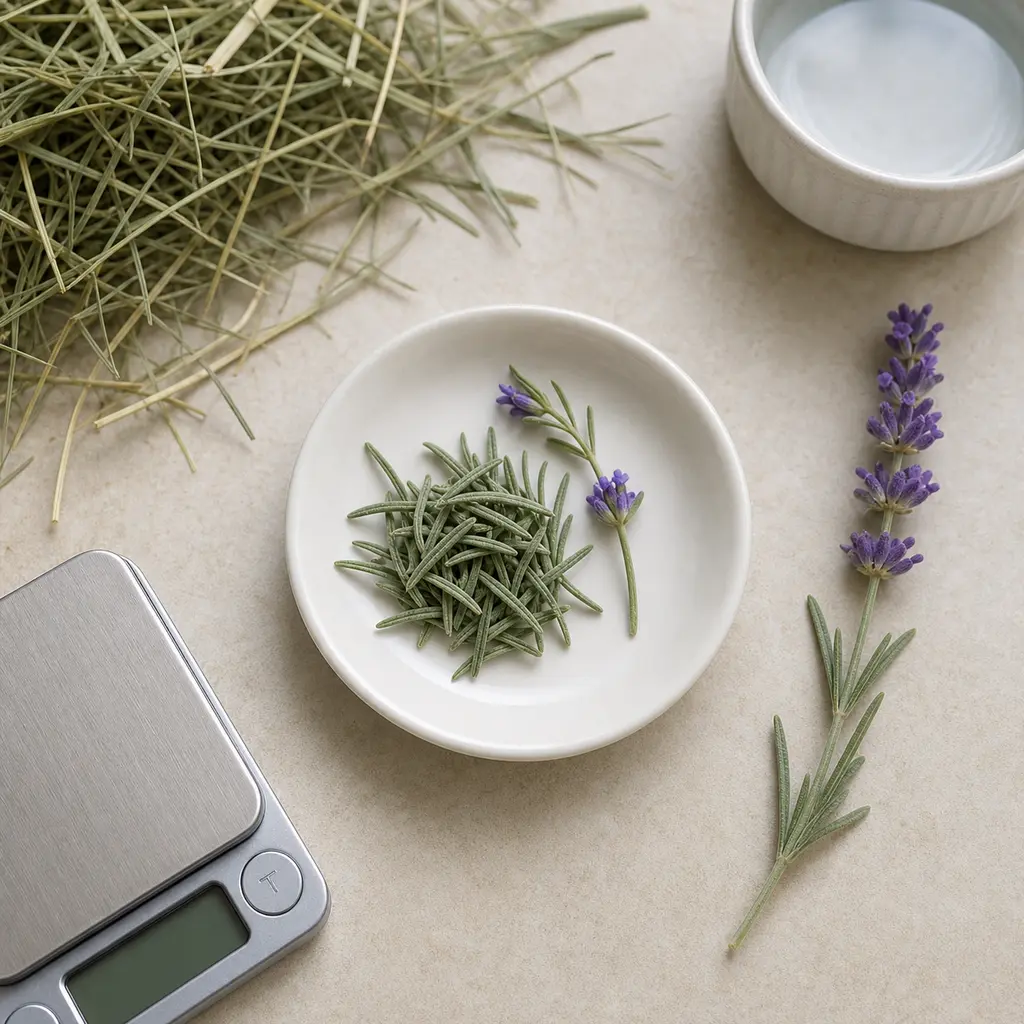
Lavender is a strong aromatic herb, not a daily green. Some guinea pigs, rats, hamsters, mice, or gerbils may have a tiny plain piece occasionally. Chinchillas should only have a tiny pet-safe dried pinch if you already know it agrees with them. Ferrets should skip it.
 Lavender
Guinea pigs
Tiny occasional piece
A guinea pig may have a tiny plain lavender piece occasionally, but hay and familiar vitamin C foods matter more.
Syrian and dwarf hamsters
Crumb-size nibble
A hamster only needs a crumb-size lavender nibble, and skipping it is fine. Check the hoard afterward.
Rats
Tiny herb piece
A rat may have a tiny plain lavender piece occasionally if the staple diet and stool stay steady.
Mice
Crumb-size only
A mouse needs only a crumb-size piece. Remove leftovers before they get buried or guarded.
Gerbils
Tiny rare nibble
A gerbil may nibble or shred a tiny clean piece, but strong herbs should stay rare.
Chinchillas
Trusted dried pinch only
A chinchilla should skip fresh lavender and only use a tiny dry pet-safe pinch if it is already part of a trusted chinchilla-safe routine.
Ferrets
Do not feed
Do not feed lavender to ferrets. Ferrets need meat-based food, not aromatic herbs.
Aromatic means tiny
Lavender has a strong scent. That makes source quality and portion size more important than variety.
Oil is not herb
Essential oils, perfumed products, potpourri, and tea blends are different products and do not belong in the food dish.
Source before serving
- Use only plain lavender from a food-safe, pet-safe, or untreated garden source you can identify.
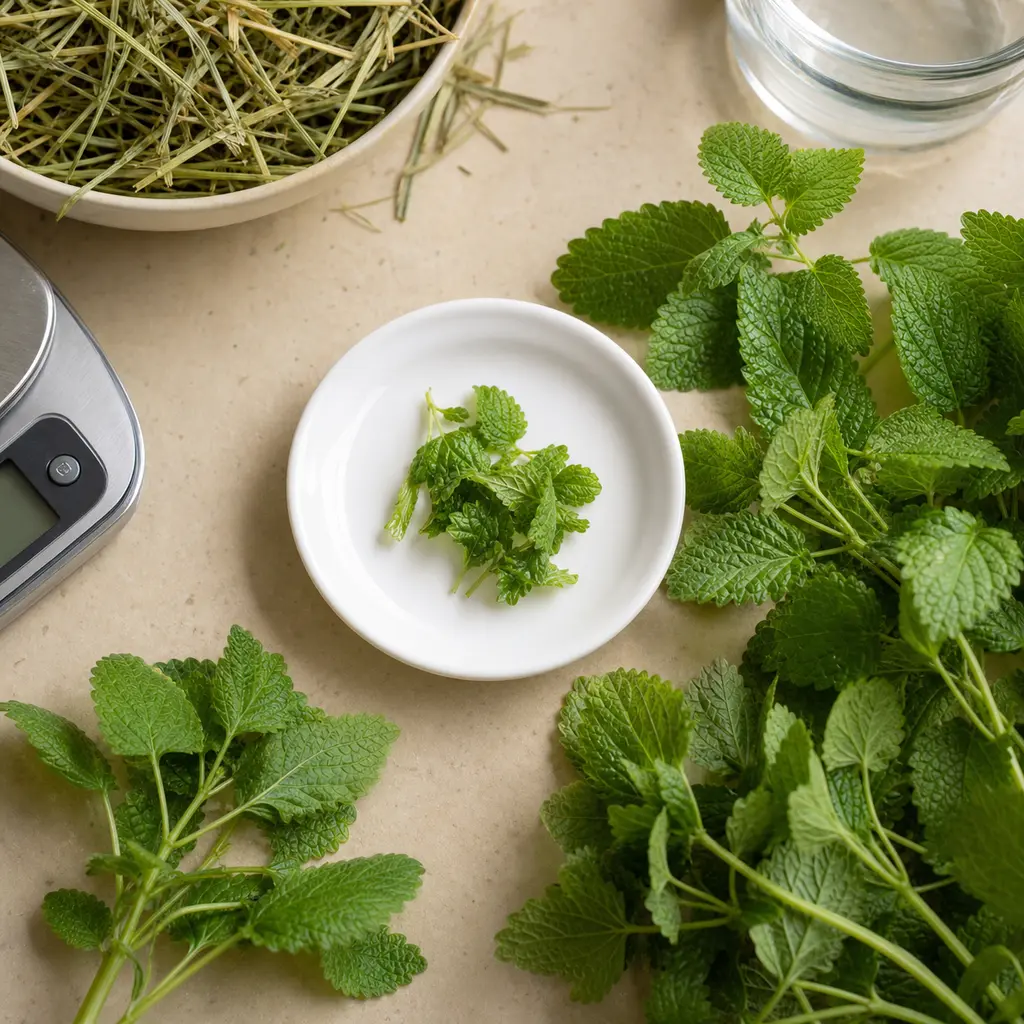
- Wash fresh lavender, shake it dry, and offer one tiny piece rather than a sprig bundle.
- Remove leftovers before they wilt, get dusty, or get hidden in bedding.
Avoid
- Lavender essential oil, scented bedding, potpourri, room fragrance, tea blends, craft flowers, pesticide-treated plants, unknown garden cuttings, and moldy dried herbs.
- Large aromatic herb piles, daily lavender treats, or using lavender to calm an animal that is unwell.
- Lavender for ferrets or for any animal with appetite, stool, droppings, dental, breathing, or digestive concerns.
Watch
- Reduced appetite, fewer droppings, soft stool, mouth irritation, sneezing from dusty herbs, hiding, quietness, or a strong refusal after smelling it.
- Call an exotic-pet veterinarian promptly if a guinea pig, chinchilla, weak animal, or animal with abnormal signs eats less or produces fewer droppings.
Portion
Guinea pigs or rats: a tiny leaf or flower piece occasionally. Hamsters, mice, or gerbils: a crumb-size nibble or skip. Chinchillas: a tiny trusted dried pinch only. Ferrets: none.
Helpful food-safety supplies
Optional tools for measuring, storing, serving, and cleaning up small portions safely.
Affiliate links: Furball Cove may earn from qualifying purchases at no extra cost to you.