Updated
Small mammal food safety
Can Small Mammals Eat Chamomile Flowers?
Species-specific staple
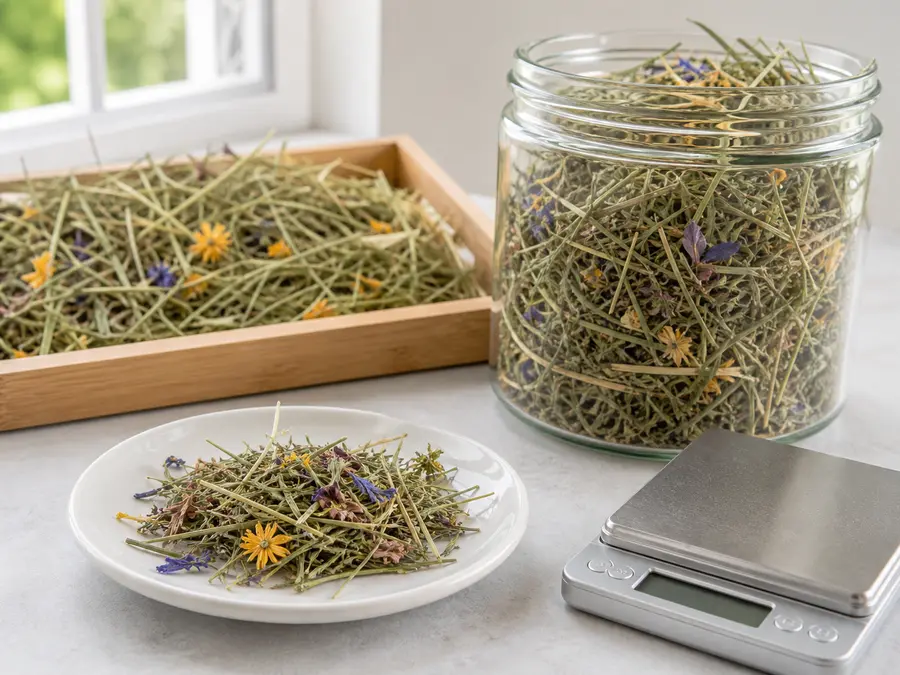
Clean dried chamomile flowers can be a tiny botanical extra for some hay-eating small mammals and foraging rodents. Use a pinch, not tea, oil, or a scented product. Ferrets should skip them.
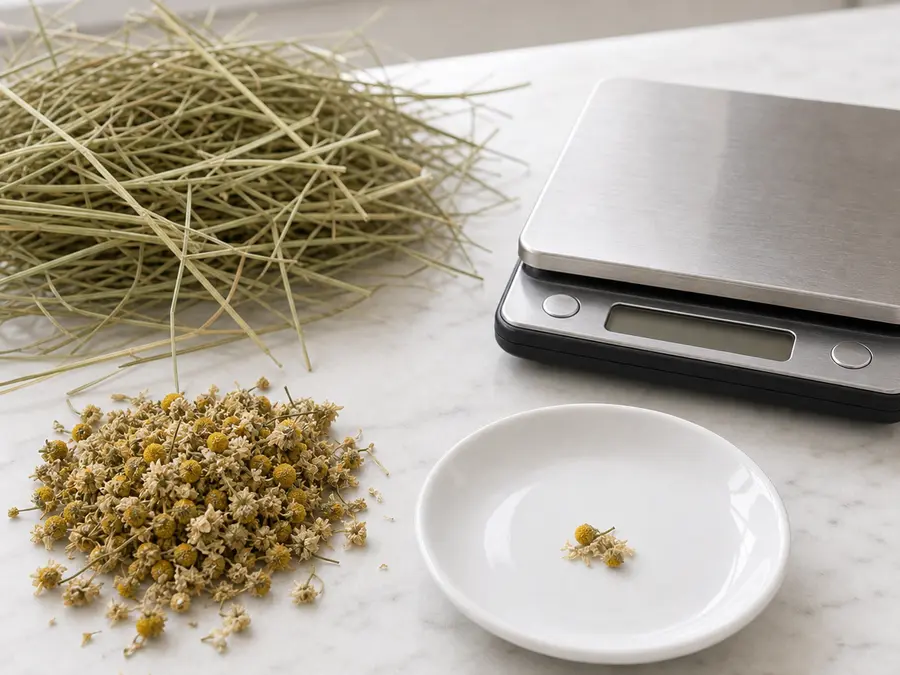 Chamomile flowers
Guinea pigs
Tiny botanical
A guinea pig may have a tiny clean dried chamomile pinch as a botanical extra, but hay and vitamin C foods stay central.
Syrian and dwarf hamsters
Tiny pinch
A hamster may have a tiny dried chamomile pinch for foraging enrichment if the source is clean and unsweetened.
Rats
Tiny pinch
A rat may have a tiny clean dried chamomile pinch as enrichment if the normal staple is still being eaten.
Mice
Tiny pinch
A mouse needs only a few tiny dried pieces. Avoid dusty or scented mixes.
Gerbils
Tiny pinch
A gerbil may have a tiny clean dried chamomile pinch, but dry balanced food should remain central.
Chinchillas
Tiny botanical
A chinchilla may have only a tiny clean dried botanical pinch if it already tolerates safe botanicals; hay remains the diet base.
Ferrets
Do not feed
Do not feed chamomile flowers to ferrets. Ferrets need meat-based food, not dried botanicals.
Source matters
The acceptable version is clean dried flower heads from a trusted source. Tea bags, oils, extracts, potpourri, and yard plants are not the same thing.
Keep botanicals small
Chamomile is an extra for variety, not a daily base. Hay and the correct staple still do the real feeding work.
Check the source
- Use clean dried chamomile flowers from a trusted pet-safe source.
- Offer a tiny pinch, not a pile of dried flowers.
- Keep hay, staple food, and water more important than any botanical extra.
Avoid
- Chamomile tea, tea bags, essential oil, extracts, scented bedding, potpourri, sweetened blends, dusty flowers, moldy flowers, or unknown yard plants.
- Large dried-flower piles or botanicals used to replace hay and staple food.
- Chamomile for ferrets or any animal with appetite, breathing, skin, stool, or droppings changes.
Watch
- Stop and call an exotic-pet veterinarian if appetite drops, droppings or stool change, bloating appears, or the animal becomes quiet.
- For guinea pigs, chinchillas, or any weak animal, reduced eating or fewer droppings is urgent.
Hay role
Guinea pigs, chinchillas, rats, hamsters, mice, or gerbils: a tiny pinch when the species row allows botanicals. Ferrets: none.
Helpful food-safety supplies
Optional tools for measuring, storing, serving, and cleaning up small portions safely.
Affiliate links: Furball Cove may earn from qualifying purchases at no extra cost to you.