Updated
Small mammal food safety
Can Small Mammals Eat Lily?
Unsafe
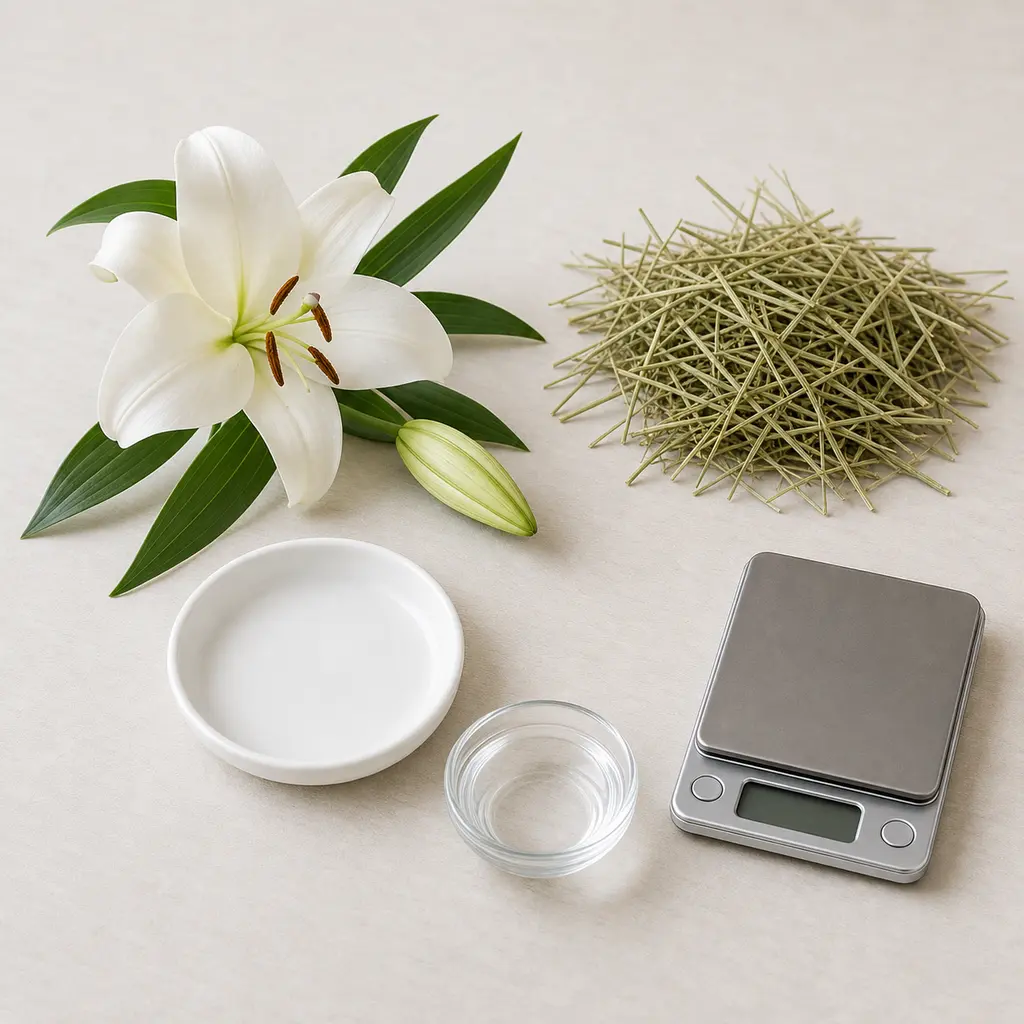
No. Lily is not safe small-mammal food. If petals, leaves, stems, pollen, bulbs, vase water, or plant debris were chewed or swallowed, remove access and call an exotic-pet veterinarian or poison hotline.
 Lily
LilyCall before guessing
If any small mammal ate or chewed lily petals, leaves, stems, pollen, bulbs, vase water, or plant debris, call an exotic-pet veterinarian or poison hotline with the species, weight, plant part, amount, time, and symptoms.
Guinea pigs
Call if exposed
Do not feed lily to guinea pigs. If lily petals, leaves, stems, pollen, bulbs, vase water, or plant debris were eaten or chewed, remove access and call with the species, weight, plant part, amount, time, and symptoms.
Syrian and dwarf hamsters
Call if exposed
Do not feed lily to Syrian and dwarf hamsters. If lily petals, leaves, stems, pollen, bulbs, vase water, or plant debris were eaten or chewed, remove access and call with the species, weight, plant part, amount, time, and symptoms.
Rats
Call if exposed
Do not feed lily to rats. If lily petals, leaves, stems, pollen, bulbs, vase water, or plant debris were eaten or chewed, remove access and call with the species, weight, plant part, amount, time, and symptoms.
Mice
Call if exposed
Do not feed lily to mice. If lily petals, leaves, stems, pollen, bulbs, vase water, or plant debris were eaten or chewed, remove access and call with the species, weight, plant part, amount, time, and symptoms.
Gerbils
Call if exposed
Do not feed lily to gerbils. If lily petals, leaves, stems, pollen, bulbs, vase water, or plant debris were eaten or chewed, remove access and call with the species, weight, plant part, amount, time, and symptoms.
Chinchillas
Call if exposed
Do not feed lily to chinchillas. If lily petals, leaves, stems, pollen, bulbs, vase water, or plant debris were eaten or chewed, remove access and call with the species, weight, plant part, amount, time, and symptoms.
Ferrets
Call if exposed
Do not feed lily to ferrets. If lily petals, leaves, stems, pollen, bulbs, vase water, or plant debris were eaten or chewed, remove access and call with the species, weight, plant part, amount, time, and symptoms.
Keep bouquets out of reach
Lily exposure can come from flowers, dropped pollen, vase water, or fallen leaves, not just a plant in a pot.
Bring the label if you have it
The exact plant name and part chewed help the veterinarian or poison hotline decide what to do next.
If exposure happened
- Remove lily flowers, leaves, stems, pollen, bulbs, vase water, plant debris, and contaminated food or bedding.
- Save the plant label or take clear photos of the flower, leaves, stem, and any vase or bouquet materials.
- Keep the animal contained and calm while you call with the plant part, amount, time, species, weight, and symptoms.
Avoid
- Lily flowers, leaves, pollen, stems, bulbs, vase water, bouquets, fallen petals, and plant debris near cages or floor time.
- Using flowers or bouquet greens as enrichment.
- Assuming a small nibble is safe because the plant was indoors.
Helpful food-safety supplies
Optional tools for measuring, storing, serving, and cleaning up small portions safely.
Affiliate links: Furball Cove may earn from qualifying purchases at no extra cost to you.