Updated
Small mammal food safety
Can Small Mammals Eat Lime?
Usually skip
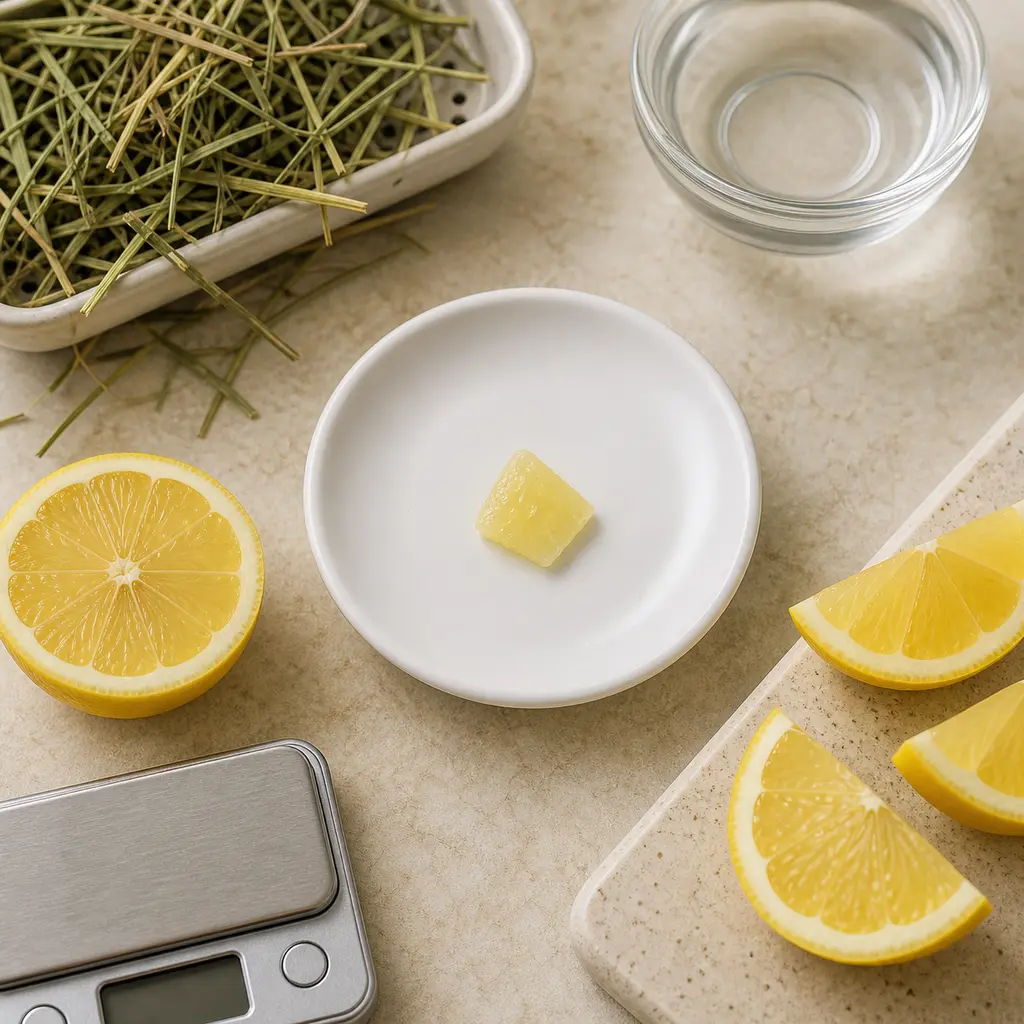
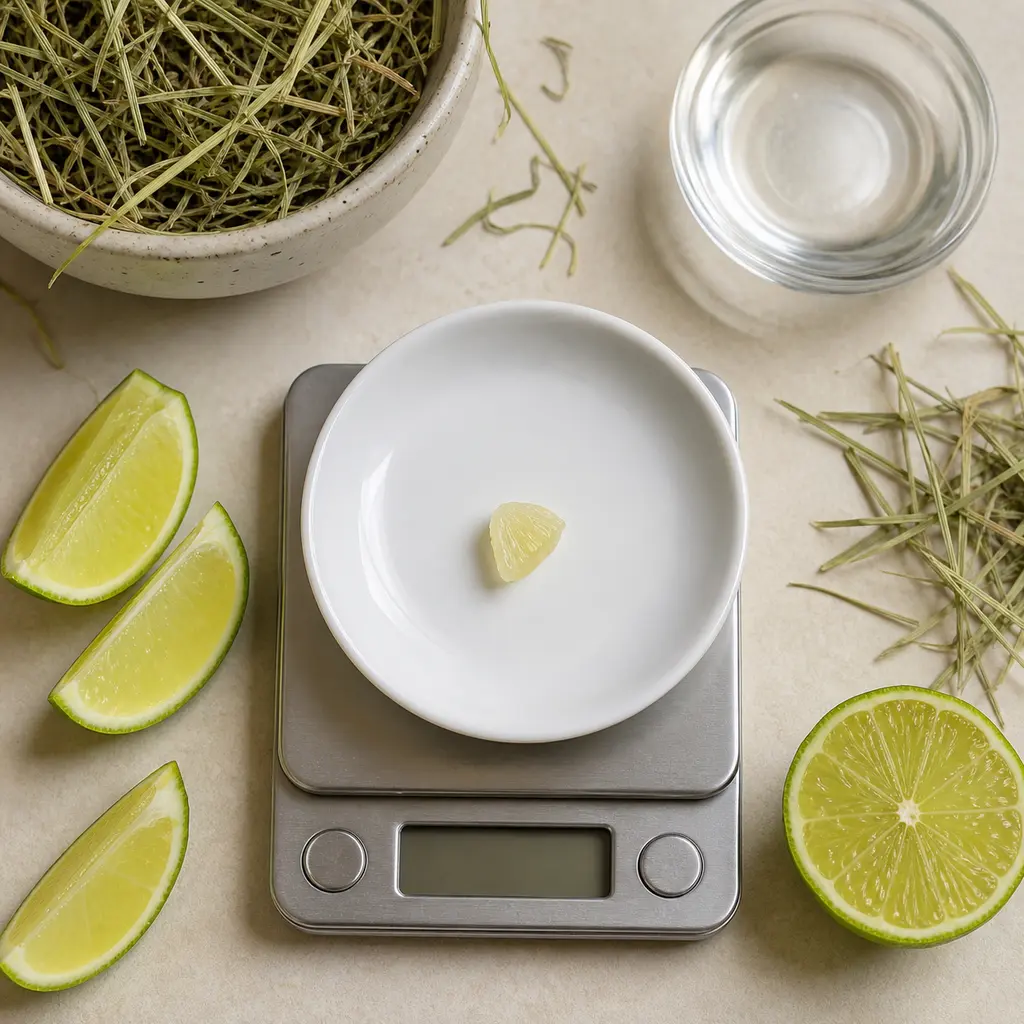
Lime is too acidic to be a useful small-mammal treat. If a healthy guinea pig or rat gets a pinhead-size peeled taste once, it is usually a cleanup issue, not a routine food. Hamsters, mice, gerbils, chinchillas, and ferrets should not be offered lime.
 Lime
LimeGuinea pigs
Usually skip
A guinea pig does not need lime for vitamin C. If used at all, keep it to a pinhead-size peeled taste and choose familiar greens instead.
Syrian and dwarf hamsters
Do not offer
Do not offer lime to hamsters. Acidic citrus is not a useful treat, especially for dwarf or unwell hamsters.
Rats
Tiny flesh only
A rat may tolerate a pinhead-size peeled flesh taste, but lime is not useful. Keep peel, zest, and juice out.
Mice
Do not offer
Do not offer lime to mice. The acid and cleanup risk outweigh the value.
Gerbils
Do not offer
Do not offer lime to gerbils. They do better with a dry, steady routine.
Chinchillas
Skip citrus
Do not feed lime to chinchillas. Acidic fruit is a poor fit for hay-centered digestion.
Ferrets
Do not feed
Do not feed lime to ferrets. Ferrets need meat-based food, not citrus.
Tart is not better
Lime brings acid without meaningful feeding value. Most small mammals are better off without it.
Cocktail garnish is not food
Peel, zest, juice, limeade, alcohol residue, and flavored products do not belong in the habitat.
If it already happened
- Remove lime pieces, peel, seeds, zest, juice, and sticky bedding.
- Offer normal water and the animal's usual safe staple food.
- Watch for mouth irritation or digestive changes instead of trying another citrus piece.
Avoid
- Lime peel, zest, seeds, juice, limeade, dried lime, cocktail garnish, essential oil, cleaning products, large pieces, and daily citrus.
- Lime for hamsters, mice, gerbils, chinchillas, ferrets, young or weak animals, or animals with mouth, urinary, dental, appetite, stool, dropping, or digestive concerns.
- Using lime as vitamin C support, an appetite test, or a way to flavor water.
Watch
- Drooling, pawing at the mouth, reduced appetite, fewer droppings, soft stool, bloating, quietness, sticky bedding, or hidden citrus pieces.
- Call an exotic-pet veterinarian promptly if a guinea pig, chinchilla, weak animal, or animal with abnormal signs eats less or produces fewer droppings.
Portion
Guinea pigs or rats: pinhead-size peeled flesh at most, rarely. Hamsters, mice, gerbils, chinchillas, and ferrets: none.
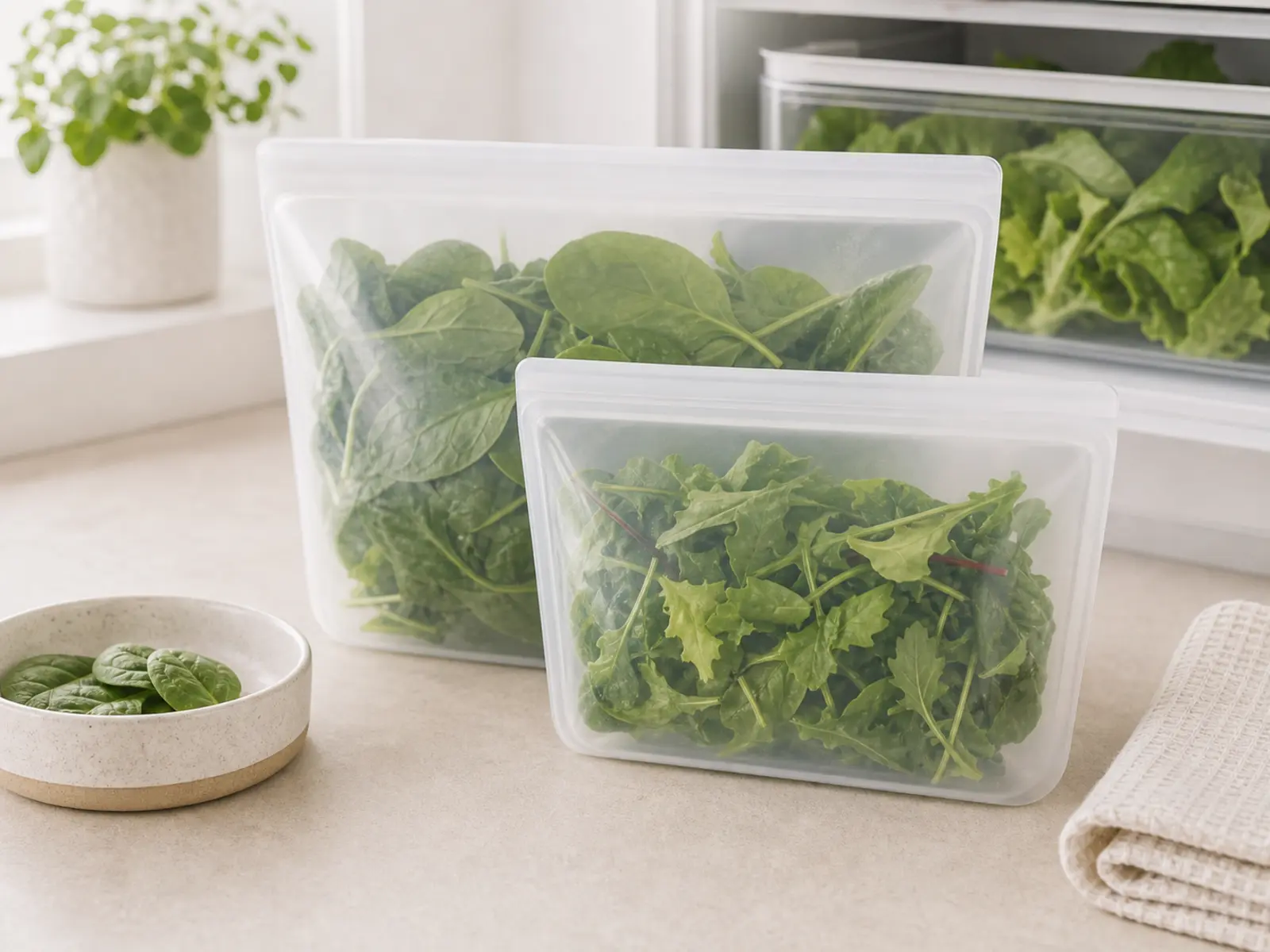
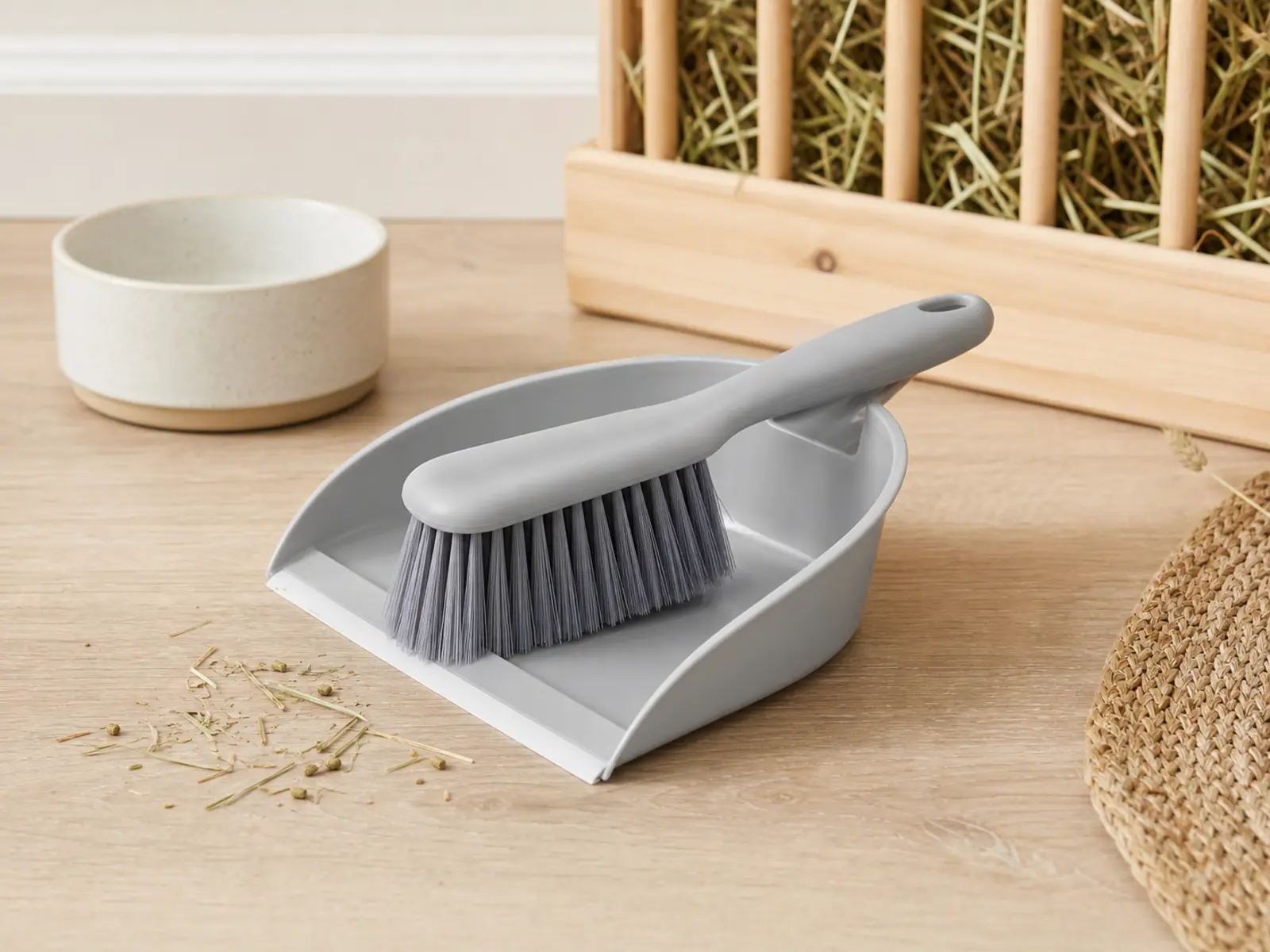
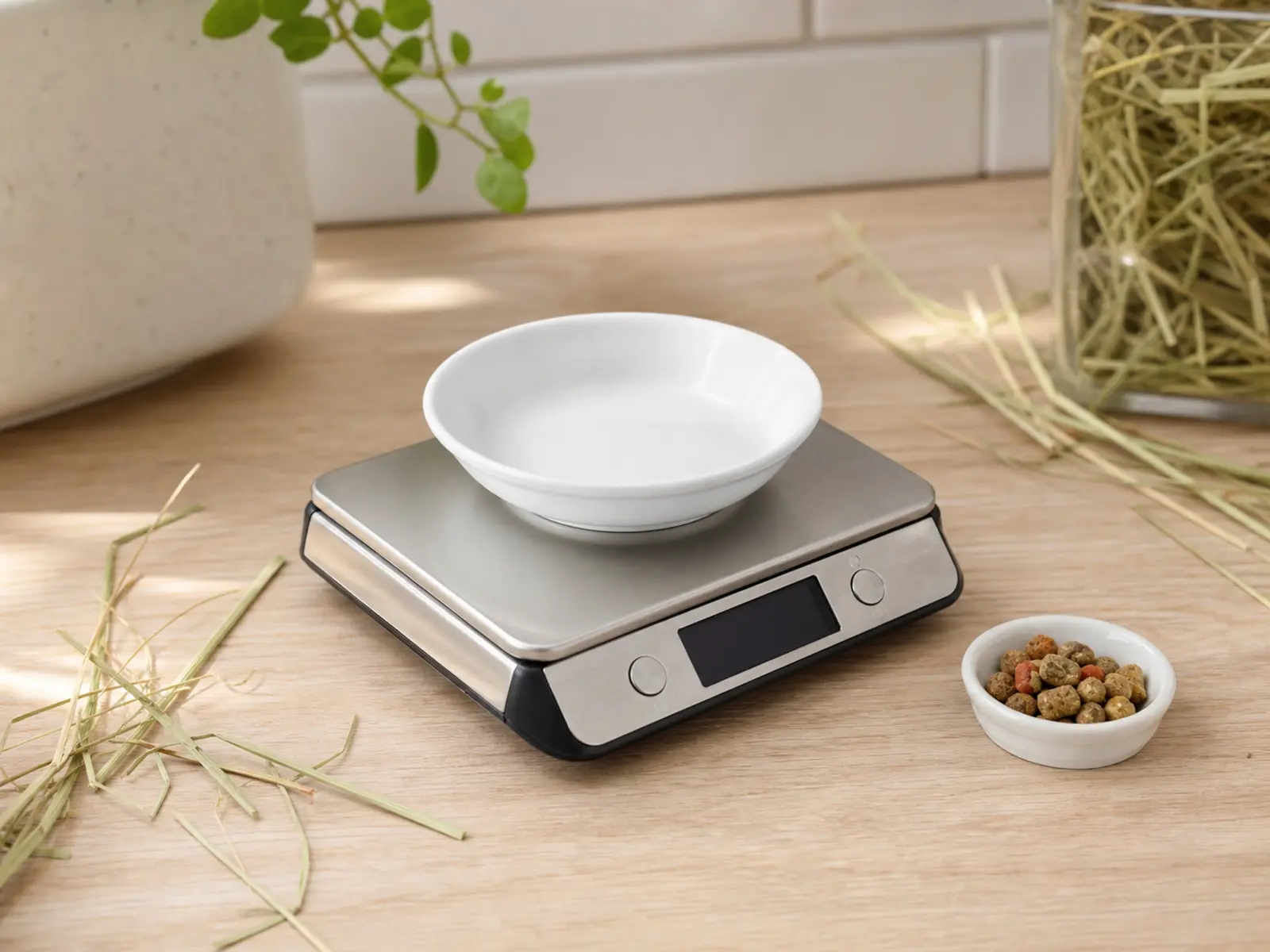
Helpful food-safety supplies
Optional tools for measuring, storing, serving, and cleaning up small portions safely.
Affiliate links: Furball Cove may earn from qualifying purchases at no extra cost to you.