Updated
Small mammal food safety
Can Small Mammals Eat Moldy Food?
Unsafe
No. Moldy food is unsafe for small mammals. If pellets, seed mix, fresh food, hoarded food, or old scraps were eaten after mold appeared, remove access and call an exotic-pet veterinarian or poison hotline.
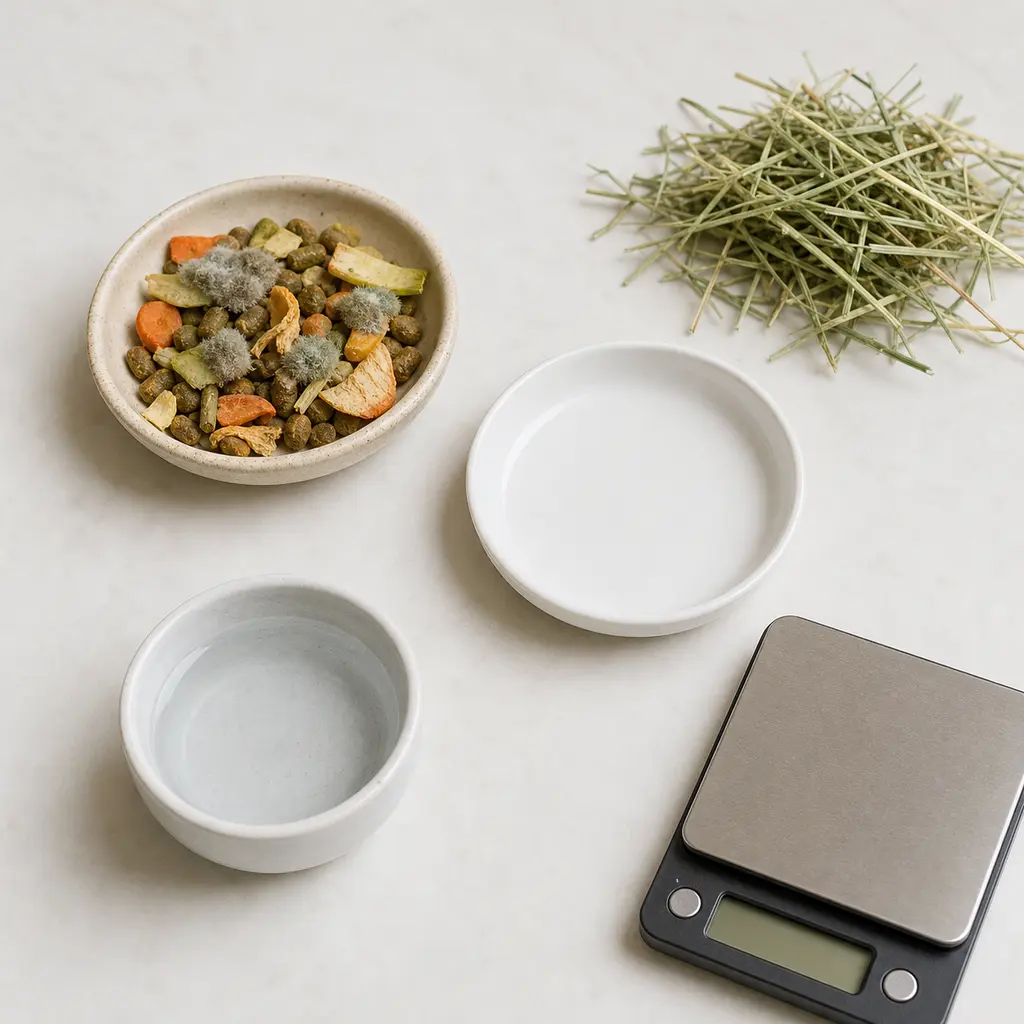 Moldy food
Call before guessing
If any small mammal ate moldy food, call an exotic-pet veterinarian or poison hotline with the species, weight, food type, amount, time, and symptoms.
Guinea pigs
Call if exposed
Do not feed moldy food to guinea pigs. If moldy food, damp hoarded food, or food from a contaminated container was eaten, remove access and call with the species, weight, food type, amount, time, and symptoms.
Syrian and dwarf hamsters
Call if exposed
Do not feed moldy food to Syrian and dwarf hamsters. If moldy food, damp hoarded food, or food from a contaminated container was eaten, remove access and call with the species, weight, food type, amount, time, and symptoms.
Rats
Call if exposed
Do not feed moldy food to rats. If moldy food, damp hoarded food, or food from a contaminated container was eaten, remove access and call with the species, weight, food type, amount, time, and symptoms.
Mice
Call if exposed
Do not feed moldy food to mice. If moldy food, damp hoarded food, or food from a contaminated container was eaten, remove access and call with the species, weight, food type, amount, time, and symptoms.
Gerbils
Call if exposed
Do not feed moldy food to gerbils. If moldy food, damp hoarded food, or food from a contaminated container was eaten, remove access and call with the species, weight, food type, amount, time, and symptoms.
Chinchillas
Call if exposed
Do not feed moldy food to chinchillas. If moldy food, damp hoarded food, or food from a contaminated container was eaten, remove access and call with the species, weight, food type, amount, time, and symptoms.
Ferrets
Call if exposed
Do not feed moldy food to ferrets. If moldy food, damp hoarded food, or food from a contaminated container was eaten, remove access and call with the species, weight, food type, amount, time, and symptoms.
Do not salvage it
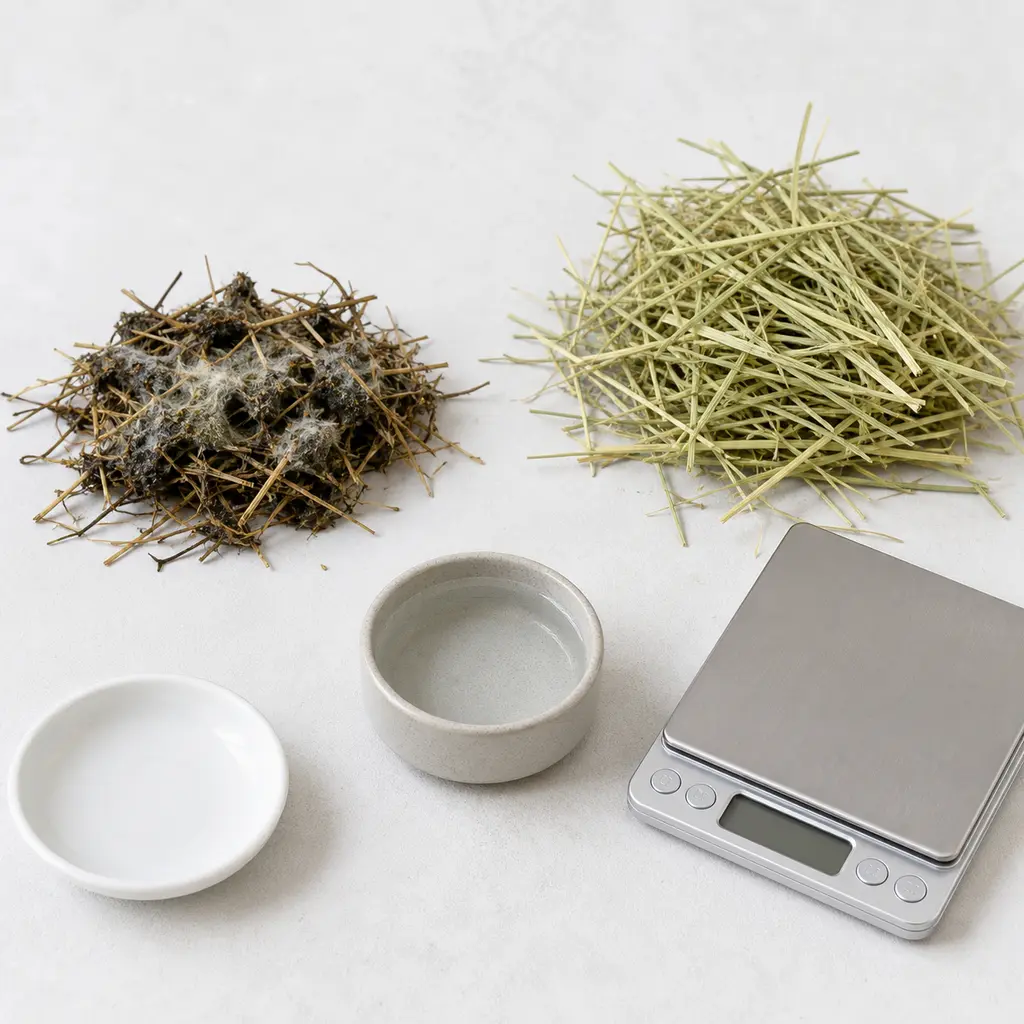
Mold on food is not a portion issue. Discard the food and nearby pieces because contamination may extend beyond the visible spot.
Check the habitat
Fresh food, wet bedding, and hoards can turn a small problem into repeated exposure. Clean the dish and remove spoiled pieces from hiding spots.
If exposure happened
- Remove moldy food, nearby food, hoarded pieces, damp bedding, dirty dishes, and any food from the same contaminated handful or container.
- Keep a sample or photo of the food if you can do so safely, then call an exotic-pet veterinarian or poison hotline.
- Clean the dish and check hidden storage spots, especially for hamsters, mice, rats, and gerbils.
Avoid
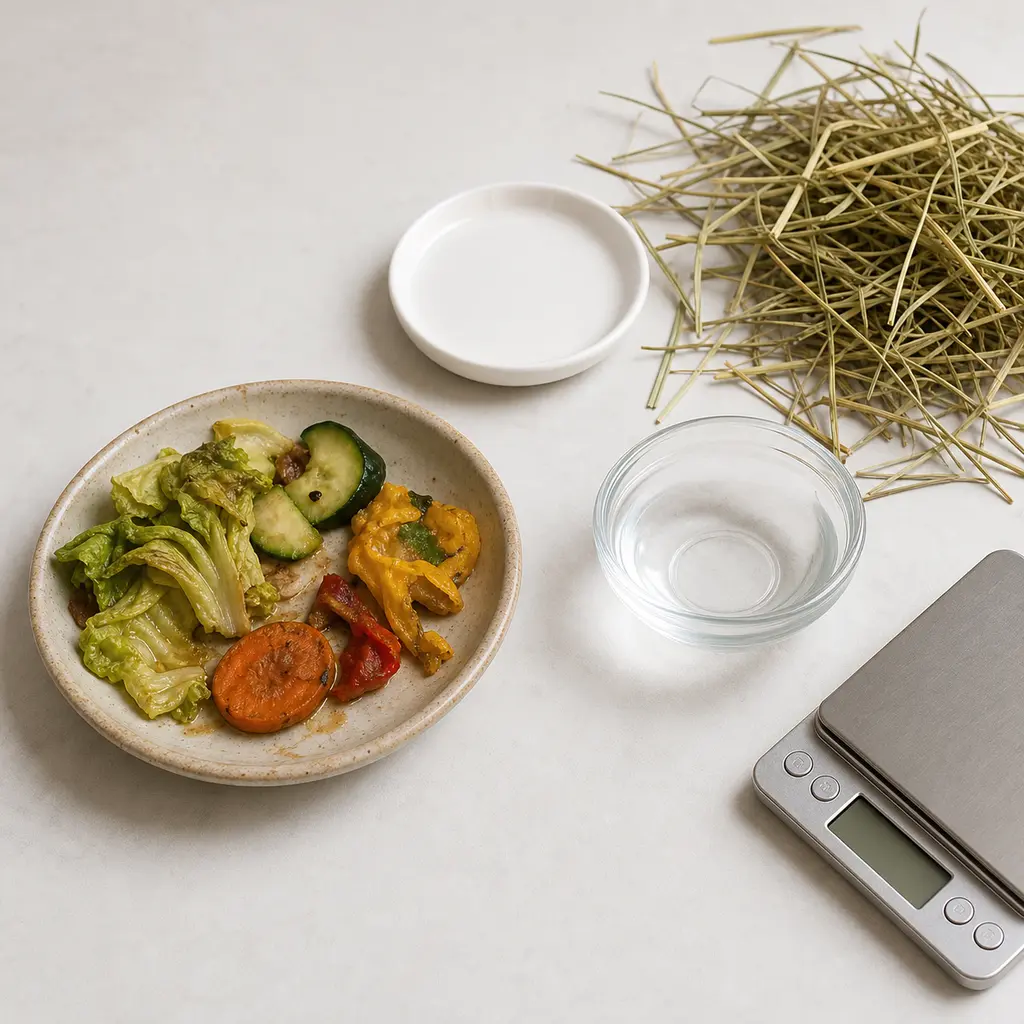
- Moldy pellets, seed mix, hay bits, fruit, vegetables, bread, damp hoards, sour-smelling food, and food stored in a wet container.
- Trimming off the visible mold and feeding the rest.
- Waiting to see whether a small animal looks sick before removing contaminated food.
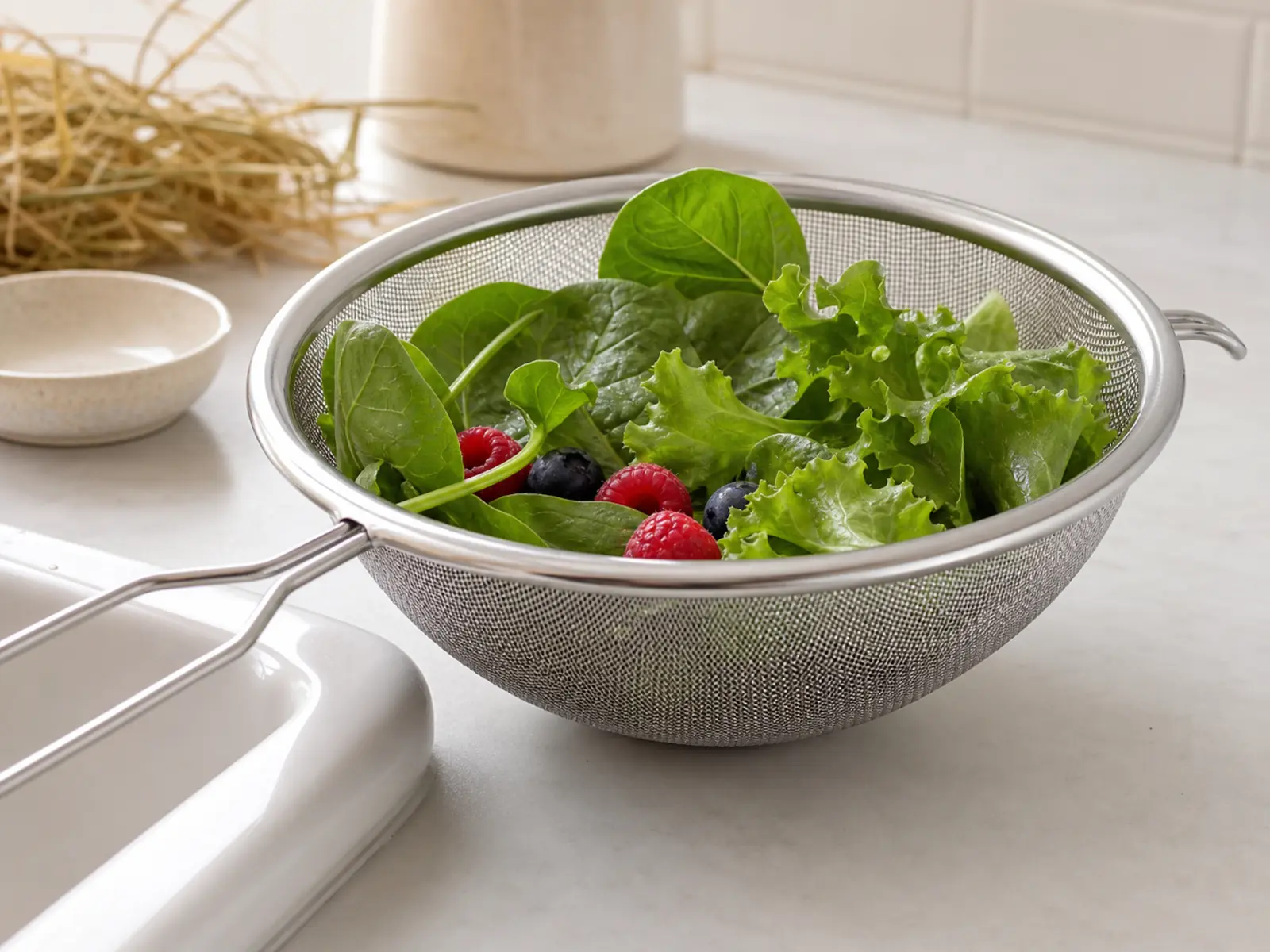
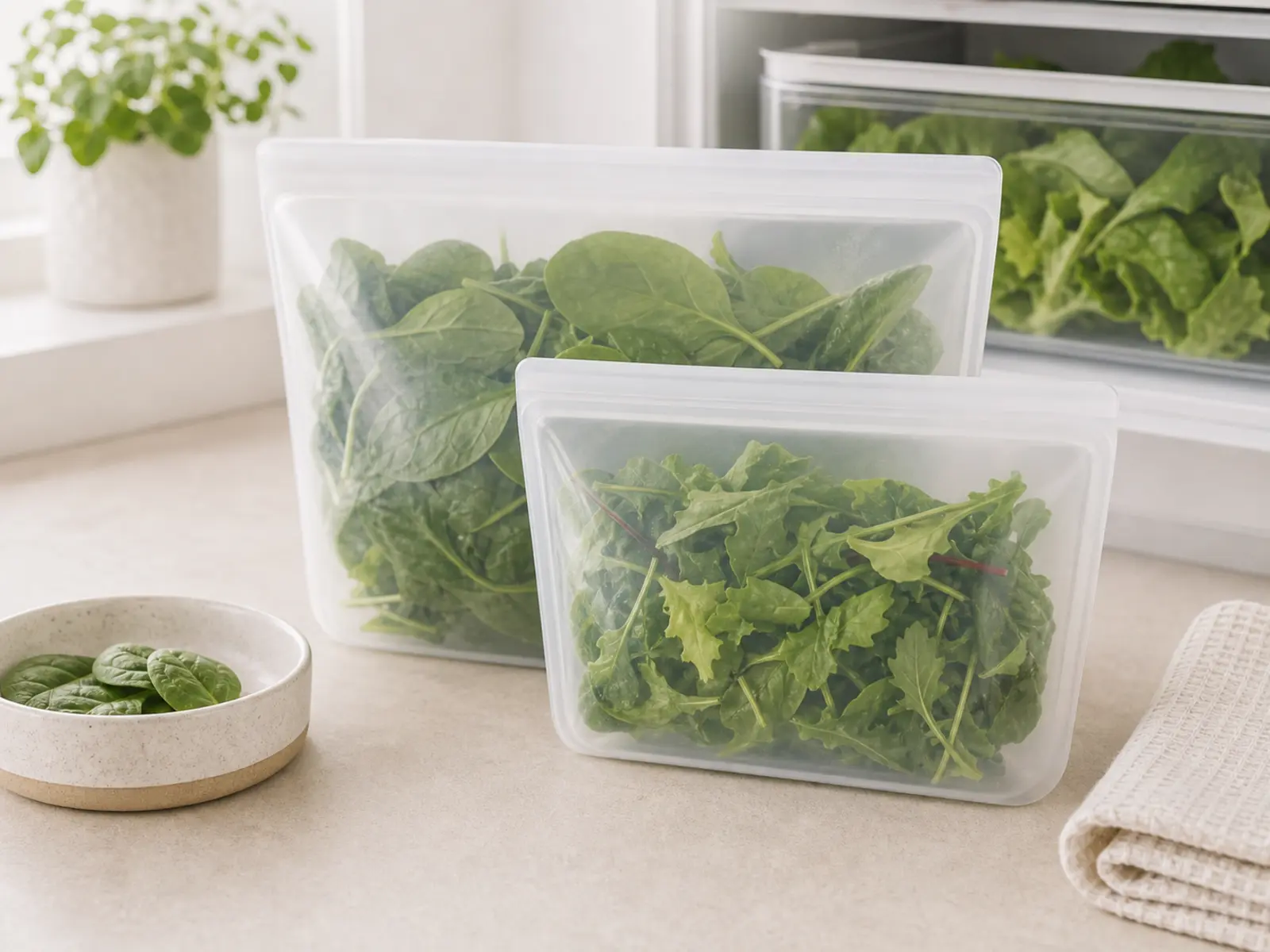
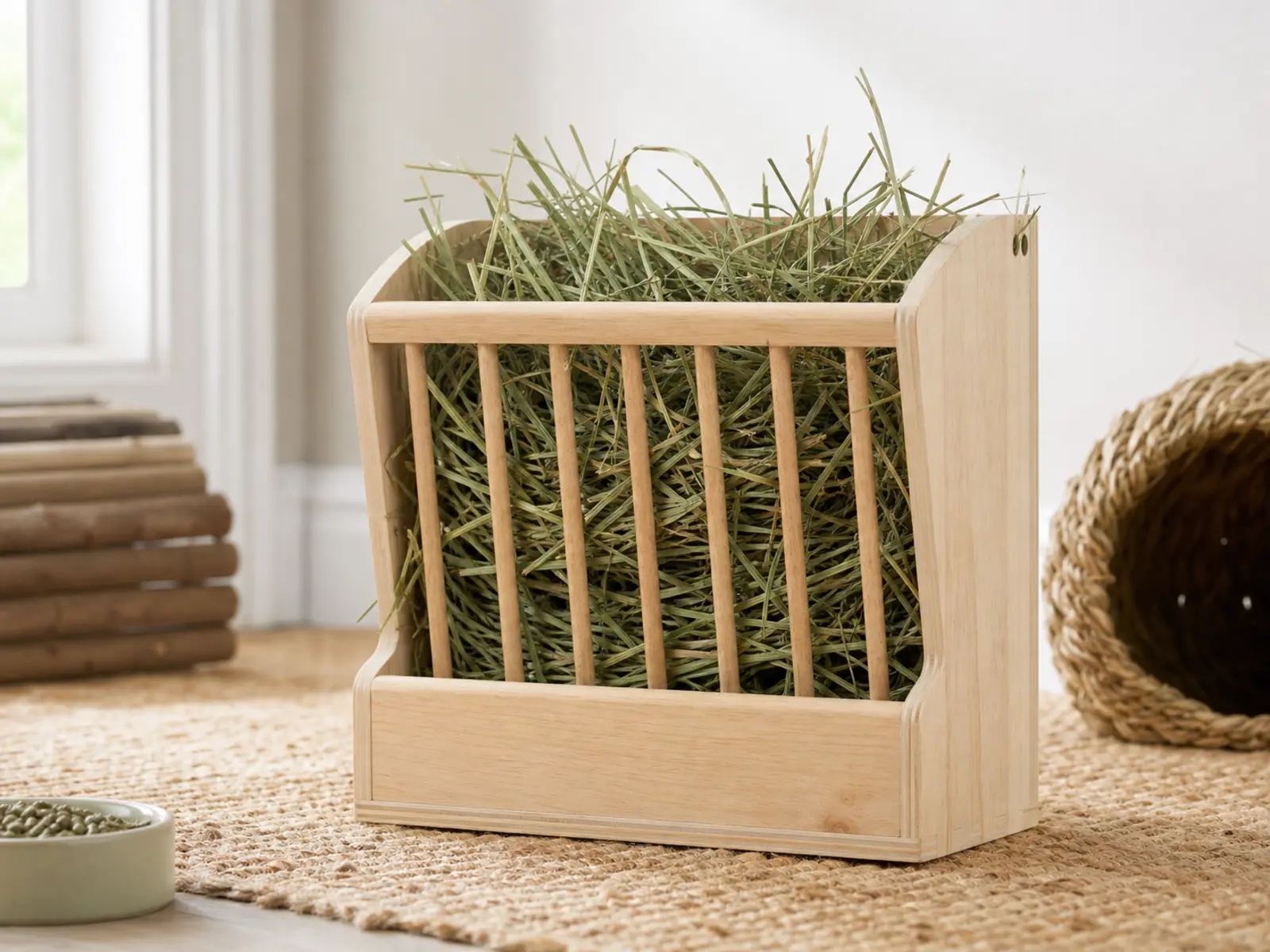
Helpful food-safety supplies
Optional tools for measuring, storing, serving, and cleaning up small portions safely.
Affiliate links: Furball Cove may earn from qualifying purchases at no extra cost to you.