Updated
Small mammal food safety
Can Small Mammals Eat Nectarines?
Tiny pitted piece
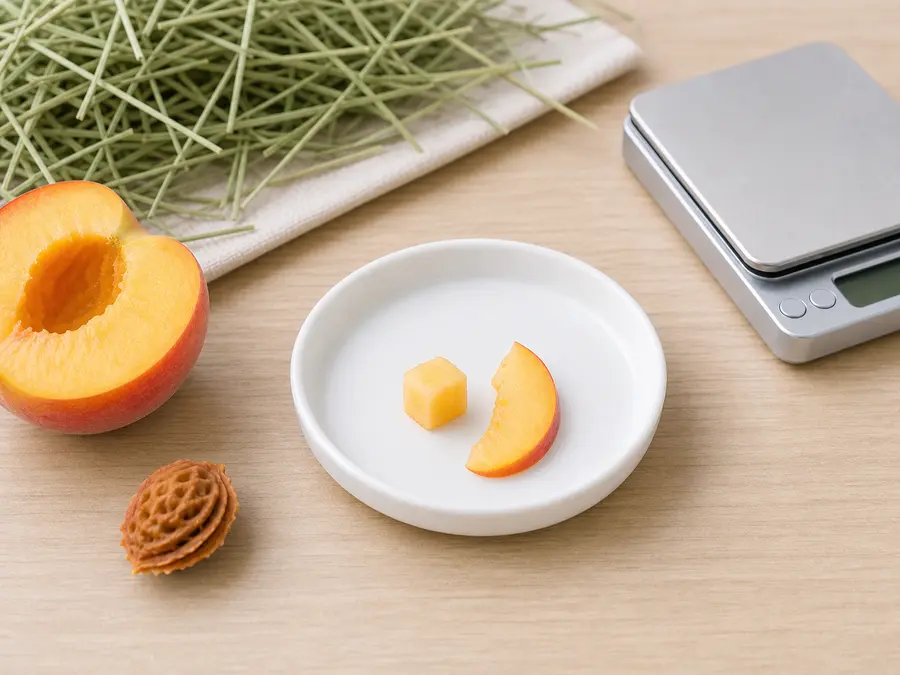
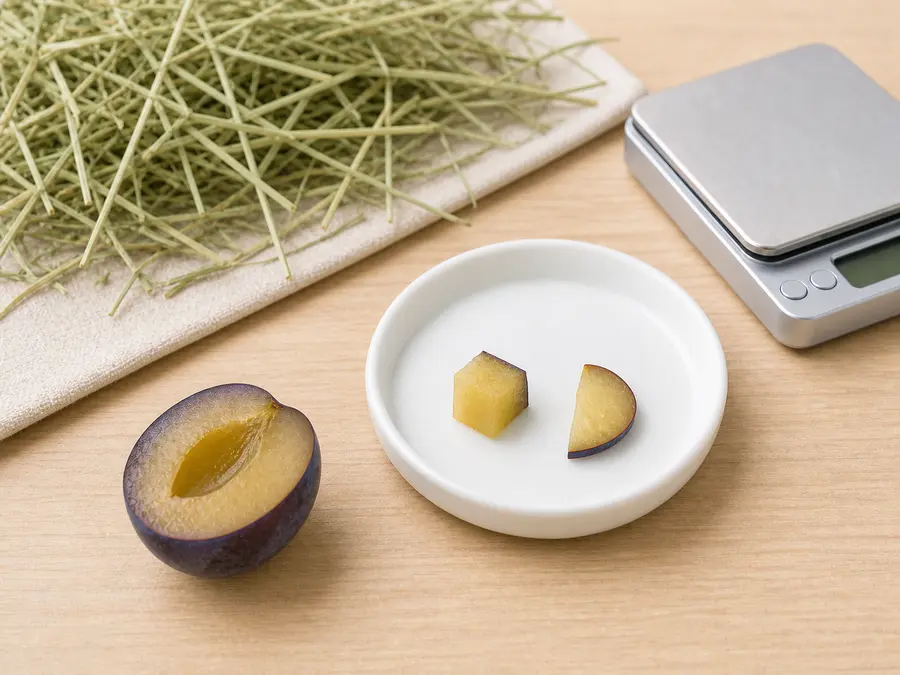
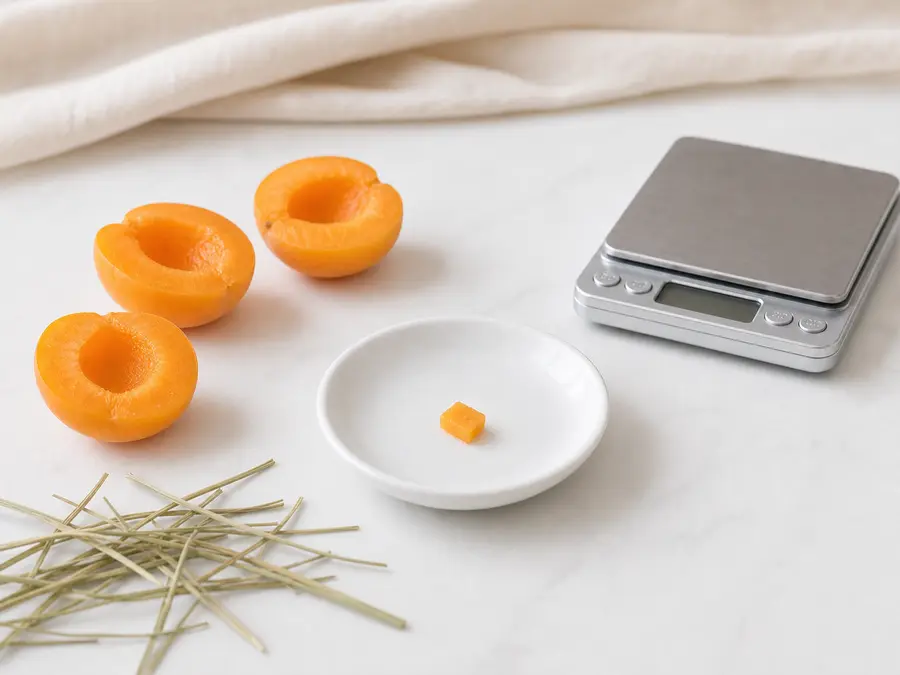
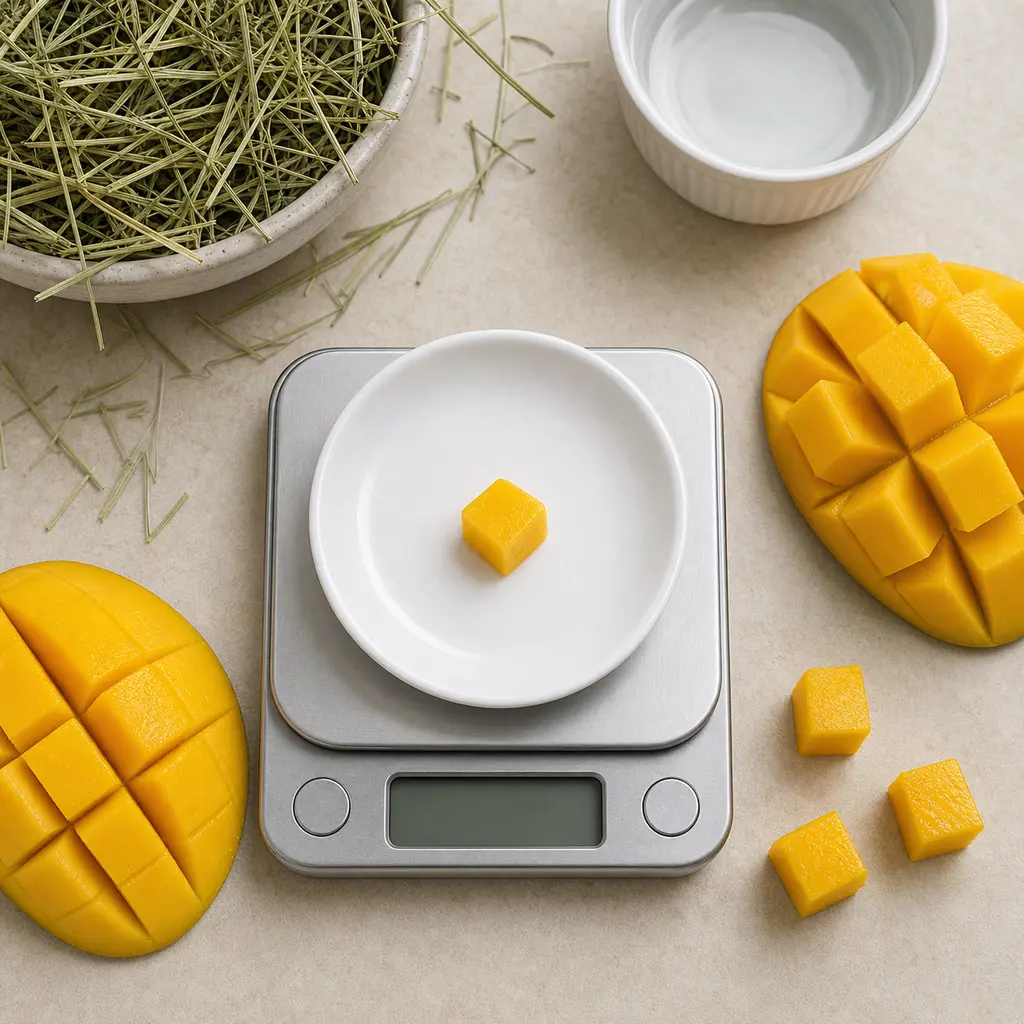
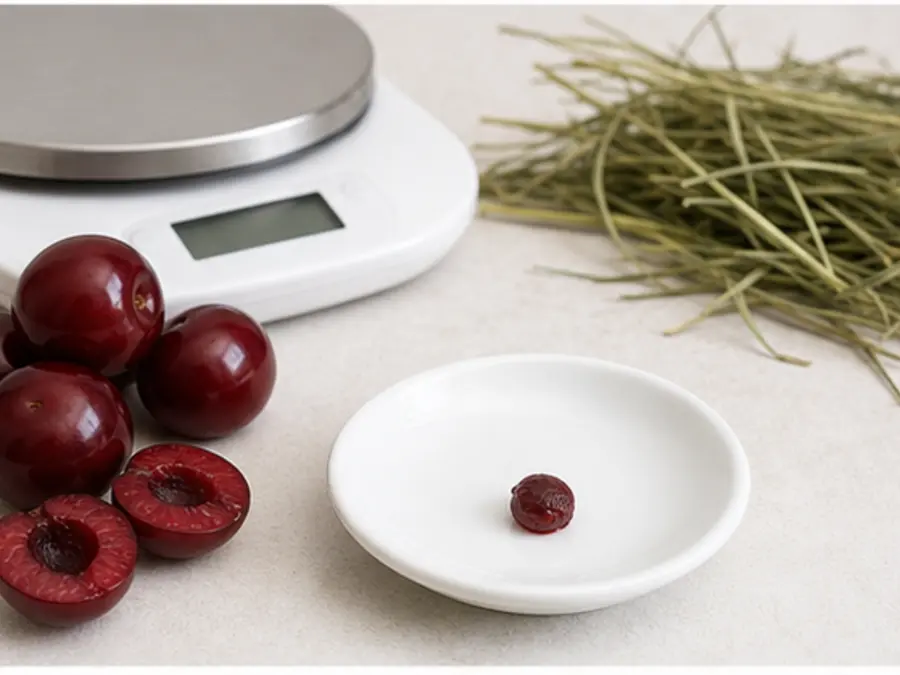
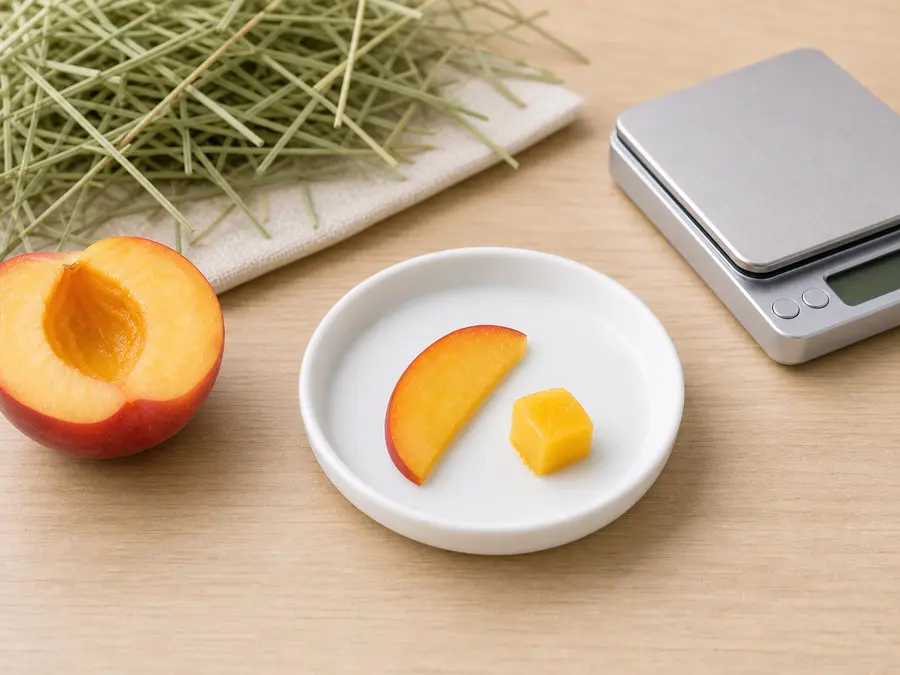
Plain nectarine flesh can be a tiny rare fruit treat for some healthy small mammals. Remove the pit completely first. Keep the piece small, plain, and fresh; skip dried or sweetened nectarine foods.
 Nectarine
Guinea pigs
Tiny pitted piece
A healthy guinea pig may have a tiny pitted nectarine piece rarely, but hay and vitamin C foods stay central.
Syrian and dwarf hamsters
Crumb-size piece
A hamster may have a crumb-size nectarine piece rarely. Dwarf hamsters are usually better skipping sugary fruit.
Rats
Tiny pitted piece
A rat may have a tiny pitted nectarine piece rarely if the staple diet and stool stay steady.
Mice
Very tiny piece
A mouse needs only a very tiny nectarine piece. Remove leftovers before they get hidden or guarded.
Gerbils
Tiny rare piece
A gerbil may have a tiny nectarine piece rarely, but wet fruit should stay limited.
Chinchillas
Skip nectarine
Do not feed nectarine to chinchillas. The sugar and moisture are a poor fit for routine feeding.
Ferrets
Do not feed
Do not feed nectarine to ferrets. Ferrets need meat-based food, not fruit.
Same limits as peach
Nectarine has the same fruit-treat limits as peach: pit out, tiny flesh piece, and no sweetened products.
Pit exposure changes the answer
If the pit was chewed or swallowed, stop treating this like a snack question and call with the details.
Pit out, piece tiny
- Wash the nectarine and remove the pit completely before cutting a treat piece.
- Use one tiny plain flesh cube or slice; peel only if the surface is hard to clean.
- Throw away the pit and remove wet leftovers before they sour or get hidden.
Avoid
- Nectarine pits, cracked pits, stems, leaves, dried nectarine, canned fruit, syrup, desserts, sugar, moldy fruit, and large wet pieces.
- Letting any animal chew the pit or drag nectarine pieces into bedding.
- Fruit when appetite, stool, droppings, bloating, or energy are already abnormal.
Watch
- Soft stool, bloating, reduced appetite, fewer droppings, hidden nectarine, mouth irritation, choking signs, or quietness after fruit.
- Call an exotic-pet veterinarian or poison hotline if a pit or pit fragment was chewed or swallowed, or if appetite or droppings change.
Portion
Guinea pigs or rats: one tiny slice or cube rarely. Hamsters, mice, or gerbils: a crumb-size piece. Chinchillas and ferrets: none.
Helpful food-safety supplies
Optional tools for measuring, storing, serving, and cleaning up small portions safely.
Affiliate links: Furball Cove may earn from qualifying purchases at no extra cost to you.