Updated
Small mammal food safety
Can Small Mammals Eat Pomegranate?
Tiny aril only
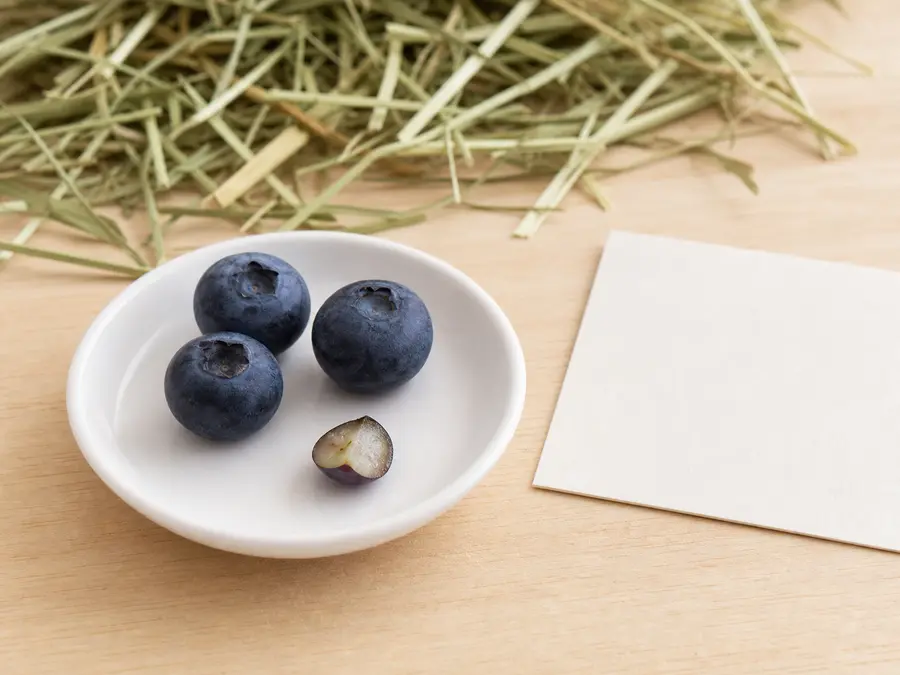
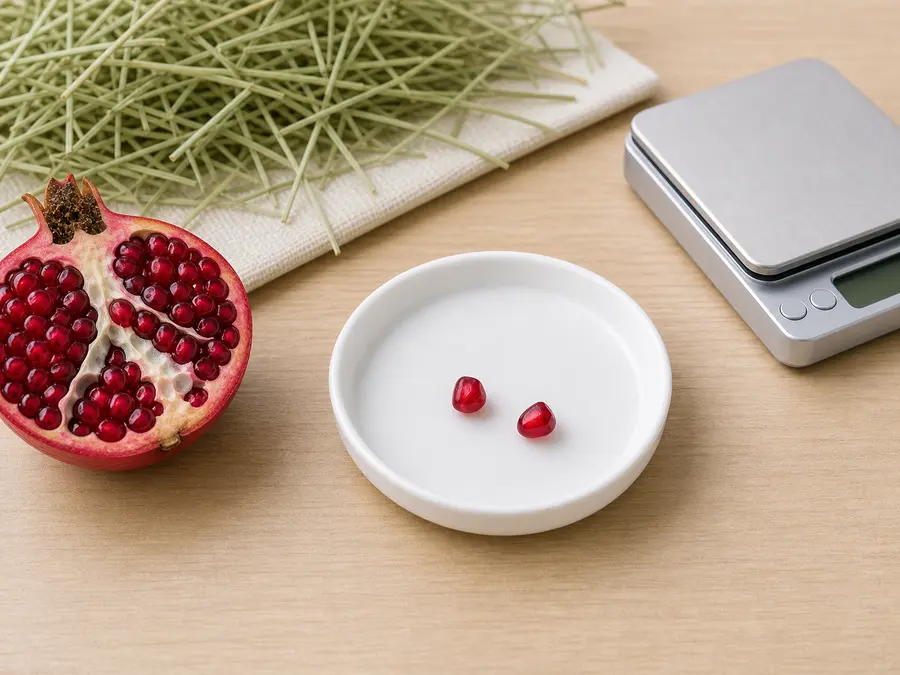
Plain pomegranate arils can be a tiny rare fruit treat for a few healthy small mammals, but the hard seed center, sugar, and staining make this easy to skip. Keep rind, pith, juice, and sweetened products out.
 Pomegranate
Guinea pigs
One or two arils
A healthy guinea pig may have one or two pomegranate arils rarely, but hay and vitamin C foods stay central.
Syrian and dwarf hamsters
One tiny aril or skip
A hamster is usually better skipping pomegranate. If offered, use one tiny aril and check the hoard.
Rats
One or two arils
A rat may have one or two arils rarely if the staple diet and stool stay steady.
Mice
Skip or tiny aril
A mouse is usually better skipping pomegranate because the useful portion is so small.
Gerbils
Skip or tiny aril
A gerbil is usually better skipping pomegranate; sticky wet arils should not sit in bedding.
Chinchillas
Skip pomegranate
Do not feed pomegranate to chinchillas. The sugar and moisture are a poor fit.
Ferrets
Do not feed
Do not feed pomegranate to ferrets. Ferrets need meat-based food, not fruit.
Aril, not rind
The only part to consider is a tiny fresh aril. Rind, pith, juice, syrup, and dried products should stay out.
Hard seed center
Each aril has a small firm seed. That makes portion size and supervision more important for tiny animals.
Arils only
- Use fresh arils only and keep rind, white pith, membranes, and juice away.
- Offer one or two arils at most for larger allowed animals; tiny animals need less or none.
- Remove sticky red leftovers before they stain bedding or get hidden.
Avoid
- Pomegranate rind, white pith, membranes, juice, syrup, molasses, dried arils, desserts, sugar, moldy fruit, and handfuls of arils.
- Pomegranate for chinchillas or ferrets.
- Fruit when appetite, stool, droppings, bloating, mouth comfort, or energy are already abnormal.
Watch
- Soft stool, staining, choking or chewing trouble, bloating, reduced appetite, fewer droppings, hidden arils, or quietness after fruit.
- Call an exotic-pet veterinarian promptly if a tiny animal, guinea pig, chinchilla, weak animal, or animal with abnormal signs seems unwell.
Portion
Guinea pigs or rats: one or two arils rarely. Hamsters, mice, or gerbils: one tiny aril or skip. Chinchillas and ferrets: none.
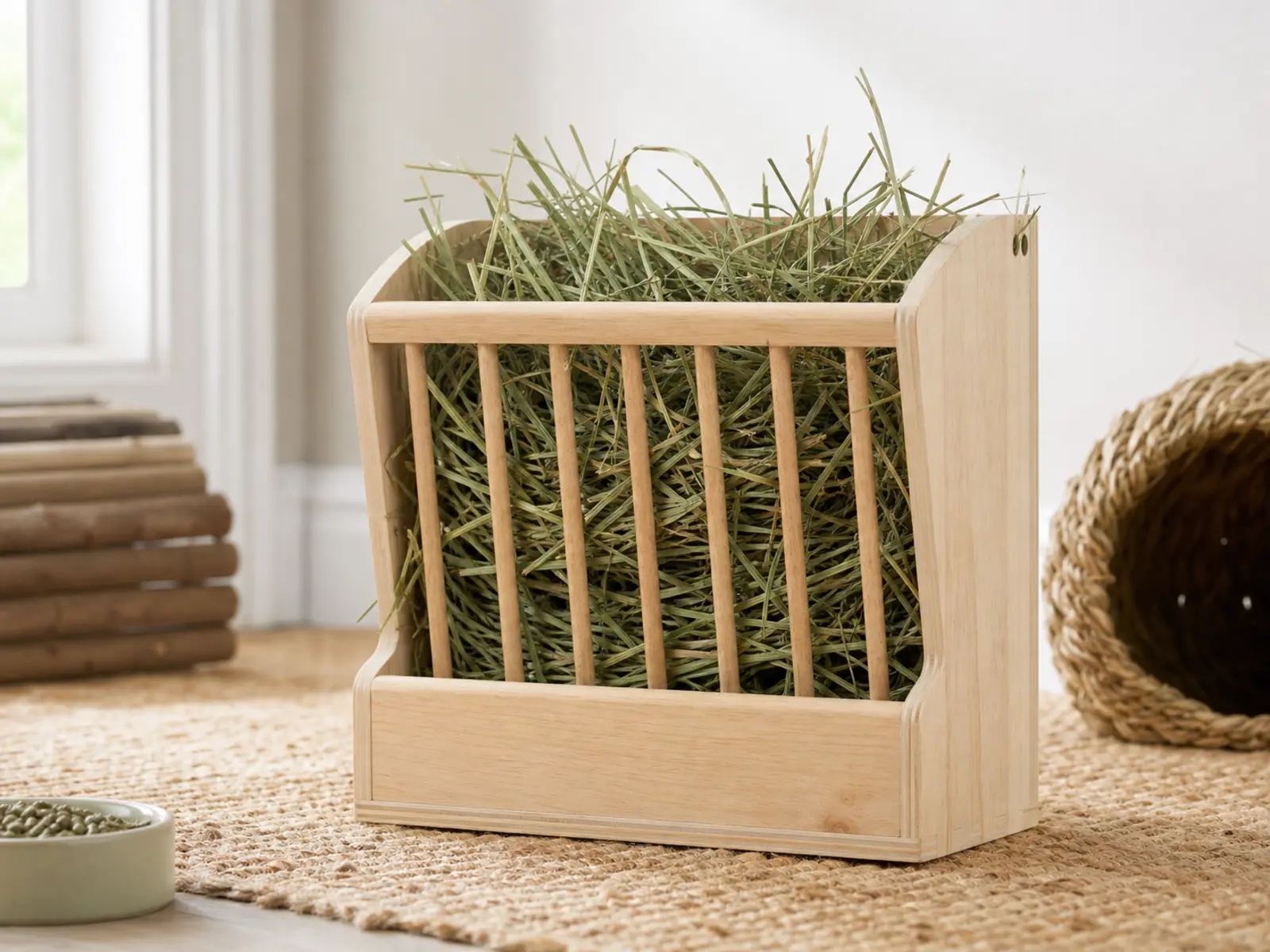
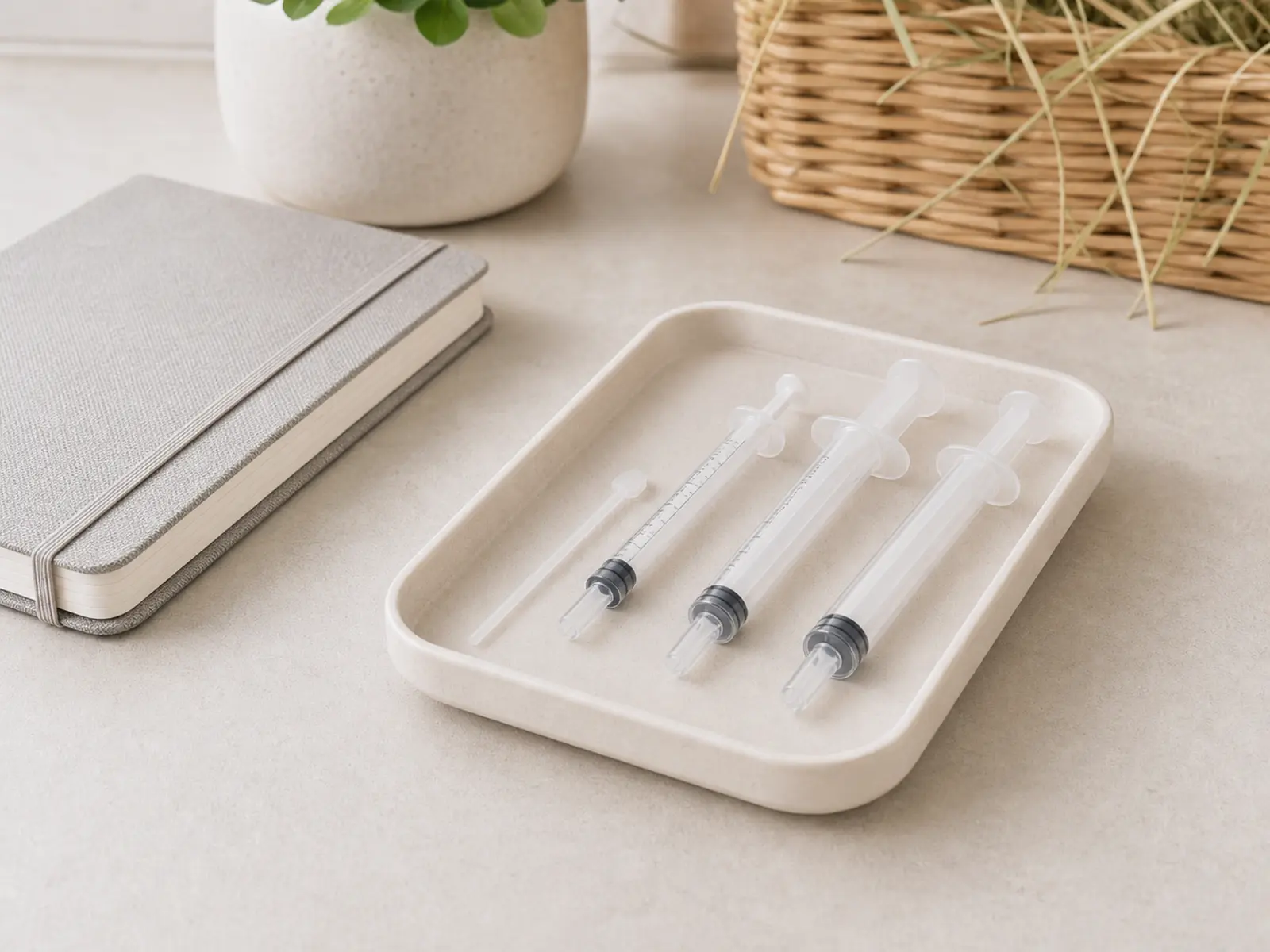
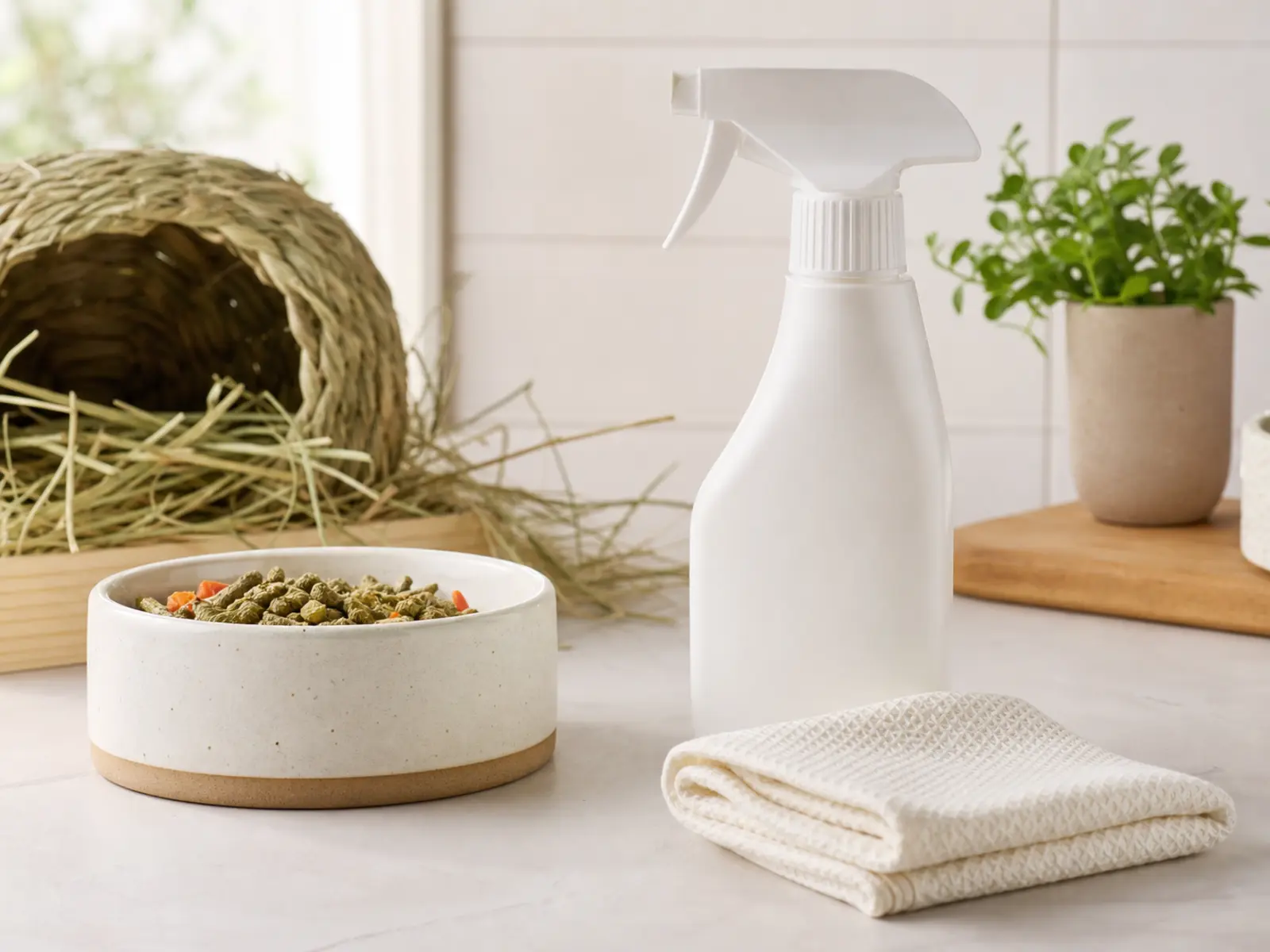
Helpful food-safety supplies
Optional tools for measuring, storing, serving, and cleaning up small portions safely.
Affiliate links: Furball Cove may earn from qualifying purchases at no extra cost to you.