Updated
Small mammal food safety
Can Small Mammals Eat Potato Peel?
Avoid
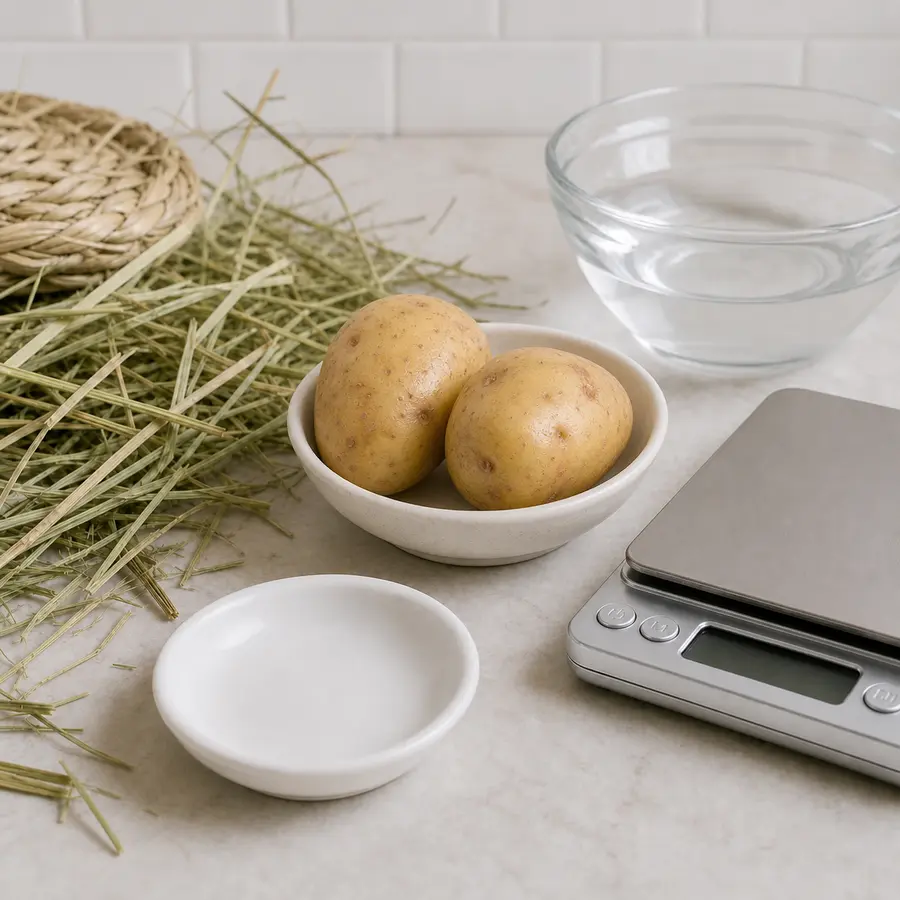
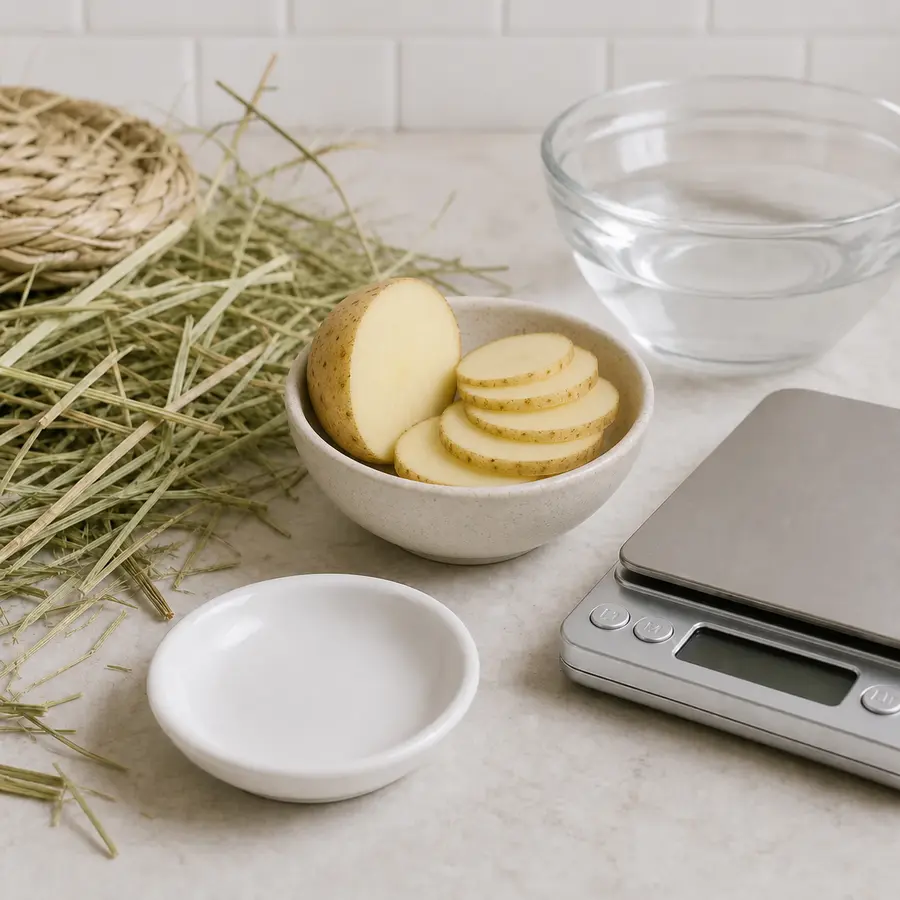
No. Potato peel is not small-mammal food. Raw peel, green skin, dirt, pesticide residue, sprouts, and starchy kitchen scraps make it a poor choice.
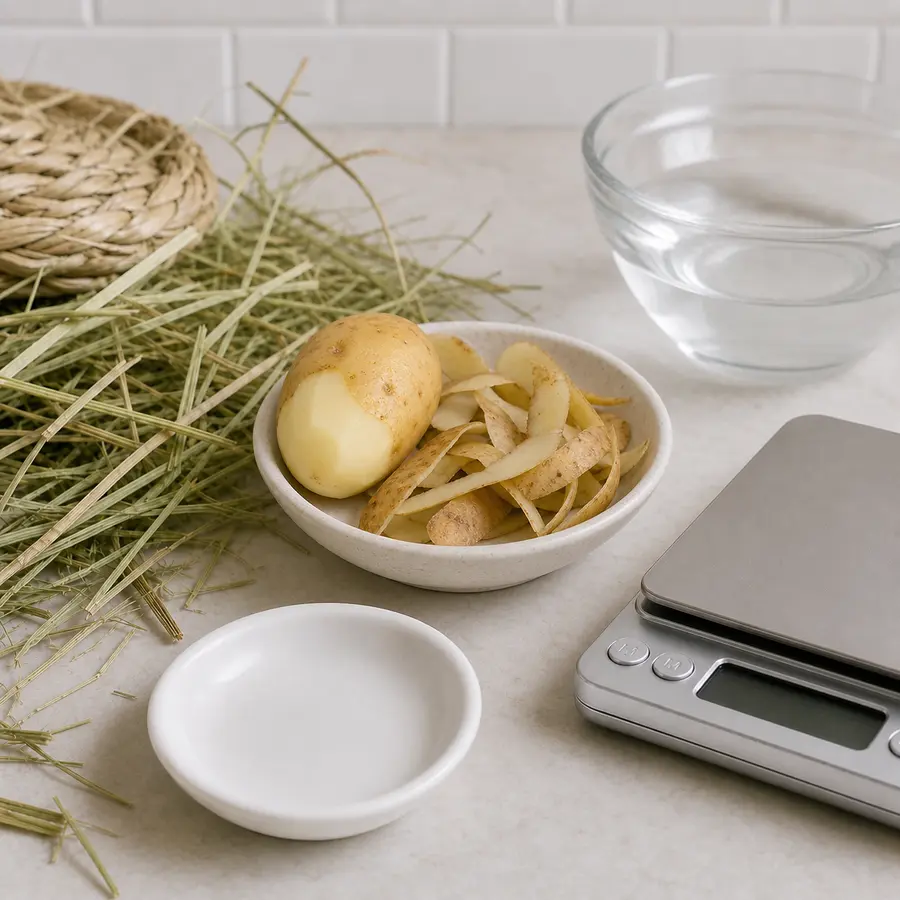 Potato peel
Guinea pigs
Do not feed
Do not feed potato peel to guinea pigs. Use hay, vitamin C foods, pellets, water, and safer fresh foods.
Syrian and dwarf hamsters
Skip peel
Skip potato peel for hamsters. Peels can be hoarded, dirty, green, or spoiled.
Rats
Skip peel
Skip potato peel for rats. Balanced rat food and safer measured extras are better choices.
Mice
Skip peel
Skip potato peel for mice. A tiny peel strip can still be a large poor-fit scrap.
Gerbils
Skip peel
Skip potato peel for gerbils. Keep the diet dry and species-appropriate.
Chinchillas
Do not feed
Do not feed potato peel to chinchillas. It is far outside a hay-centered diet.
Ferrets
Do not feed
Do not feed potato peel to ferrets. Ferrets need meat-based food, not starchy peel.
Peel is still potato
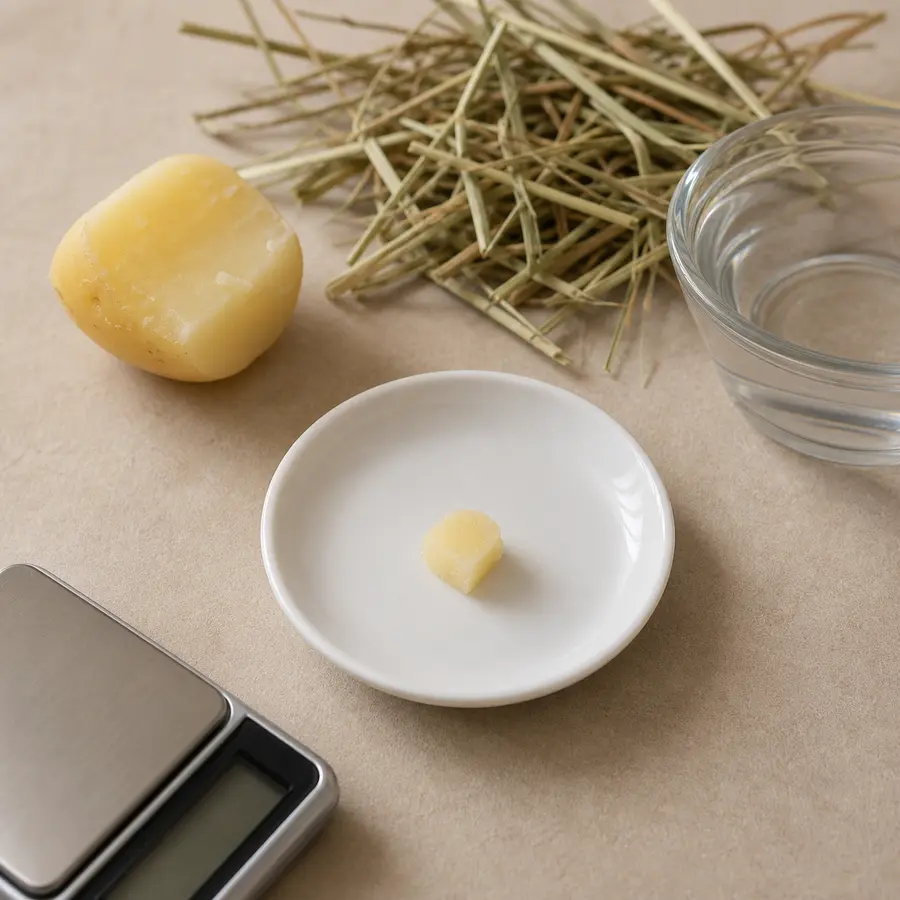
The peel does not become a safe chew because it is thin. It brings the same starch concerns plus surface residue, dirt, green skin, and sprouts.
Green or sprouted peel matters
Green skin, sprouts, leaves, and old potatoes raise the concern. Save the amount and timing if exposure happened.
Remove the peel
- Remove potato peels, green skin, sprouts, potato eyes, dropped scraps, wrappers, and hidden pieces from bowls, bedding, and play areas.
- Check whether the peel was raw, green, sprouted, moldy, dirty, pesticide-suspect, seasoned, oily, or eaten in a large amount.
- Return to the normal diet and offer plain water.
Avoid
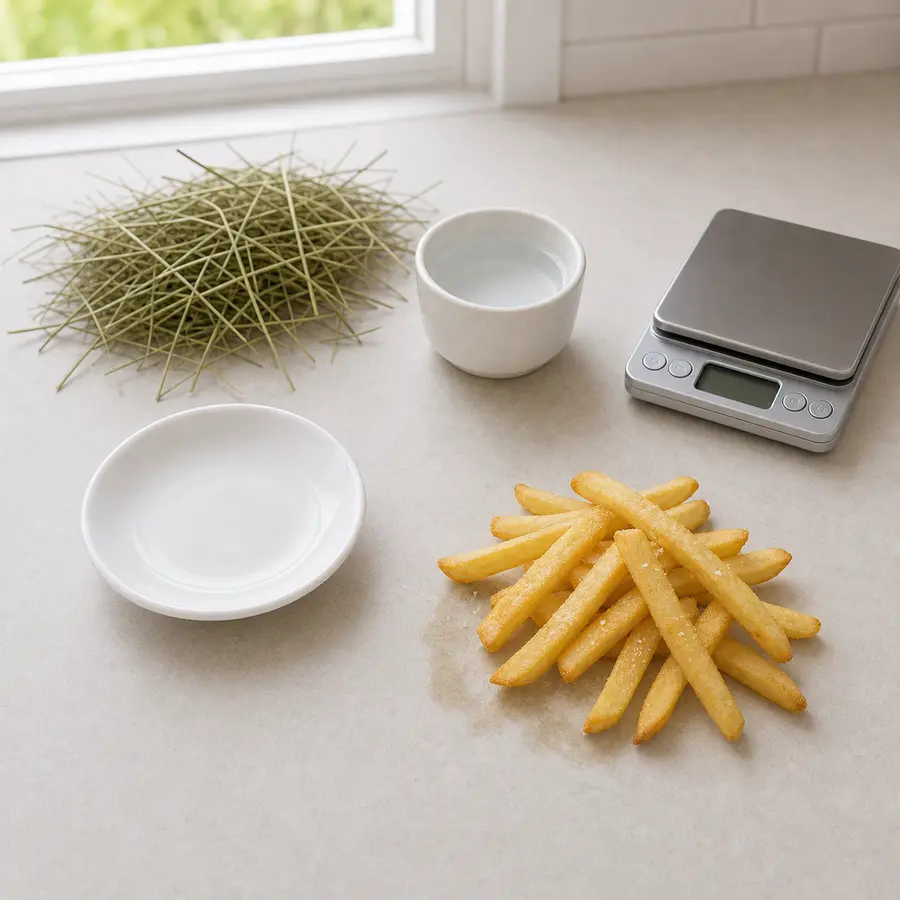
- Raw potato peel, green peel, sprouts, eyes, leaves, stems, dirty peel, moldy peel, salted skins, fried skins, buttered skins, cheesy skins, and kitchen scrap piles.
- Potato peel for guinea pigs, chinchillas, ferrets, tiny rodents, or animals with appetite, stool, weight, dental, urinary, or digestive concerns.
- Using peel as a chew because it is fibrous or available during cooking.
Watch
- Reduced appetite, fewer droppings, soft stool, diarrhea, bloating, straining, drooling, thirst changes, quietness, or unusual posture.
- Contact an exotic-pet veterinarian promptly for green peel, sprouts, leaves, a large amount, a tiny or weak animal, or any abnormal signs.
Helpful food-safety supplies
Optional tools for measuring, storing, serving, and cleaning up small portions safely.
Affiliate links: Furball Cove may earn from qualifying purchases at no extra cost to you.
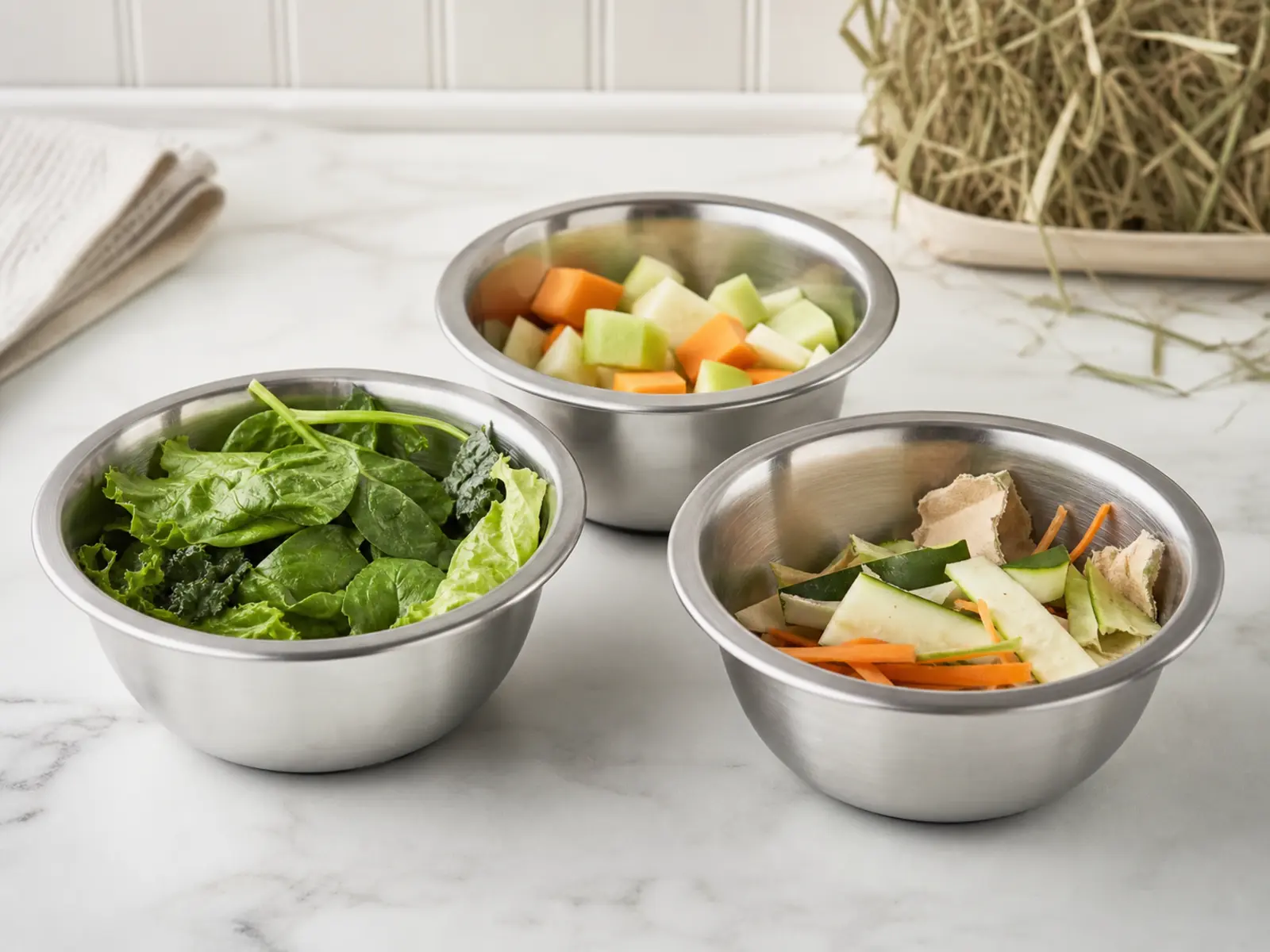
Prep bowls
Separate washed produce, safe pieces, and discard parts before anything reaches the habitat.
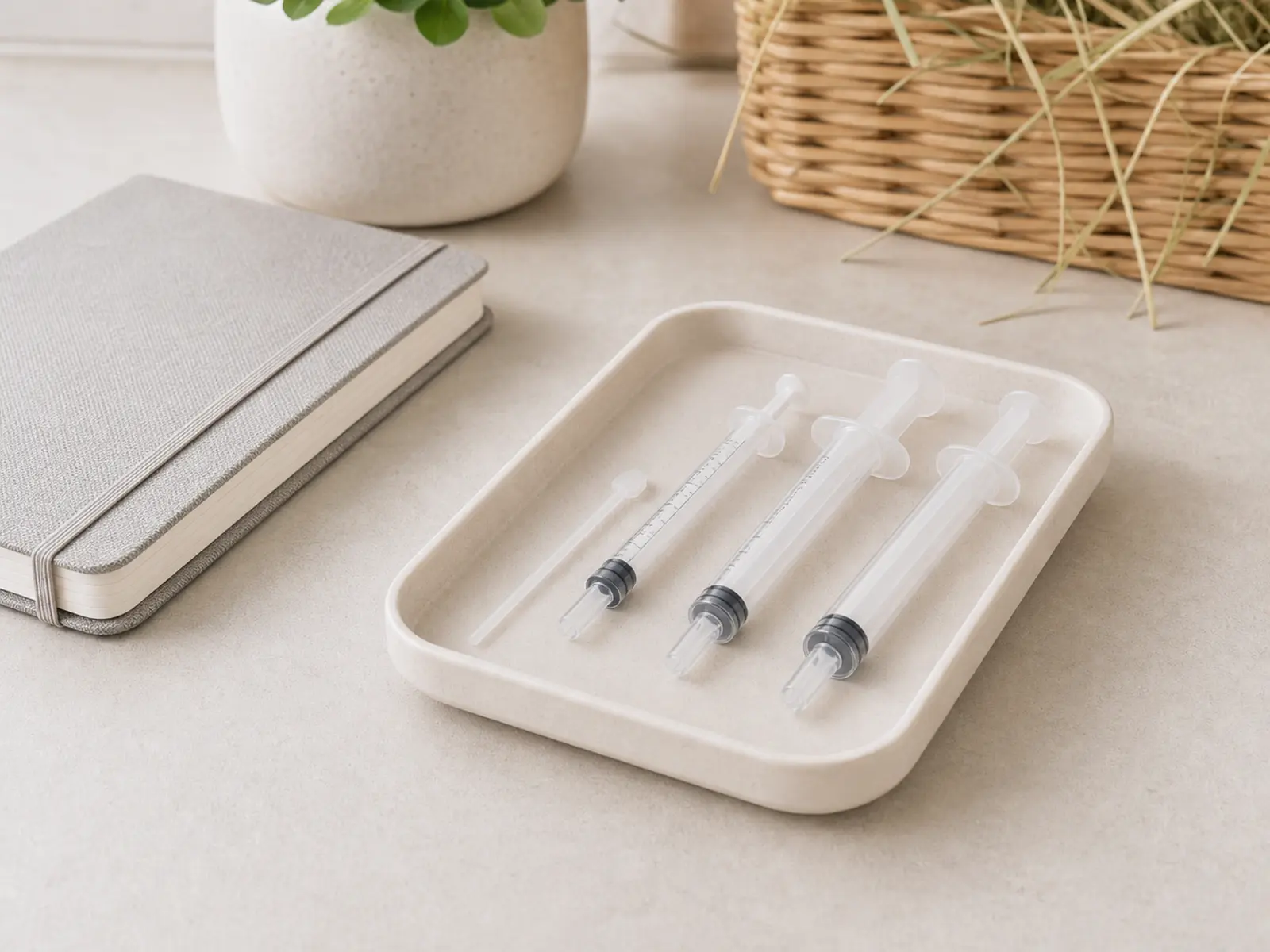
Oral syringe set
Keep vet-directed feeding and medication tools separate from routine treat supplies.
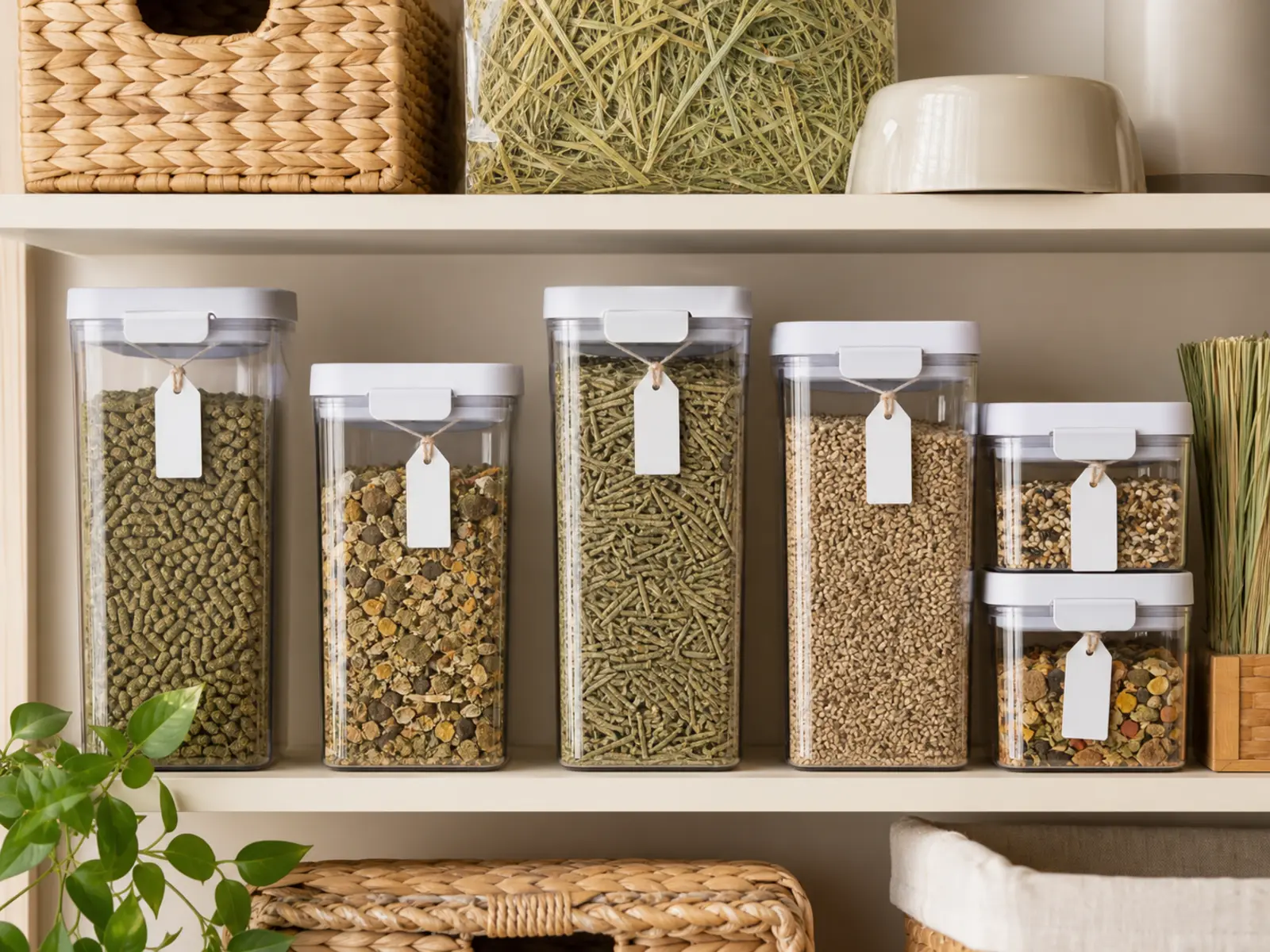
Airtight containers
Keep pellets, grains, and dry extras sealed, labeled, and away from moisture.