Updated
Small mammal food safety
Can Small Mammals Eat Chips?
Avoid
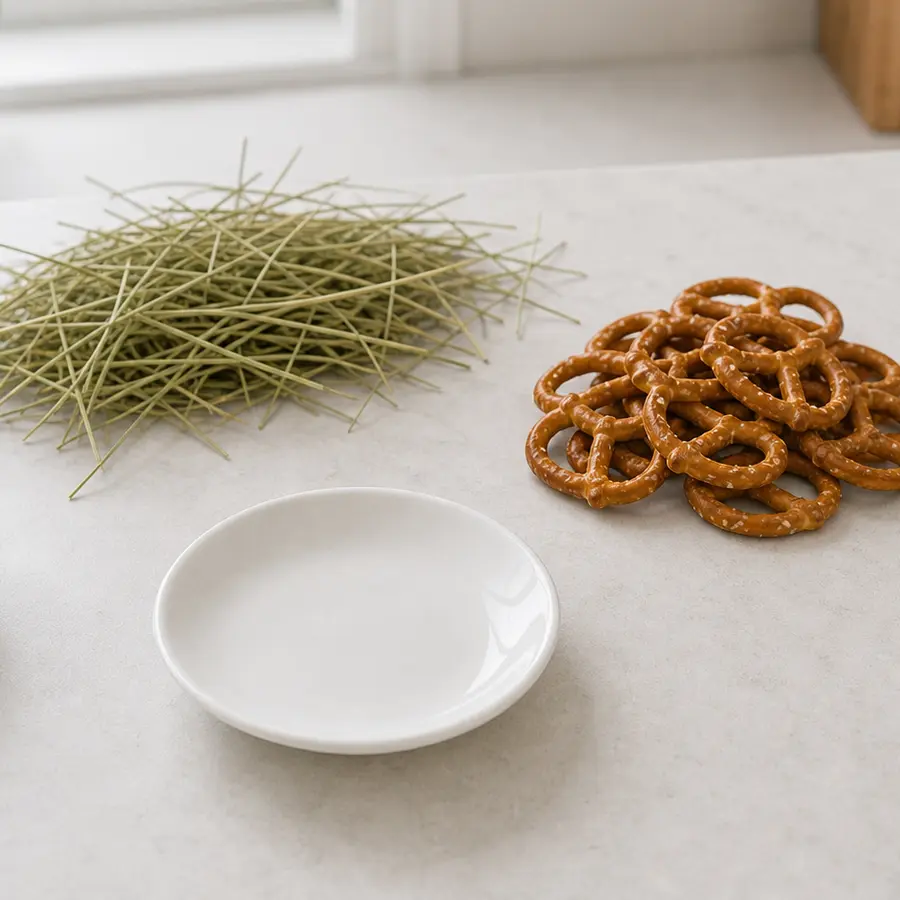
No. Do not feed chips to small mammals. Salt, oil, seasoning, sharp pieces, and snack begging add risk without improving the diet.
 Chips
ChipsGuinea pigs
Skip chips
Do not feed chips to guinea pigs. Hay, vitamin C foods, fresh water, and guinea-pig pellets matter more.
Syrian and dwarf hamsters
Skip chips
Do not use chips as hamster treats. Salt, oil, and flavoring are poor fits.
Rats
Skip chips
Do not use chips as rat treats. Balanced rat food and controlled fresh foods are better choices.
Mice
Skip chips
Do not feed chips to mice. At mouse size, salty processed food is too easy to overdo.
Gerbils
Skip chips
Do not feed chips to gerbils. Keep the diet dry, balanced, and species-appropriate.
Chinchillas
Skip chips
Do not feed chips to chinchillas. Processed salty snacks are a poor fit for hay-centered digestion.
Ferrets
Do not feed
Do not feed chips to ferrets. Ferrets need meat-based food, not salty starch snacks.
Snack food is not a treat plan
Chips are built for people: salt, oil, crunch, flavoring, and easy overfeeding. None of that helps a small mammal.
Check the flavor
Onion, garlic, cheese, spicy coatings, barbecue seasoning, and heavy salt make a stolen chip more concerning.
Remove the snack
- Remove chips, crumbs, oily residue, and bags from the habitat or play area.
- Check whether the chips were salted, flavored, spicy, onion, garlic, cheese, or barbecue style.
- Return to the animal's normal food and watch the next normal meal and droppings.
Avoid
- Potato chips, tortilla chips, corn chips, puffed snacks, cheese chips, spicy chips, flavored chips, salted crumbs, oily hands, and snack bags.
- Offering a smaller piece because the animal begged or grabbed one.
- Using chips as training food, bonding food, or a replacement for the correct staple.
Watch
- Reduced appetite, fewer droppings, soft stool, diarrhea, thirst changes, bloating, quietness, or unusual posture after salty processed food.
- Call an exotic-pet veterinarian promptly for a tiny, weak, guinea pig, chinchilla, or animal that ate a lot or seems abnormal.
Helpful food-safety supplies
Optional tools for measuring, storing, serving, and cleaning up small portions safely.
Affiliate links: Furball Cove may earn from qualifying purchases at no extra cost to you.