Updated
Small mammal food safety
Can Small Mammals Eat Unknown Seeds?
Avoid
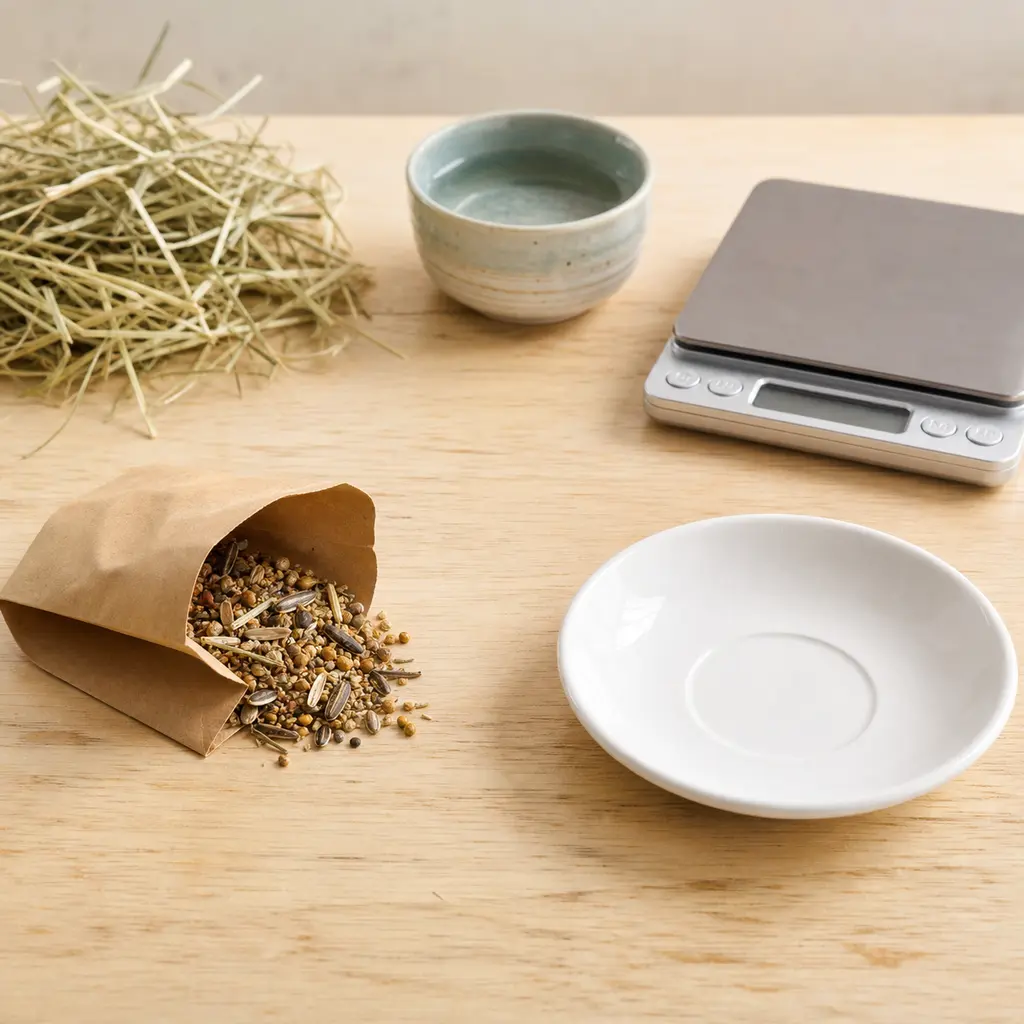
No. Do not feed unknown seeds. If you cannot identify the seed and confirm it is safe for that species, remove it and keep the normal diet steady.
 Unknown seeds
Guinea pigs
Do not feed
Do not feed unknown seeds to guinea pigs. Use grass hay, vitamin C foods, guinea-pig pellets, and fresh water.
Syrian and dwarf hamsters
Do not feed
Do not feed unknown seeds to hamsters. Use a hamster-appropriate staple and known safe extras only.
Rats
Do not feed
Do not feed unknown seeds to rats. Identify the seed before deciding whether it belongs in the diet.
Mice
Do not feed
Do not feed unknown seeds to mice. A tiny animal has little margin for mystery foods.
Gerbils
Do not feed
Do not feed unknown seeds to gerbils. Use a gerbil-appropriate staple and known safe dry extras only.
Chinchillas
Do not feed
Do not feed unknown seeds to chinchillas. Chinchillas need hay-centered food, not seed experiments.
Ferrets
Do not feed
Do not feed unknown seeds to ferrets. Ferrets need meat-based food, not seeds.
Identify before feeding
Unknown seeds can come from safe foods, toxic plants, treated garden products, wild weeds, spices, or stale mixes. Without an ID, there is no useful portion.
Save the evidence
A seed sample, package, plant photo, source location, amount missing, and time eaten help a veterinarian or poison hotline judge the risk faster.
Remove and identify
- Take the seeds out of bowls, bedding, hoards, play areas, and any storage container the animal can reach.
- Save the package, plant source, or a clear photo so the seed can be identified instead of guessed.
- Watch appetite, droppings or stool, breathing, movement, and energy after any possible swallowing.
Avoid
- Wild plant seeds, lawn or garden seeds, treated seed packets, bird mixes, fruit pits, spice seeds, moldy seeds, stale mixes, salted seeds, and coated seeds.
- Guessing from size, color, or the fact that another animal can eat it.
- Letting seed piles replace hay, species-formulated food, fresh water, or a needed exposure call.
Helpful food-safety supplies
Optional tools for measuring, storing, serving, and cleaning up small portions safely.
Affiliate links: Furball Cove may earn from qualifying purchases at no extra cost to you.