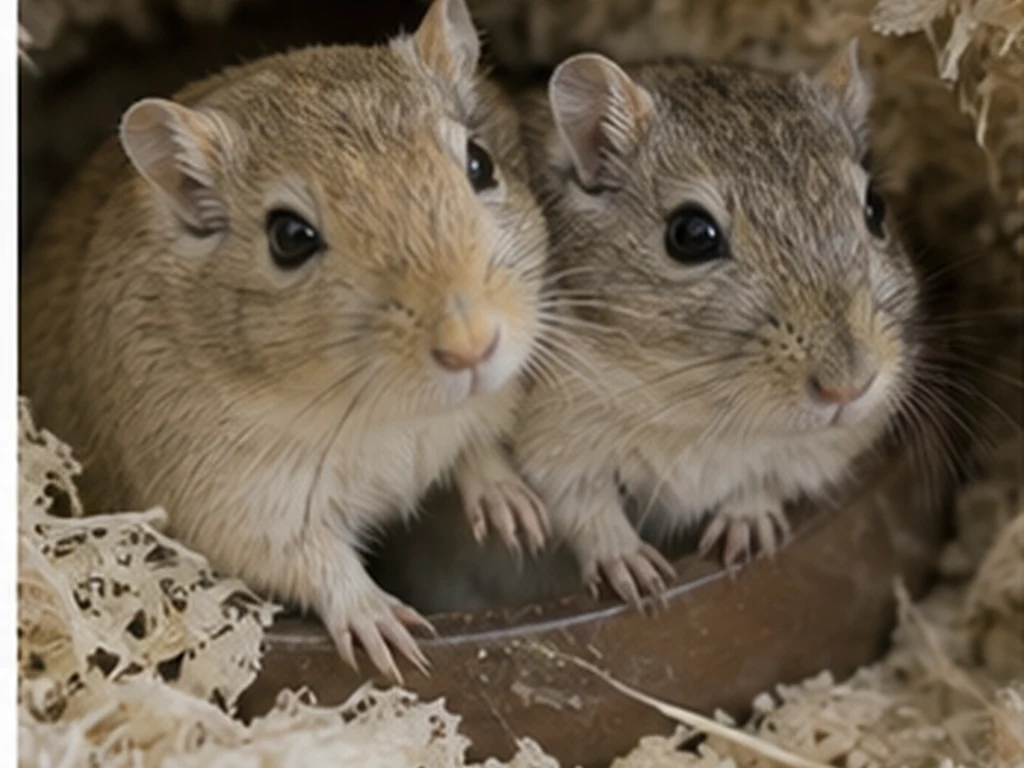
Use a gerbil-appropriate staple
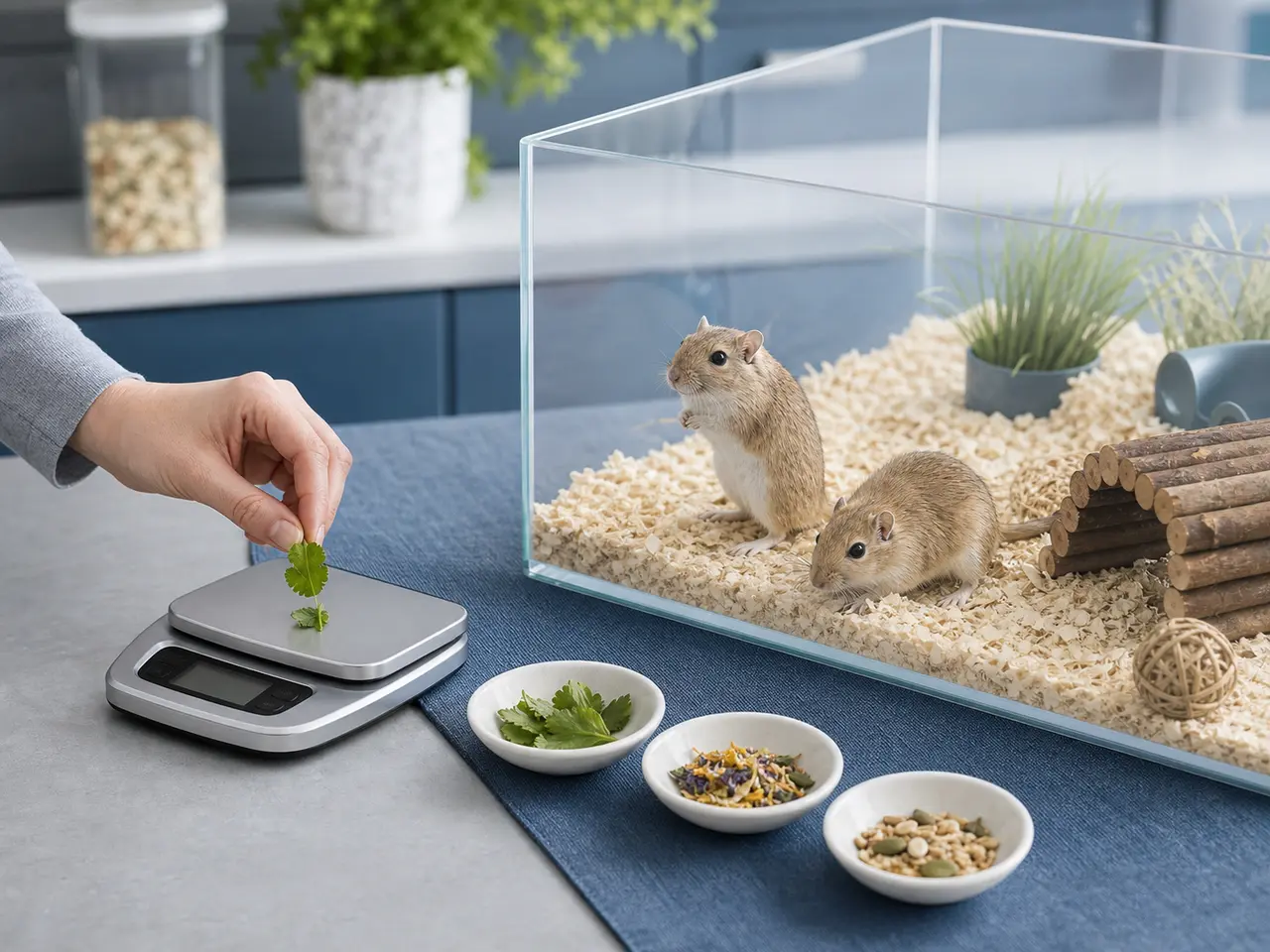
Start with food made for gerbils or appropriate small rodents. A colorful mix can become unbalanced if the gerbils only eat favorite seeds and leave the useful pieces behind.
Updated
Gerbil food
Gerbils need a gerbil-appropriate staple, controlled seed and grain extras, scatter feeding, clean water, and feeding access that works for stable companions.
The best food routine supports busy digging and chewing without turning the diet into only favorite seeds.
Start with food made for gerbils or appropriate small rodents. A colorful mix can become unbalanced if the gerbils only eat favorite seeds and leave the useful pieces behind.
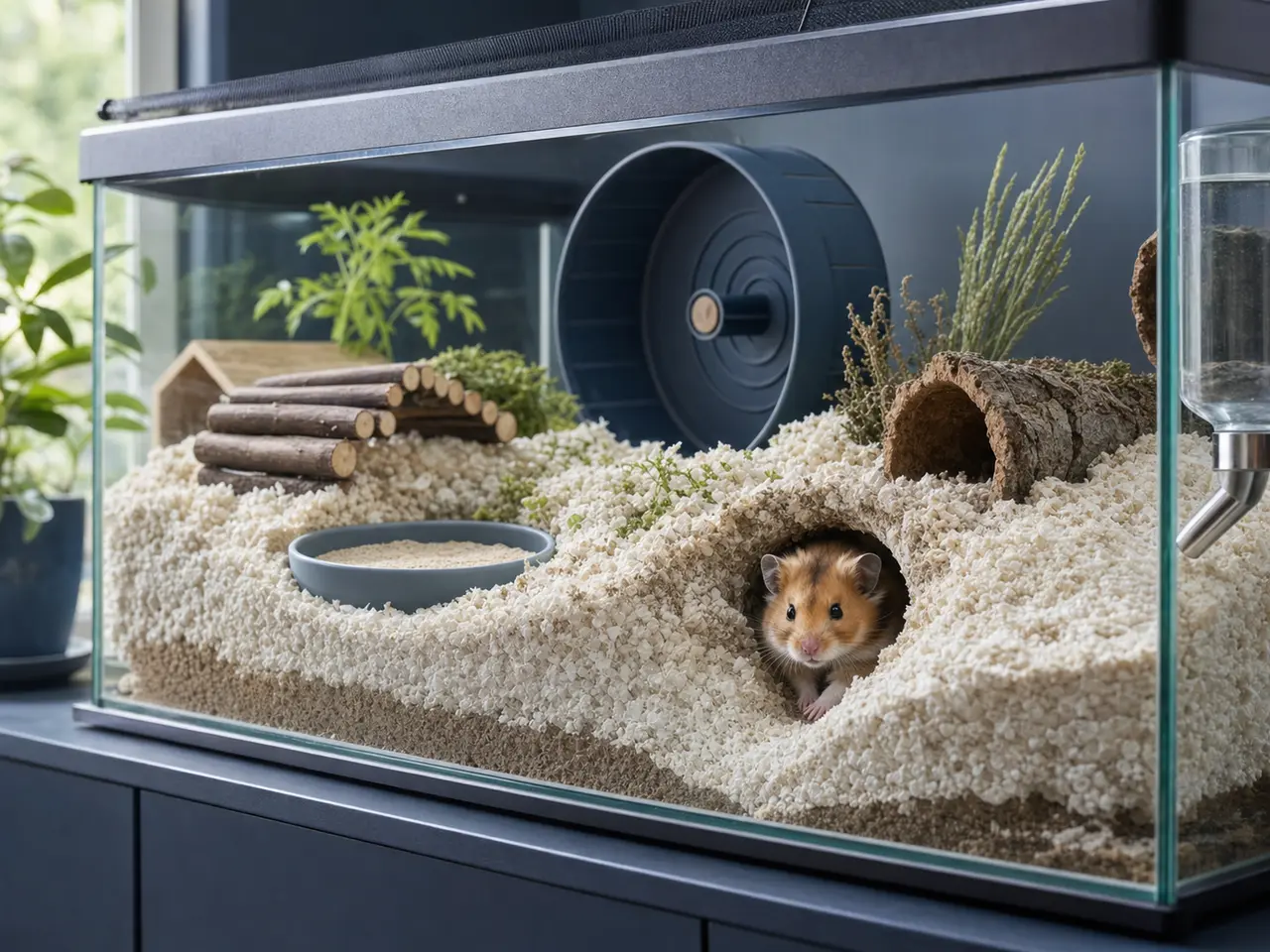
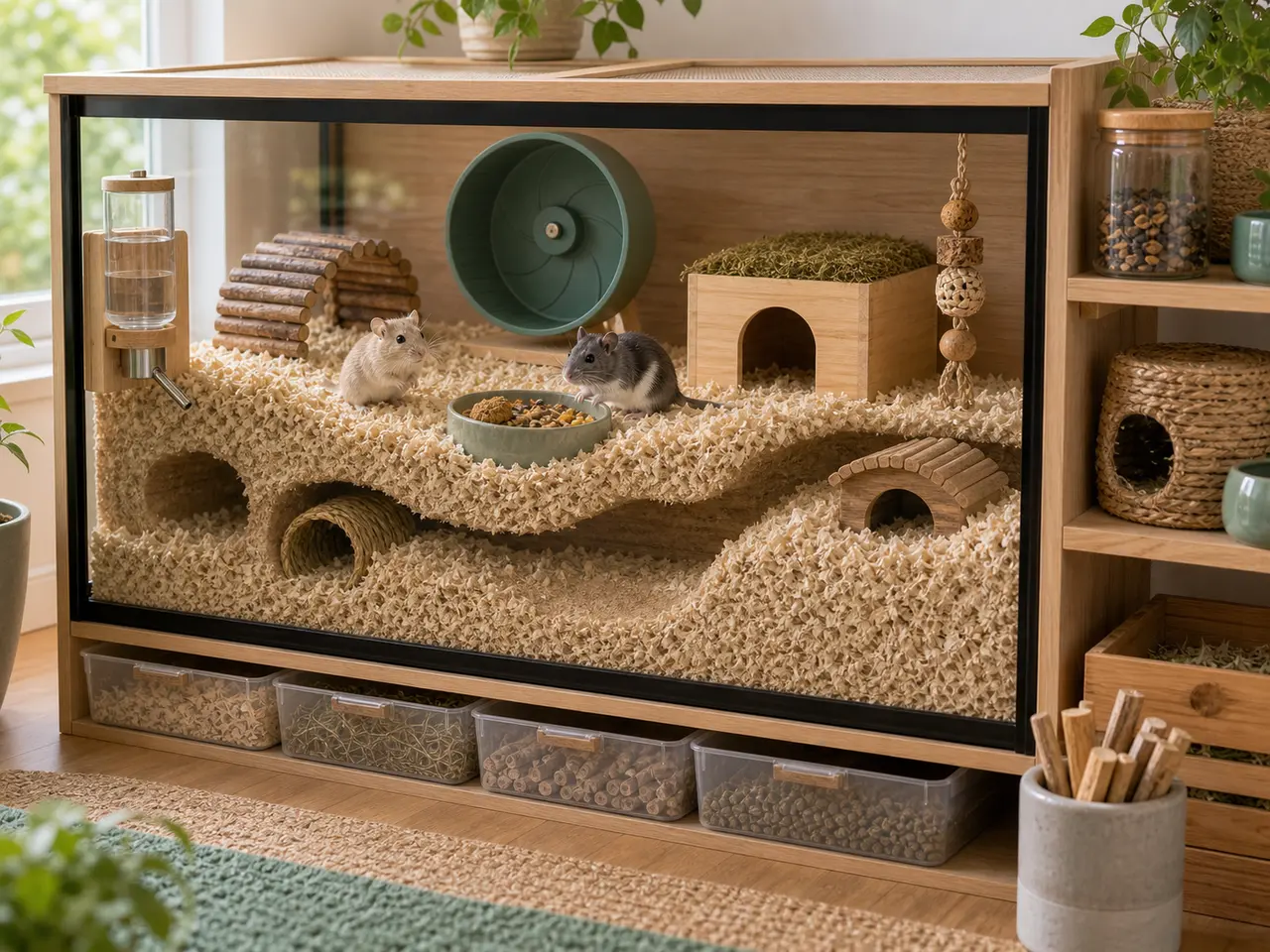
Scatter feeding works well for active diggers. Hide small portions through bedding, cardboard, and tunnels while still keeping enough visibility to notice appetite changes. Keep one easy-to-check feeding spot too, so buried food is not mistaken for food that was actually eaten.
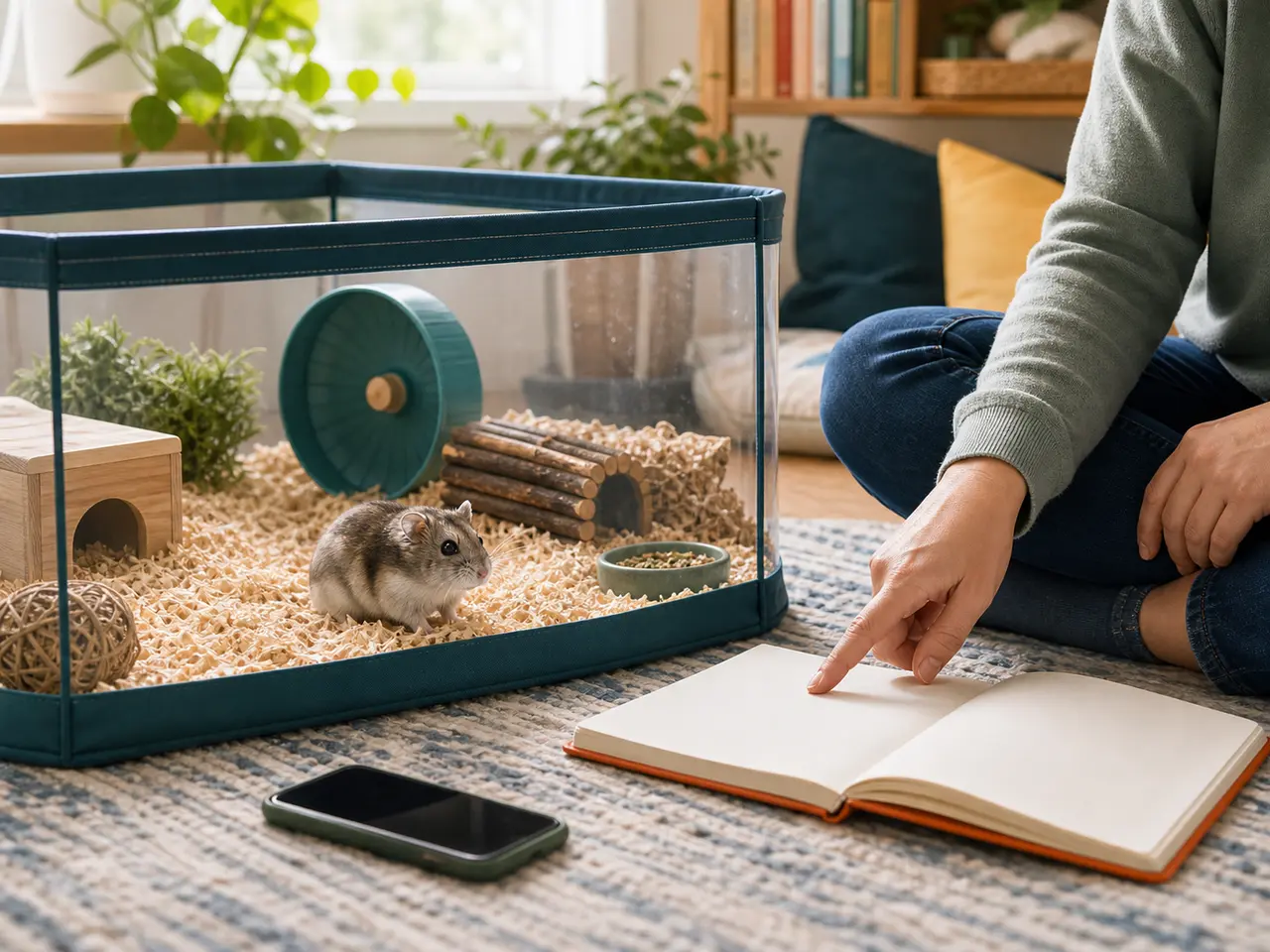
Seeds and grains can be useful, but they should not become the entire diet. Use high-value pieces for taming or enrichment, not as an unlimited bowl.
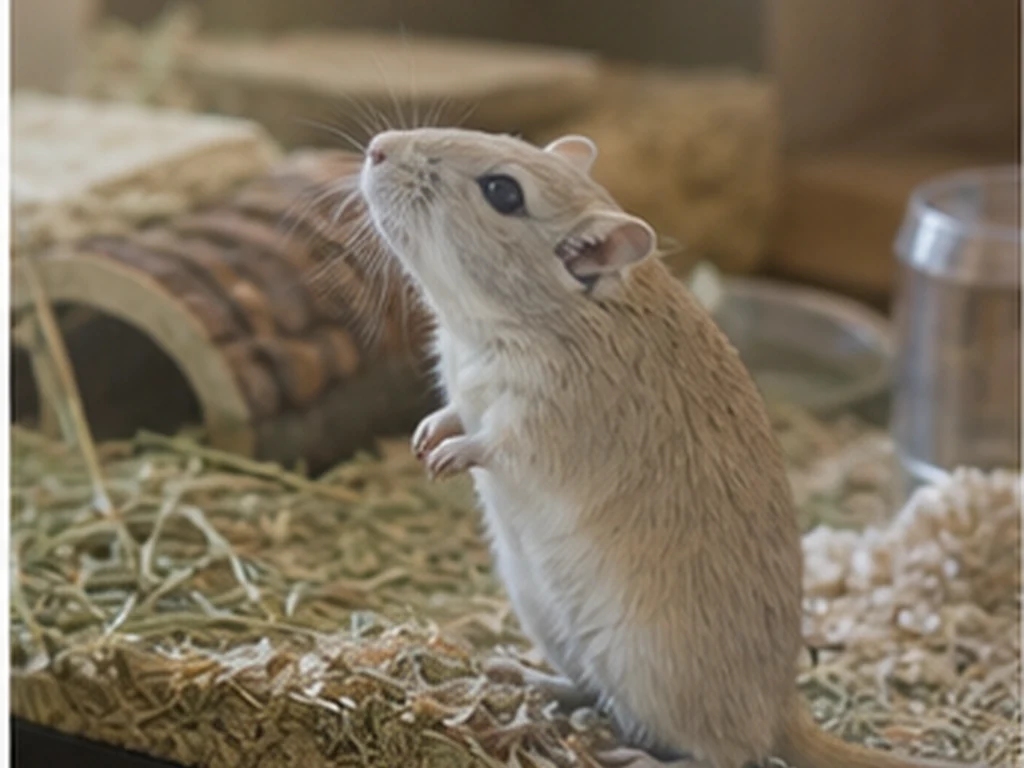
Gerbils often live with stable same-species companions, so watch whether both animals are eating. Food guarding, sudden fighting, or one gerbil looking thin can signal a bigger group problem.
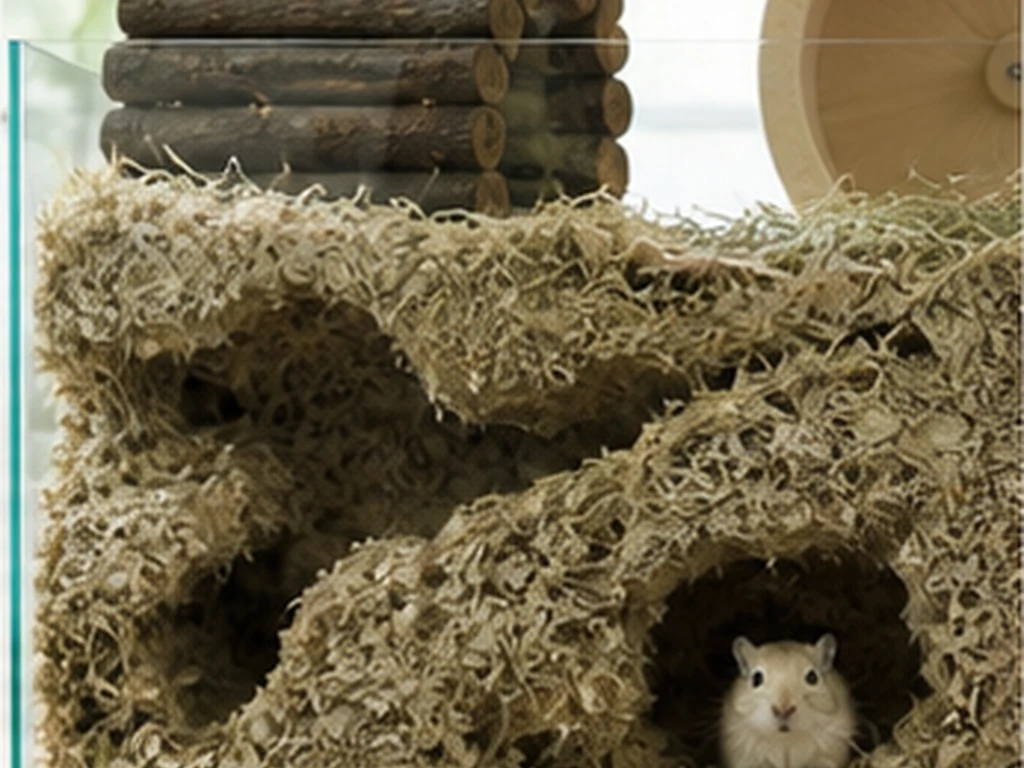
Chewing is normal, but food avoidance, weight loss, diarrhea, overgrown teeth signs, wounds, or a sudden change in drinking needs an exotic-pet veterinarian.
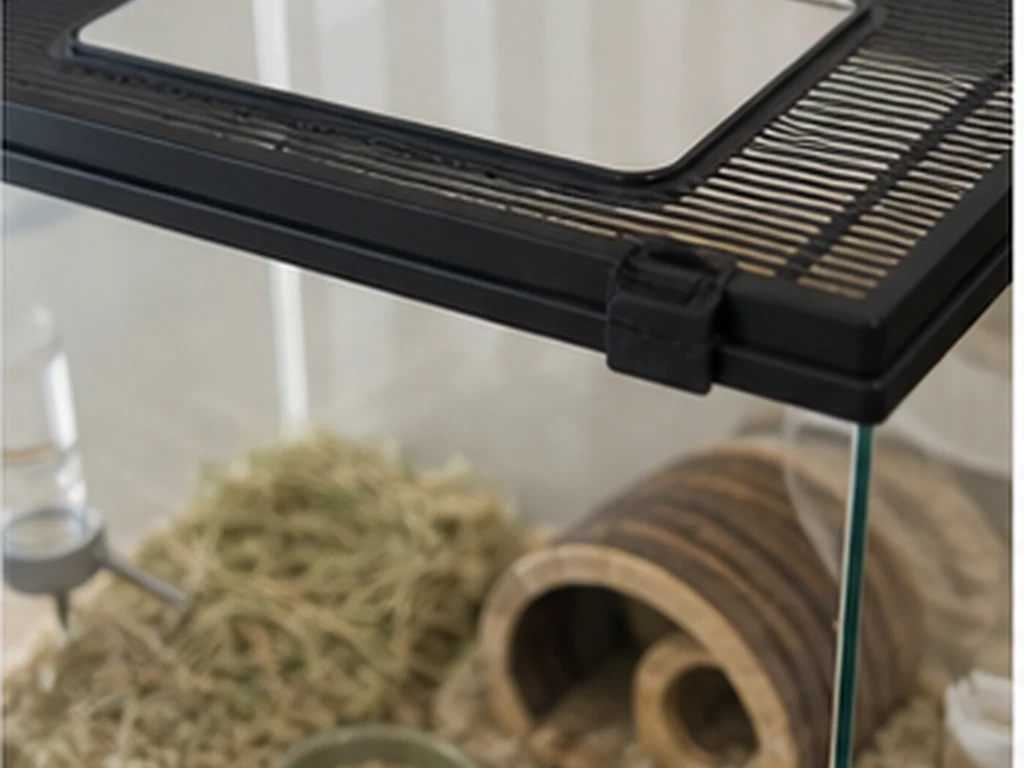
Use the food safety checker before seed-heavy treats or fresh pieces disappear into deep bedding. Keep the normal staple steady and test one change at a time.
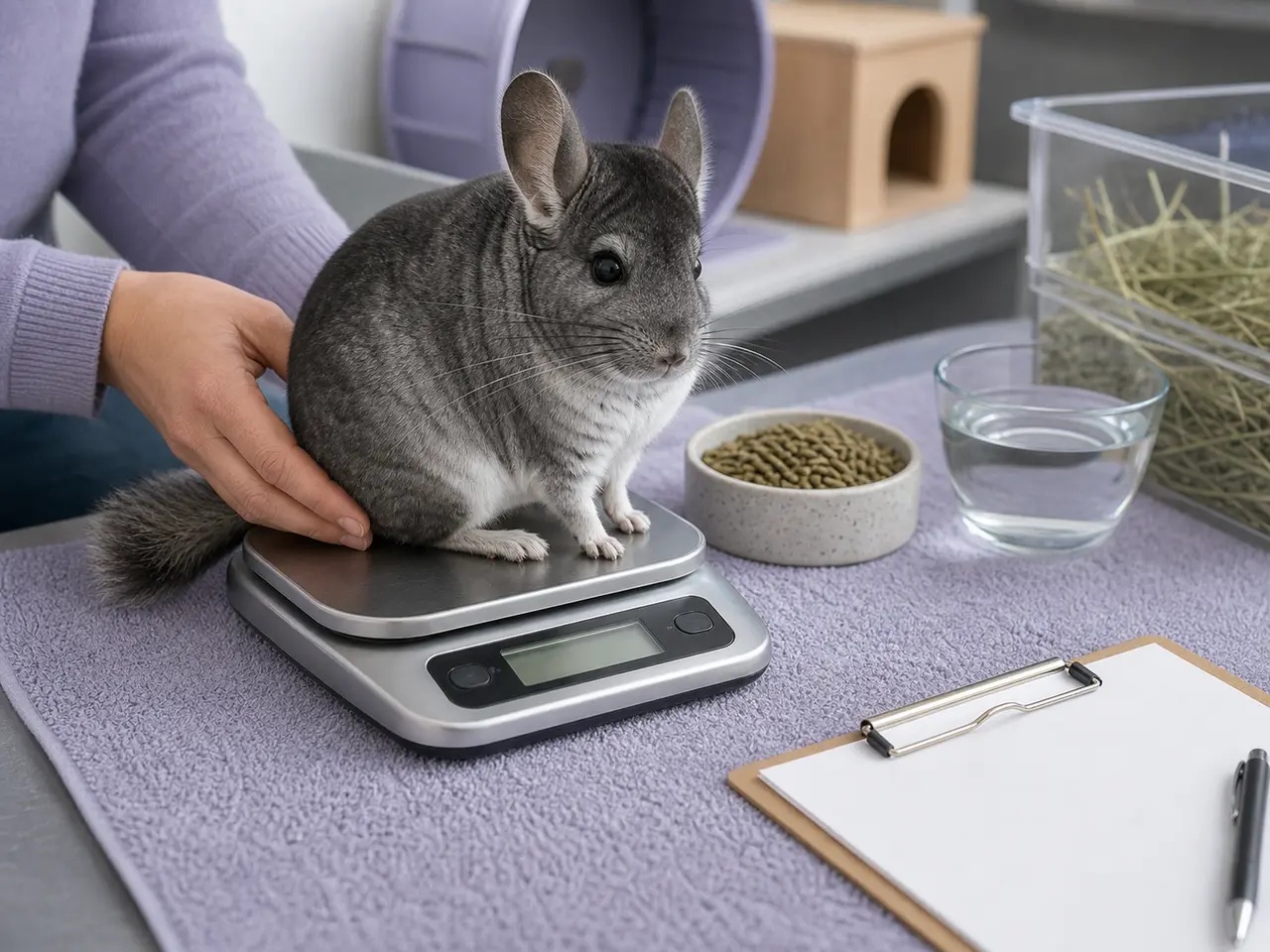
Write notes beside the habitat: portion, water, stool or droppings, weight, cleaning changes, and behavior after the food. If appetite drops, diarrhea appears, breathing changes, or the animal seems painful, call an exotic-pet veterinarian instead of trying another treat.
Optional supplies that support the care routine after the species needs are clear.
Affiliate links: Furball Cove may earn from qualifying purchases at no extra cost to you.
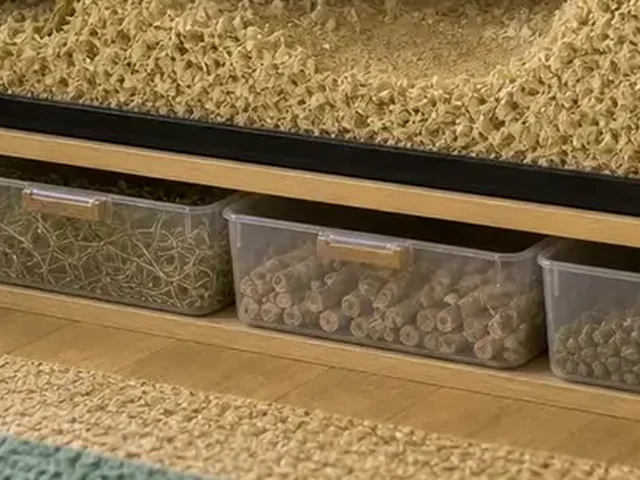
Keeps gerbil food sealed away from chew dust, bedding, and treat-heavy extras.
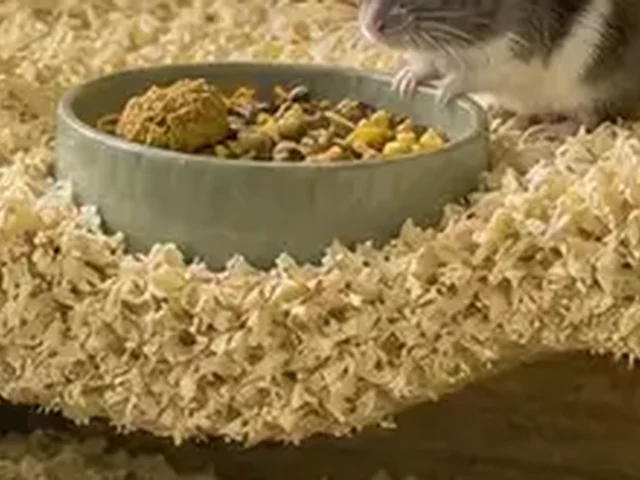
Gives a stable place for measured food checks even when the rest of the habitat is built for digging.
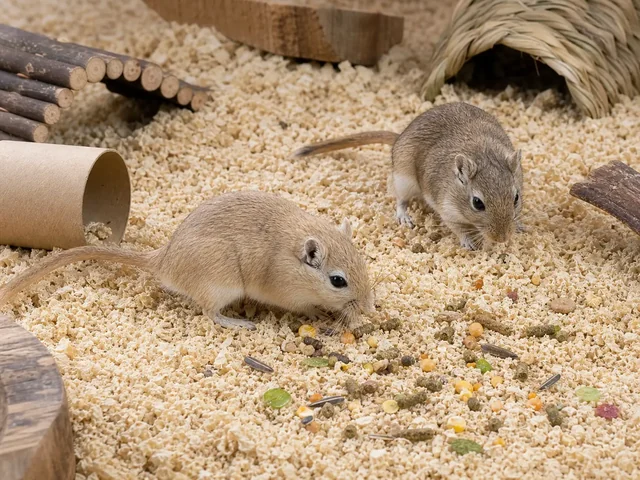
Lets gerbils search through a measured dry portion while the feeding area stays easy to inspect.
Adds dry chewable texture for digging setups without sugary treats or sticky snack toys.