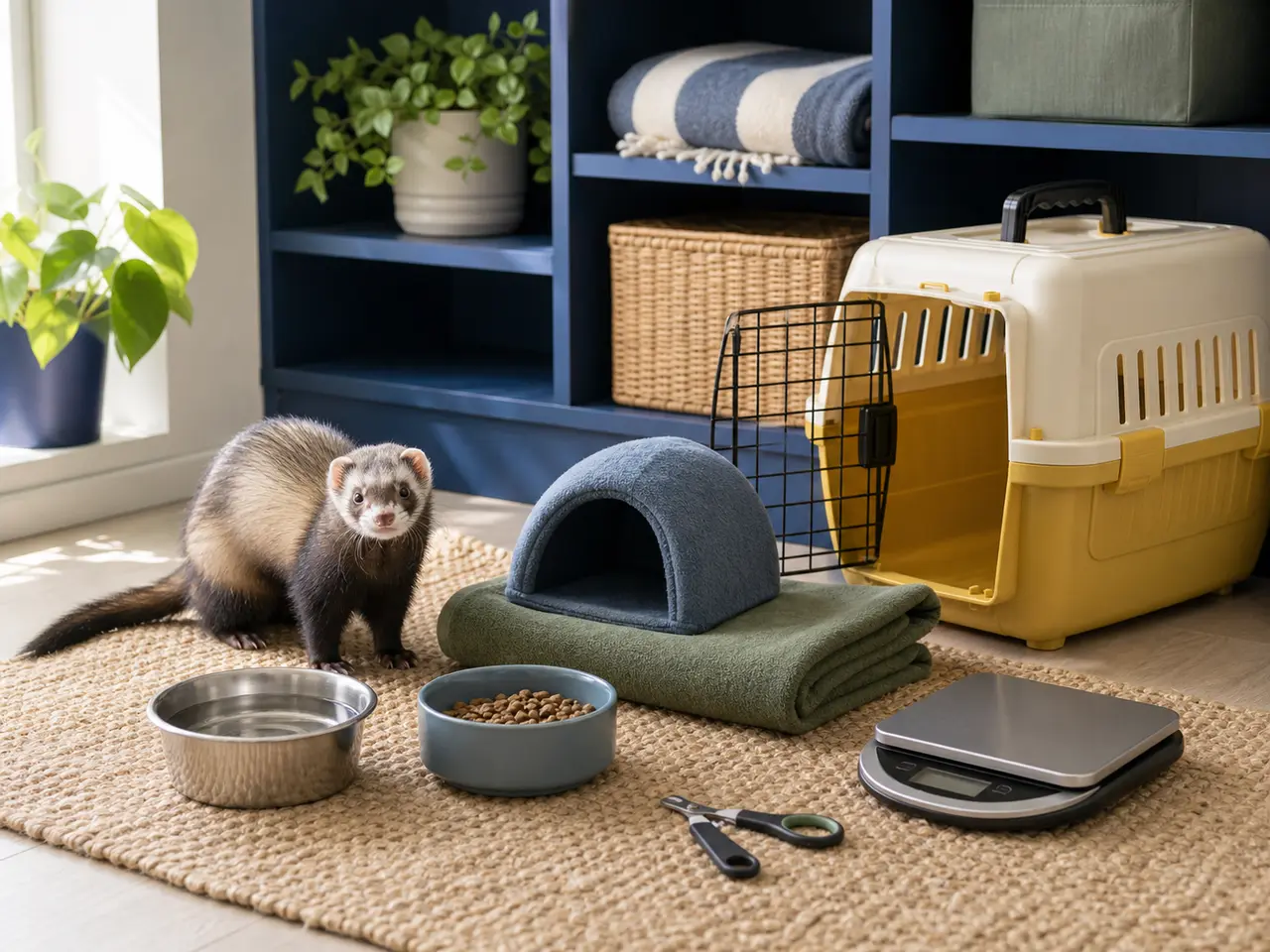
Guinea pig housing needs big flat space, constant hay, soft dry bedding, two-exit hides, fresh water, and room for a compatible pair.
Think roomy, low, social, and easy to clean.
Start with flat room to move
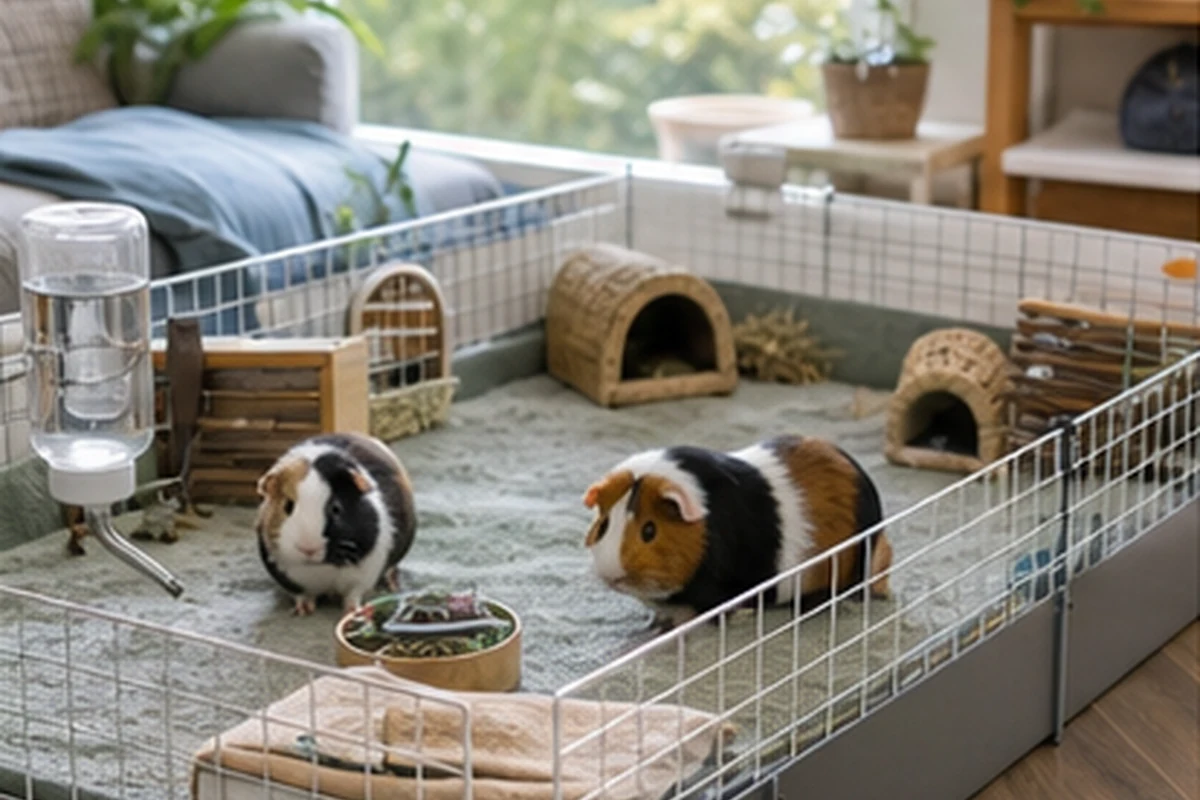
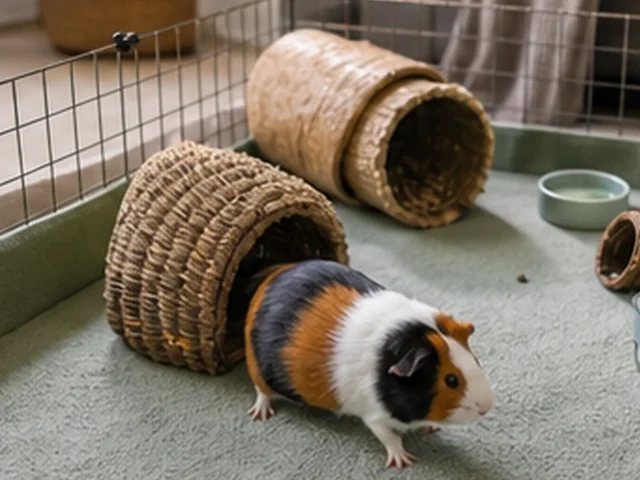
A guinea pig home should feel like a low, roomy pen, not a tall cage. The usable floor area matters because guinea pigs run short bursts, browse hay, turn around, and pass one another on the ground.
Skip wheels, high ledges, and steep ramps. They do not need climbing drama; they need enough flat space that two pigs can eat, rest, and move without crowding each other.
Make hay the center of the room
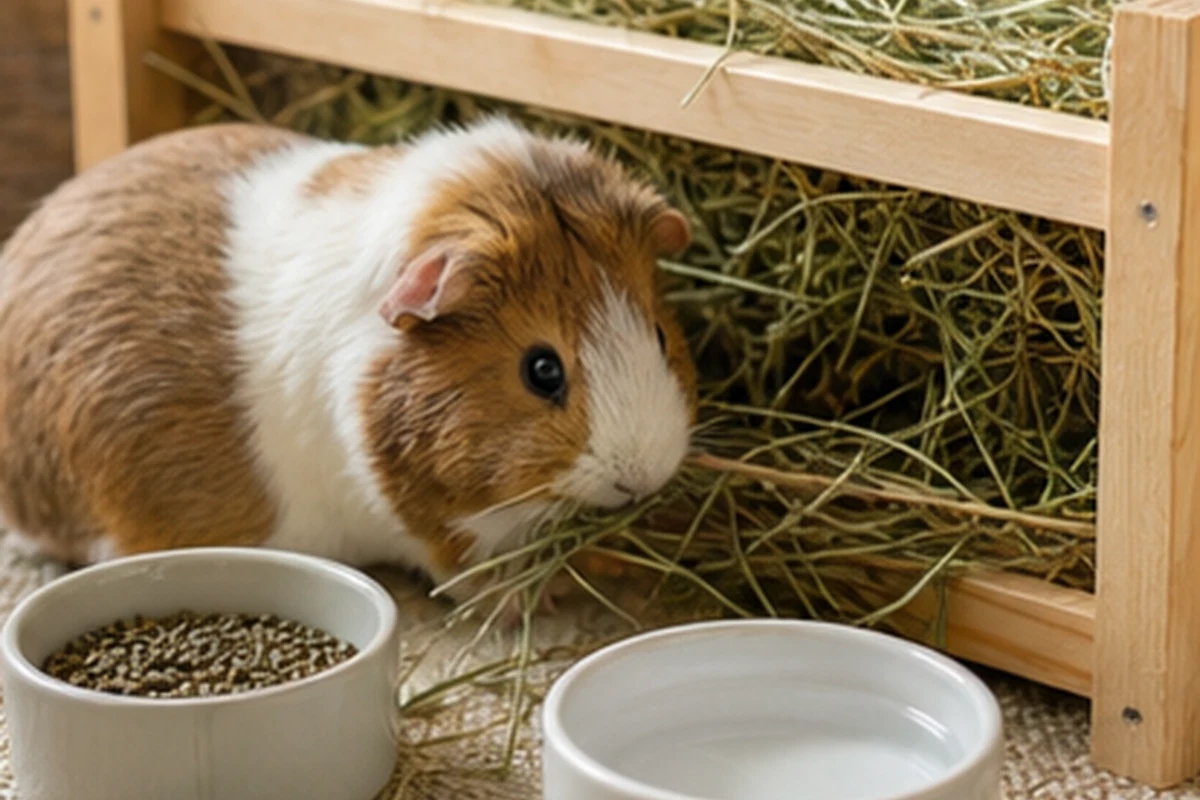
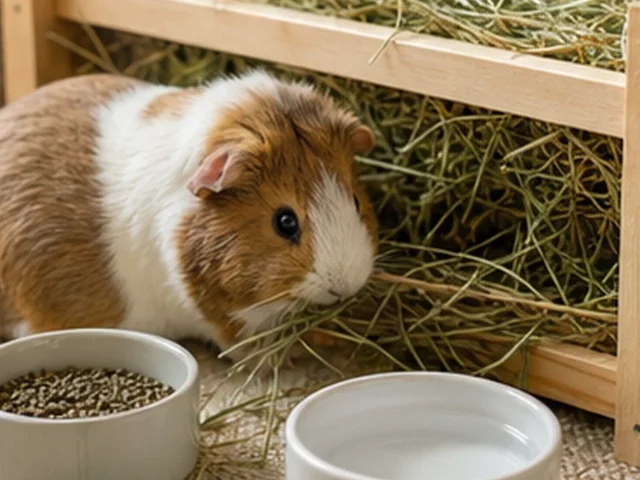
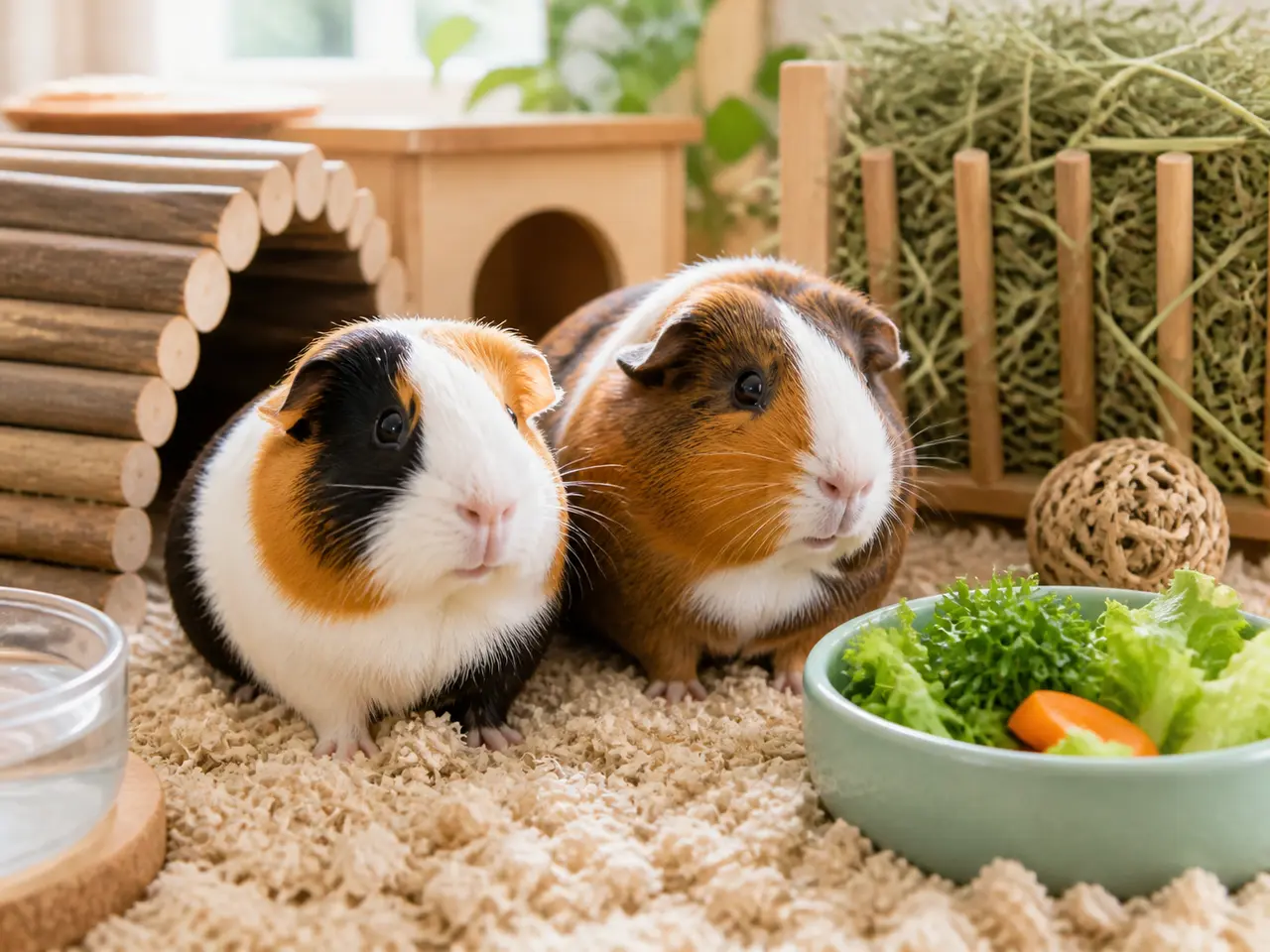
Hay should be available all day and easy to reach from more than one spot. It supports teeth, digestion, and busy foraging, so the layout should welcome hay instead of treating it like a mess to hide.
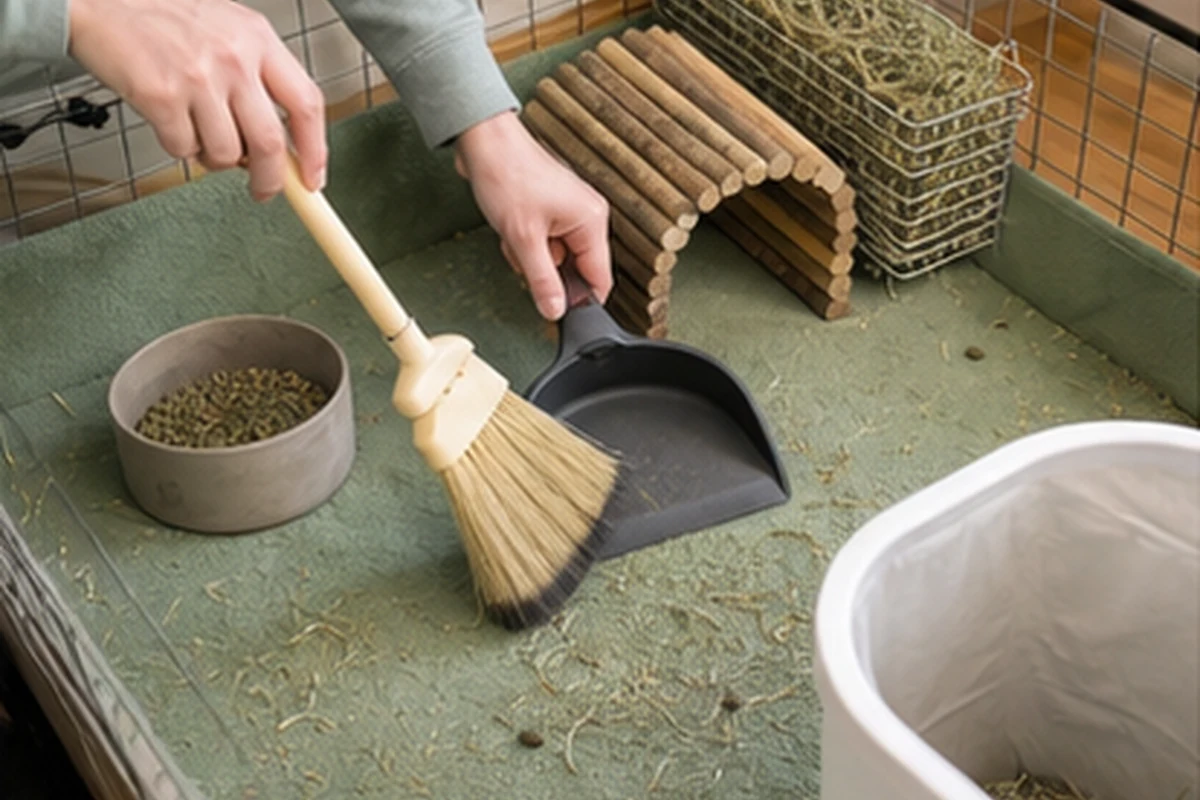
Use a safe hay area that does not trap heads or feet. Expect loose hay, then build cleaning around it: a hay zone, a nearby trash bag or bin, and bedding you can refresh quickly.
Use two-exit hides and duplicate resources
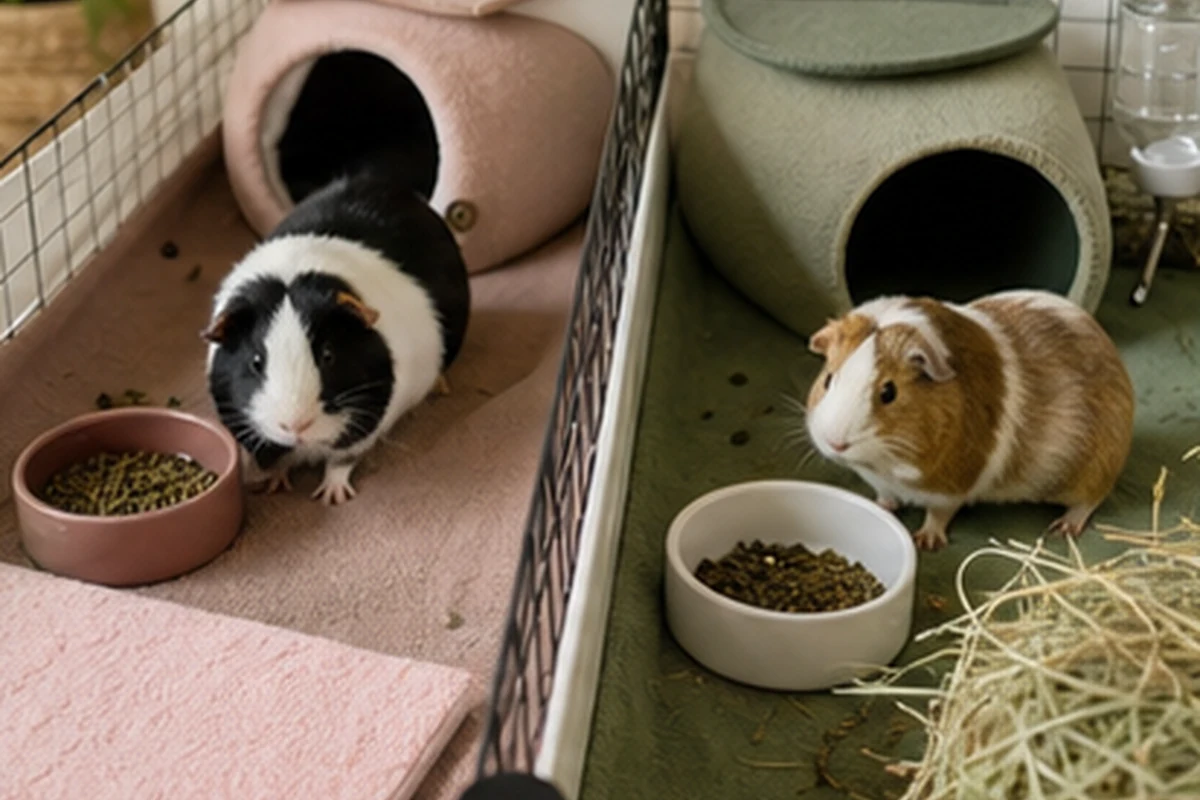
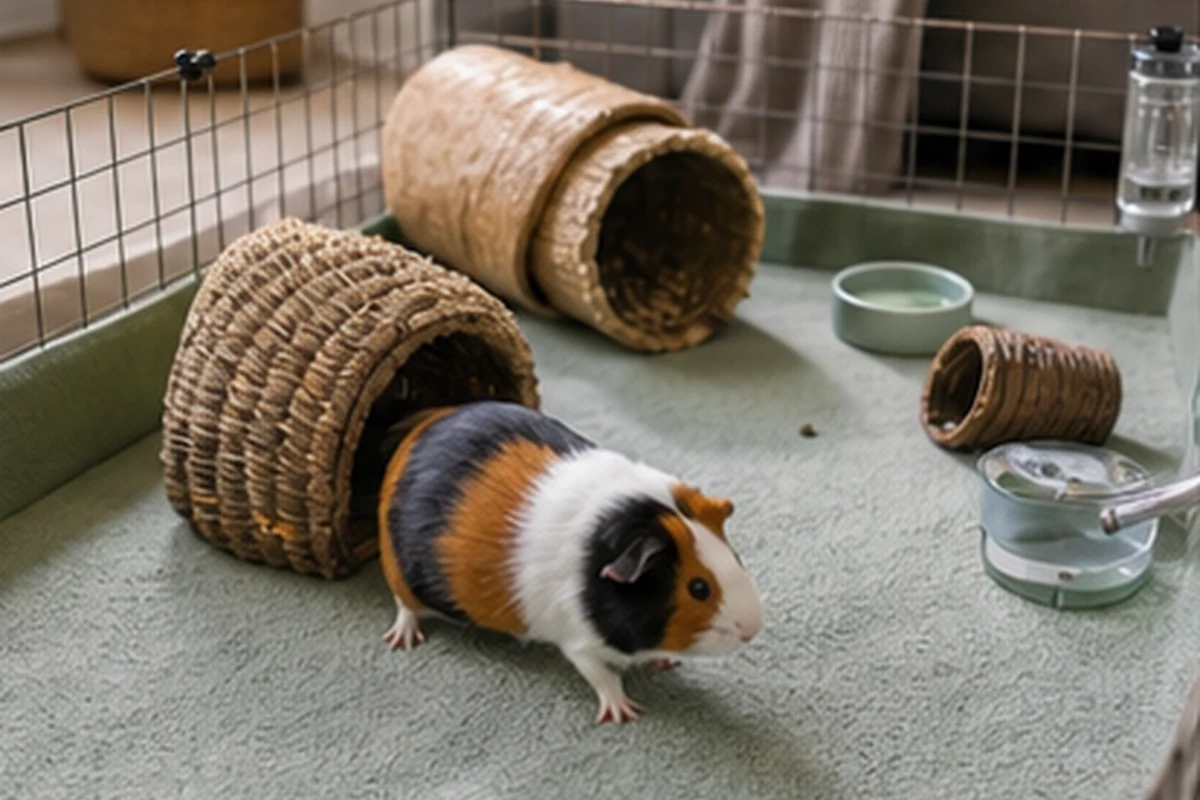
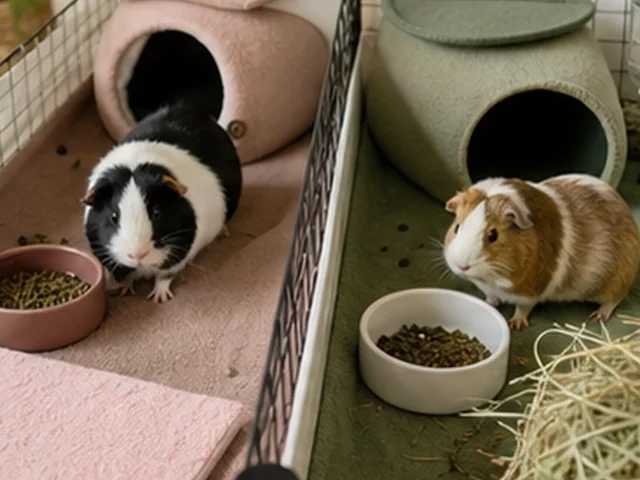
Guinea pigs are social, but they still need personal space. Use several hides, ideally with two exits, so one pig cannot trap another inside a house.
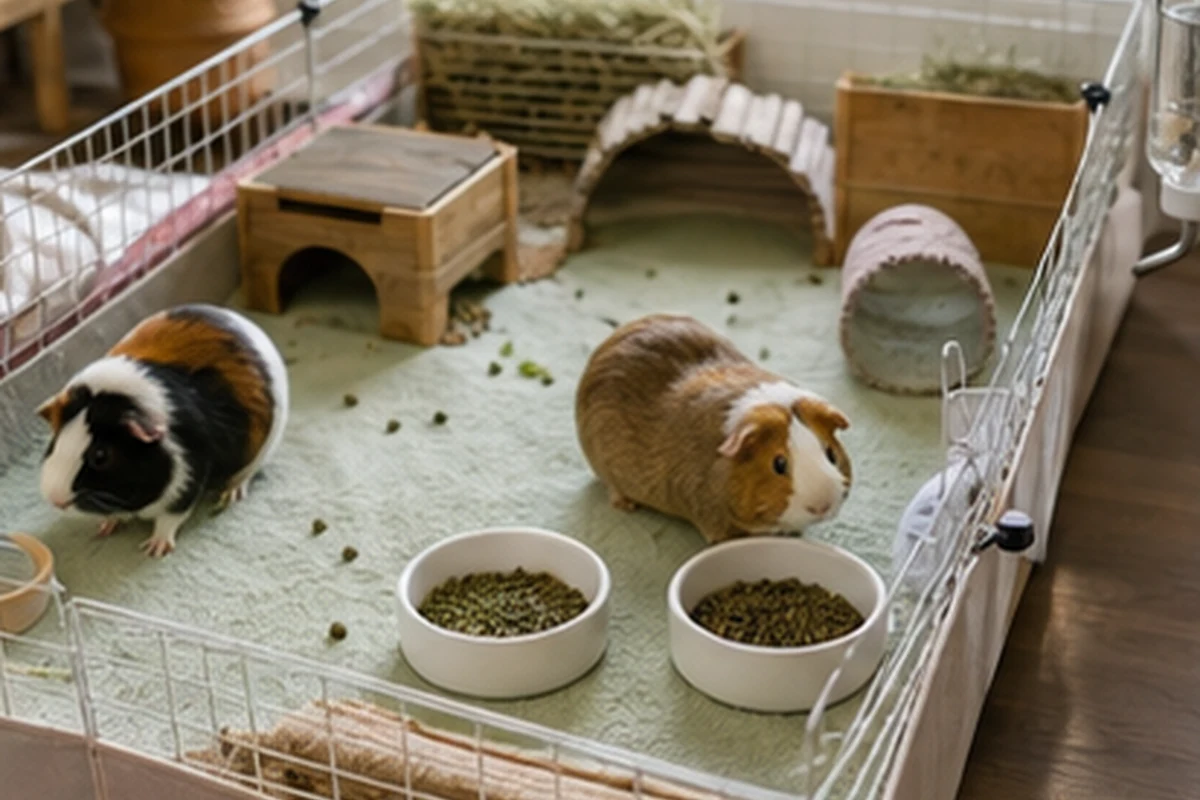
Spread out hay, water, pellet bowls, and resting spots. If one confident pig can guard every good thing from the middle of the habitat, the setup is too tight.
Choose bedding the household can actually keep dry
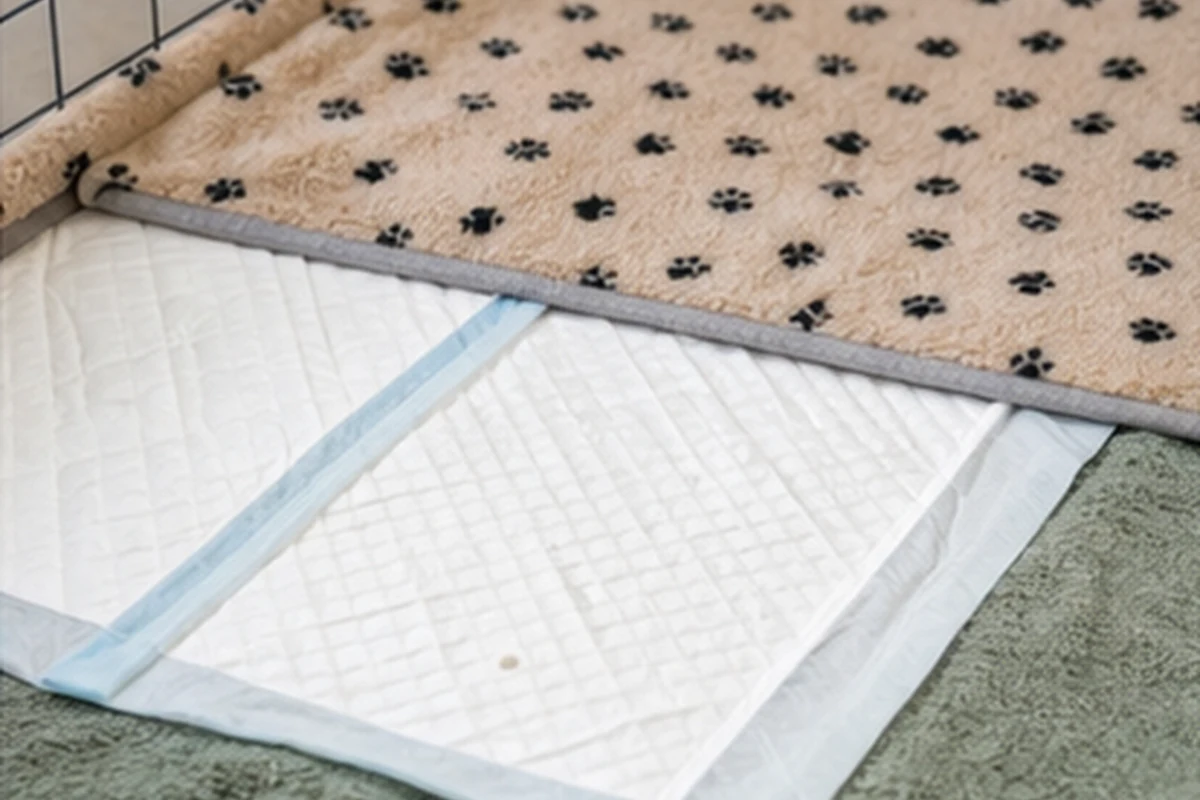
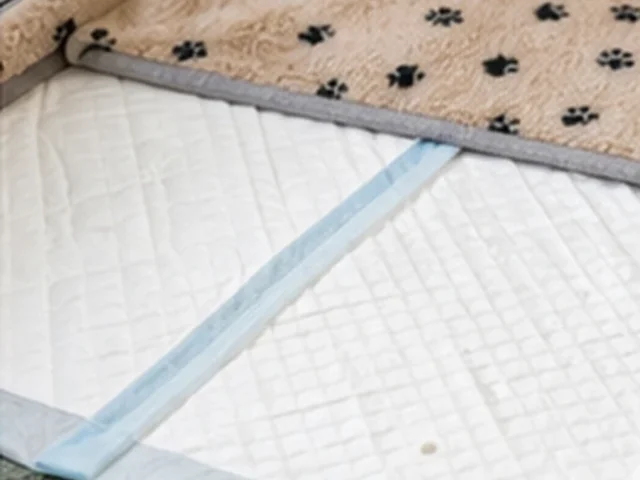
Fleece can work beautifully when laundry is realistic and absorbent layers stay dry. Loose bedding can also work when it is low-dust, absorbent, and changed before wet corners bother feet or skin.
The best bedding is not the one that looks best in a photo. It is the one the adult caregiver can spot-clean every day and deep-clean before odor, dampness, or sore feet become problems.
Design the enclosure around daily cleaning
Before adoption, reach into every corner. Can you lift wet bedding, refill hay, wipe under hides, and check water without dismantling the whole habitat?
Keep cleaning supplies close but out of chewing range. A guinea pig setup that is awkward to clean will get cleaned late, even by well-meaning people.
Add safe floor time carefully
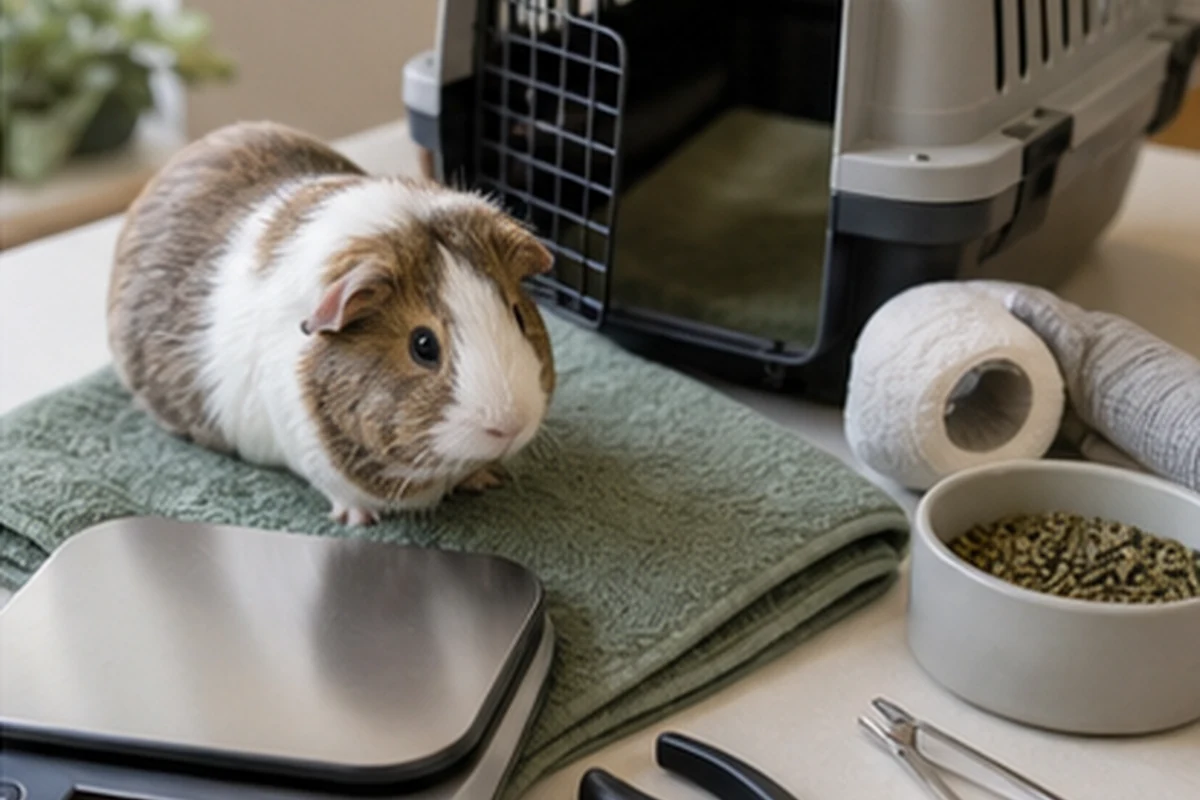
Floor time is great enrichment when the area has traction, hides, no cords, no stairs, no other pets, and an easy route back to the habitat.
It does not make up for an undersized main enclosure. The home base still needs enough everyday space for walking, hay, water, hides, and normal pair life.
Plan for two before bringing home one
Most guinea pigs do best with a compatible guinea pig companion. Even if adoption starts with one, plan the adult housing around the space, resources, and vet costs of a pair unless a rescue or veterinarian gives a specific reason not to.
Two pigs need more than a second bowl. They need enough flat room, duplicate comfort spots, and calm handling plans that neither animal has to compete for every safe place.
Do the kneel-down test
Before you call the setup done, kneel beside it like you are doing a tired weeknight check. Can you see hay, water, droppings, damp bedding, both pigs, and every hide entrance?
If the answer is no, adjust the layout before the animals arrive. Good guinea pig housing should make care easier for the person and calmer for the pigs.
Before you decide
Can two compatible guinea pigs eat, drink, hide, and pass each other without crowding?
Is hay easy to reach all day from a safe, clean area?
Are there several two-exit hides or open shelters?
Can wet bedding be removed every day without tearing apart the whole setup?
Next best moves
Set up the adult-size habitat before adoption, not after the first cage feels too small.
Buy fewer decorative pieces and more useful basics: hay space, hides, bedding, water, and cleaning access.
Ask the rescue or veterinarian about pairing, sexing, and introduction history before assuming two pigs will work together.
Useful setup pieces
Optional supplies that support the care routine after the species needs are clear.
Affiliate links: Furball Cove may earn from qualifying purchases at no extra cost to you.