Updated

Species guide

Guinea Pig Care Guide

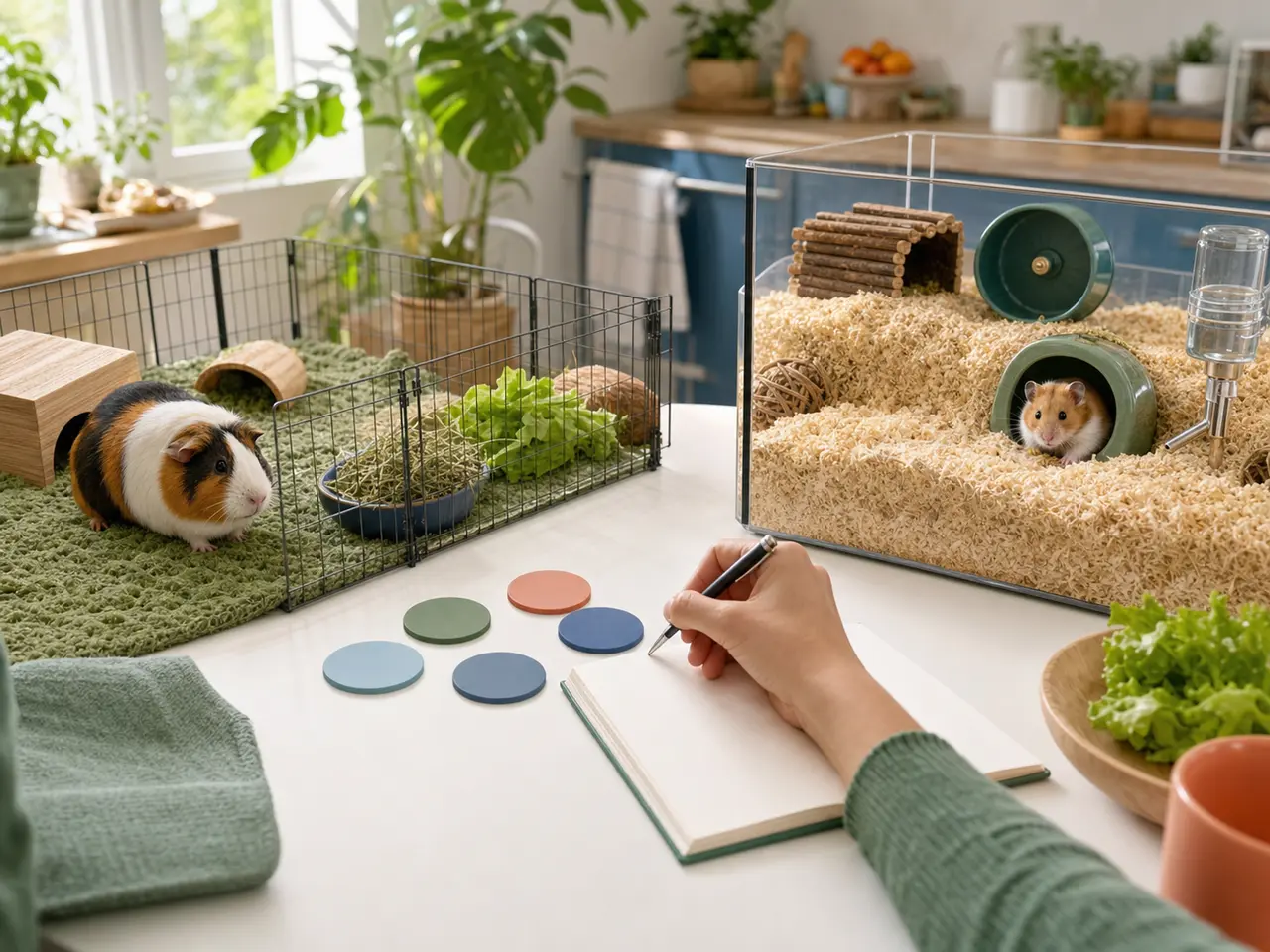
Guinea pigs need a friend, roomy floor space, unlimited hay, daily vitamin C, gentle handling, and fast help for appetite changes.

They can be wonderful family pets when adults own the care routine.

Plan for a pair, not a lonely display pet

Plan for a pair, not a lonely display pet

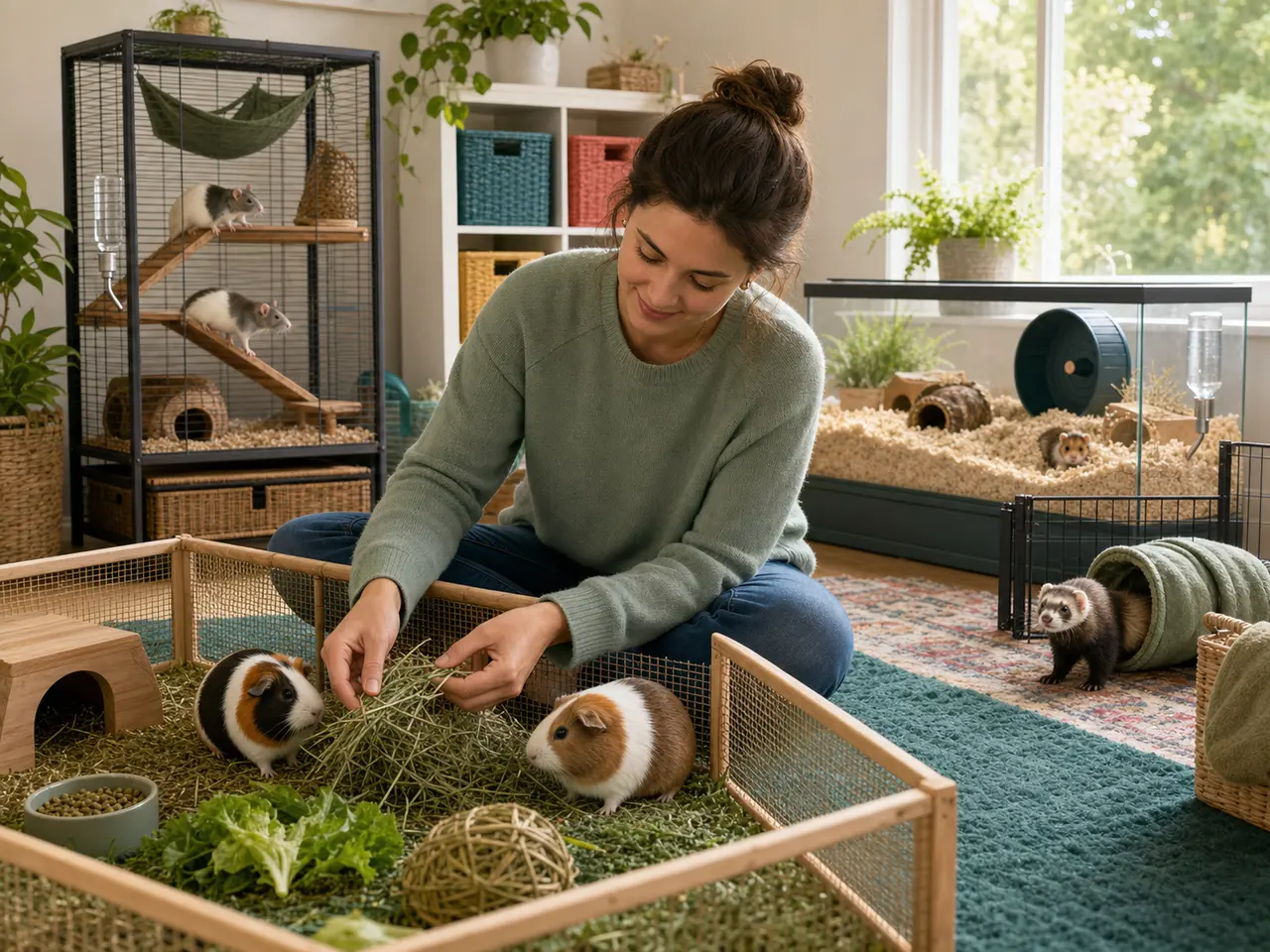
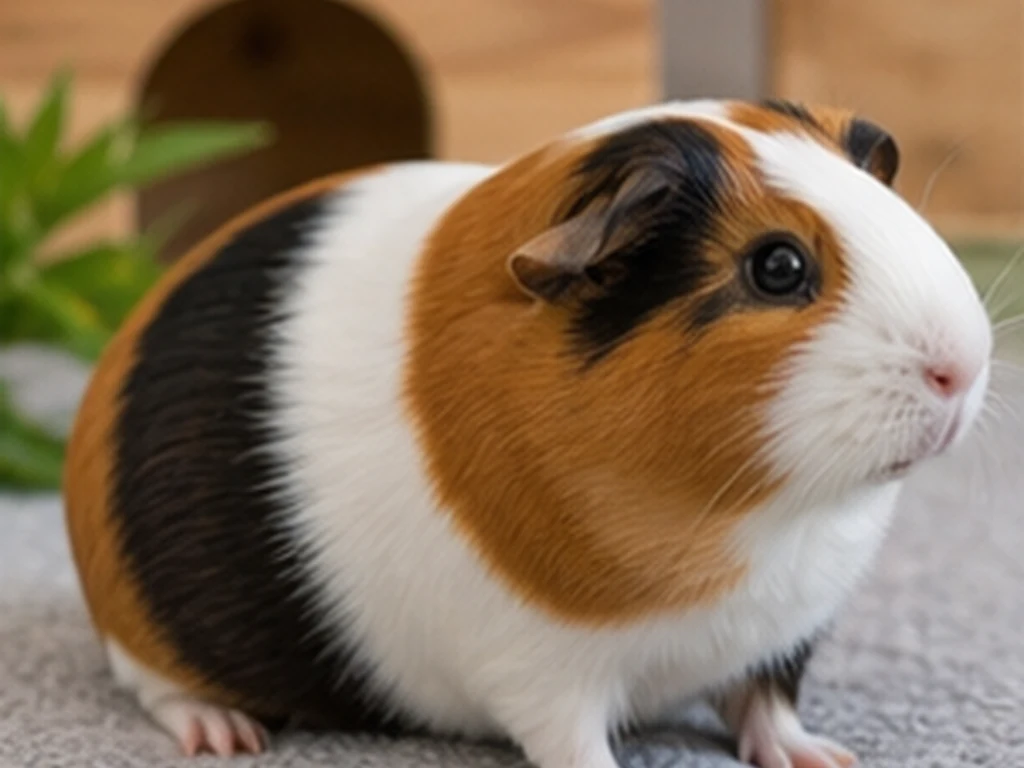
Most guinea pigs do best with a compatible guinea pig companion. Human attention is valuable, but it does not replace same-species social life, quiet sharing, and the ordinary confidence that comes from living with another guinea pig.

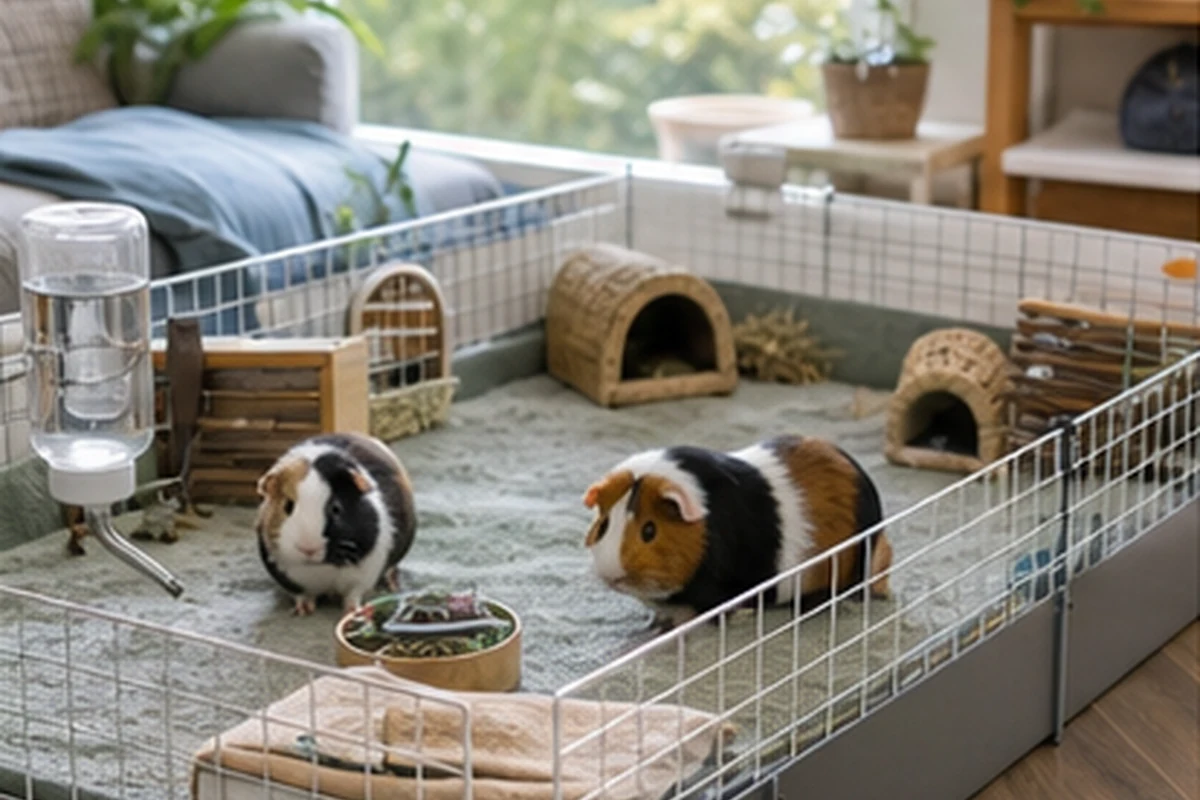
Plan space, food stations, hideouts, and vet costs around two animals unless a rescue or veterinarian gives a specific reason for a different arrangement. Watch introductions carefully and avoid pairing casually without sexing and temperament guidance.
Keep hay and vitamin C at the center

Keep hay and vitamin C at the center

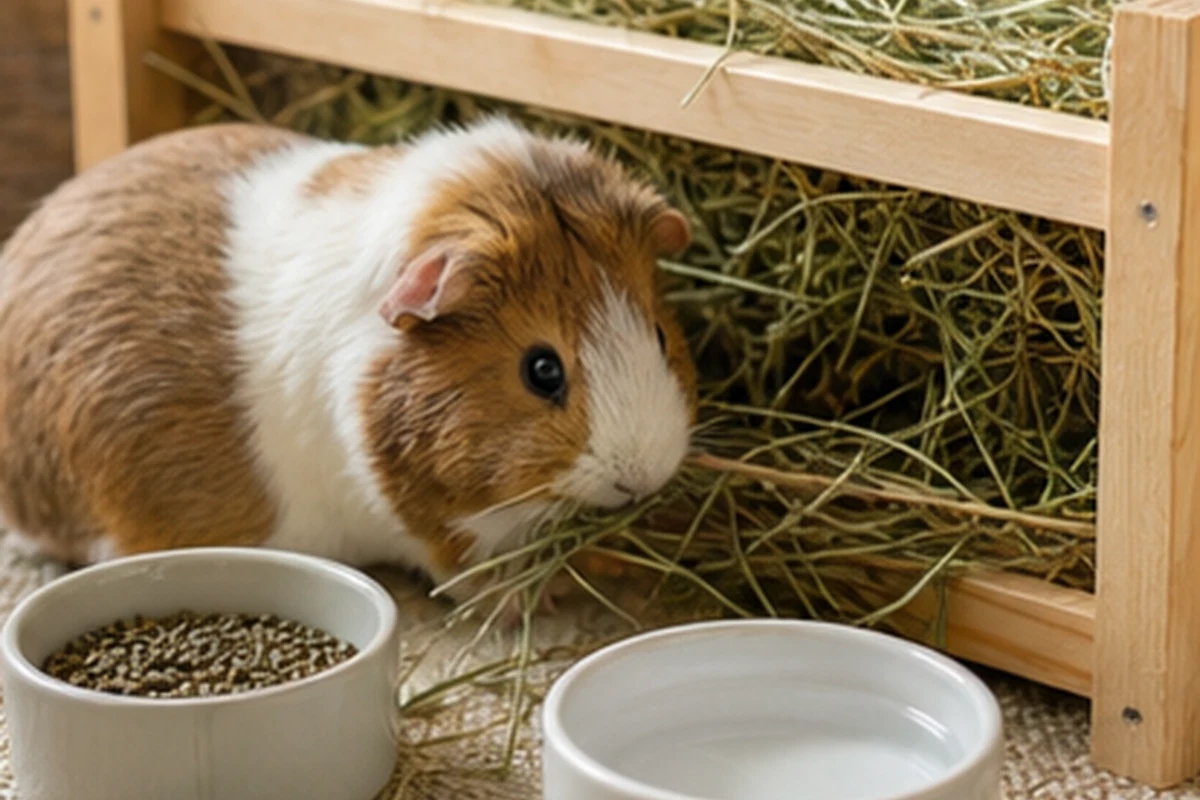
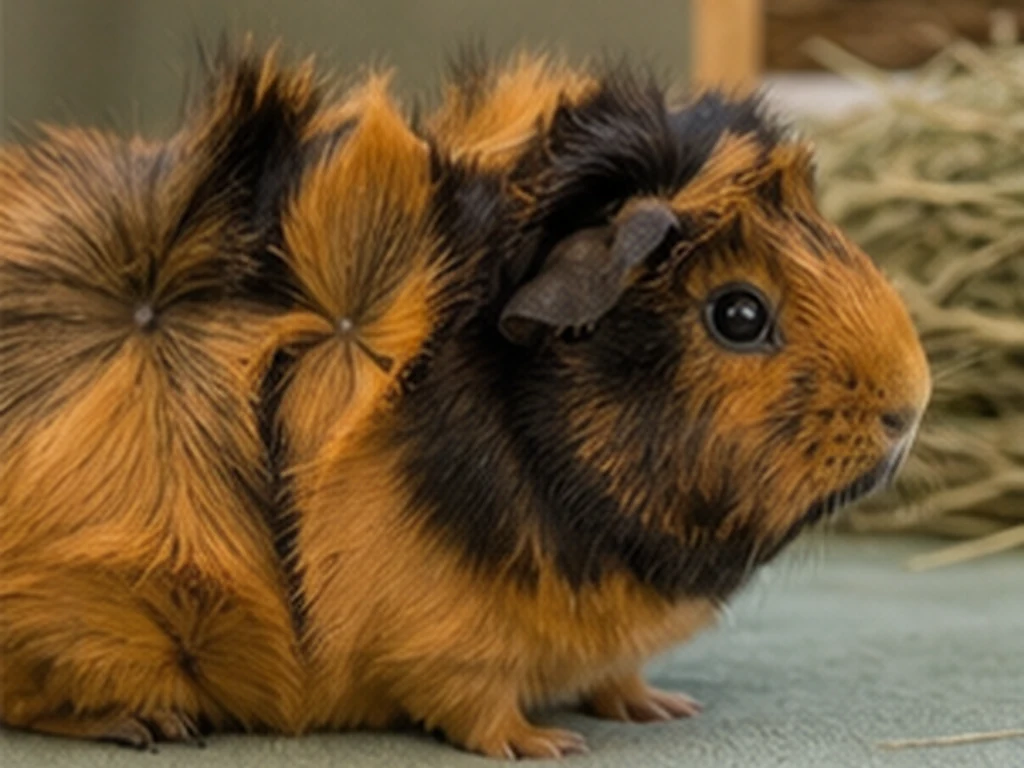
Unlimited grass hay should be easy to reach all day. It supports teeth, digestion, boredom reduction, and normal foraging. A bowl of pellets or greens cannot take over that job.

Guinea pigs also need reliable vitamin C because they cannot make enough on their own. Use fresh vitamin-C-rich foods and an appropriate guinea-pig pellet routine rather than guessing from a generic small-pet mix.

Use floor space and hides instead of height

Use floor space and hides instead of height

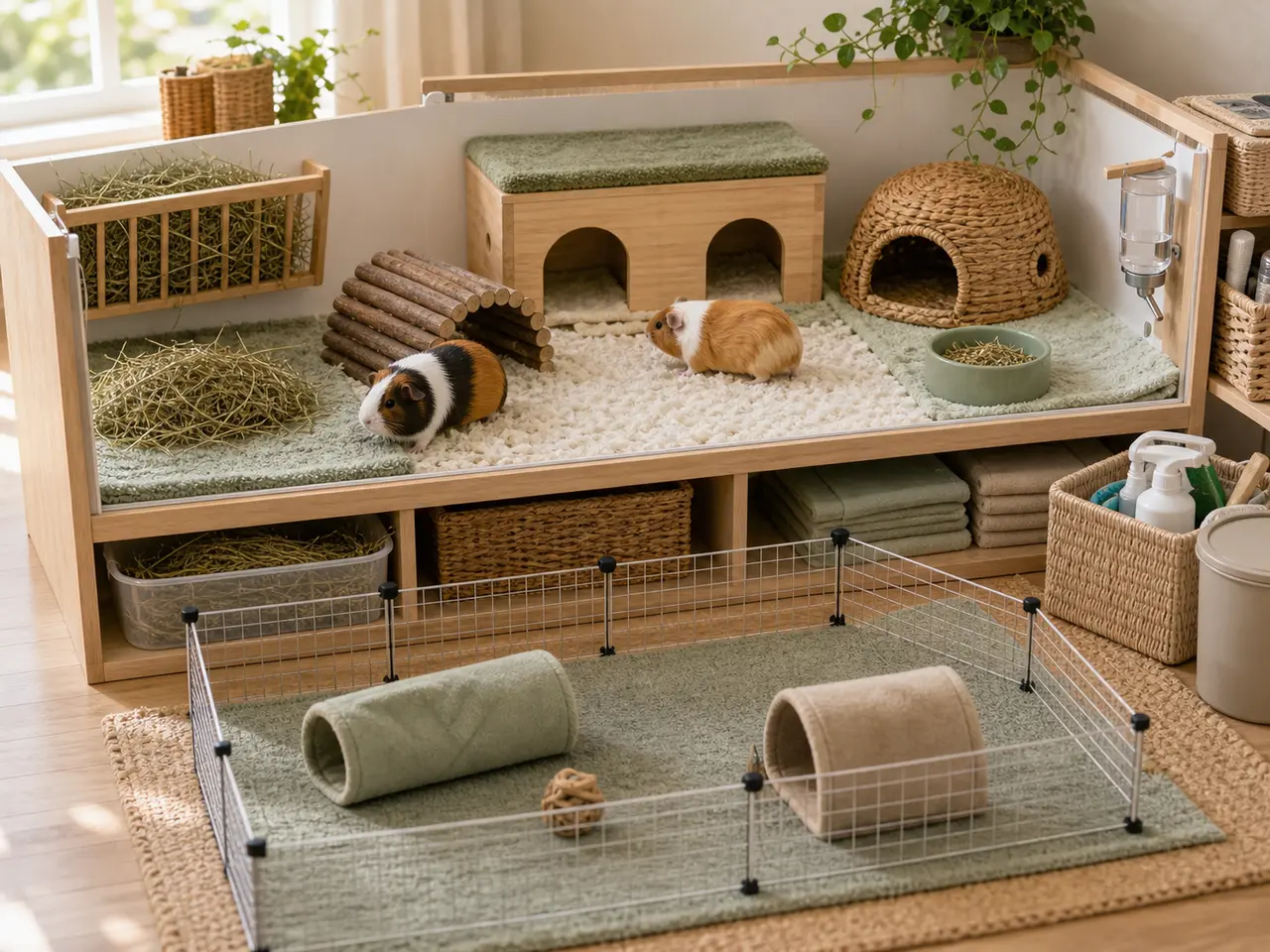
Guinea pigs are not climbing pets. Give them a roomy, well-ventilated habitat with flat usable floor area, soft bedding or fleece management, multiple hideouts, and paths wide enough that one pig does not trap the other.

Avoid wire-bottom flooring and cramped hutches. The habitat should let them walk, turn, stretch, eat hay, retreat, and be cleaned without turning every day into a full-room reset.

Handle low, supported, and briefly

Handle low, supported, and briefly

Many guinea pigs enjoy routine and food interaction more than being carried around. Scoop with full body support, stay close to the floor, and let lap time be short enough that the animal stays calm.

Children need adult supervision every time. A guinea pig who freezes, chatters teeth, struggles, nips, or tries to launch away is asking for the session to get easier, not longer.

Make cleaning boring and predictable

Make cleaning boring and predictable

Guinea pig habitats get messy because hay, water, bedding, and droppings are part of normal life. Daily spot-cleaning keeps wet corners from turning into skin, odor, and fly concerns, while a deeper reset keeps the habitat fresh without erasing every familiar smell.

If you use fleece, plan the laundry routine before adoption. If you use loose bedding, choose low-dust, absorbent material and keep hay feeding separate enough that the whole habitat does not become a sour pile by the end of the week.

Treat appetite changes as urgent information

Treat appetite changes as urgent information

A guinea pig who stops eating, produces fewer droppings, sits puffed up, drools, loses weight, breathes strangely, or seems painful needs an exotic-pet veterinarian quickly. Waiting to see if it passes can be risky.

Keep a carrier ready, know the clinic before you need it, and write down what changed: hay intake, pellet interest, greens eaten, water, droppings, weight, breathing, and whether a companion is acting differently too.

Before you decide

  • Can you keep at least two compatible guinea pigs in a roomy habitat?
  • Is unlimited grass hay available and fresh every day?
  • Do you have a reliable vitamin C routine?
  • Can you weigh and observe appetite, droppings, and breathing?

Next best moves

  • Use multiple hideouts so one guinea pig cannot guard the only safe spot.
  • Keep hay near the main resting and litter-prone areas to encourage normal foraging.
  • Find an exotic-pet veterinarian before appetite, tooth, or breathing signs appear.

Useful setup pieces

Optional supplies that support the care routine after the species needs are clear.

Affiliate links: Furball Cove may earn from qualifying purchases at no extra cost to you.

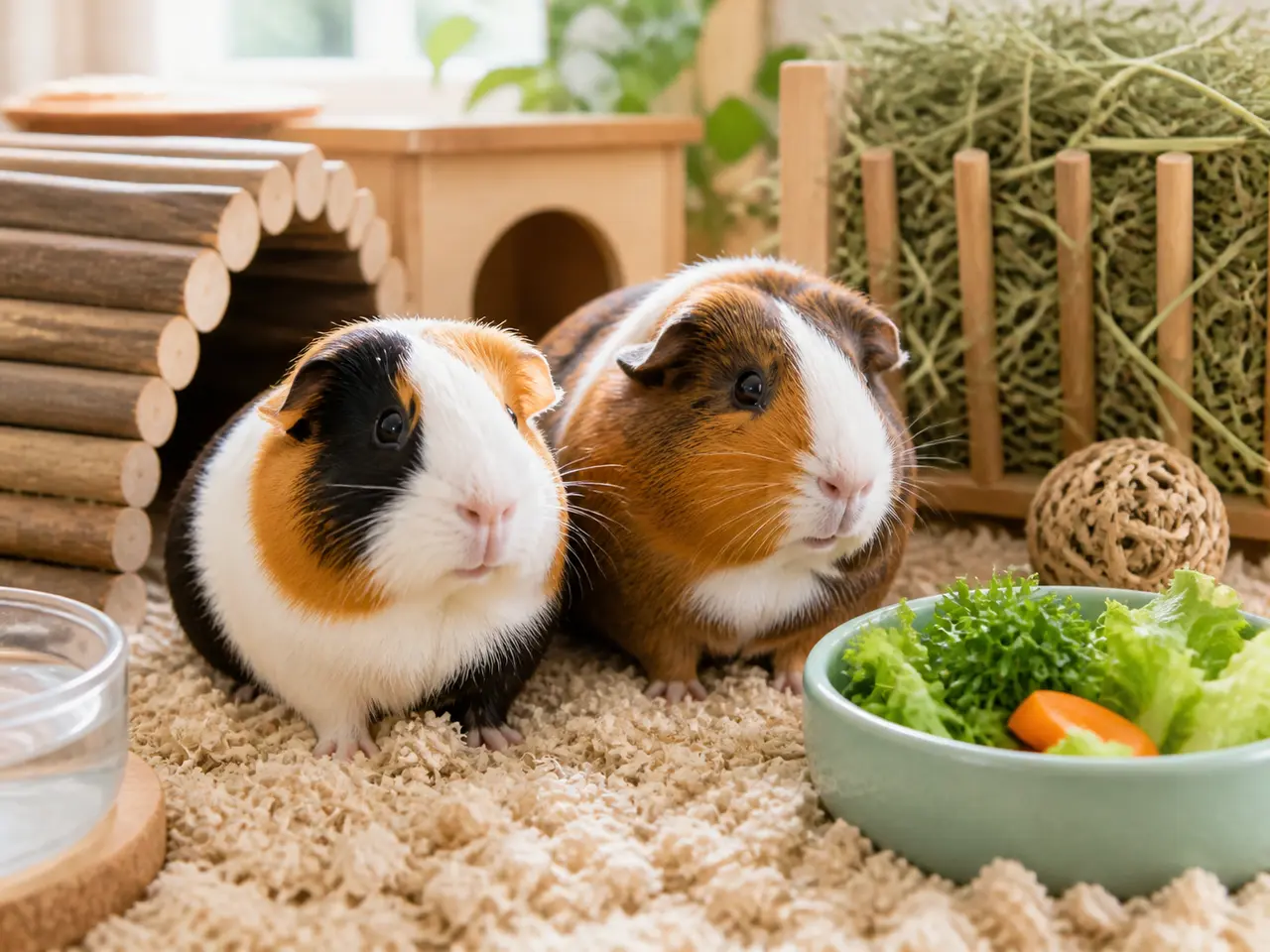
Open hay station with clean grass hay in a guinea pig habitat.

Safe hay station

Keeps loose grass hay open, reachable, and away from wet bedding where guinea pigs spend the day.

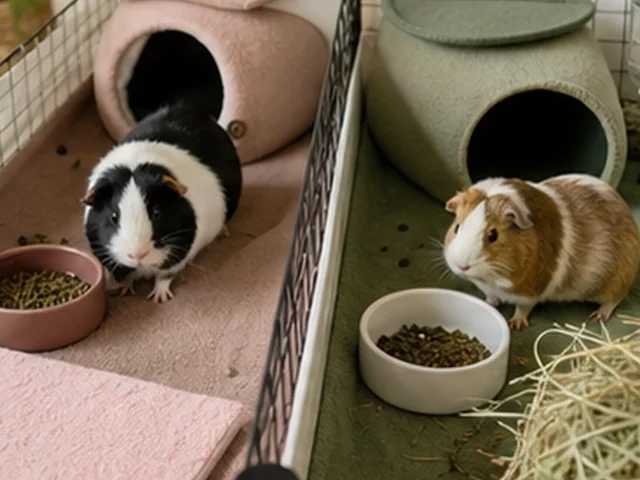
Two-exit guinea pig hideouts in a roomy floor-level habitat.

Two-exit hideout

Gives companions a safer hide with more than one way out.

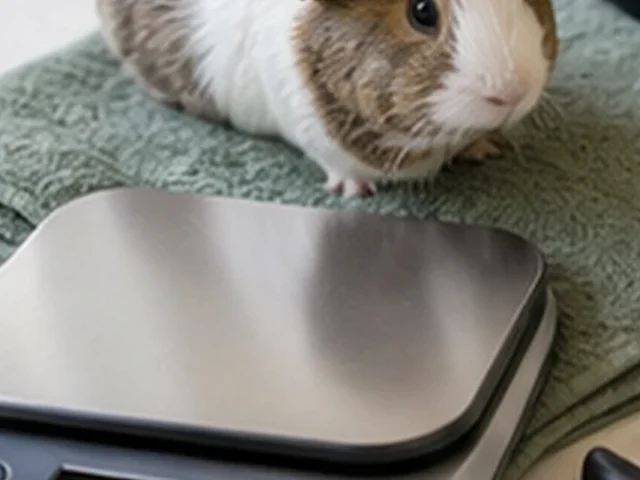
Digital gram scale ready for a guinea pig weight check.

Digital gram scale

Makes weekly weight checks easier to track before small changes become big ones.

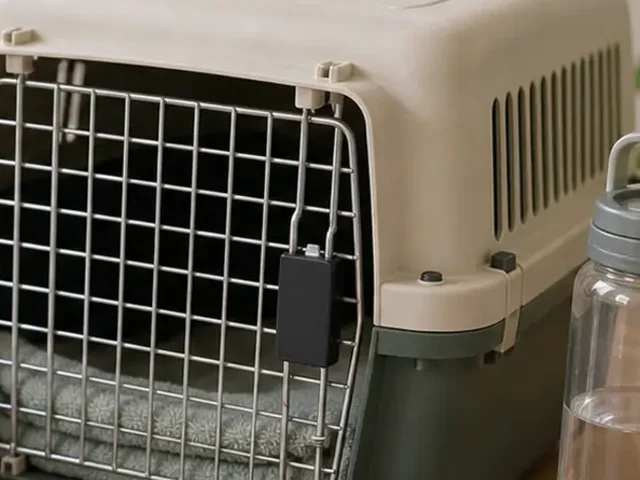
Hard-sided ventilated small-animal carrier with secure latch.

Hard-sided carrier

Keeps transport secure for vet visits, adoption day, and emergencies.

References