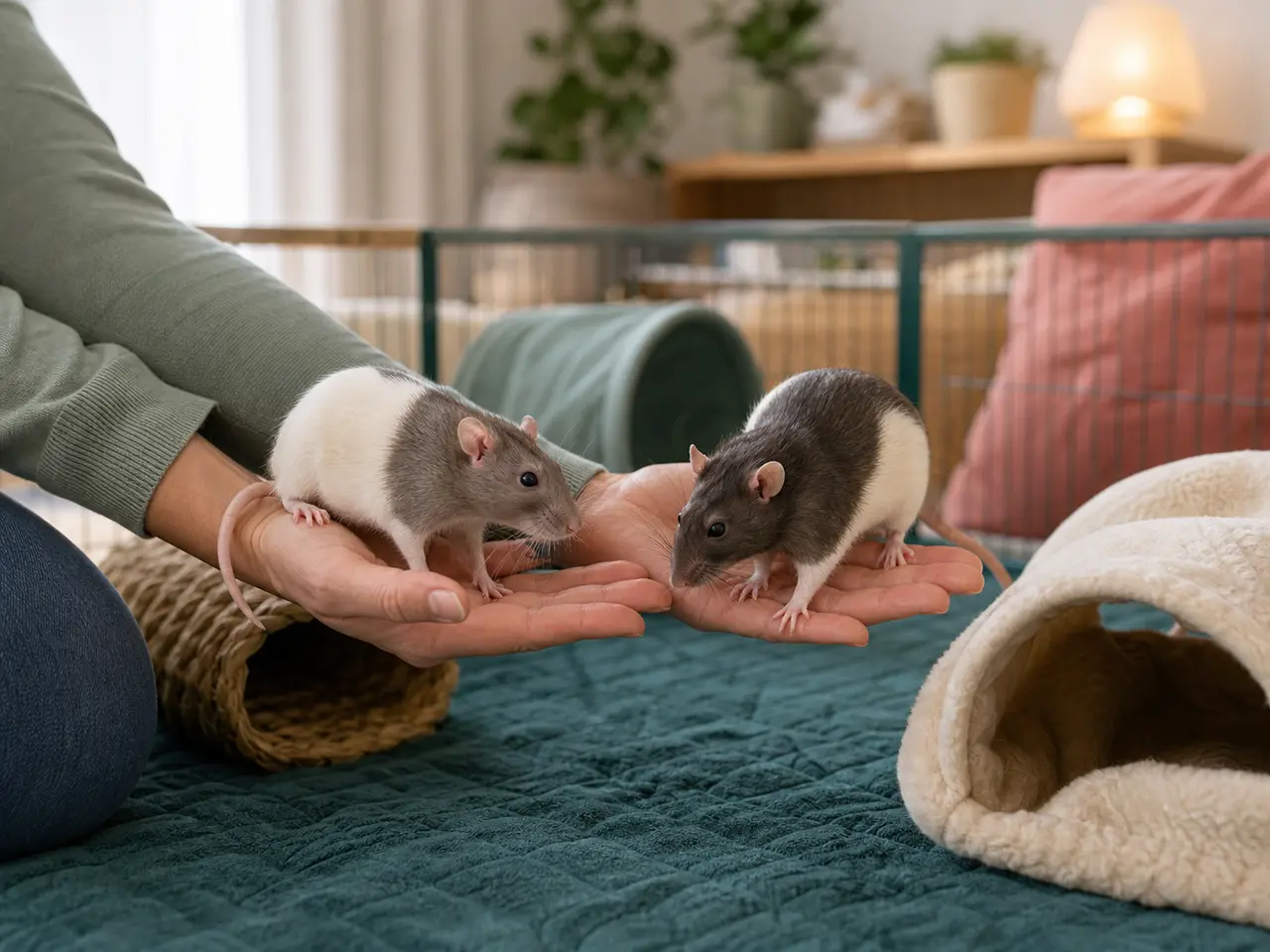
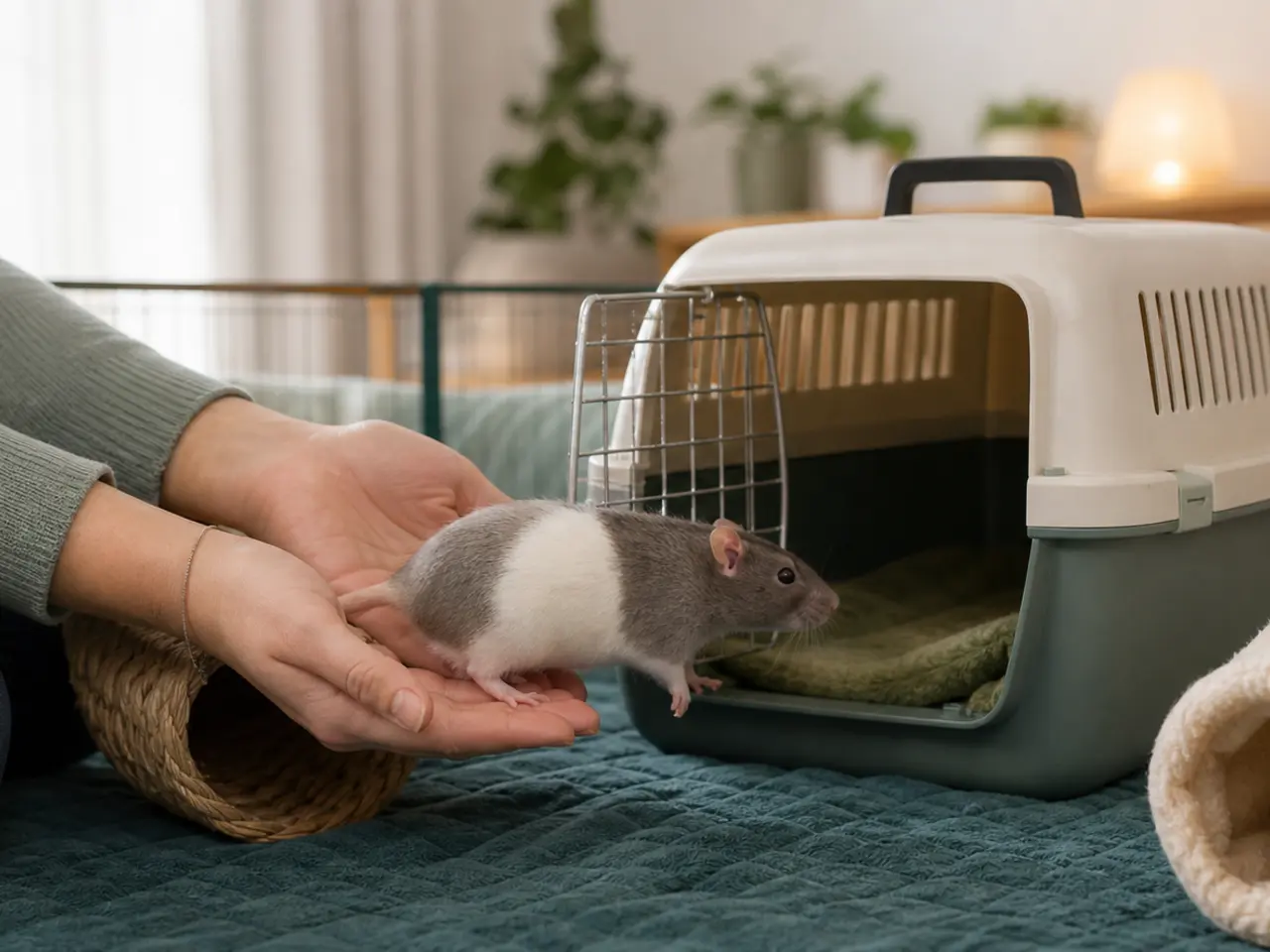
Handle small mammals low and slowly, using two hands, a mat, play pen, carrier, or tunnel.
Good handling teaches food, safety, and an easy way out.
Start with observation before touch
Watch when the animal wakes, where it hides, what food it values, and what movements make it freeze. That body language tells you whether the next step should be sitting nearby, offering food, using a tunnel transfer, or ending the session.
Fast breathing, hiding, teeth chattering, squeaking, frantic jumping, biting, puffing, or repeated escape attempts are not attitude problems. Slow down, and ask an exotic-pet vet or experienced rescue if the change is sudden or paired with appetite, weight, or movement changes.
Keep handling close to the floor
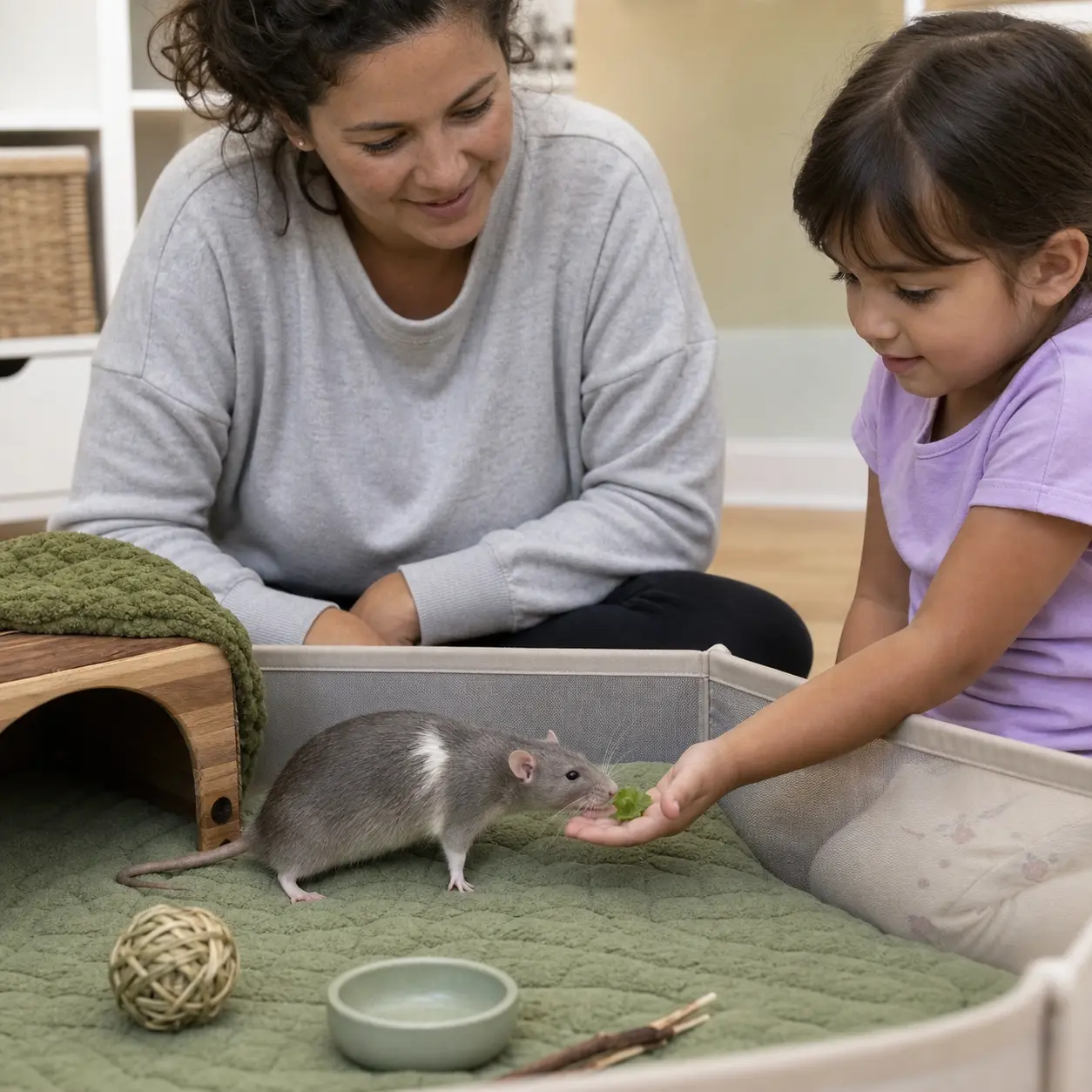
Small mammals can be badly hurt by falls. Handle over a mat, inside a play pen, or near a secure surface. Use two hands, support the body, and avoid carrying an animal around the room as the first trust step.
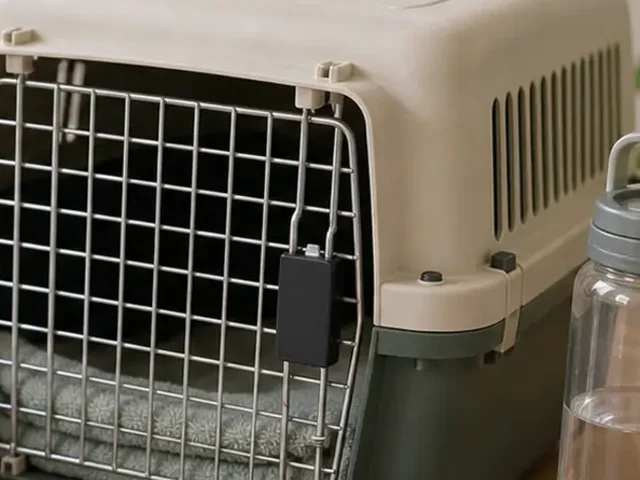
Tunnels, cups, carriers, and hide boxes can be kinder than grabbing. They let fast or fragile animals move without being chased by a hand from above.
Match the routine to the species
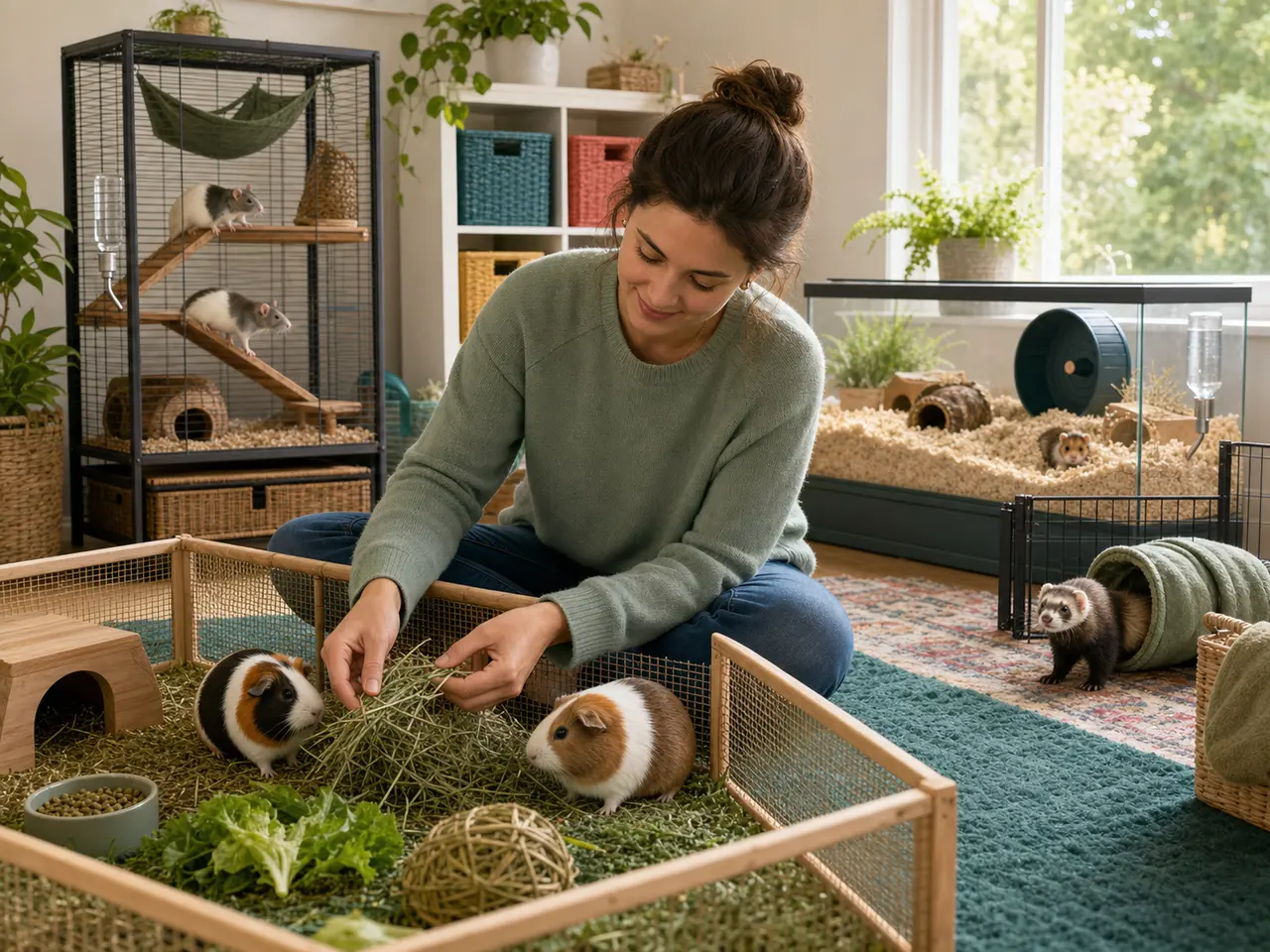
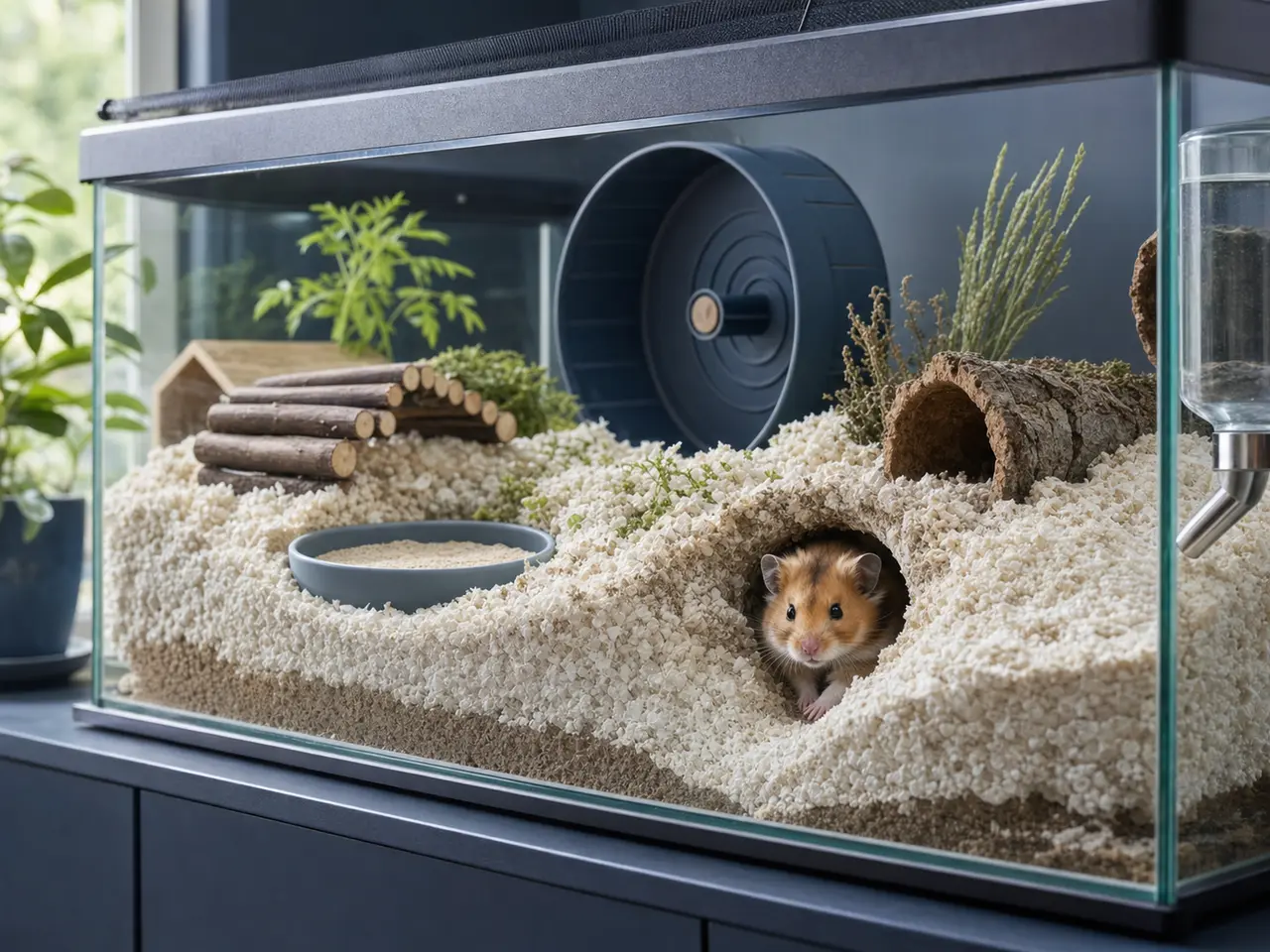
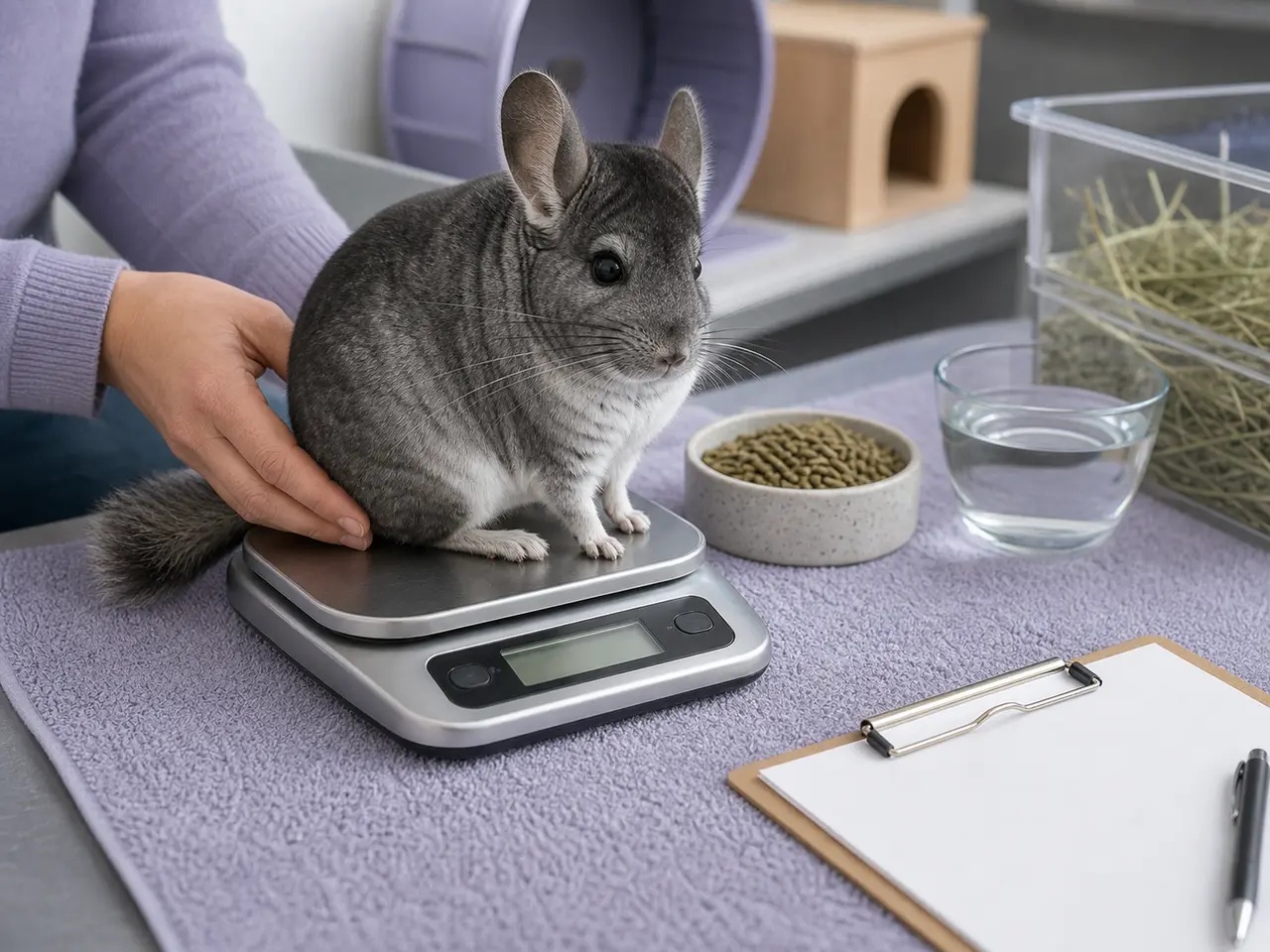
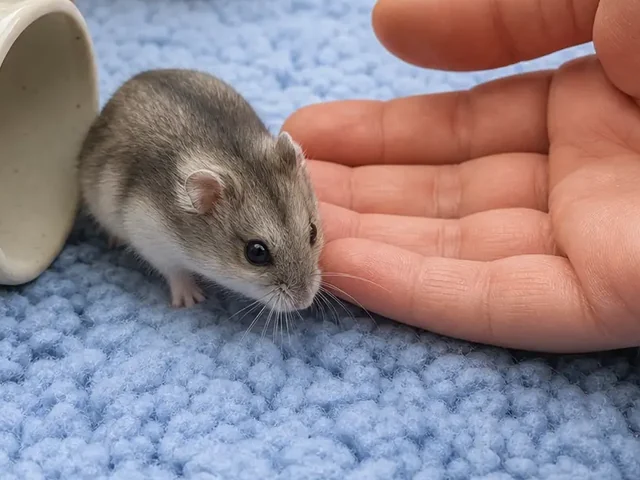
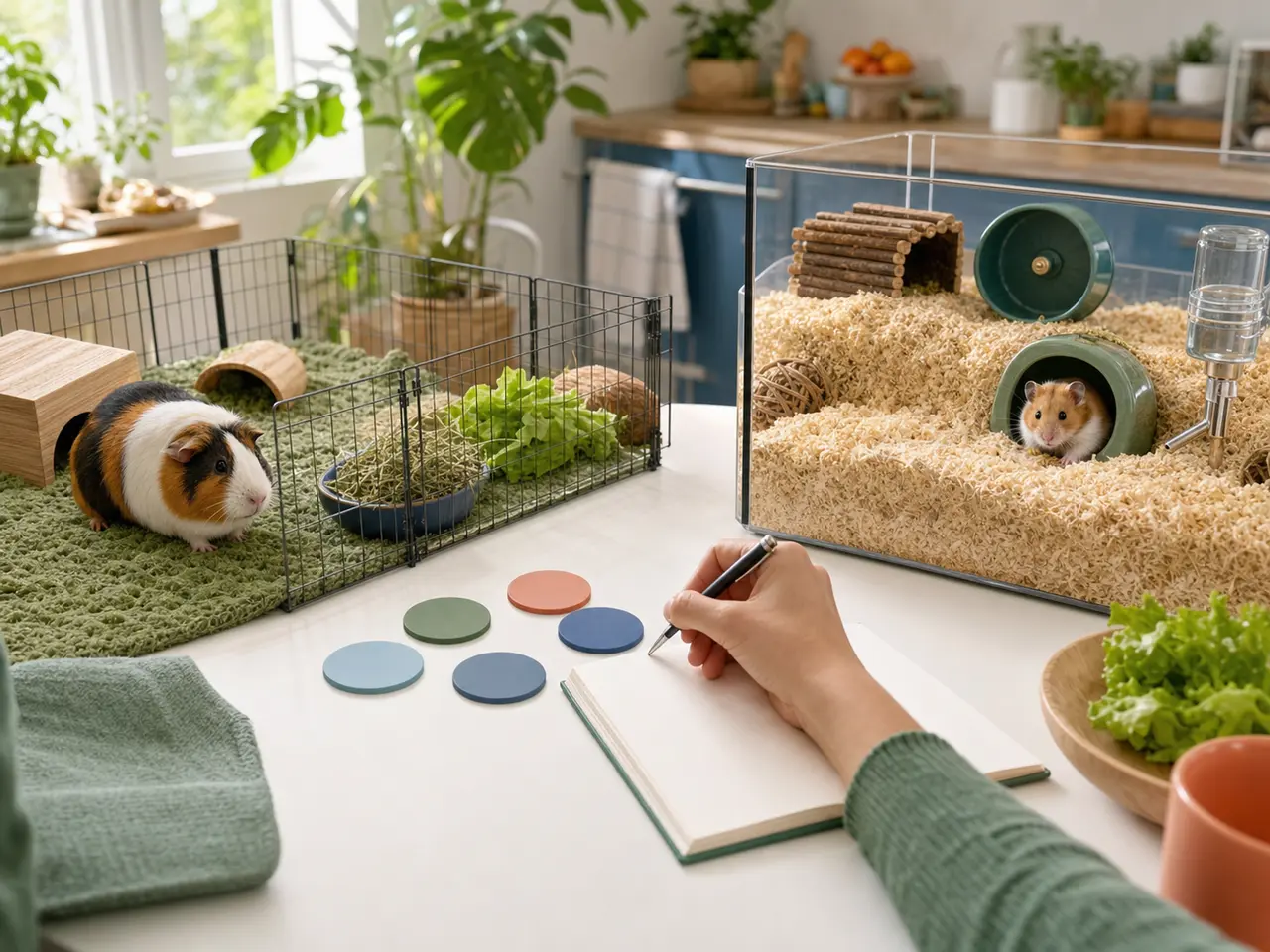
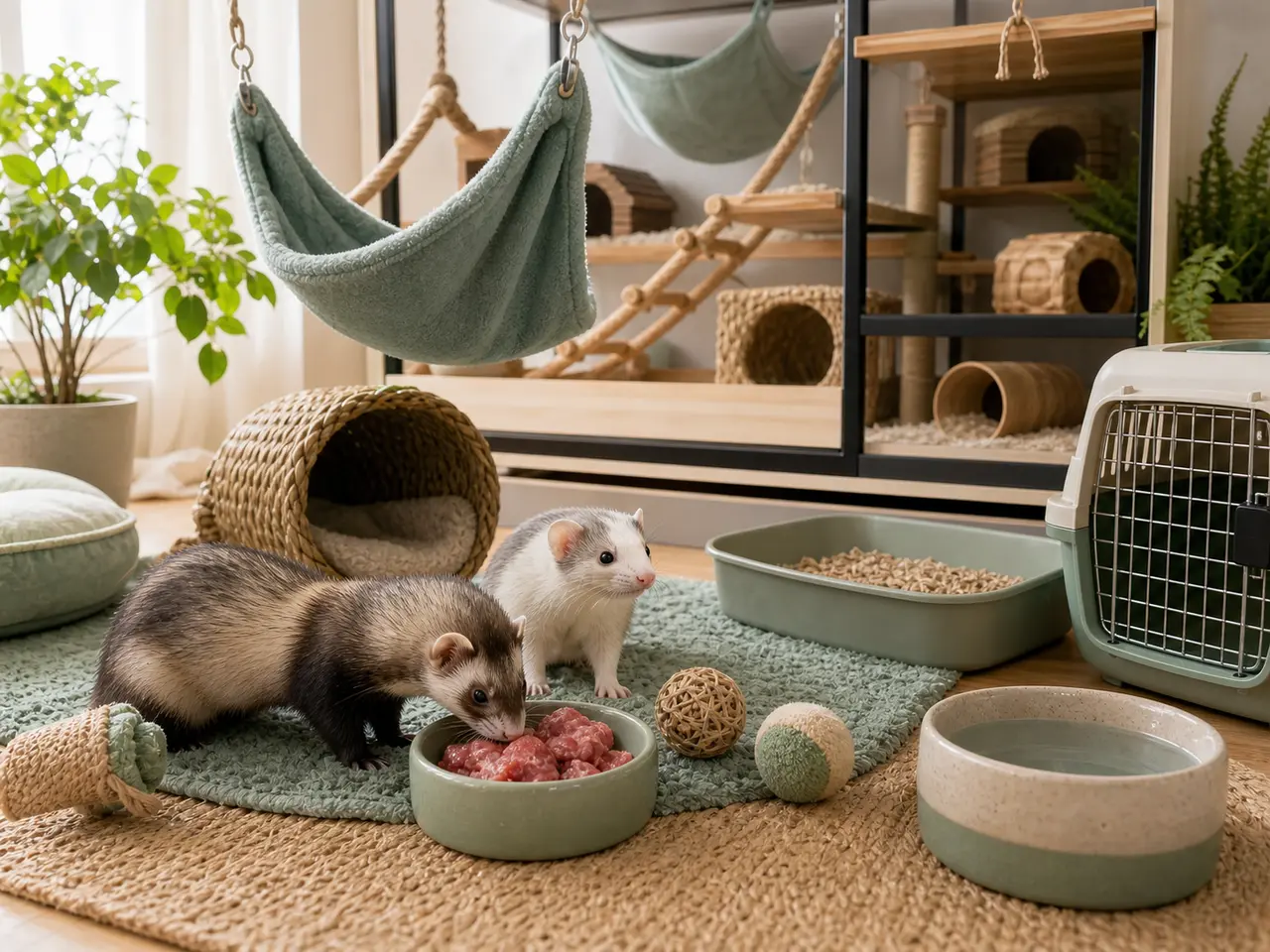
Guinea pigs often do best with low supported handling and food-led routine. Rats may become interactive with daily trust work. Syrian and dwarf hamsters usually need evening sessions and secure transfer tools. Mice may remain better observation pets. Chinchillas need careful support and short sessions. Ferrets need play rules and hazard control.
Do not judge success by whether every species acts cuddly. Judge success by whether the animal can be checked, moved, cleaned around, and observed without panic.
Prevent bites by changing the setup
Biting can come from fear, pain, territorial pressure, food confusion, or overexcited play. Wash food smells from hands, stop reaching into nests, shorten sessions, and call an exotic-pet vet if the bite pattern is new or paired with health changes.
A sudden new bite pattern can be a health clue. If handling changes alongside appetite, weight, breathing, posture, movement, or droppings, treat it as a reason to call an exotic-pet veterinarian.
Give children jobs that protect the animal
Children can refill hay with supervision, read the checklist, place a tunnel in the pen, or help record weight. They should not be the only person lifting, cleaning with chemicals, deciding a bite is harmless, or opening an enclosure.
The adult's job is to protect both sides: no squeezing, no chasing, no waking for entertainment, no face-level handling, and no free roaming in a room that has not been checked.
End while the animal is still coping
A good session often ends before the animal is exhausted. Put the animal back calmly, offer a predictable reward, and leave the habitat stable. Repetition matters more than one dramatic breakthrough.
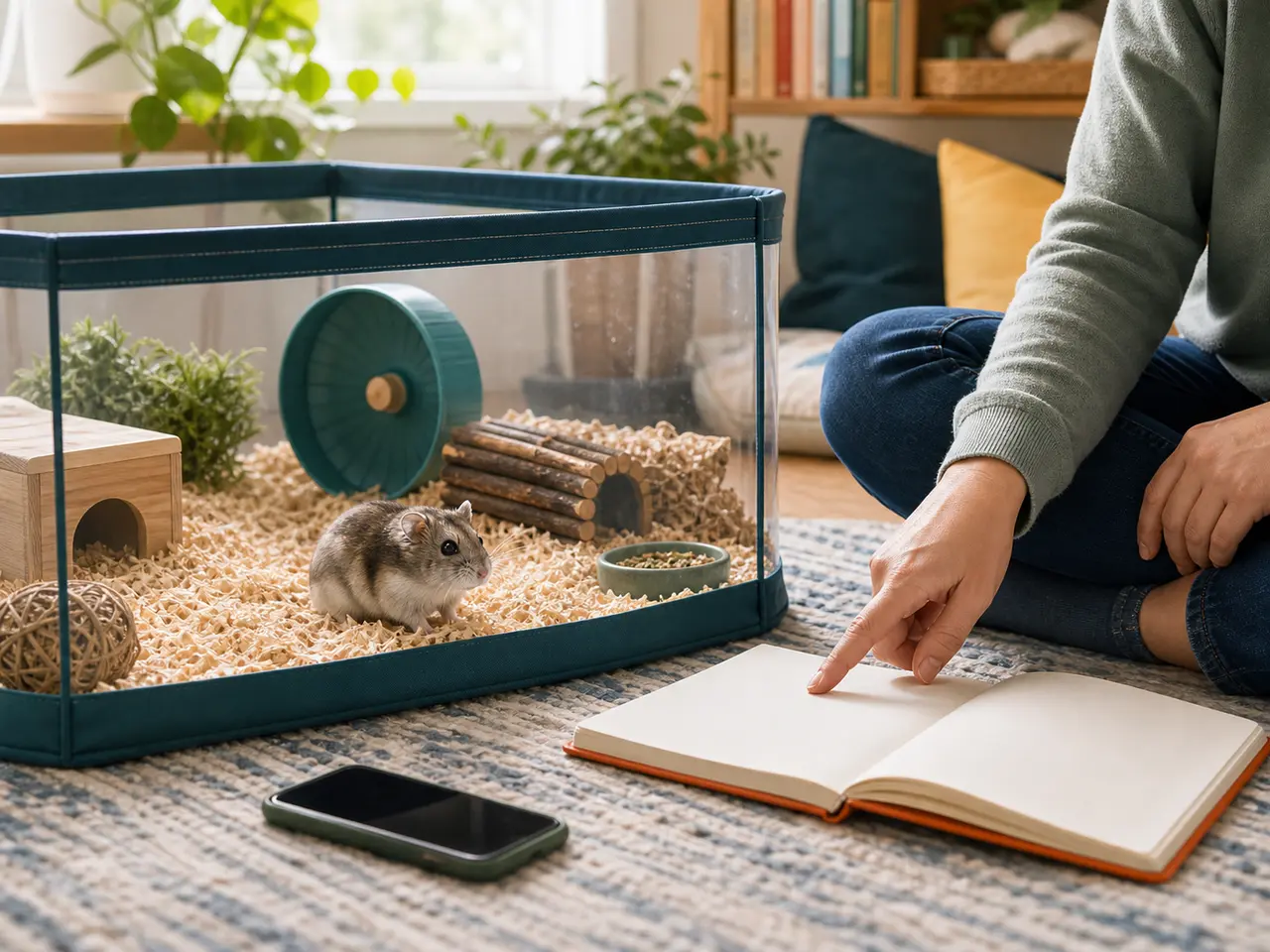
Track what worked: time of day, food used, transfer method, stress signs, and how quickly the animal returned to normal behavior. That record prevents repeated mistakes.
Before you decide
Can handling happen low, secure, and away from sudden household traffic?
Does the transfer method fit the species instead of relying on grabbing?
Can children help without being responsible for risky handling?
Would a sudden behavior change trigger a health check rather than scolding?
Useful setup pieces
Optional supplies that support the care routine after the species needs are clear.
Affiliate links: Furball Cove may earn from qualifying purchases at no extra cost to you.