Start with a mouse-appropriate staple
Use a food designed for mice or appropriate small rodents rather than relying on random seed treats. Tiny animals can become unbalanced quickly when favorite pieces replace the base diet.
Updated
Mouse food
Pet mice need a mouse-appropriate staple in tiny portions, clean water, careful extras, and feeding checks that account for group dynamics and escape risk.
Food for mice is small-scale care: tiny portions, secure water, careful storage, and close observation.
Use a food designed for mice or appropriate small rodents rather than relying on random seed treats. Tiny animals can become unbalanced quickly when favorite pieces replace the base diet.
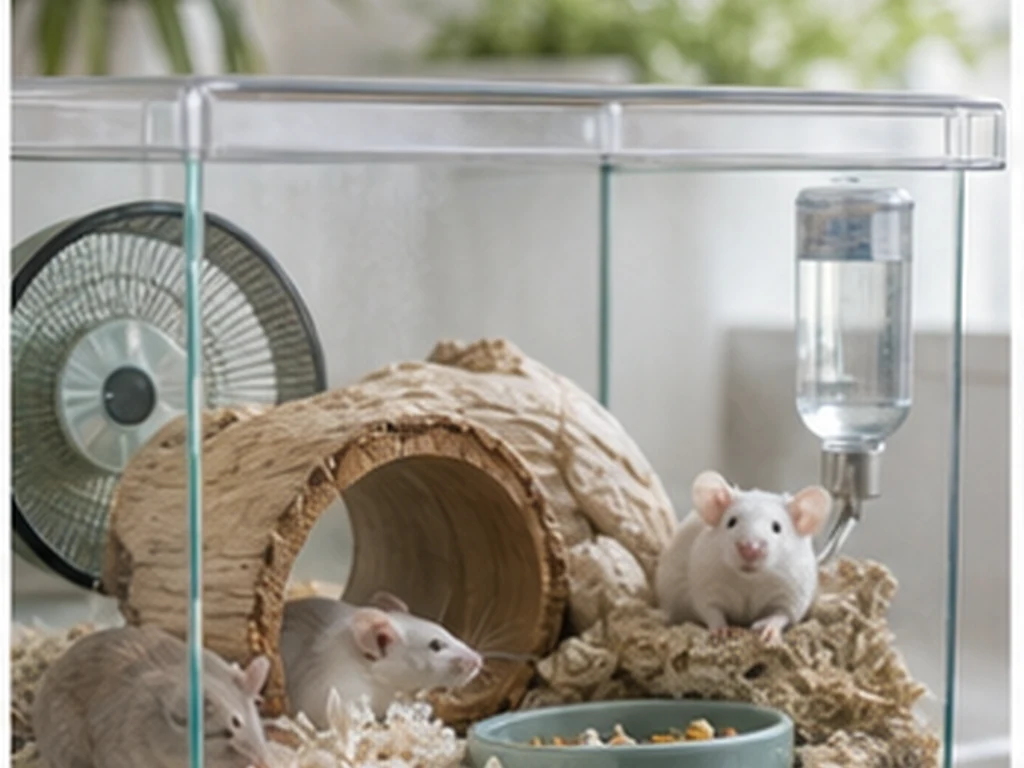
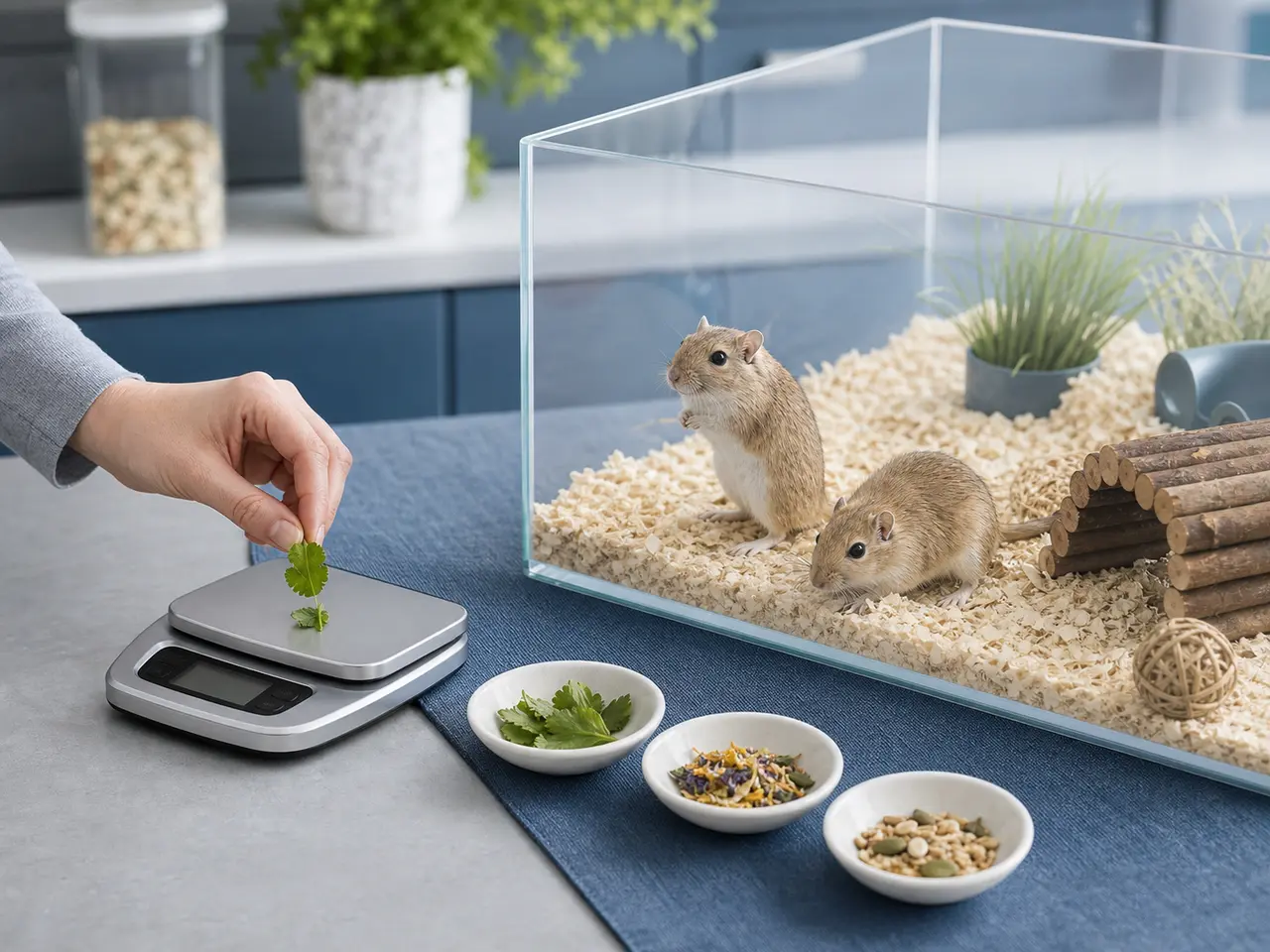
A small extra is still a lot for a mouse. Measure the regular serving, keep treats very small, and avoid letting fresh foods spoil under bedding or inside nests.
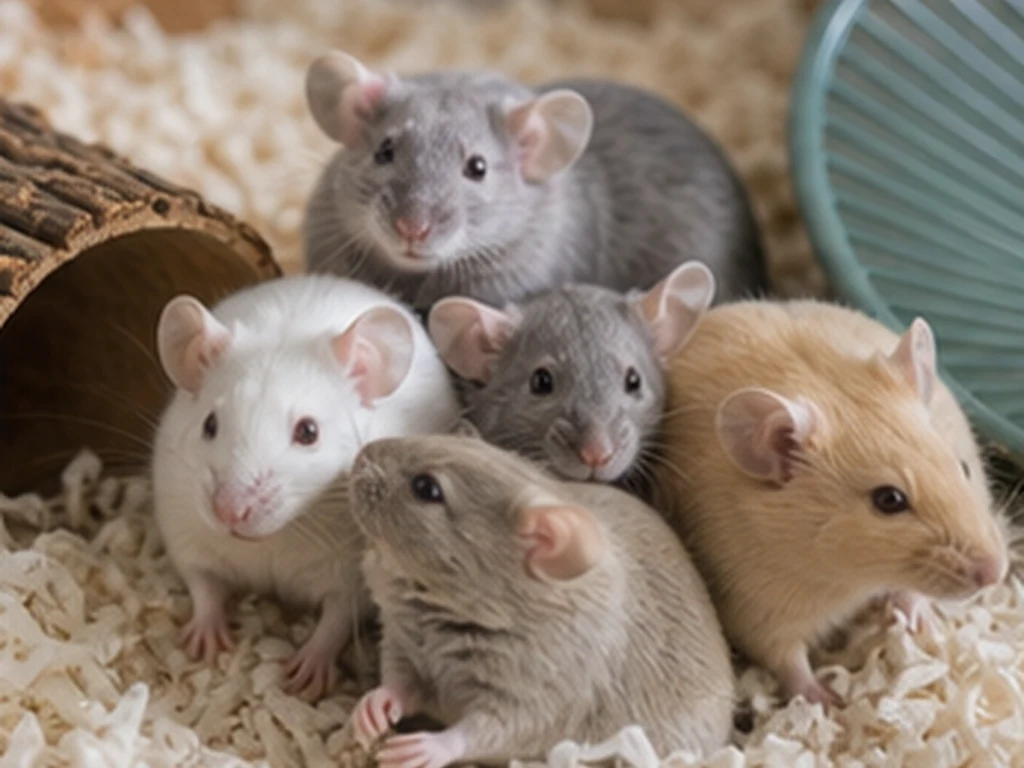
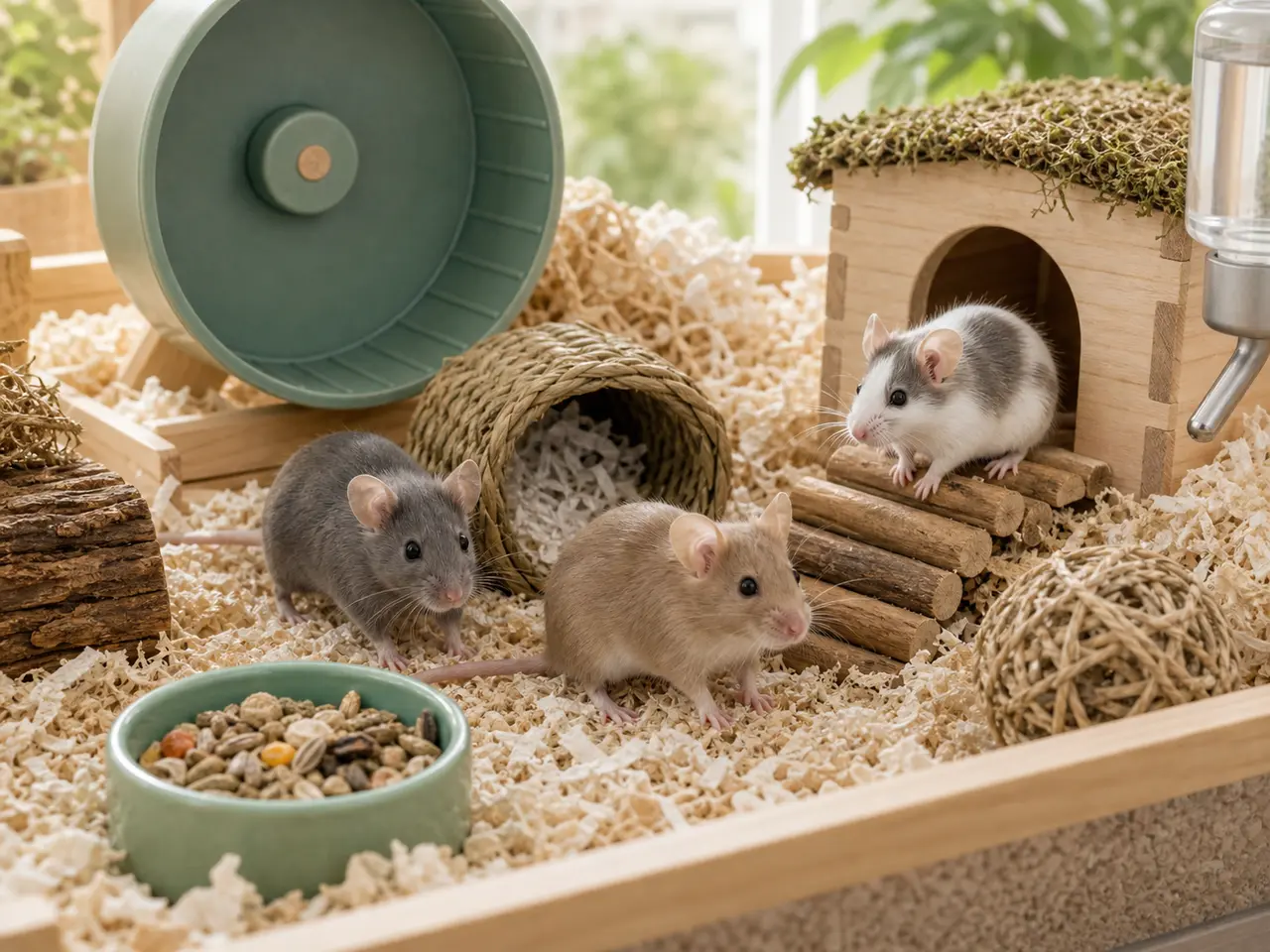
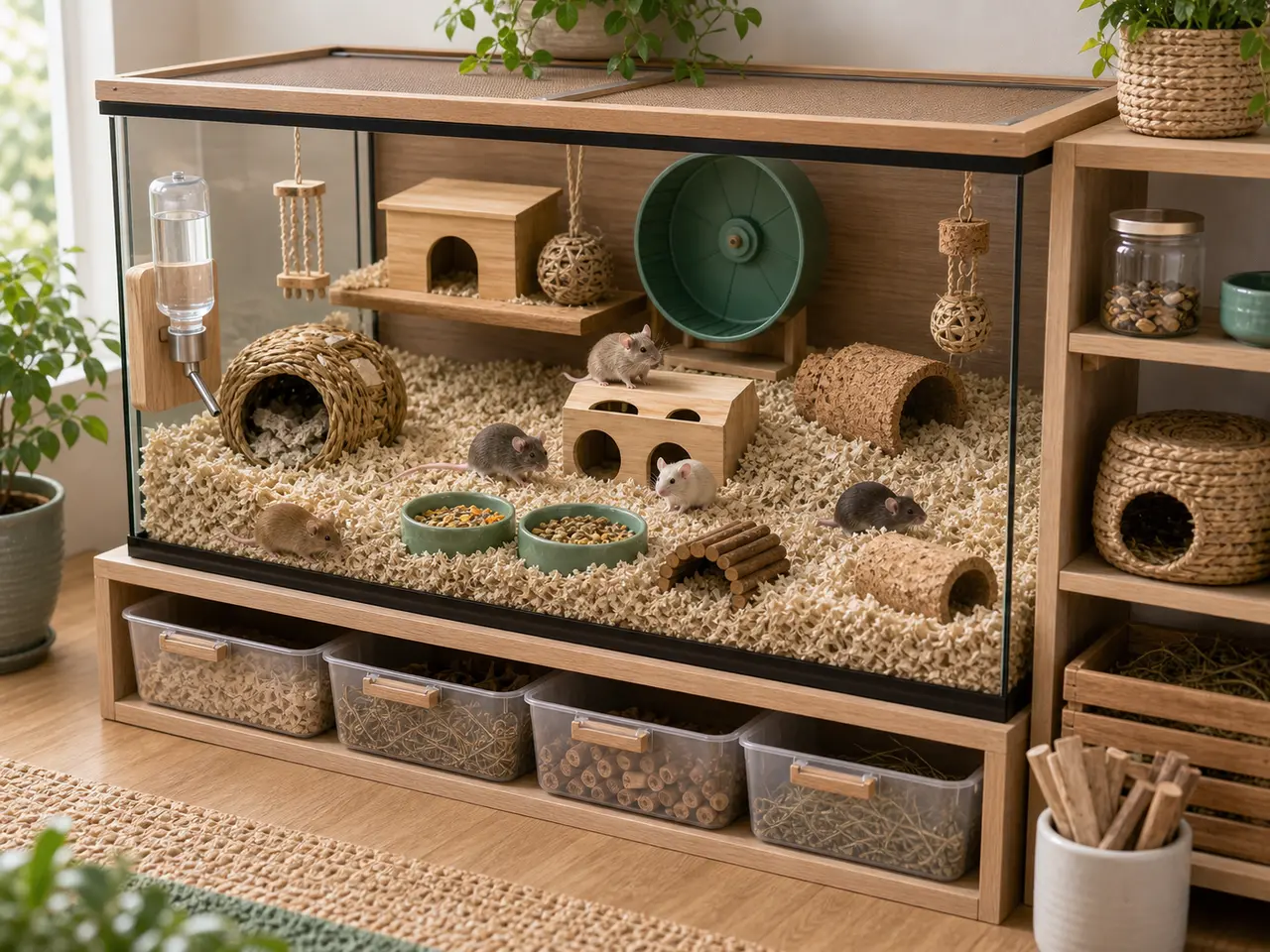
Mouse social rules depend on sex, history, and setup, but any group needs enough access to food and water. Spread feeding points if one mouse guards resources.
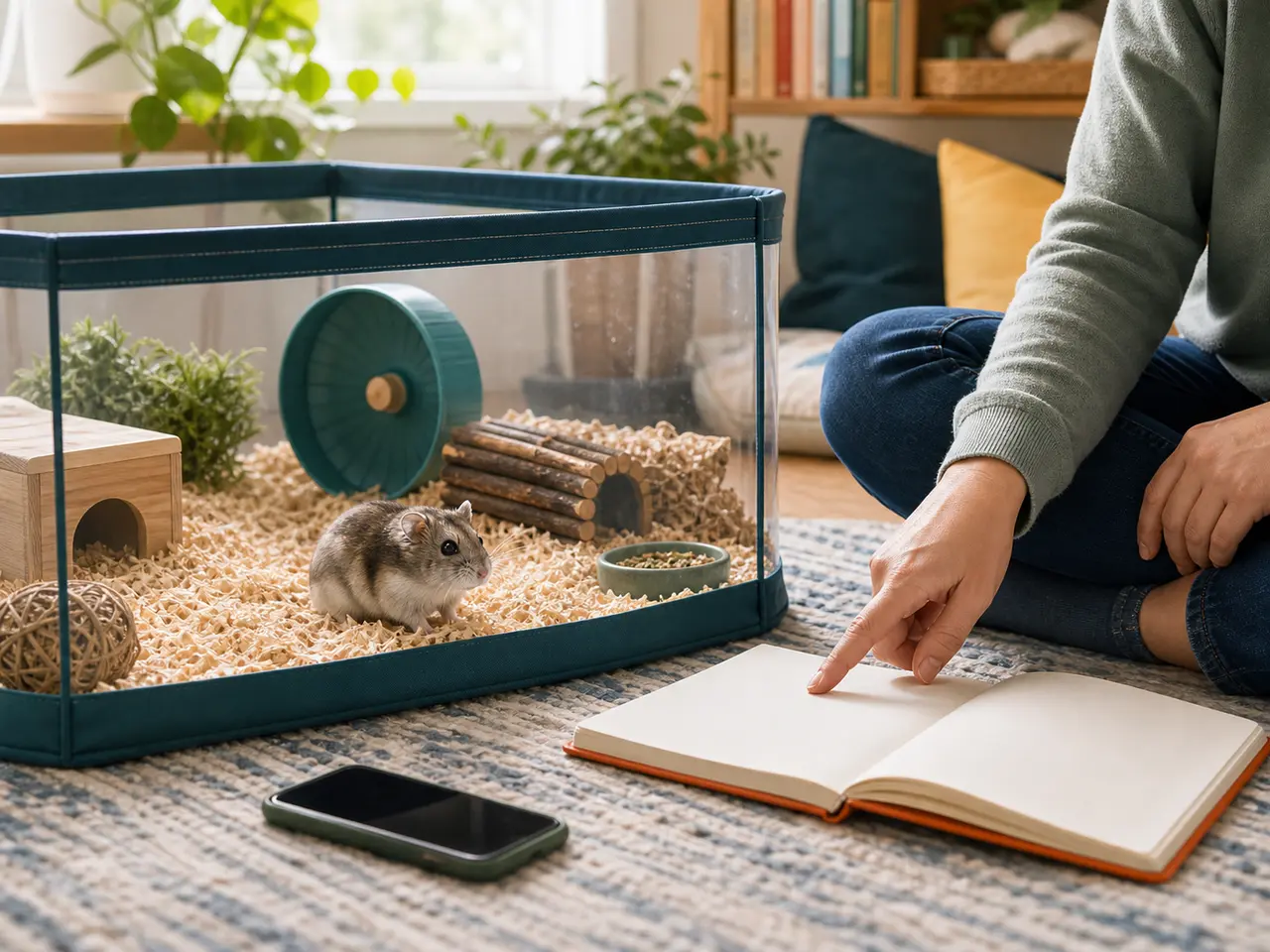
Scatter feeding can make the habitat more interesting, but the enclosure still needs to stay dry and observable. Keep water away from bedding that can wick moisture into food.
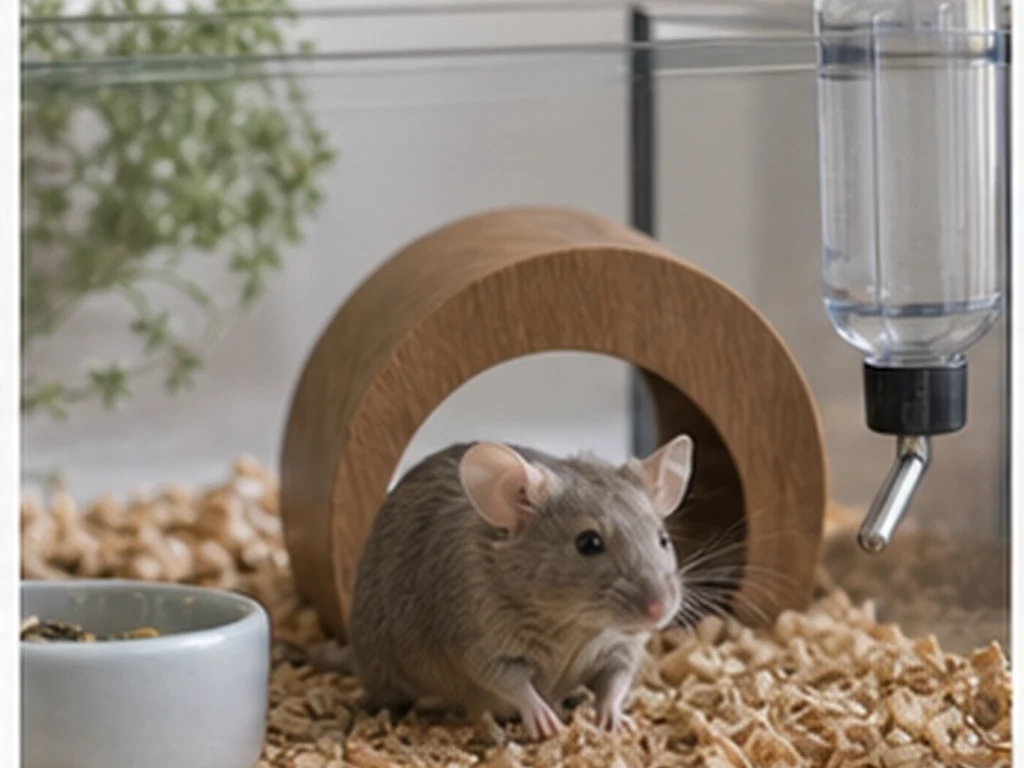
Strong odor can come from sex, crowding, bedding, cleaning rhythm, diet, or health. Do not hide odor with scented bedding. Check weight, coat, appetite, and water when the smell changes.
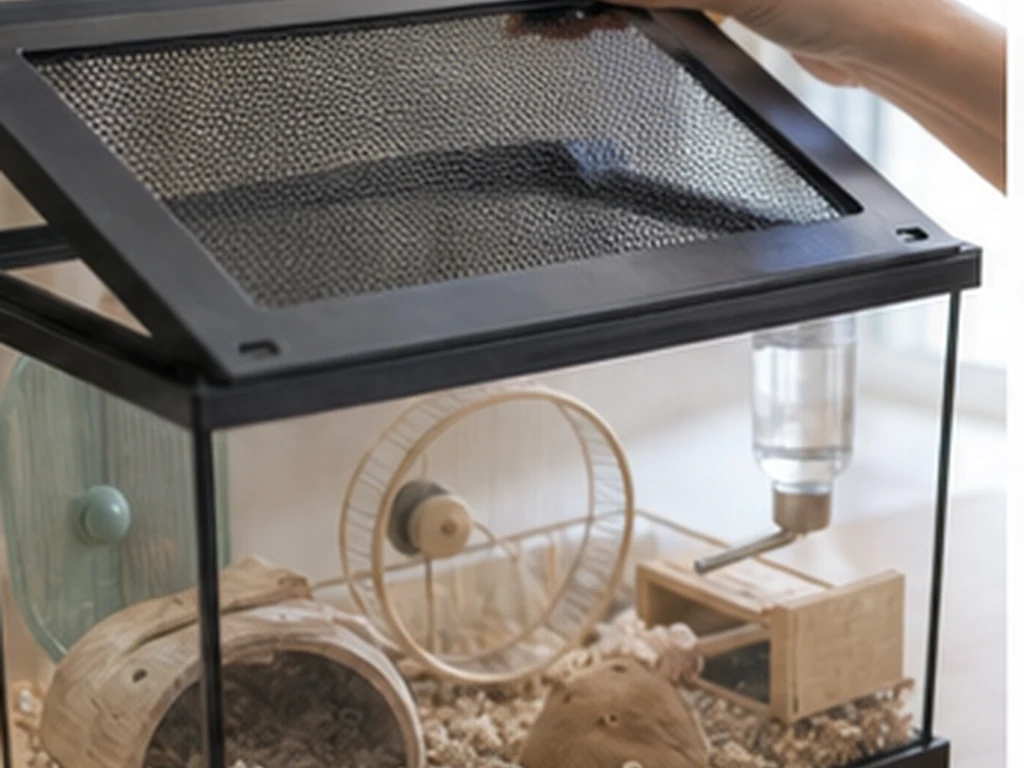
Use the food safety checker before new extras, keep pieces crumb-sized, and pull damp food before it reaches bedding or nests. Keep the normal staple steady and test one change at a time.
Write notes beside the habitat: portion, water, stool or droppings, weight, cleaning changes, and behavior after the food. If appetite drops, diarrhea appears, breathing changes, or the animal seems painful, call an exotic-pet veterinarian instead of trying another treat.
Optional supplies that support the care routine after the species needs are clear.
Affiliate links: Furball Cove may earn from qualifying purchases at no extra cost to you.