Updated

Species guide

Pet Mouse Care Guide

Pet mice need escape-resistant housing, deep bedding, hides, a safe wheel, group planning, tiny portions, and gentle low handling.

They fit careful observers who can manage tiny-scale safety.

Start with secure housing

Start with secure housing

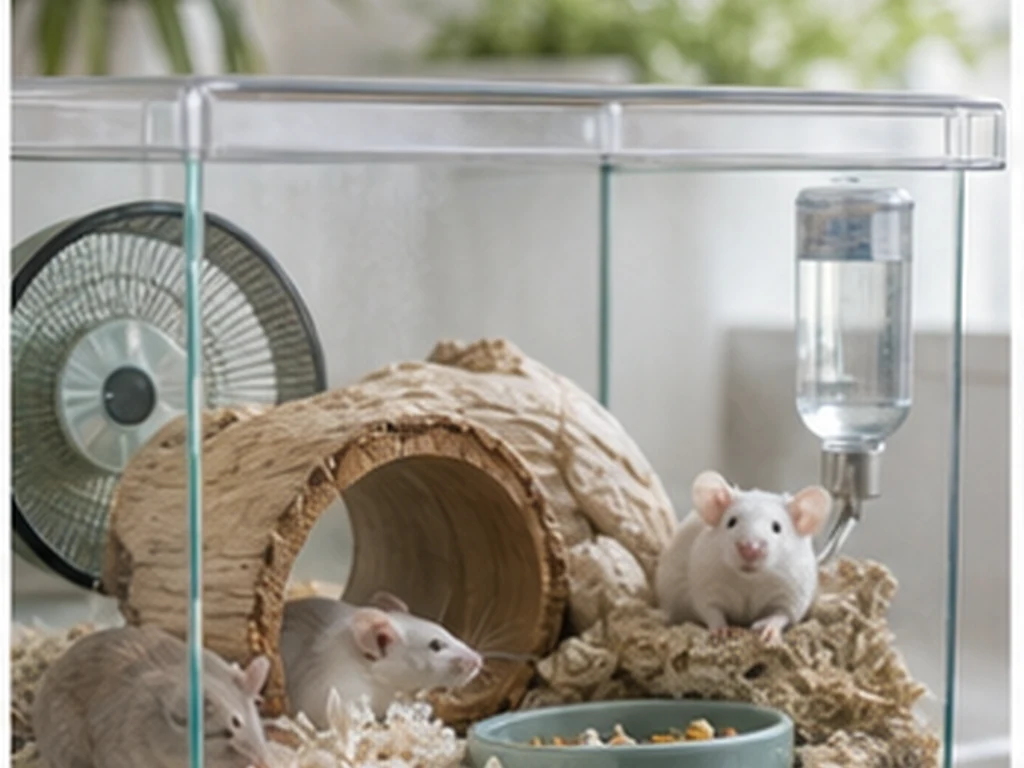
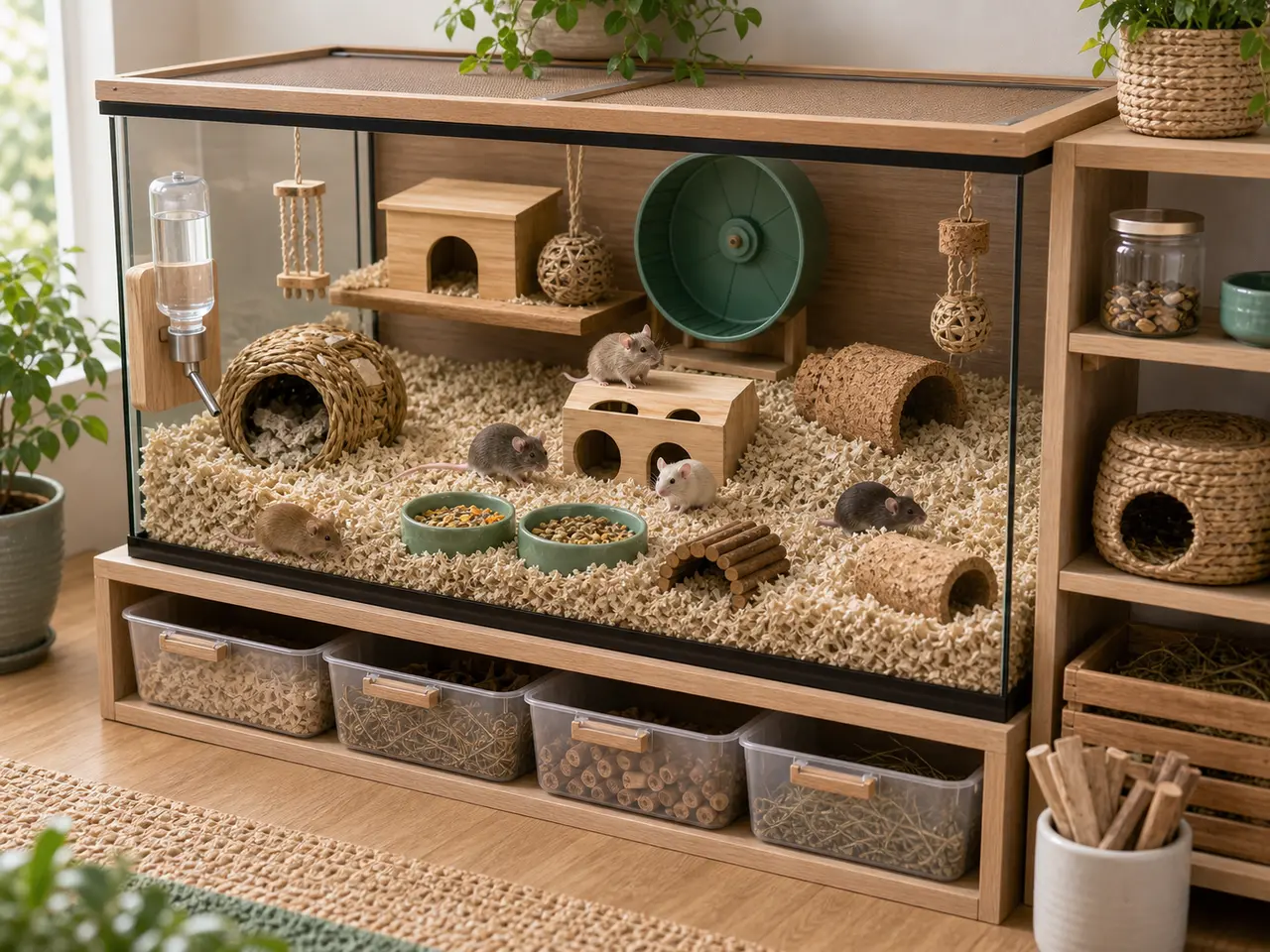
A mouse enclosure must be escape-resistant before it is decorative. Check bar spacing, lids, doors, water mounts, wheel stands, cable openings, and any gap a determined mouse could test.

Use the adult body size, not the store label, to judge security. A loose mouse can be injured quickly by furniture, vents, other pets, traps, cords, or a room that cannot be safely searched.
Give deep bedding and tiny-scale enrichment

Give deep bedding and tiny-scale enrichment

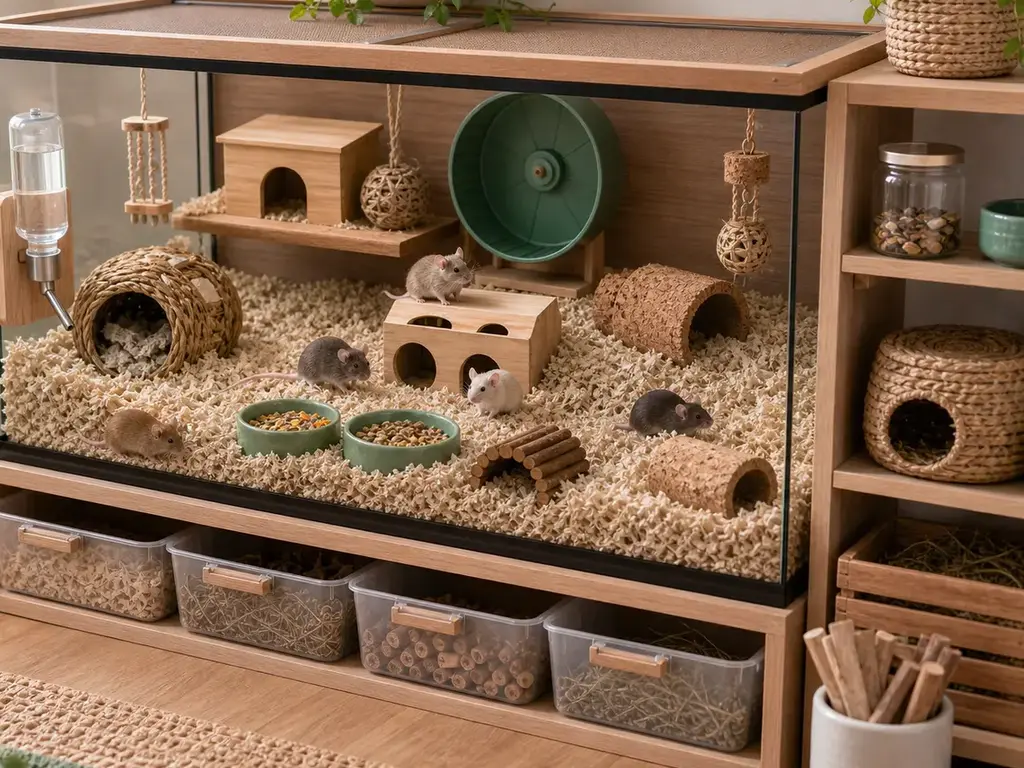
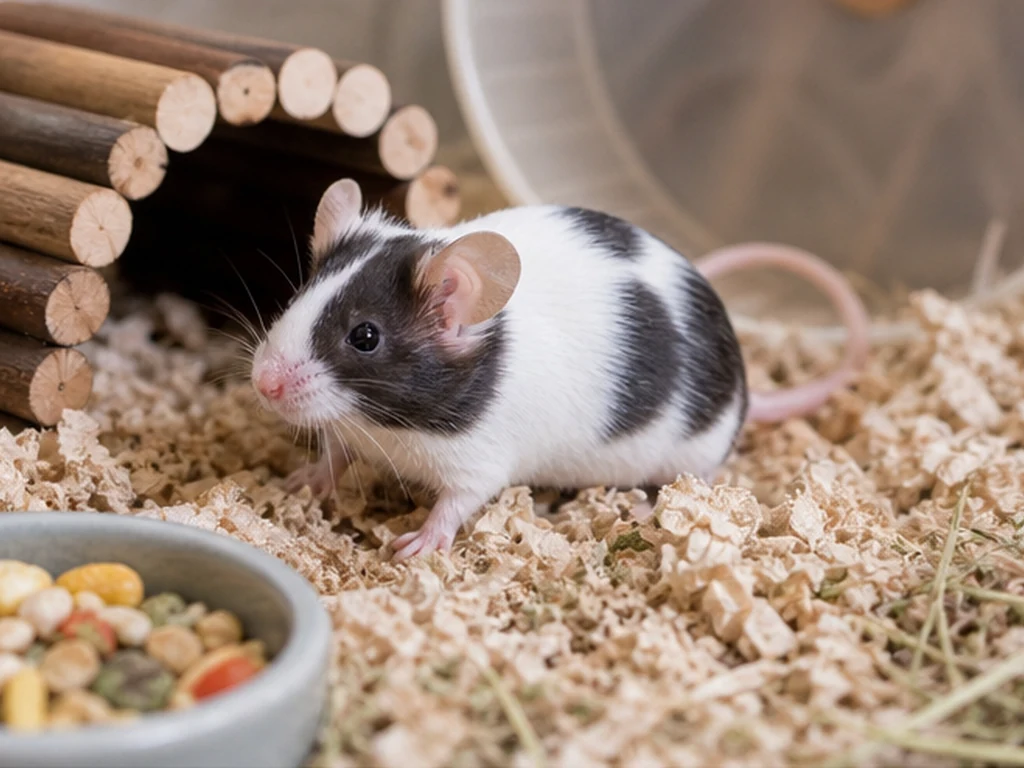
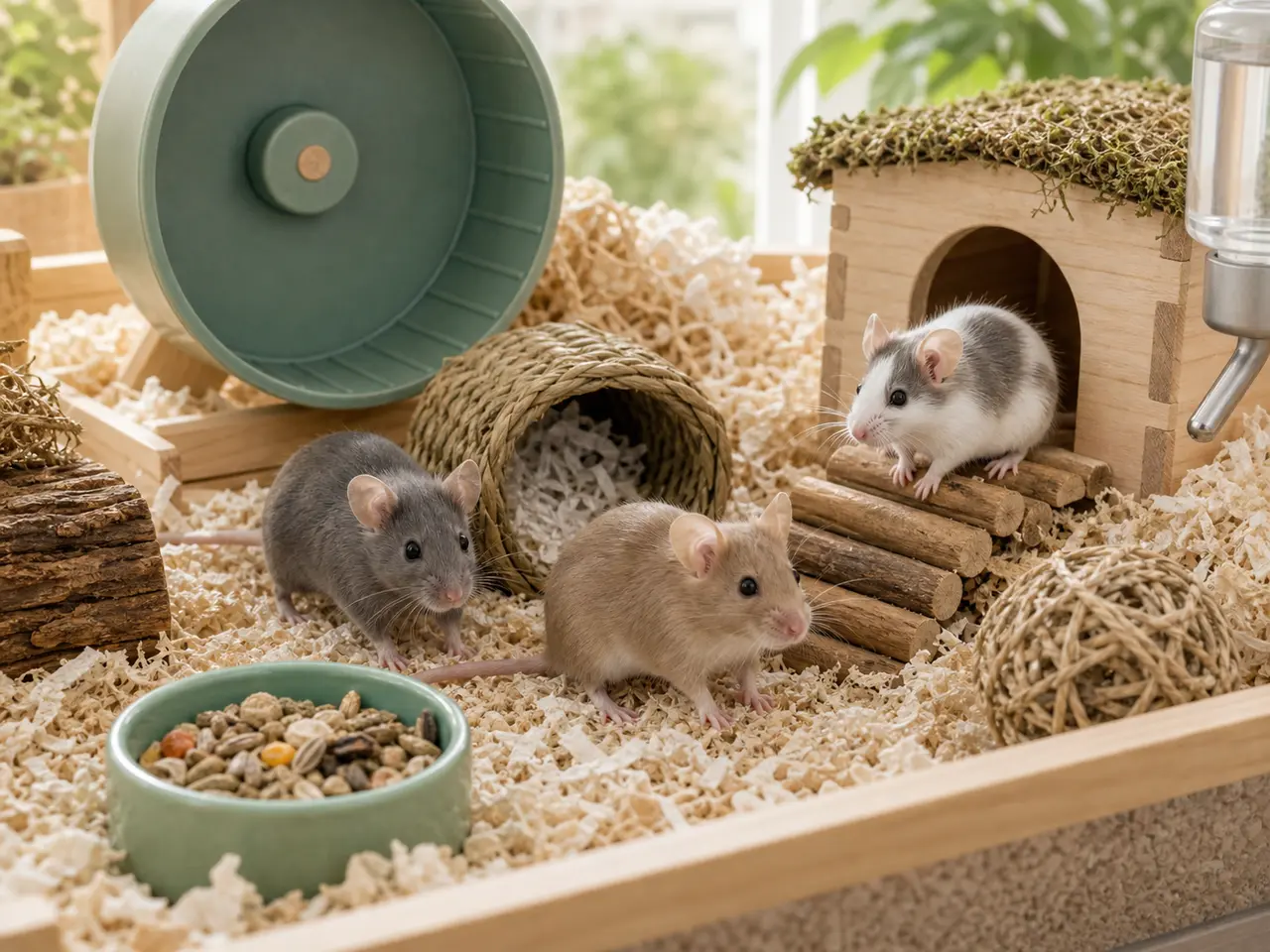
Mice need deep bedding for digging, nesting, scent work, and choice. A flat bare cage with one plastic house does not give them enough to do and can make cleaning feel like the only event in the habitat.

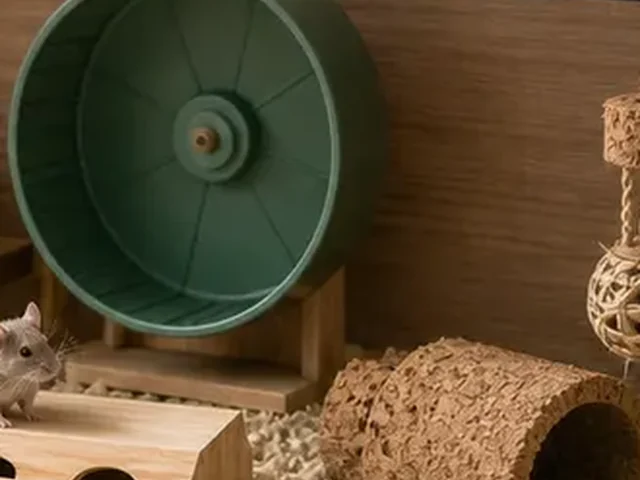
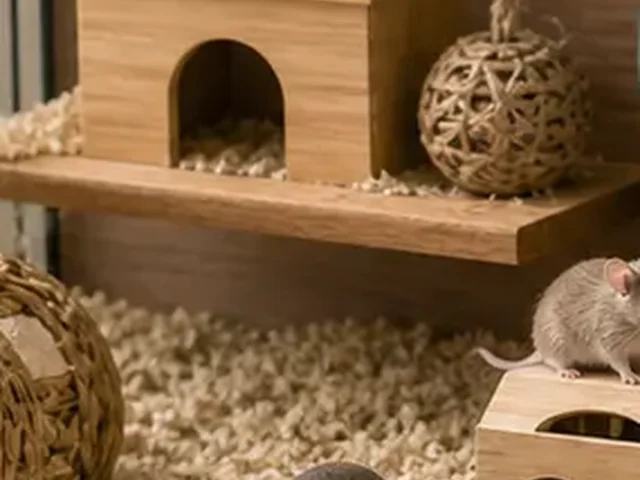
Add small hides, tunnels, chew-safe items, nesting material, scatter feeding, and a solid wheel sized so the body does not arch sharply. Keep everything stable enough that burrows and wheel use stay safe.

Plan the group by sex and history care scene

Plan the group by sex and history

Female mice are often kept in compatible groups, while male mice may need solitary housing unless guided by an experienced rescue or veterinarian. Do not assume every mouse can live with every other mouse.

Group stress can show as chasing, wounds, guarding food, sleeping apart, weight loss, or one mouse hiding constantly. A peaceful group still needs multiple hides, food points, water access, and enough bedding to avoid resource pressure.

Handle close to the surface care scene

Handle close to the surface

Mice are quick and fragile. Start with calm presence, food association, tunnel transfers, and low hand work over a secure surface. Avoid tail picking except when a trained professional needs emergency control.

Some mice become comfortable with gentle handling, while others remain better observation pets. The goal is a mouse who can be checked and moved safely, not a mouse forced to act cuddly.

Keep food and water measurable care scene

Keep food and water measurable

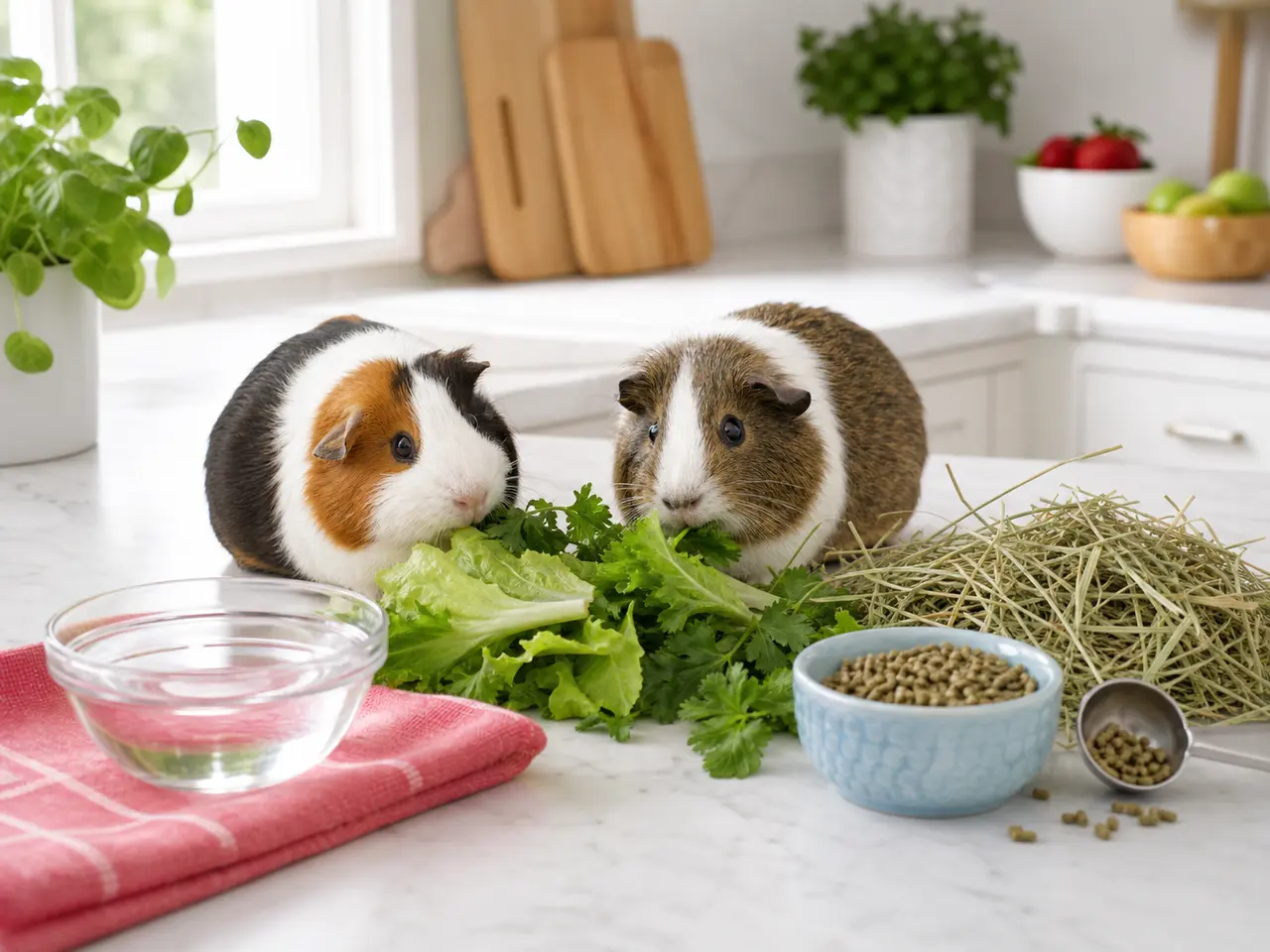
Tiny portions make overfeeding and selective eating easy to miss. Use a mouse-appropriate staple, controlled extras, and water access that cannot leak into bedding or be blocked by cage mates.

Watch body condition, food leftovers, hoards, droppings, and whether every mouse in the group can eat. A small scale helps catch weight loss before the change is obvious in the hand.

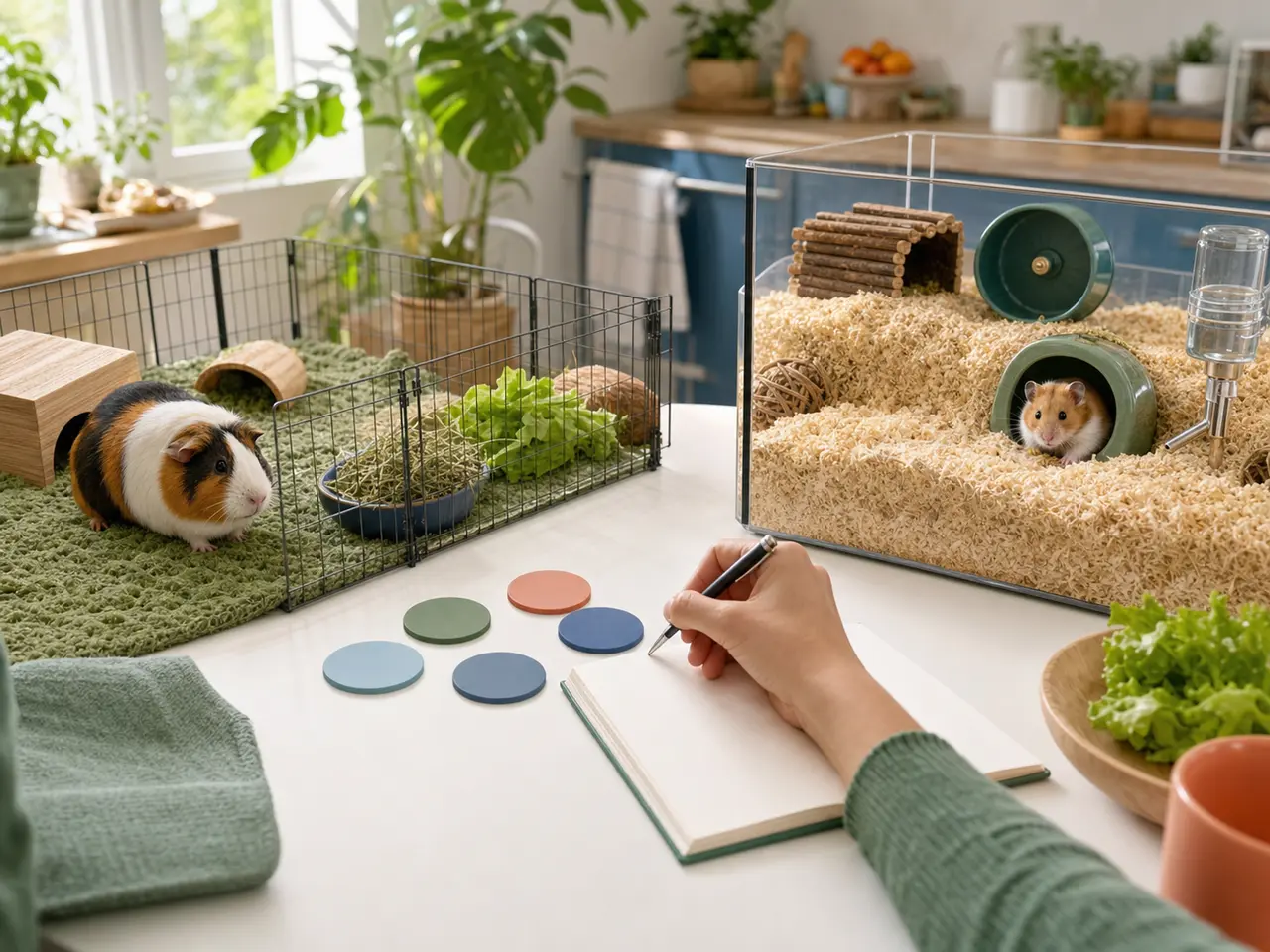
Mouse health check setup with a mouse-safe carrier, gram scale, food and water notes, and bedding records

Treat small changes as useful data

Labored breathing, clicking sounds, hunched posture, rough coat, head tilt, wounds, diarrhea, sudden quietness, poor movement, or appetite loss should prompt exotic-pet veterinary advice quickly.

Bring notes on group changes, cleaning products, bedding, food, water, weight, droppings, and when the sign started. Because mice are so small, waiting for a dramatic decline can be dangerous.

Before you decide

  • Is the enclosure secure against the smallest adult mouse?
  • Does the habitat provide deep bedding, hides, tunnels, nesting material, and a solid wheel?
  • Is the group plan appropriate for sex, history, and behavior?
  • Can you observe weight, appetite, breathing, movement, and injuries without stressful chasing?

Next best moves

  • Use multiple hides and food points so a group cannot bottleneck one resource.
  • Check water hardware daily because leaks and blockages escalate quickly in a small habitat.
  • Treat repeated chasing, wounds, or weight loss as a housing and health problem, not normal drama.

Useful setup pieces

Optional supplies that support the care routine after the species needs are clear.

Affiliate links: Furball Cove may earn from qualifying purchases at no extra cost to you.

Solid-surface wheel sized for mice.

Mouse-safe wheel

A smooth wheel that supports running without tail, toe, or wire-rung hazards.

Tiny mouse hide set in a secure habitat.

Tiny hide set

Adds several small covered stops so mice can move, rest, and avoid pressure inside the group.

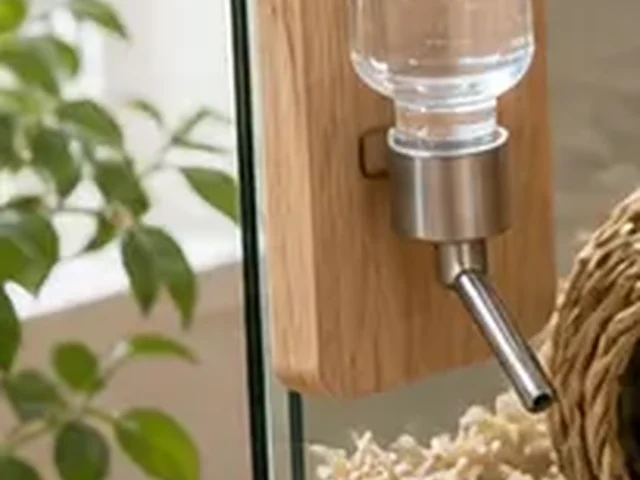
Mouse water bottle mounted at a reachable height.

Water bottle

Keeps water visible and reachable without soaking nesting areas or deep bedding.

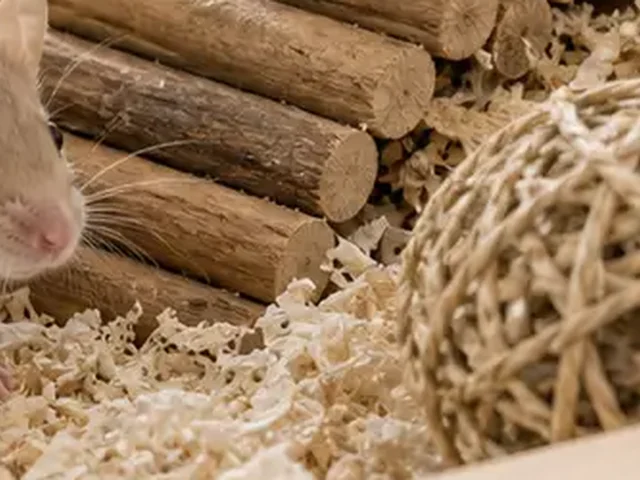
Mouse-safe woven foraging ball in a habitat.

Foraging toy

Adds a small foraging job that keeps mice busy without sugary treats or mystery materials.

References