Find an exotic-pet vet before adoption by calling clinics, asking which species they regularly see, checking after-hours options, and saving the number where every caregiver can find it.
Treat small changes as information worth acting on.
Find the clinic first
Start before adoption. Call clinics, ask which small mammals they regularly see, and save both regular and after-hours numbers.
Ask about your exact species, emergency coverage, appointment availability, and whether they handle dental, respiratory, digestive, and ferret blockage concerns.
Match the clinic to the pet
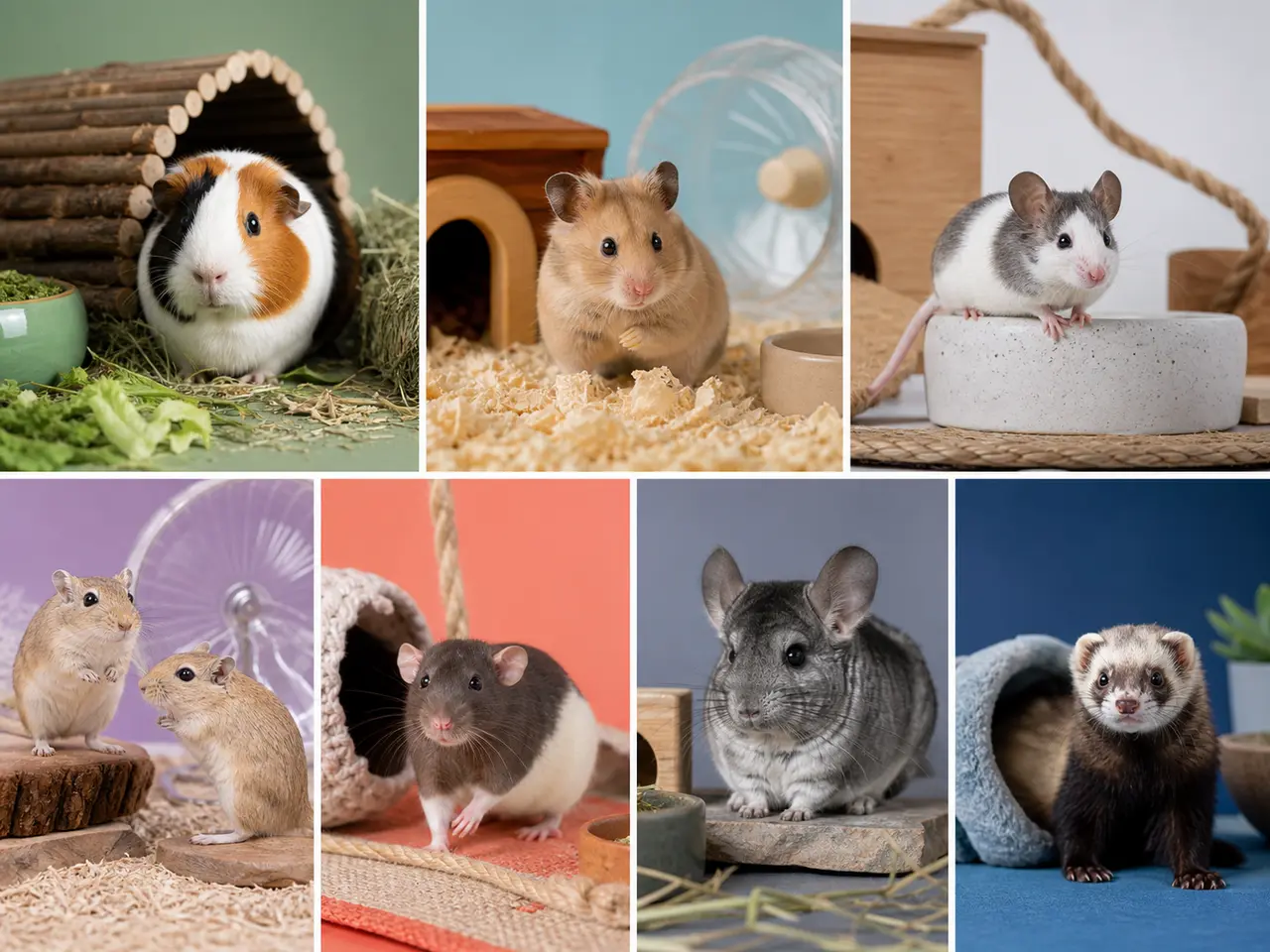
A clinic that sees guinea pigs may not handle ferrets, chinchillas, or tiny mice with the same confidence.
Match the clinic to the animal you plan to keep, then keep a backup option for nights, weekends, and holidays.
Save the clinic details
Put the clinic name, phone number, address, and after-hours instructions on the habitat and in every caregiver's phone.
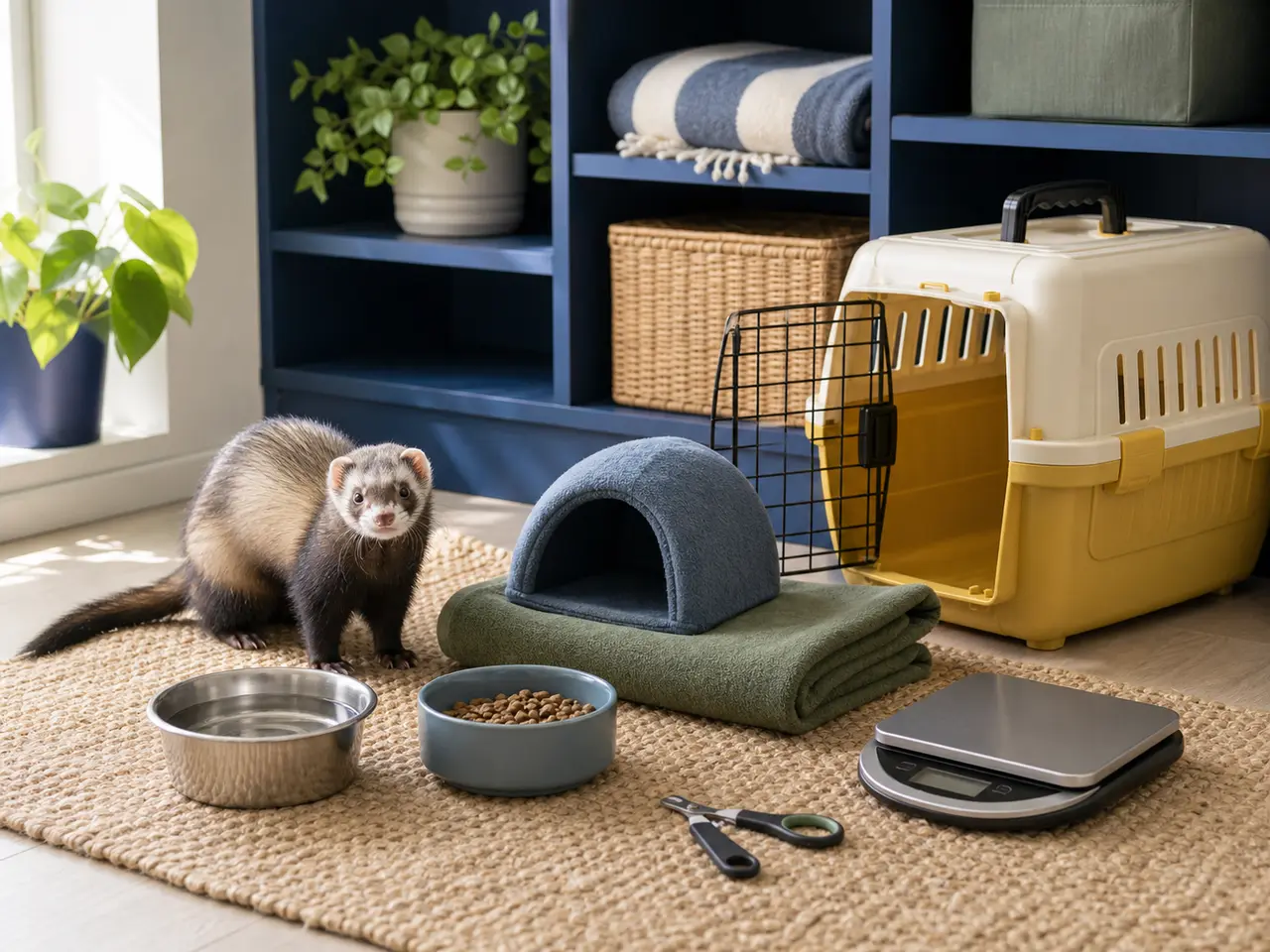
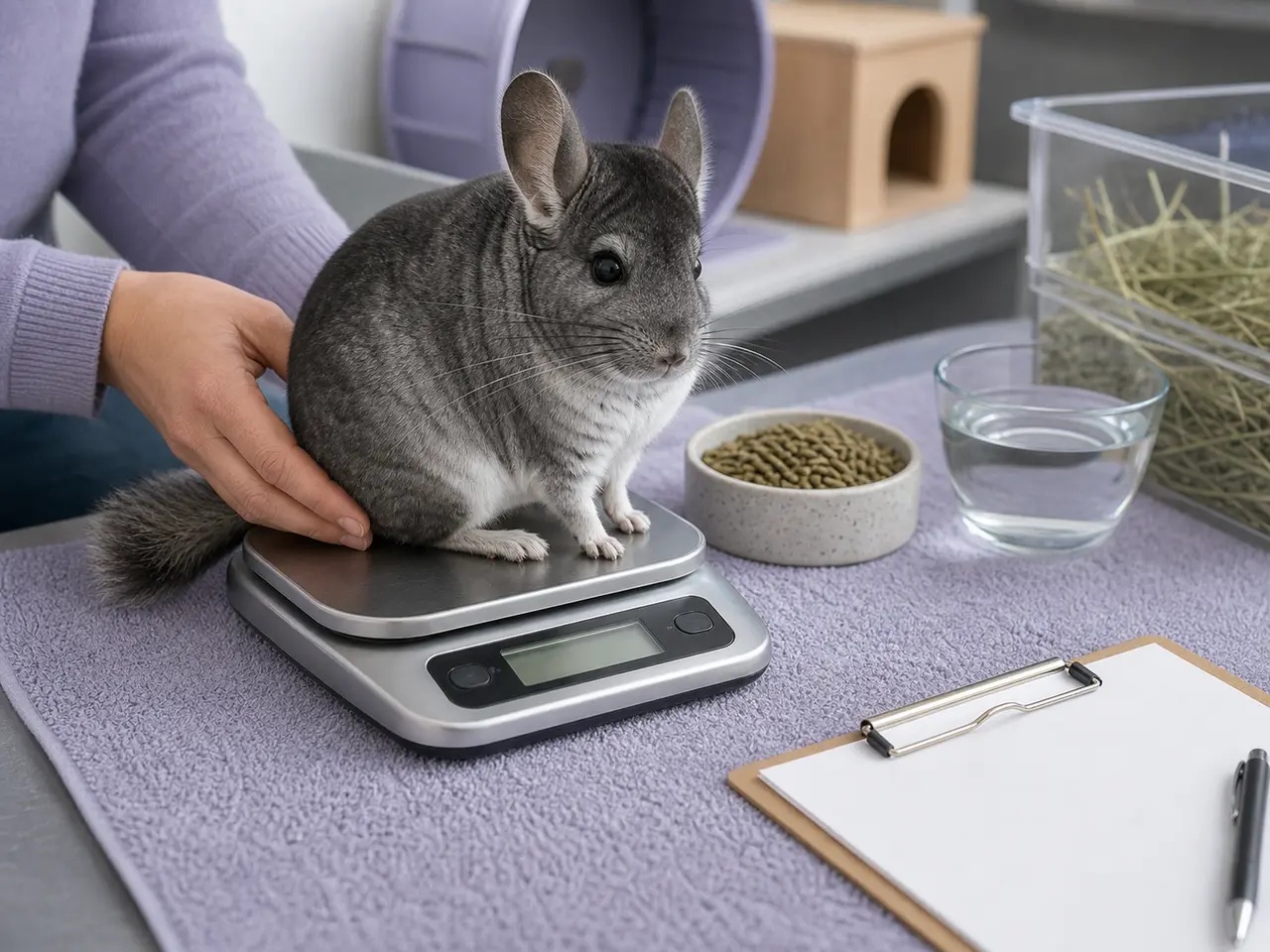
Keep a carrier, gram scale, normal food details, and current weight notes ready for the first call.
Search before illness
The vet search is urgent if the animal is not eating, breathing oddly, losing weight, producing fewer droppings, injured, overheated, or possibly exposed to a toxin.
Do not wait until the animal is already sick to learn that the nearest clinic does not see the species.
Call two clinics
Call two clinics this week and write down which species they see.
If you cannot find care within a realistic drive, choose a different pet before adoption.
Before you decide
Is appetite, poop or stool, breathing, movement, or weight different today?
Do you have the carrier, scale, and clinic number ready?
Can you describe the timing, food, water, symptoms, and possible hazards to a vet?
Would waiting make the animal weaker or harder to transport?
Next best moves
Keep the carrier, gram scale, normal food, and clinic number ready now.
Write down timing, food, water, droppings, breathing, weight, and possible hazards.
Call promptly when appetite, breathing, movement, stool, heat, or energy changes suddenly.
Common health questions
Does this answer apply to every small mammal?
No. The page gives the practical rule, then the species profile should decide the final housing, food, handling, and vet plan.
When should I ask a veterinarian?
Ask an exotic-pet veterinarian promptly for appetite loss, fewer droppings, labored breathing, collapse, severe lethargy, wounds, heat stress, or sudden weight change.