

Top questions
Health & Emergency Questions
Read these health questions when a change could mean a vet call.
Small pets can decline quickly, especially after appetite or breathing changes.
Call a veterinarian for appetite, breathing, collapse, diarrhea, or sudden weight changes.
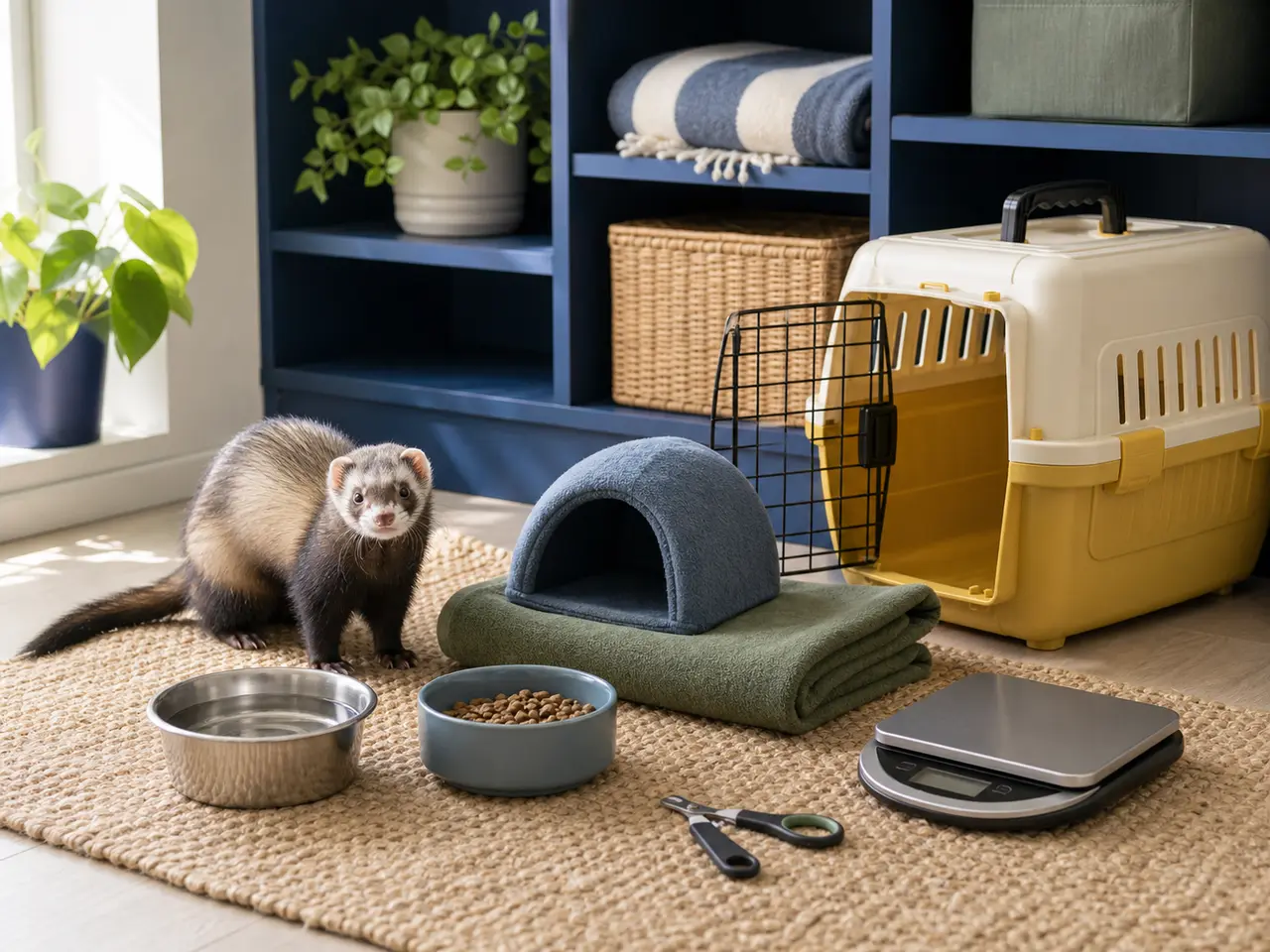
Not eating can mean pain, stress, heat, blockage, or illness.

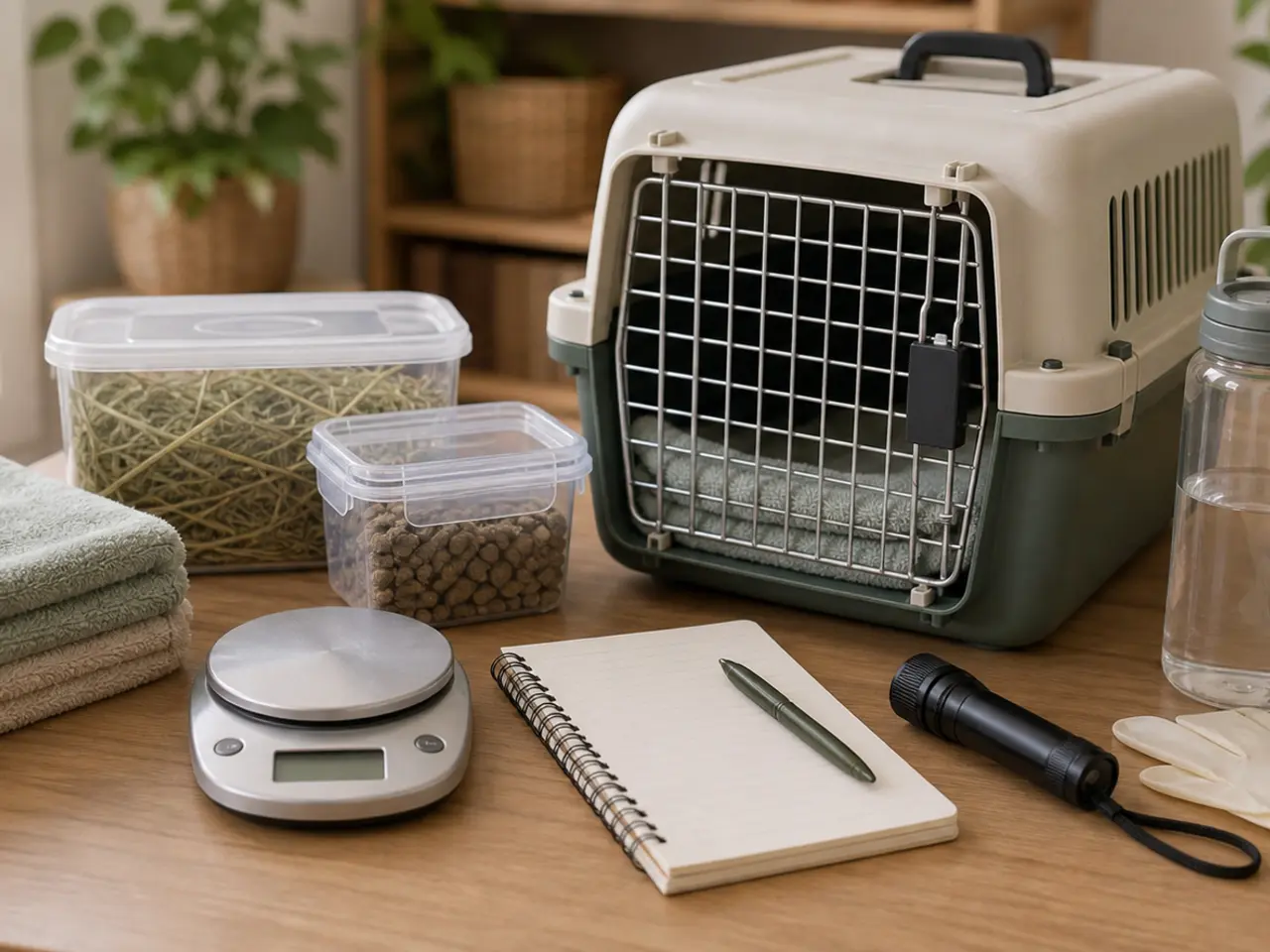
Use a gram scale, a stable bowl or carrier, and the tare function.

A small mammal emergency kit should include a secure carrier, current weight notes, towels, species food, water plan, vet contacts, gloves, flashlight.

Wet-tail signs, diarrhea, or appetite loss need urgent veterinary care.

No poop or appetite needs prompt exotic-pet veterinary advice.
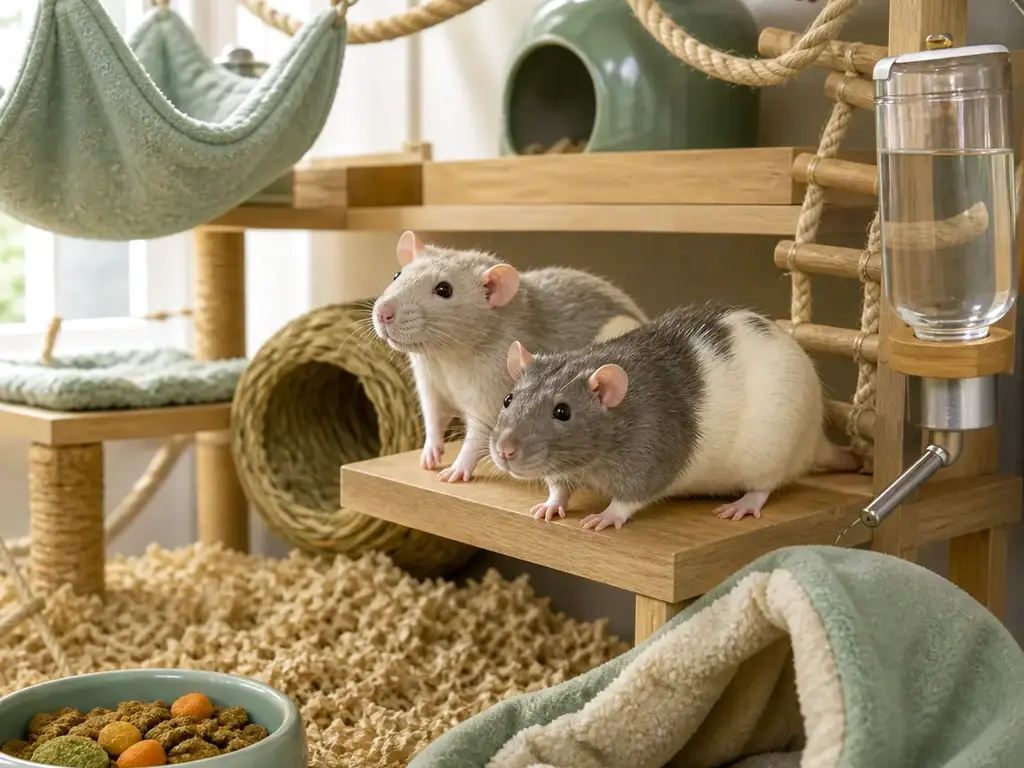
Noisy breathing or sudden quietness needs an exotic-pet veterinarian call.
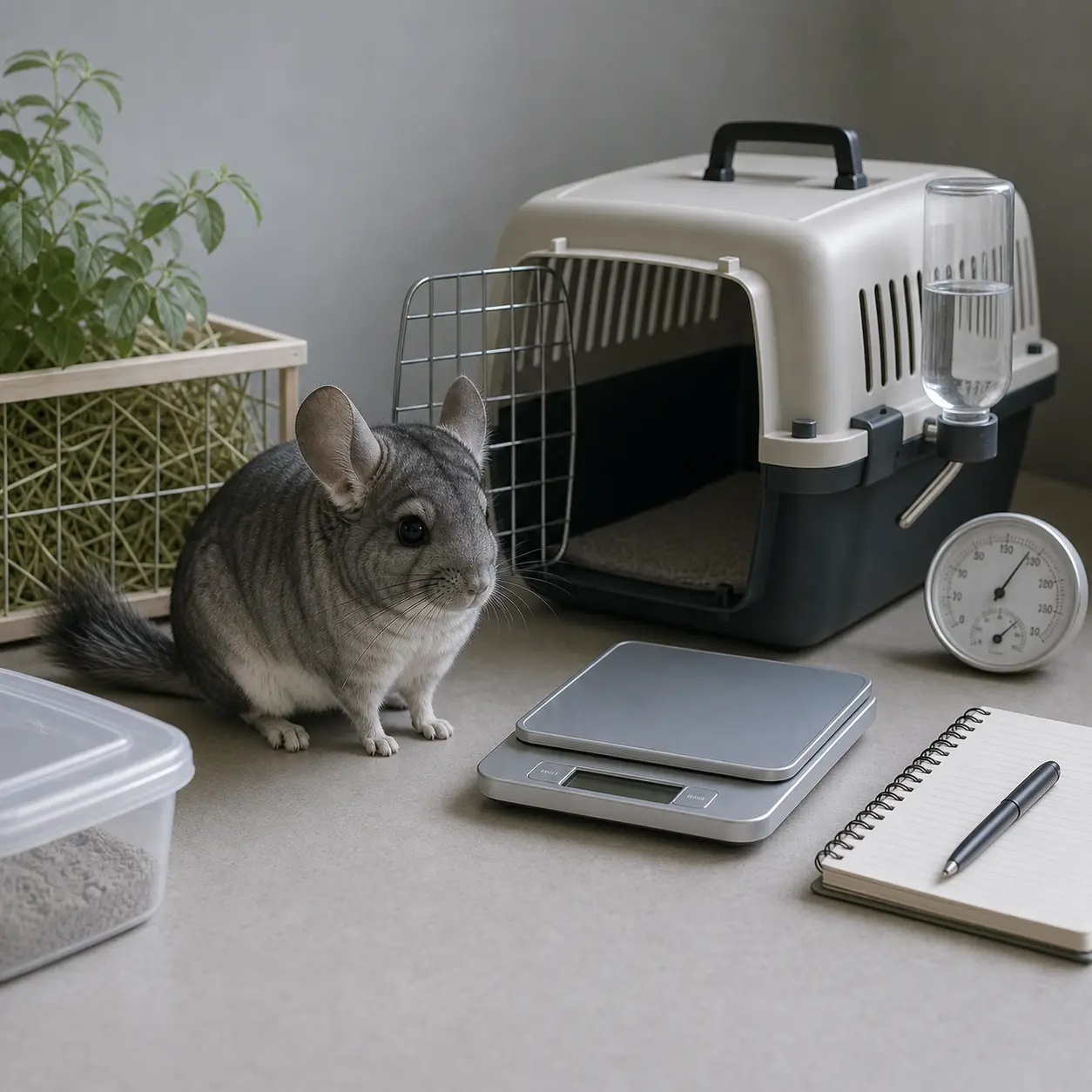
Prevent heat exposure and get urgent veterinary advice for weakness, panting, or collapse.

Possible swallowed objects need a fast veterinarian call, especially with vomiting or weakness.

Find an exotic-pet vet before adoption by calling clinics, asking which species they regularly see, checking after-hours options.