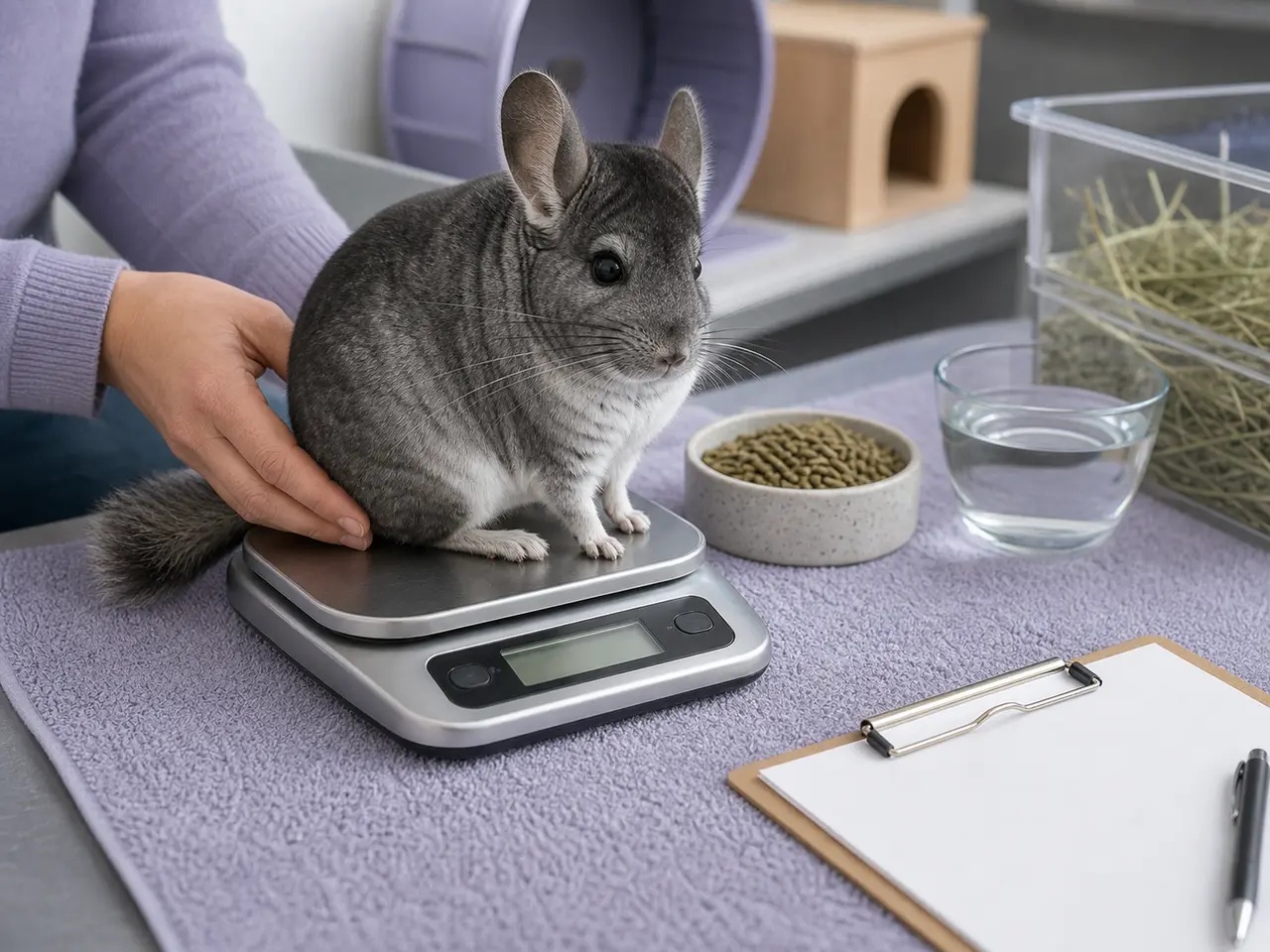
Keep chinchillas safe by preventing heat exposure: cool room, shade, dry air, backup cooling, carrier plan, and fast vet advice for drooling, weakness, red ears, panting, or collapse.
Treat small changes as information worth acting on.
Keep heat risk low
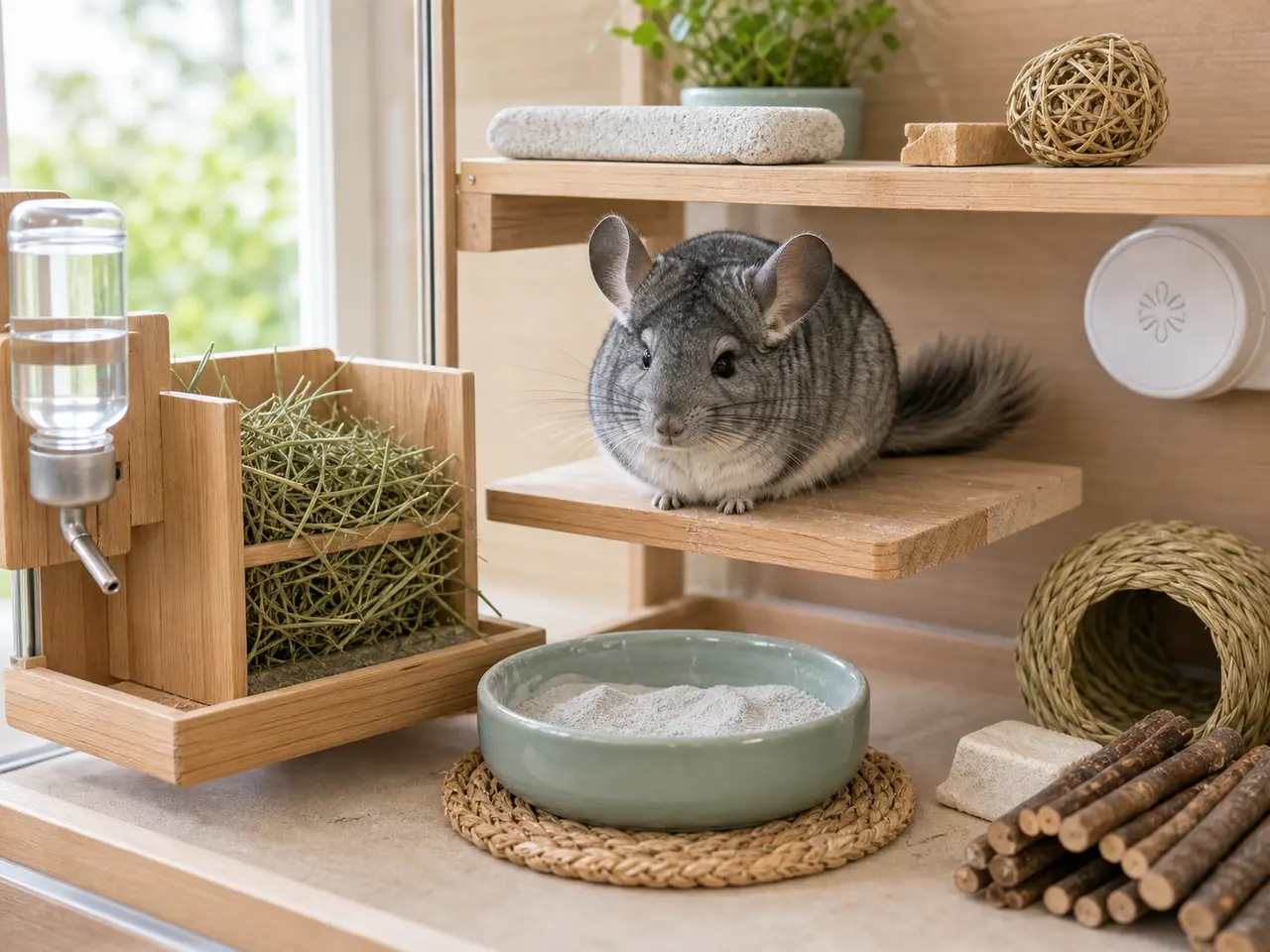
Keep chinchillas in a cool, dry room with reliable temperature control; heat and humidity can become dangerous quickly.
Move the cage away from sun, warm windows, kitchens, laundry rooms, and rooms that heat up when the door is closed.
Chinchillas overheat quickly
Chinchillas are more heat-sensitive than many small pets because of dense fur and a dry, cool-room care routine.
Fans alone do not make a hot room safe; they move air but do not lower the animal's body heat enough.
Plan the cool room
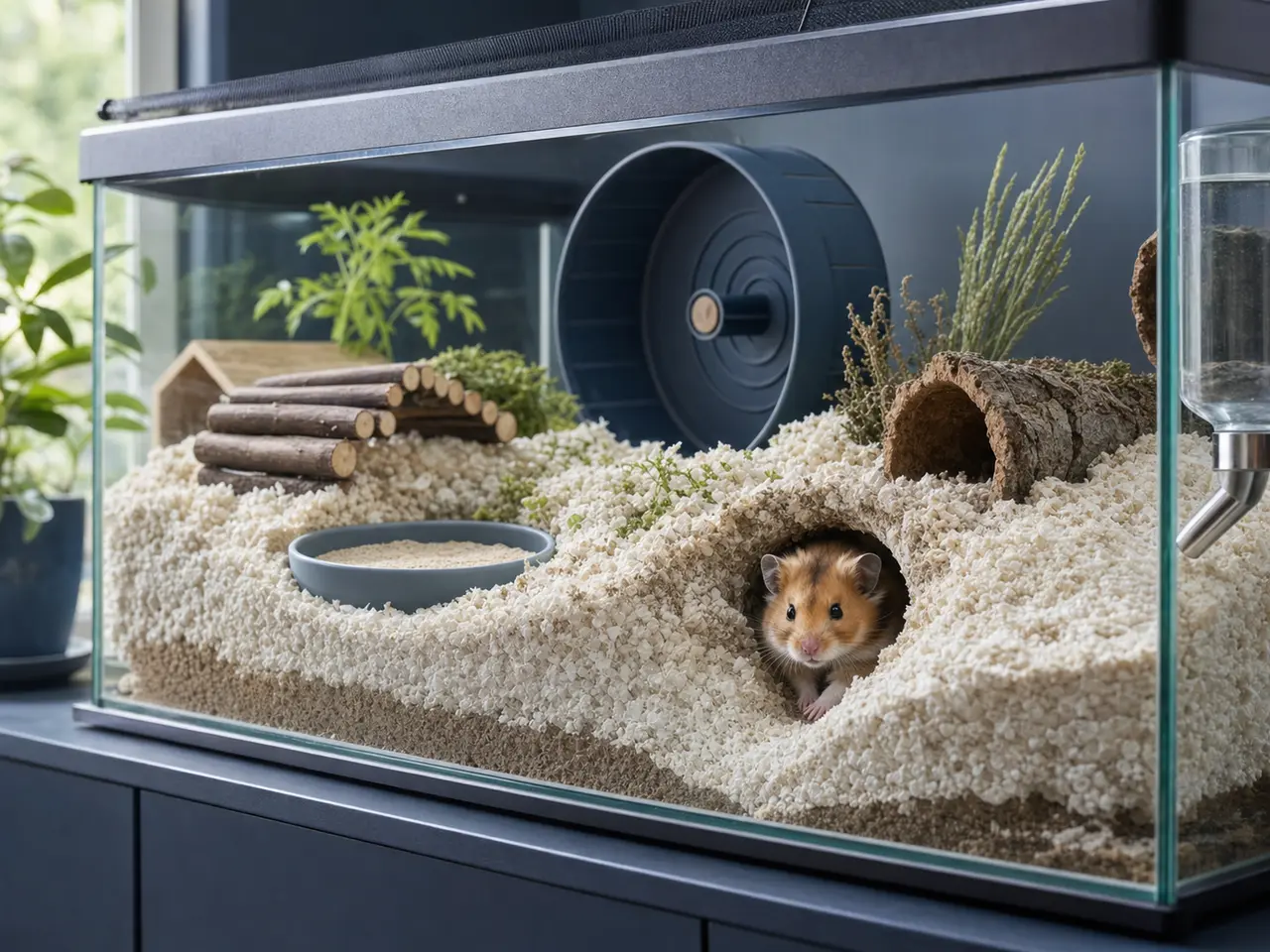
Use a room thermometer, plan backup cooling, keep water available, and avoid stressful handling during heat.
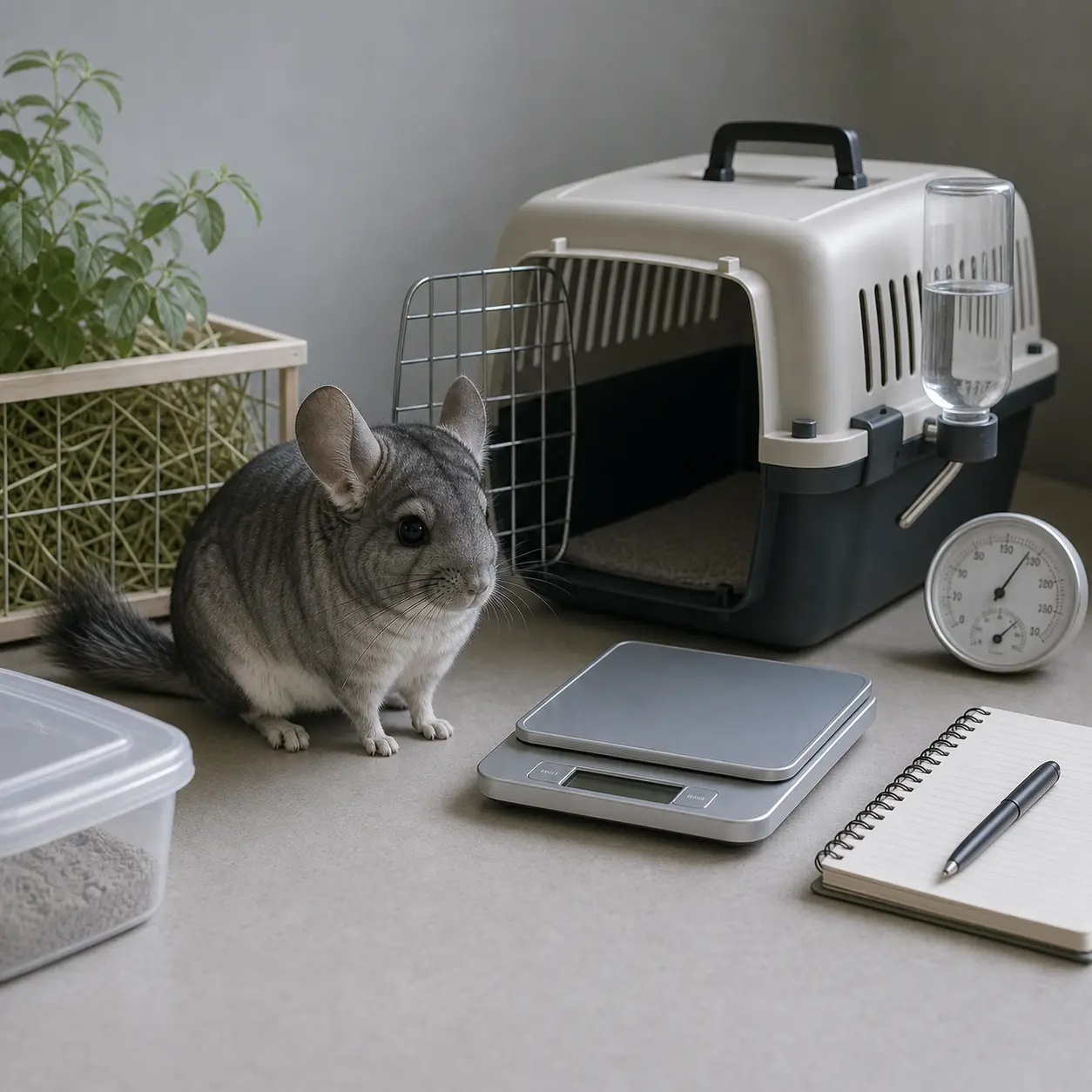
Know where the carrier and clinic contact are before a heat emergency starts.
Act fast on heat signs
Panting, drooling, red ears, weakness, lying stretched out, seizures, not eating, or collapse needs urgent veterinary advice.
Do not wet a chinchilla's fur as a casual cooling method; wet fur can create more problems.
Plan for power outages
Set the safe room plan now and decide what you will do during a power outage.
If the room is already hot and the chinchilla seems off, call an exotic-pet vet immediately.
Before you decide
Does this match the species' normal staple diet?
Are water, portions, leftovers, and hoards easy to check?
Would you notice less appetite, fewer droppings, soft stool, or weight loss today?
Have you opened the matching food guide before changing the diet?
Next best moves
Keep the carrier, gram scale, normal food, and clinic number ready now.
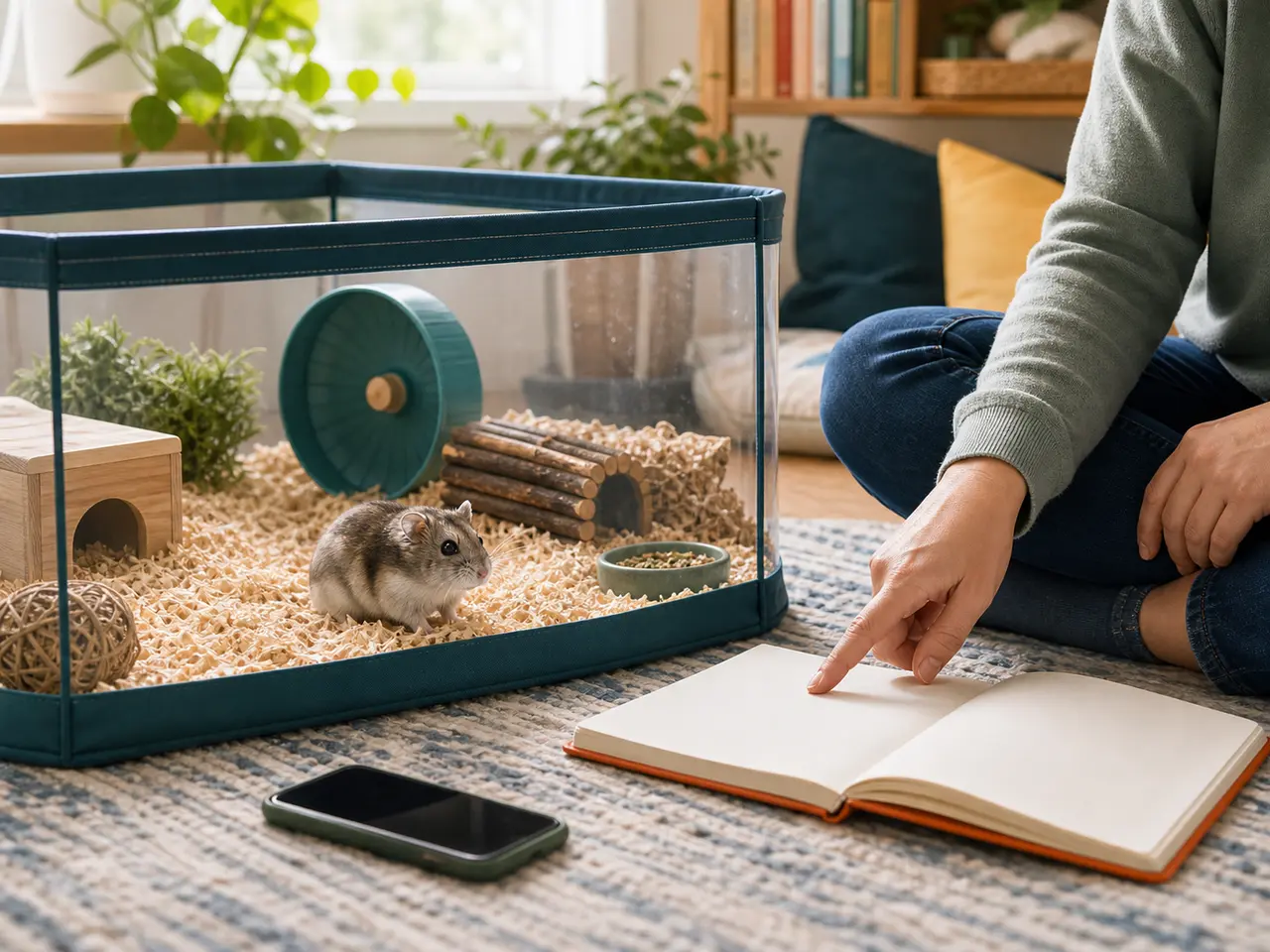
Write down timing, food, water, droppings, breathing, weight, and possible hazards.
Call promptly when appetite, breathing, movement, stool, heat, or energy changes suddenly.
Common health questions
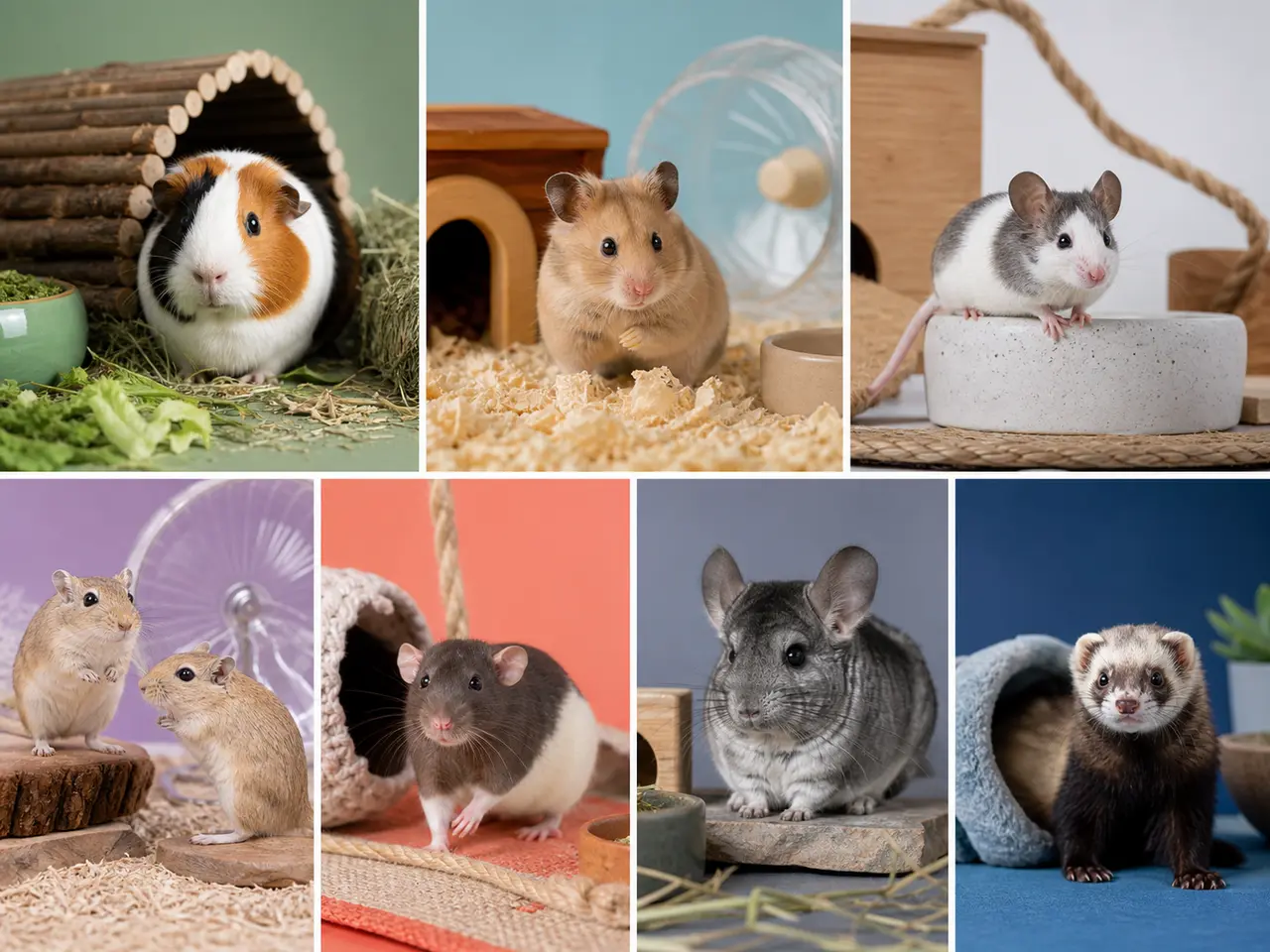
Does this answer apply to every small mammal?
No. The page gives the practical rule, then the species profile should decide the final housing, food, handling, and vet plan.
When should I ask a veterinarian?
Ask an exotic-pet veterinarian promptly for appetite loss, fewer droppings, labored breathing, collapse, severe lethargy, wounds, heat stress, or sudden weight change.