Use a gram scale
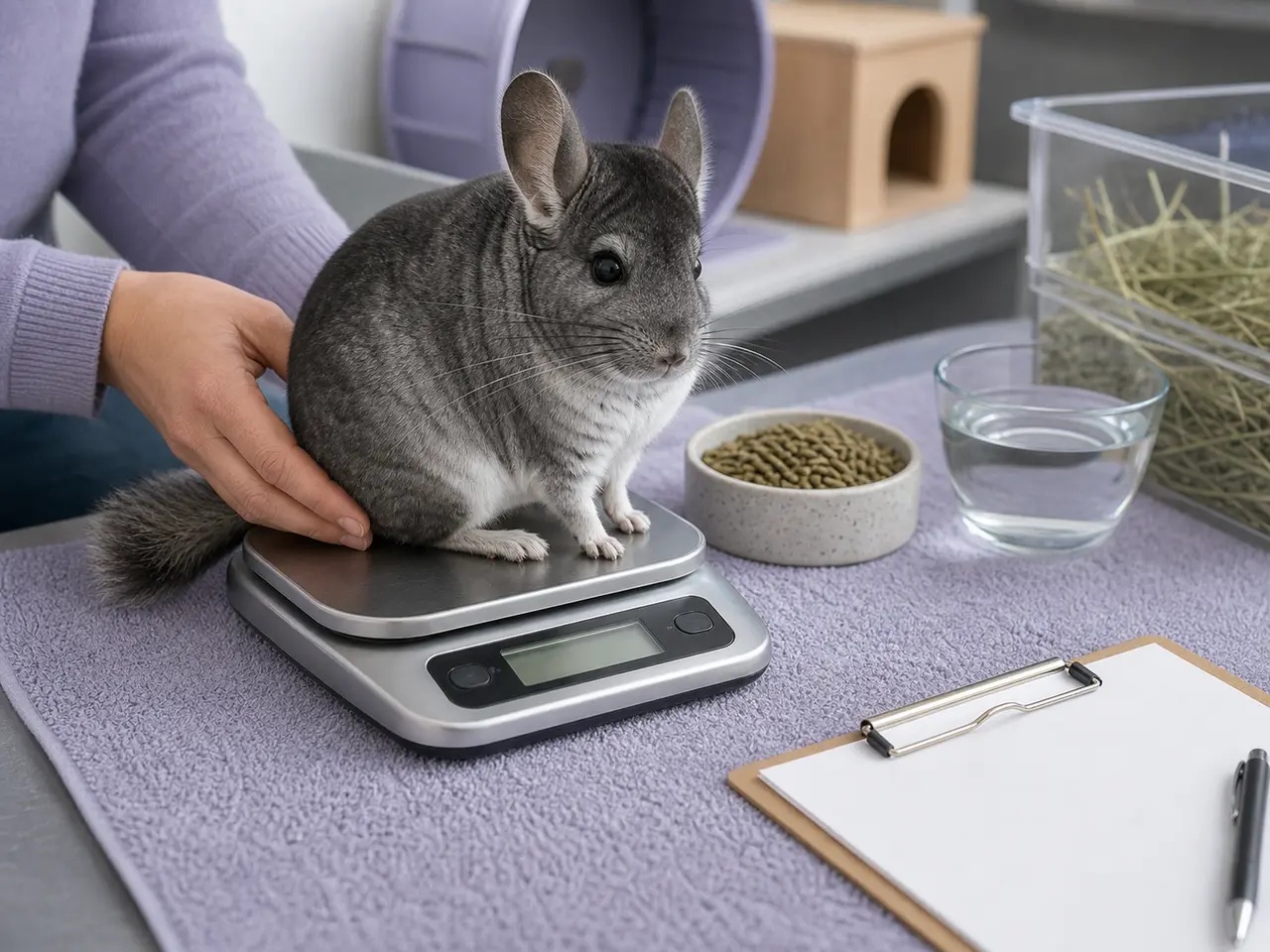
Use a digital gram scale and a bowl, carrier, or small box so the animal can sit securely without being held in midair.
Weigh at the same time of day when possible, then write the number down instead of trusting memory.
Updated
Small mammal question
Use a gram scale, a stable bowl or carrier, and the tare function. Weigh at a calm repeatable time and record trends rather than relying on how the animal feels in your hand.
Treat small changes as information worth acting on.
Use a digital gram scale and a bowl, carrier, or small box so the animal can sit securely without being held in midair.
Weigh at the same time of day when possible, then write the number down instead of trusting memory.
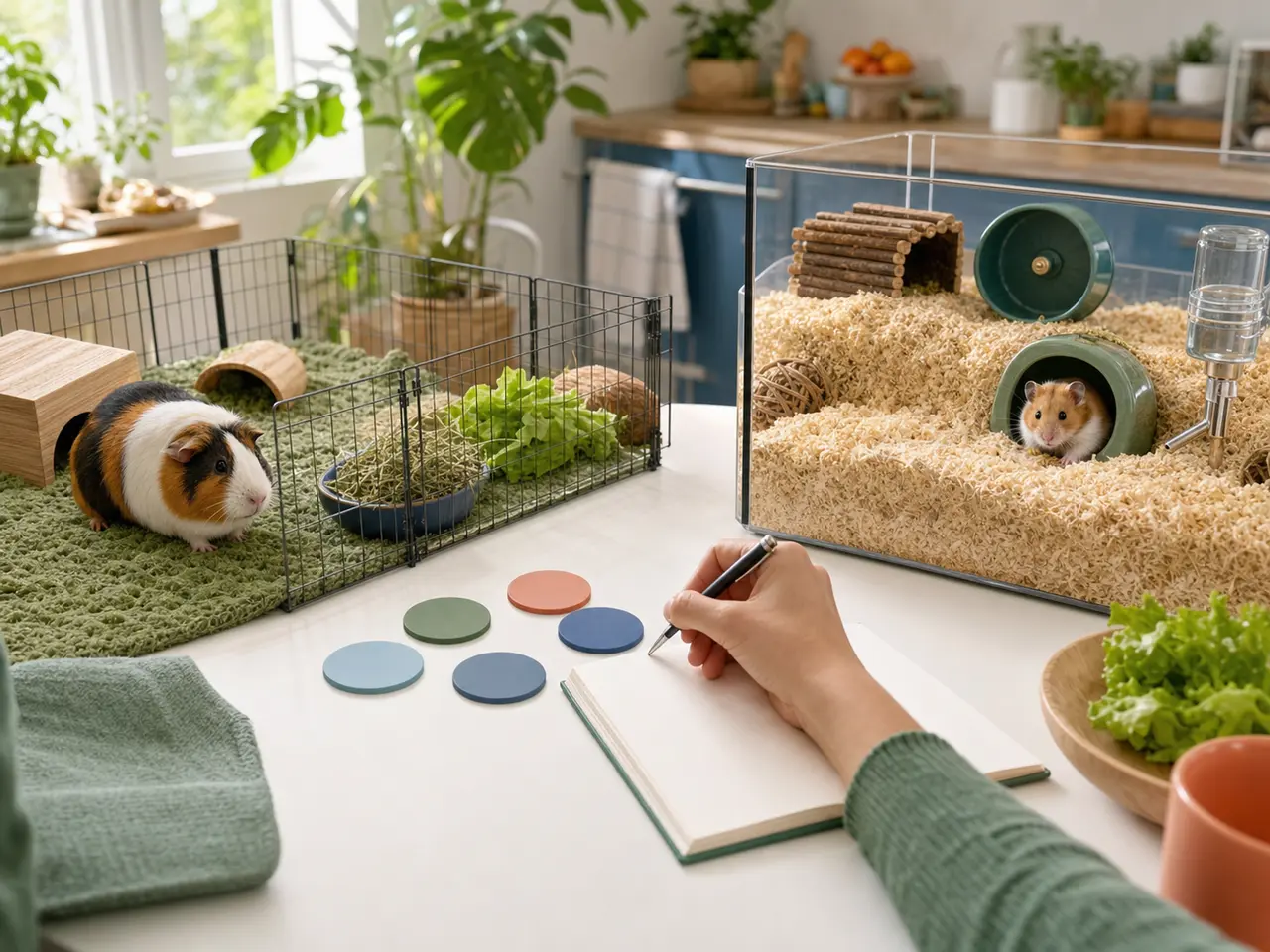
Tiny animals can show meaningful changes in small numbers. Guinea pigs, rats, chinchillas, and ferrets are often easier to weigh in a carrier or shallow container.
Fast hamsters, mice, and gerbils may need a secure cup or travel box placed on the tared scale.
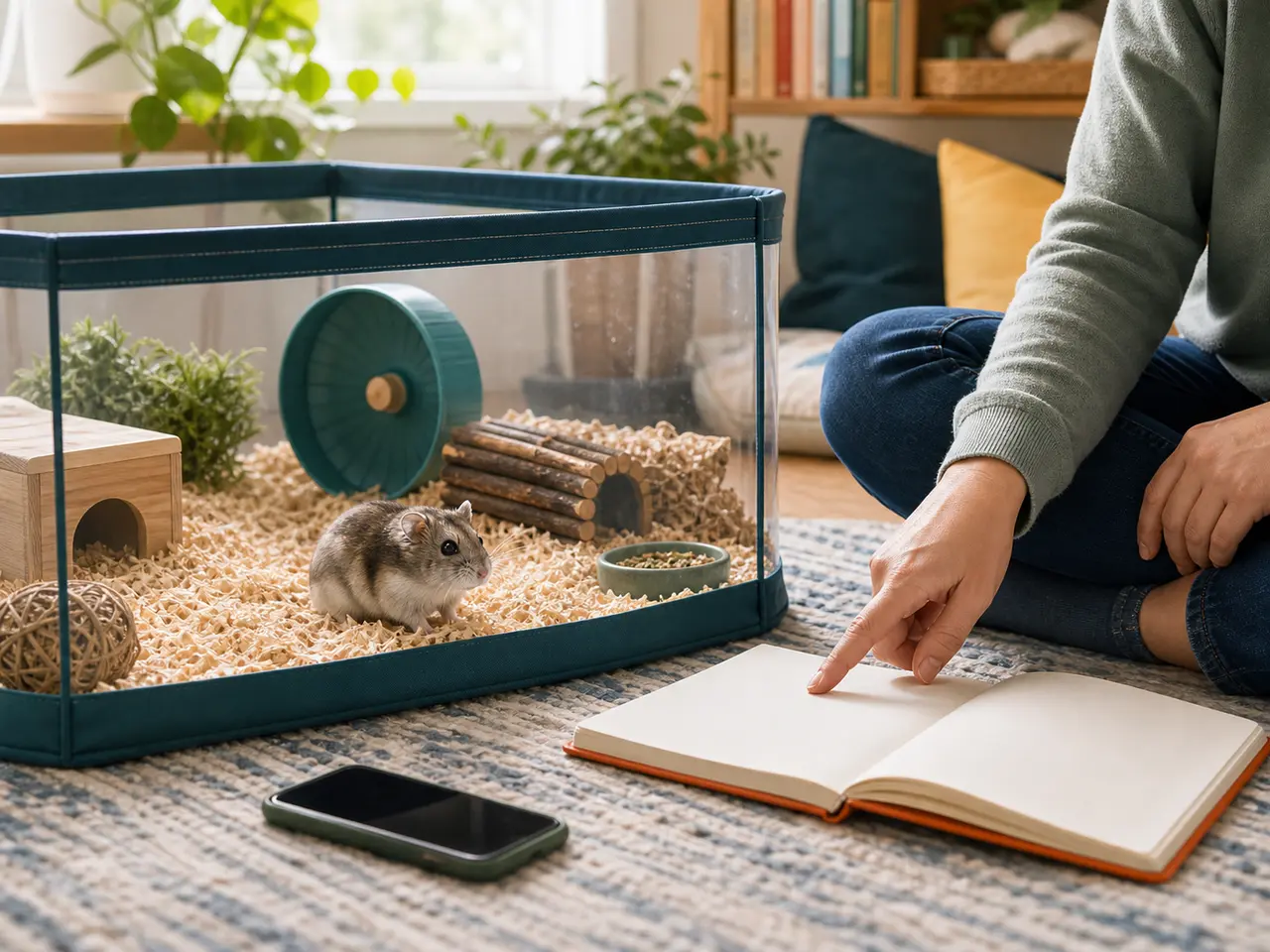
Keep the scale near the carrier, normal food, and health notes so weighing becomes part of the weekly routine.
Pair weight with appetite, water, droppings, breathing, coat, and behavior; one number is only useful with context.
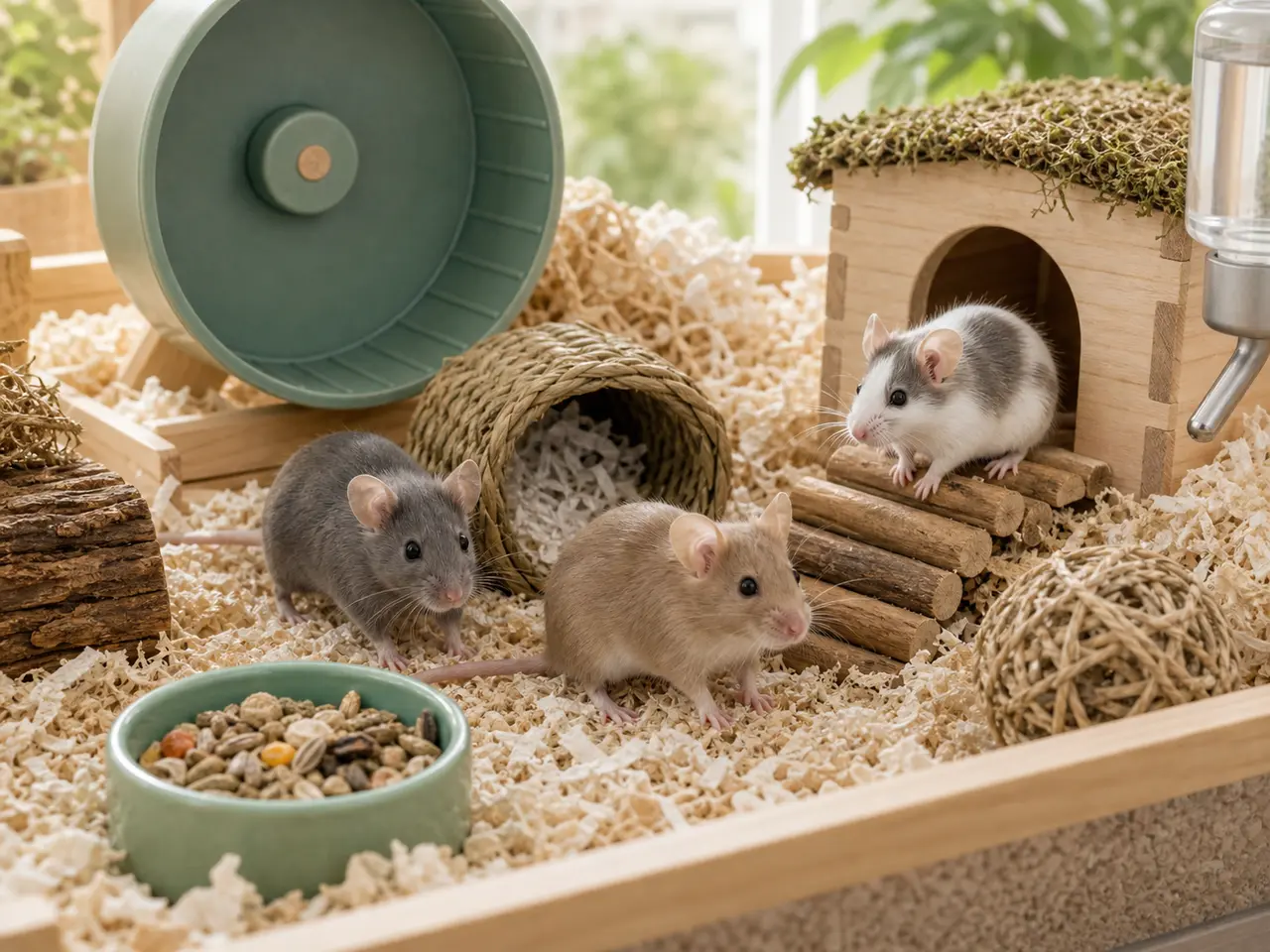
Call an exotic-pet vet for sudden loss, steady downward trend, weight loss with appetite changes, or any weight change with noisy breathing, diarrhea, weakness, or pain signs.
Do not delay because the animal still looks round; fur and posture can hide loss.
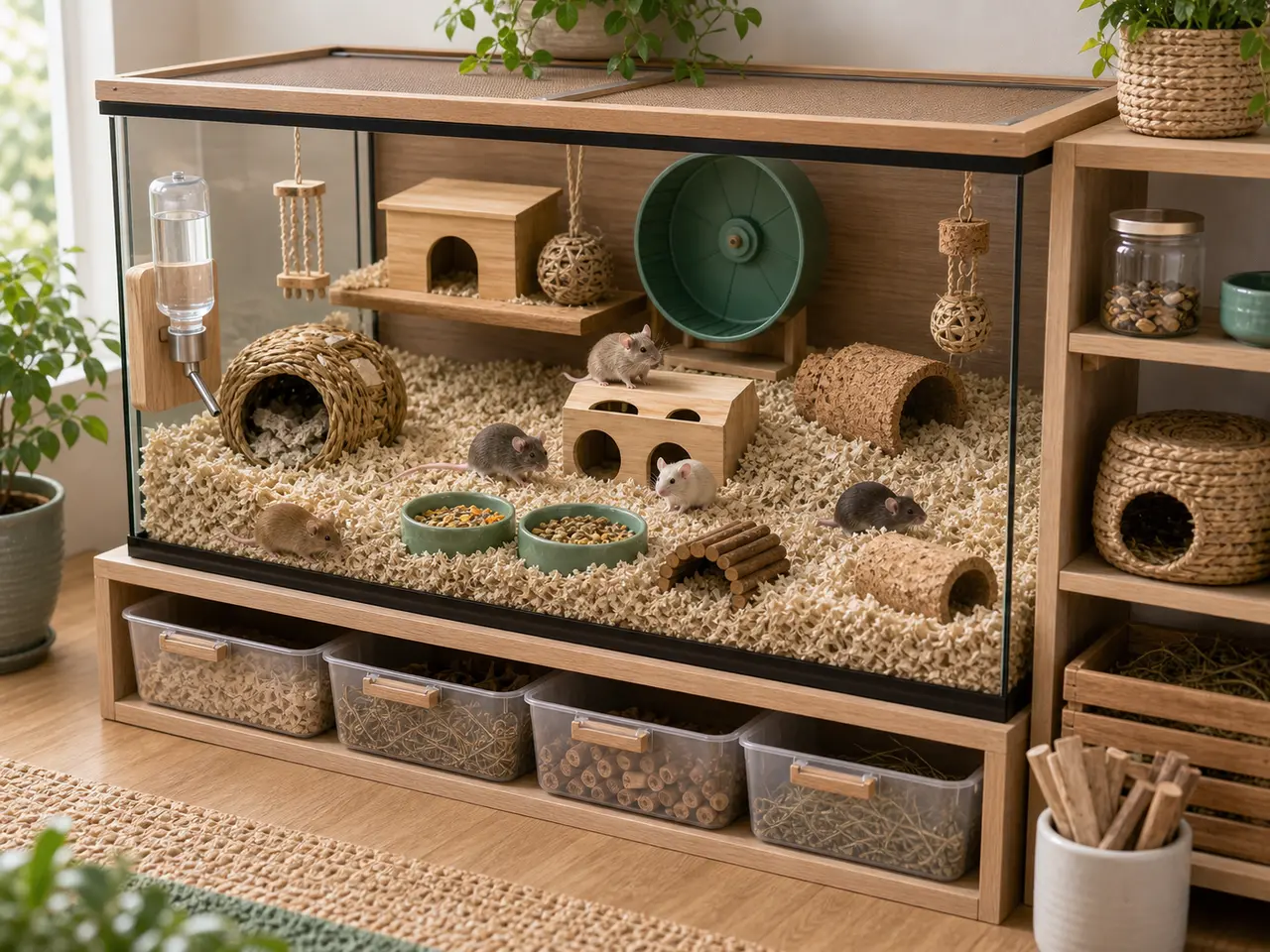
Start a simple log this week with date, weight, appetite, droppings, and anything unusual.
Bring that log to the clinic if the animal becomes unwell.
No. The page gives the practical rule, then the species profile should decide the final housing, food, handling, and vet plan.
Ask an exotic-pet veterinarian promptly for appetite loss, fewer droppings, labored breathing, collapse, severe lethargy, wounds, heat stress, or sudden weight change.