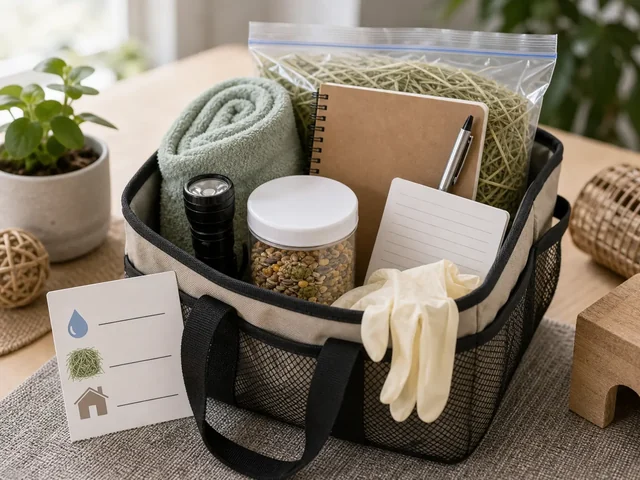
A small mammal emergency kit should include a secure carrier, current weight notes, towels, species food, water plan, vet contacts, gloves, flashlight, and clear instructions to call an exotic-pet veterinarian.
Treat small changes as information worth acting on.
Pack for transport first
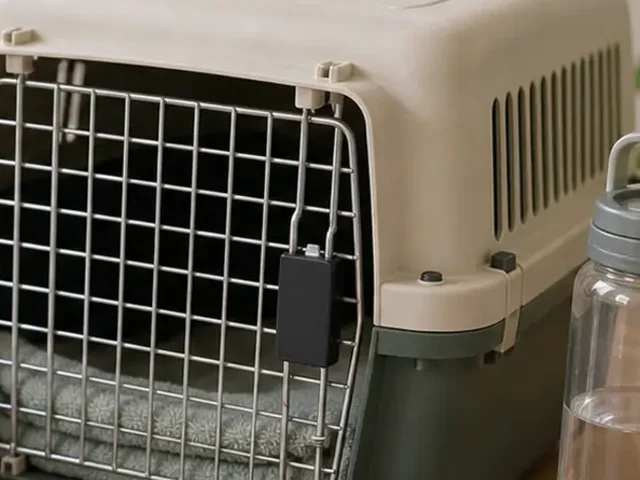
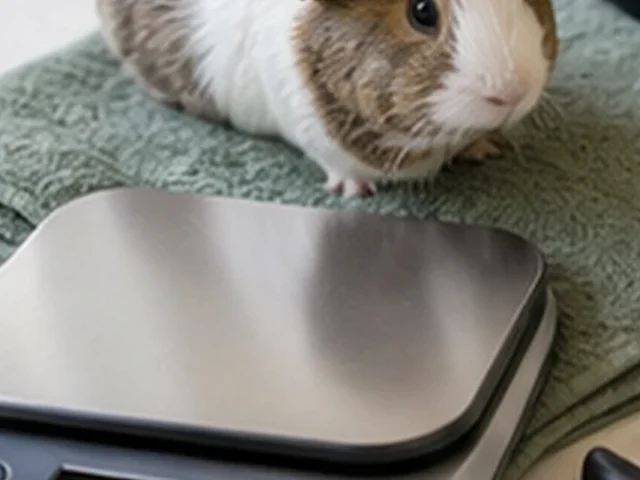
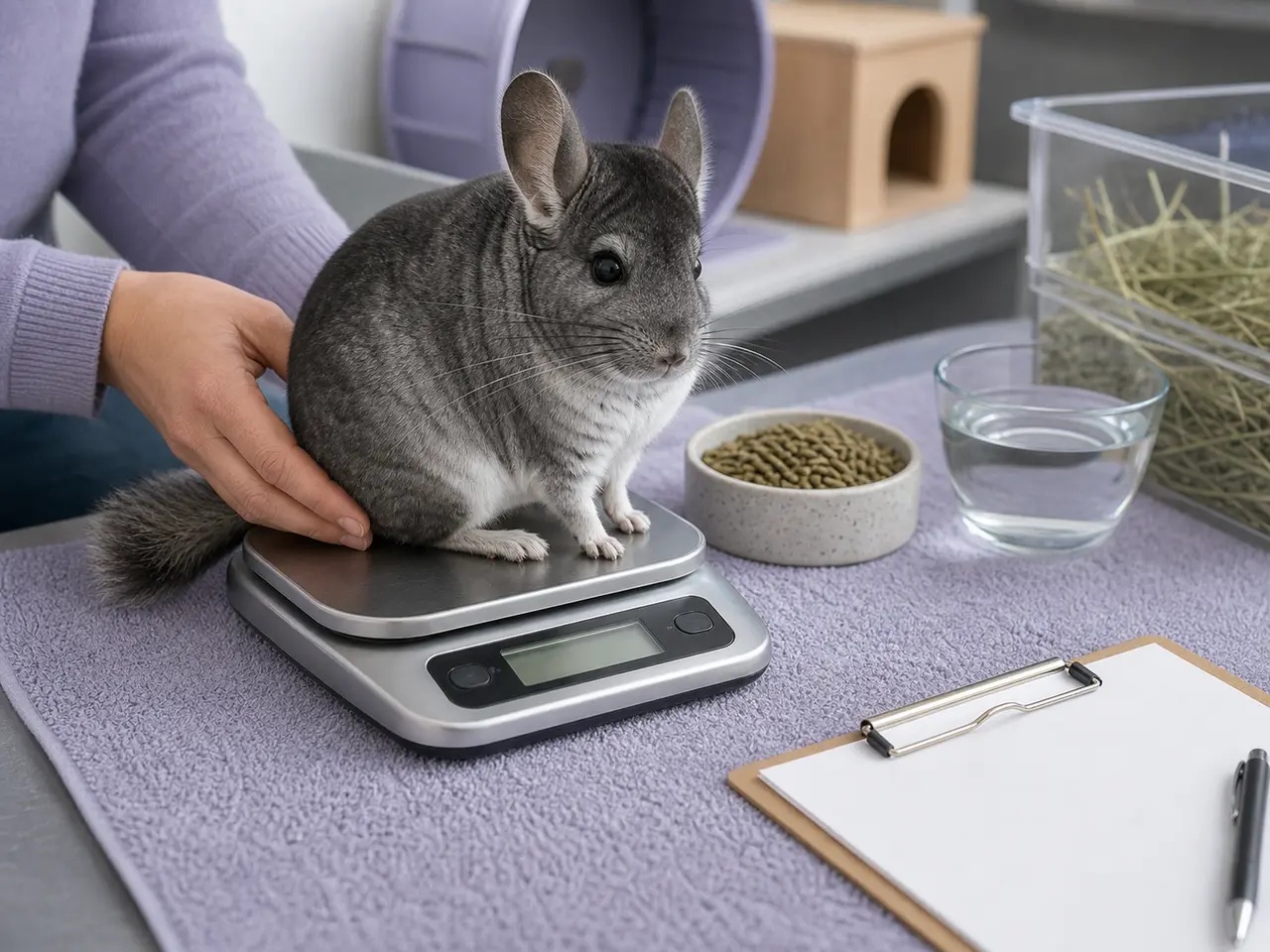
The kit should start with a secure carrier, soft towels, a gram scale, written clinic contacts, normal food, water plan, and any medication instructions from your vet.
Keep it where an adult can grab it without hunting through bedding, food bins, or laundry.
Pack by species
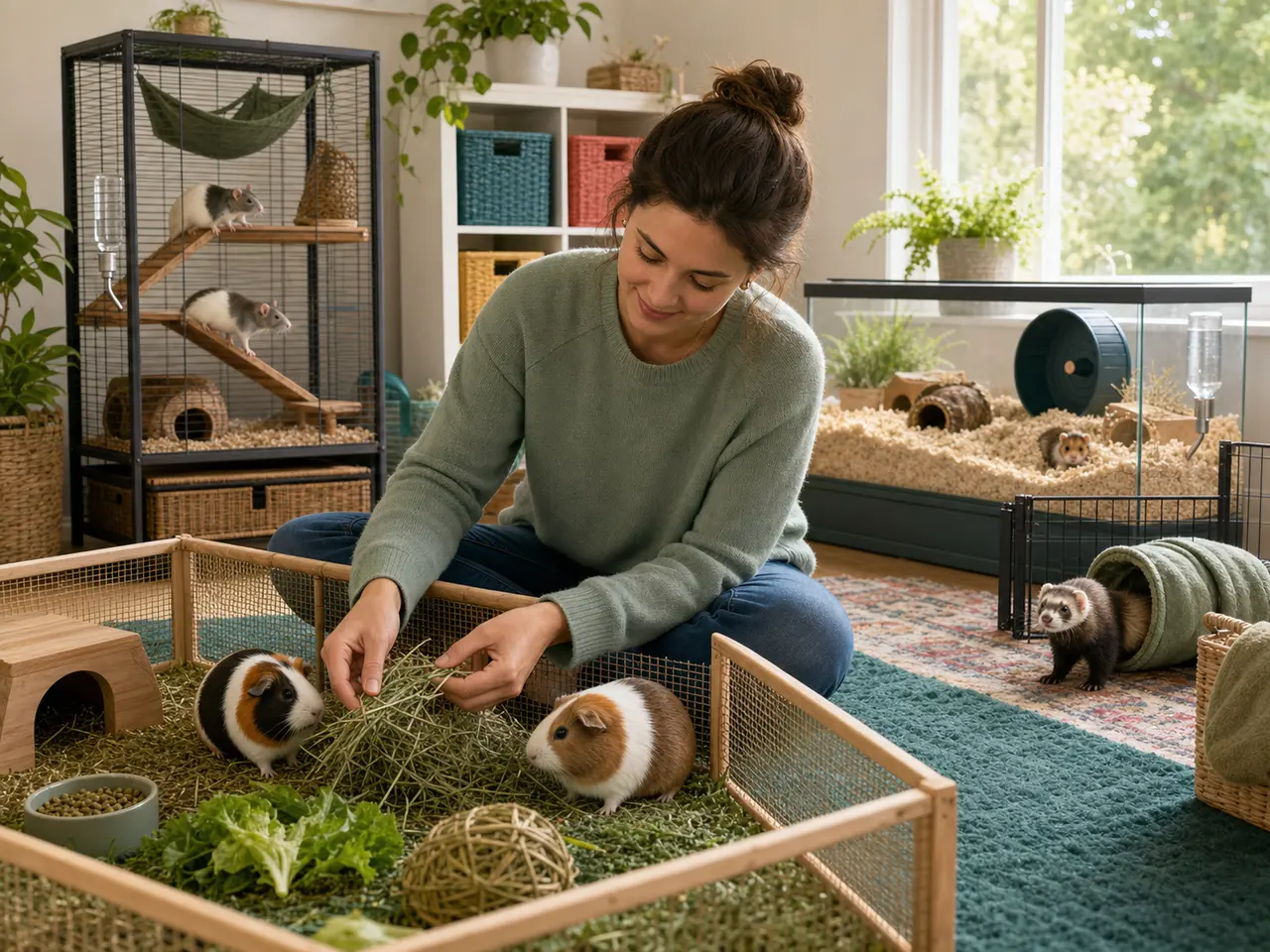
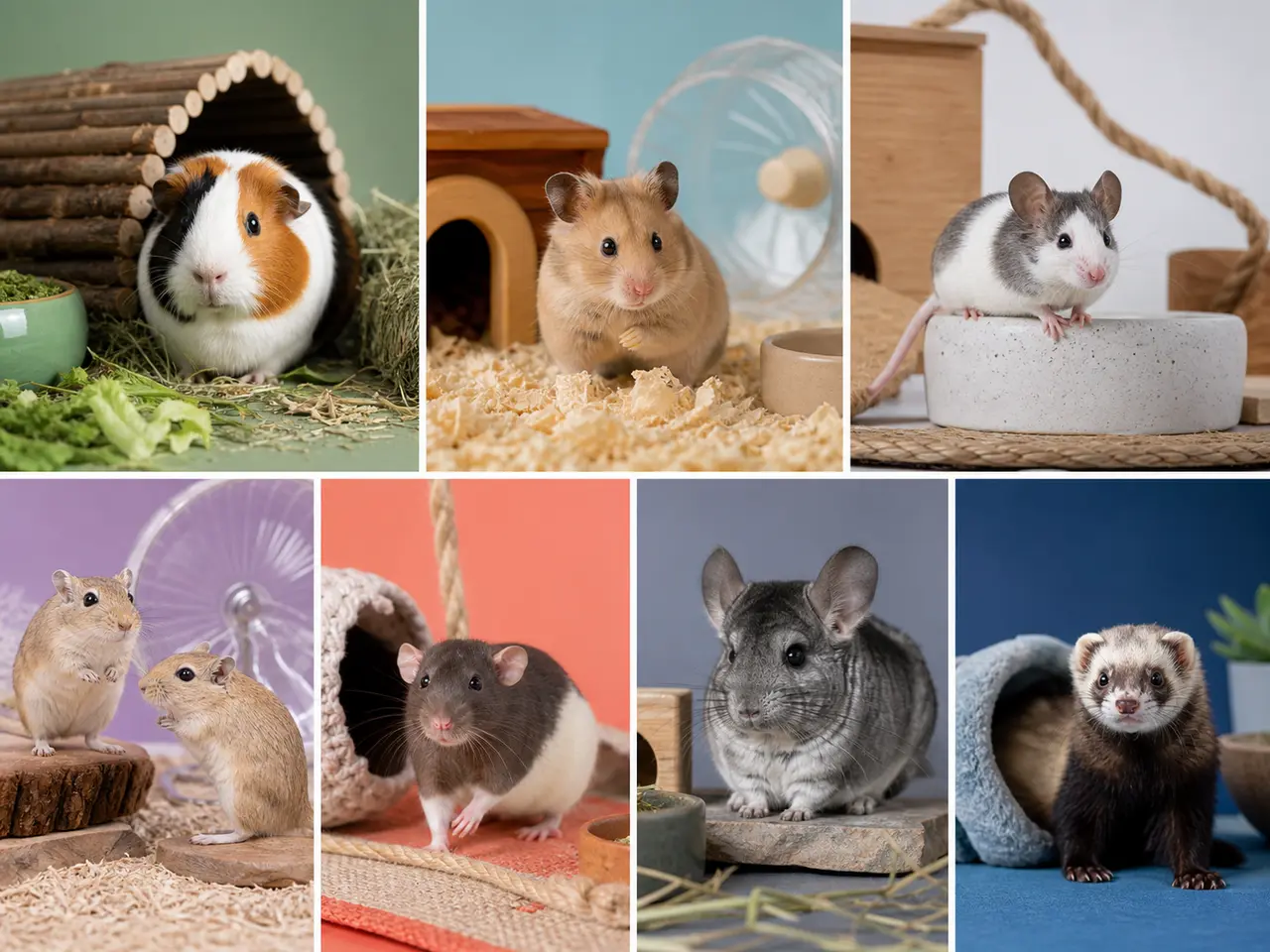
Guinea pigs and chinchillas need hay and appetite notes. Ferrets need swallowed-object notes. Hamsters, mice, and gerbils need escape-proof transport.
Do not pack random remedies; species needs and vet instructions matter more than a crowded box.
Keep notes in the kit
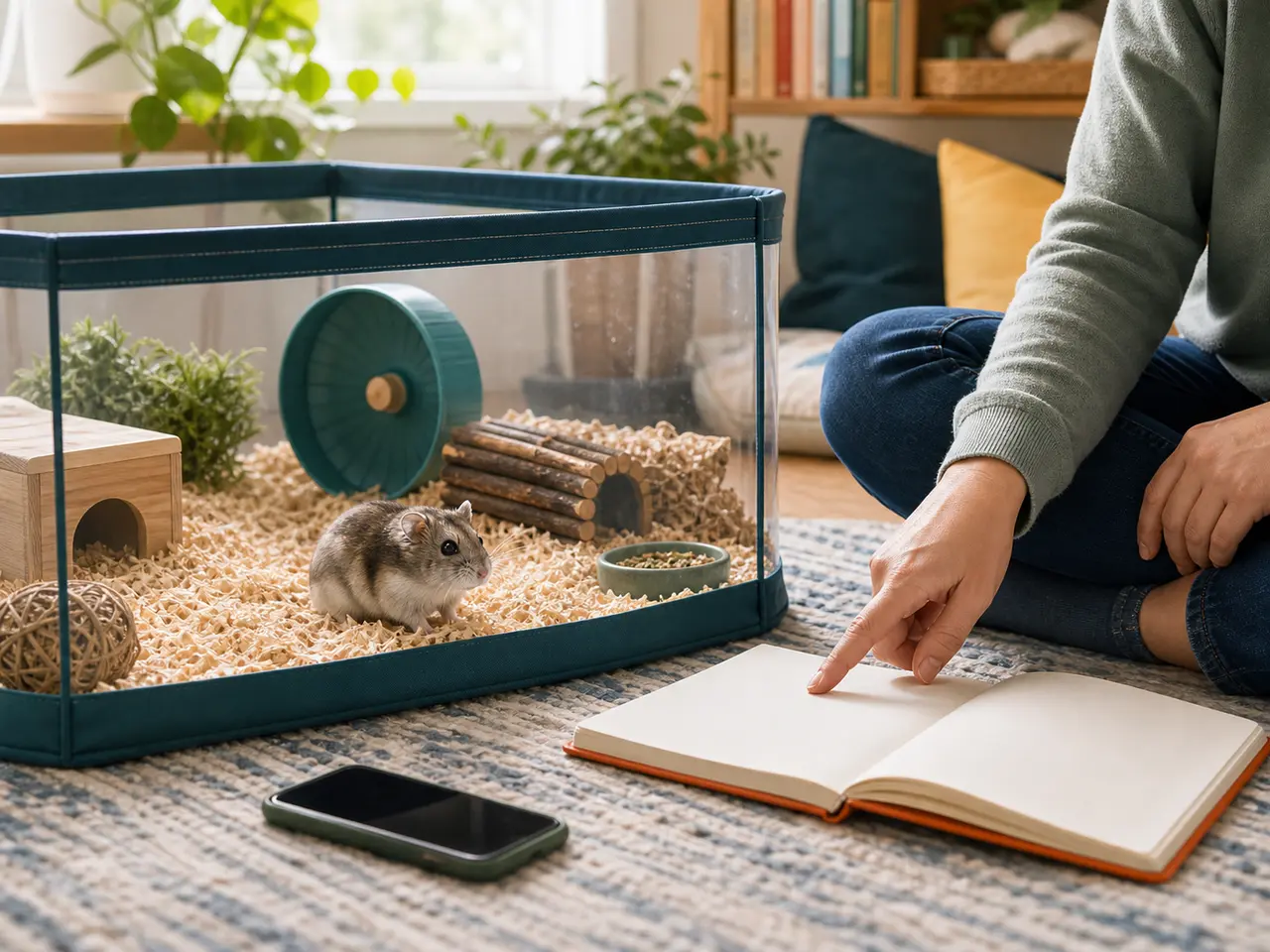
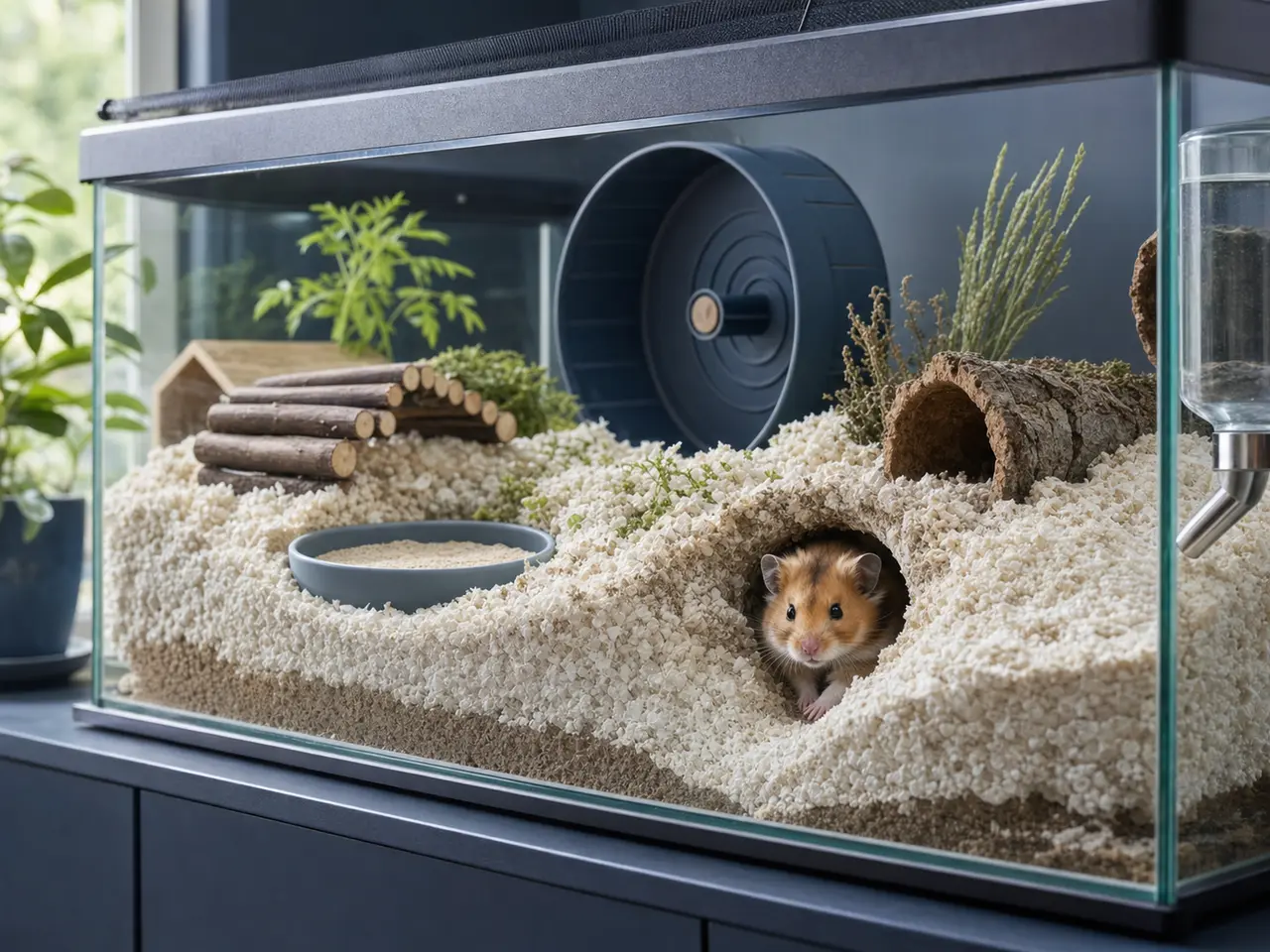
Add a small notebook, current weight, normal food brand, feeding routine, water setup, and a photo of the habitat.
Replace old food and check the carrier latch before you need it.
Use it during a call
Use the kit during a vet call. Diarrhea, bloating, labored breathing, collapse, severe lethargy, wounds, heat stress, not eating, fewer droppings, or a possible swallowed object can be urgent.
The kit helps you transport the animal and explain the problem; it does not replace diagnosis or treatment.
Build it before trouble
Build the kit now, then save the regular and after-hours exotic-pet clinic numbers.
Put the carrier somewhere every caregiver can find it.
Before you decide
Is appetite, poop or stool, breathing, movement, or weight different today?
Do you have the carrier, scale, and clinic number ready?
Can you describe the timing, food, water, symptoms, and possible hazards to a vet?
Would waiting make the animal weaker or harder to transport?
Next best moves
Keep the carrier, gram scale, normal food, and clinic number ready now.
Write down timing, food, water, droppings, breathing, weight, and possible hazards.
Call promptly when appetite, breathing, movement, stool, heat, or energy changes suddenly.
Useful setup pieces
Optional supplies that support the care routine after the species needs are clear.
Affiliate links: Furball Cove may earn from qualifying purchases at no extra cost to you.