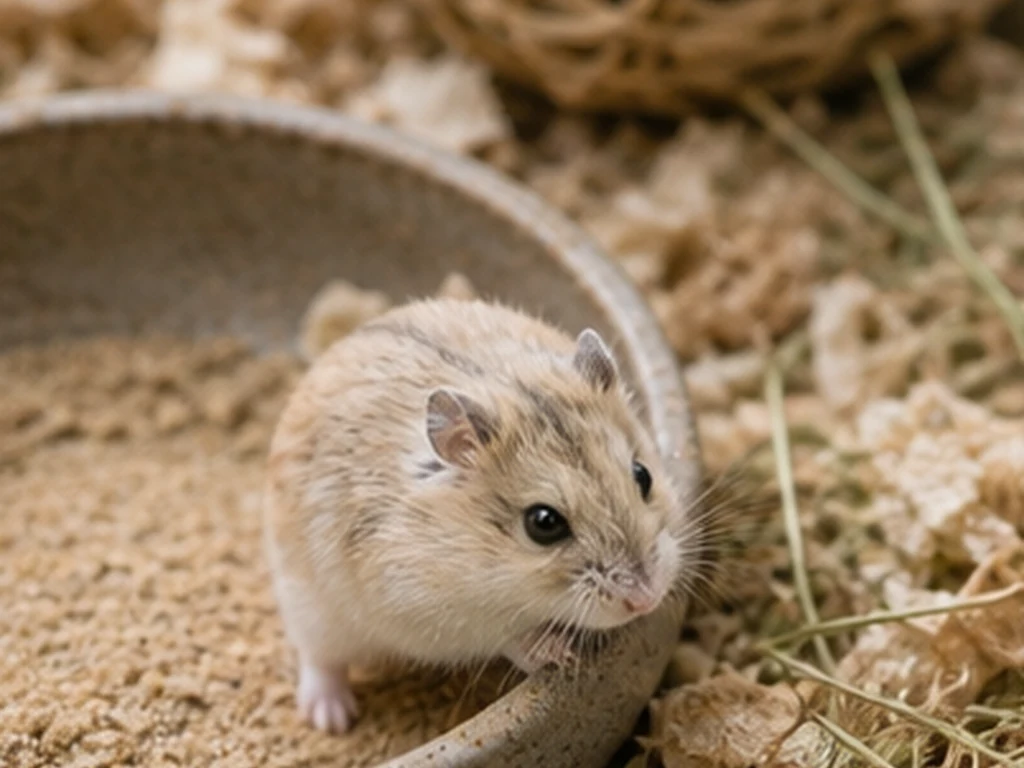
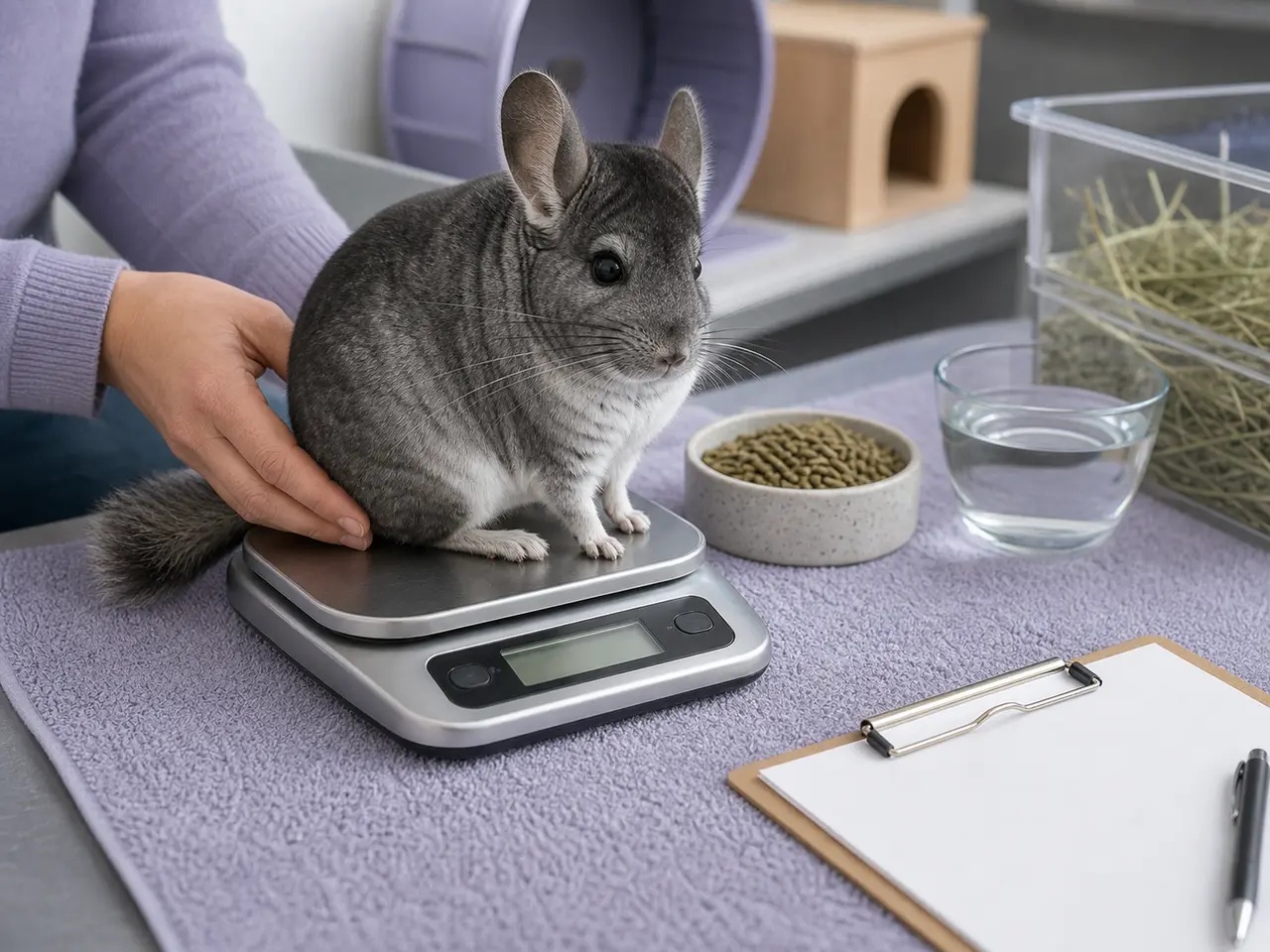
If a hamster has wet-tail signs, diarrhea, severe lethargy, or appetite loss, contact an exotic-pet veterinarian urgently and keep the hamster warm, contained, and minimally stressed during transport planning.
Treat small changes as information worth acting on.
Move fast on wet-tail signs
Wet tail signs in a hamster are urgent. Call an exotic-pet vet quickly for diarrhea, wetness around the rear, hunched posture, weakness, poor appetite, or sudden quietness.
Keep the hamster warm, calm, and in a clean secure habitat while you arrange care.
Young hamsters decline fast
Young, newly moved, or stressed hamsters can decline quickly. Do not treat this like ordinary cage odor or a minor messy corner.
A dwarf or Syrian hamster also needs the usual checks: food, water, weight, breathing, and droppings.
Note when signs started
Keep water easy to reach, remove wet bedding, and note the time signs started.
Bring notes about recent food changes, cleaning, travel, pet-store or rescue timing, and any contact with other animals.
Call the same day
Weakness, not eating, diarrhea, wet rear fur, sunken posture, coldness, or rapid decline needs same-day advice from an exotic-pet vet.
Do not bathe the hamster or try random human medicines.
Prepare the carrier
Call the clinic, prepare the carrier with familiar bedding, and keep the room quiet.
After the vet plan, review stress, cleaning, food, and water access before changing the habitat again.
Before you decide
Is appetite, poop or stool, breathing, movement, or weight different today?
Do you have the carrier, scale, and clinic number ready?
Can you describe the timing, food, water, symptoms, and possible hazards to a vet?
Would waiting make the animal weaker or harder to transport?
Next best moves
Keep the carrier, gram scale, normal food, and clinic number ready now.
Write down timing, food, water, droppings, breathing, weight, and possible hazards.
Call promptly when appetite, breathing, movement, stool, heat, or energy changes suddenly.
Common health questions
Does this answer apply to every small mammal?
No. The page gives the practical rule, then the species profile should decide the final housing, food, handling, and vet plan.
When should I ask a veterinarian?
Ask an exotic-pet veterinarian promptly for appetite loss, fewer droppings, labored breathing, collapse, severe lethargy, wounds, heat stress, or sudden weight change.