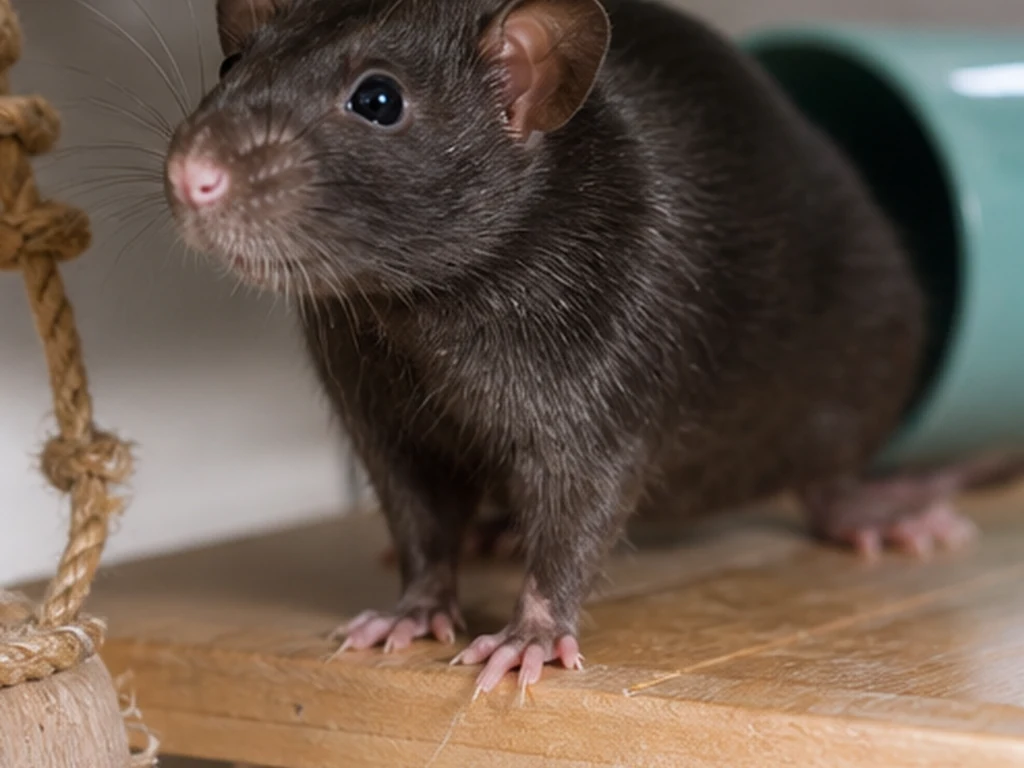
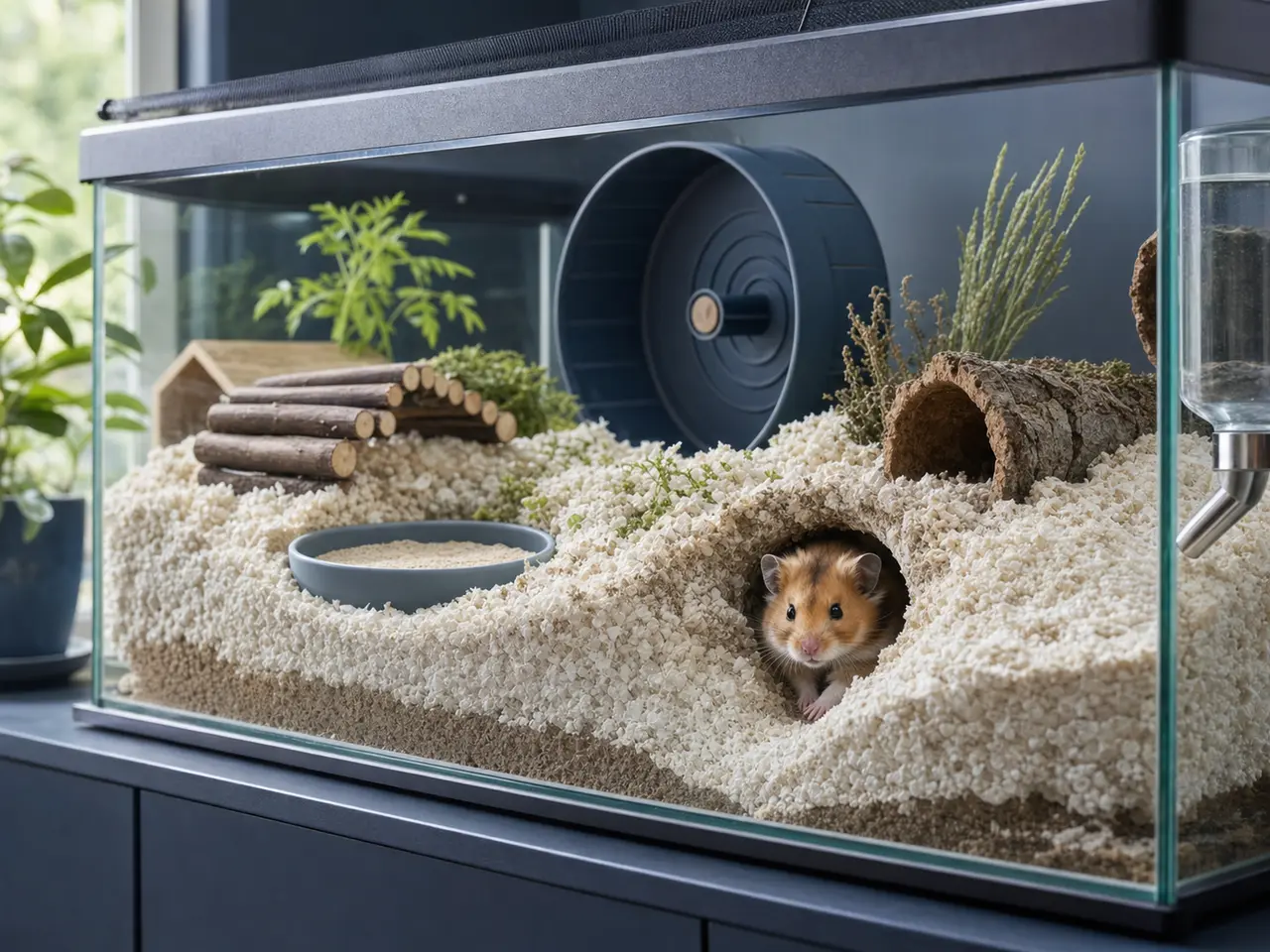
Noisy rat breathing, labored breathing, weight loss, porphyrin staining, or sudden quietness should prompt a vet call. Clean air helps, but respiratory signs need medical assessment.
Treat small changes as information worth acting on.
Listen to breathing changes
Noisy rat breathing, wheezing, clicking, labored sides, open-mouth breathing, or sudden quietness deserves prompt exotic-pet vet advice.
Check the rat's posture, appetite, water, weight, cage air, bedding dust, and whether cage mates are also affected.
Rat breathing changes matter
Rats are prone to respiratory trouble, and a small change in sound can matter before the rat looks severely ill.
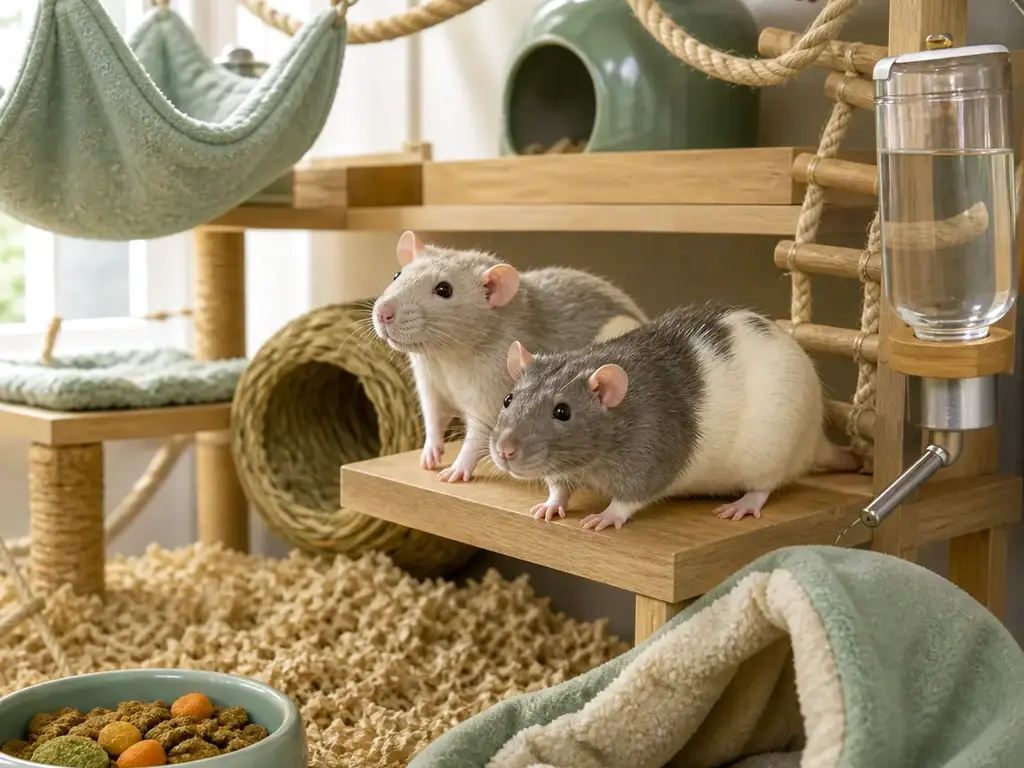
A group cage can hide one sick rat, so handle and listen to each rat calmly.
Clean air comes first
Keep bedding low-dust, fabric clean, air flow steady, and scented products away from the cage.
Write down when the noise started, whether it happens at rest or after play, and any porphyrin staining, weight loss, or appetite change.
Treat open-mouth breathing as urgent
Open-mouth breathing, blue or pale coloring, severe lethargy, not eating, weight loss, or worsening noise is urgent.
Do not add perfumes, dusty bedding, or stressful full cleanouts while the rat is struggling.
Call and reduce stress
Call the clinic, reduce stress, and bring notes on bedding, cleaning, cage mates, appetite, and weight.
Review cage air and cleaning after the vet plan is in place.
Before you decide
Does this match the species' normal staple diet?
Are water, portions, leftovers, and hoards easy to check?
Would you notice less appetite, fewer droppings, soft stool, or weight loss today?
Have you opened the matching food guide before changing the diet?
Next best moves
Keep the carrier, gram scale, normal food, and clinic number ready now.
Write down timing, food, water, droppings, breathing, weight, and possible hazards.
Call promptly when appetite, breathing, movement, stool, heat, or energy changes suddenly.
Common health questions
Does this answer apply to every small mammal?
No. The page gives the practical rule, then the species profile should decide the final housing, food, handling, and vet plan.
When should I ask a veterinarian?
Ask an exotic-pet veterinarian promptly for appetite loss, fewer droppings, labored breathing, collapse, severe lethargy, wounds, heat stress, or sudden weight change.