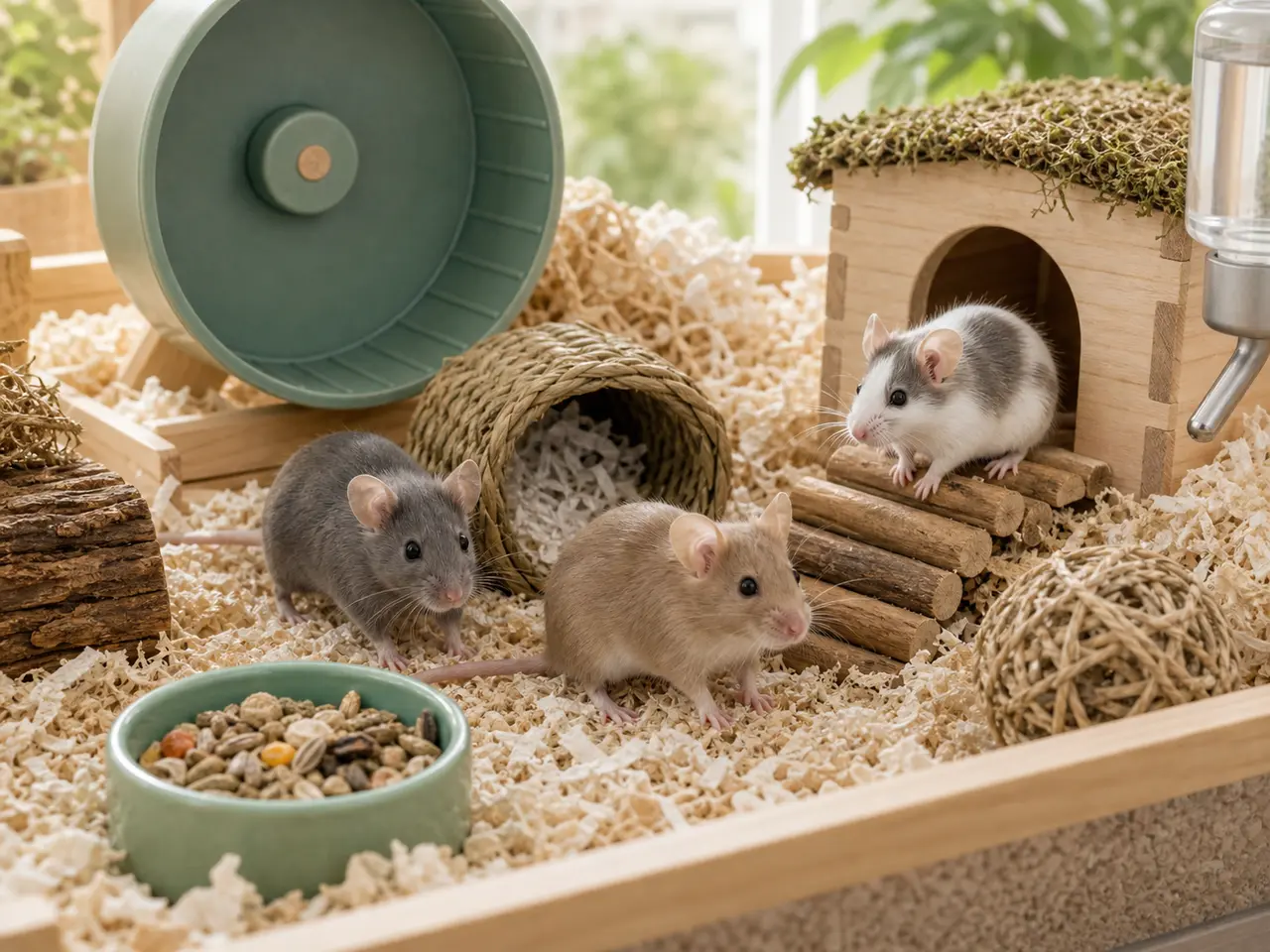
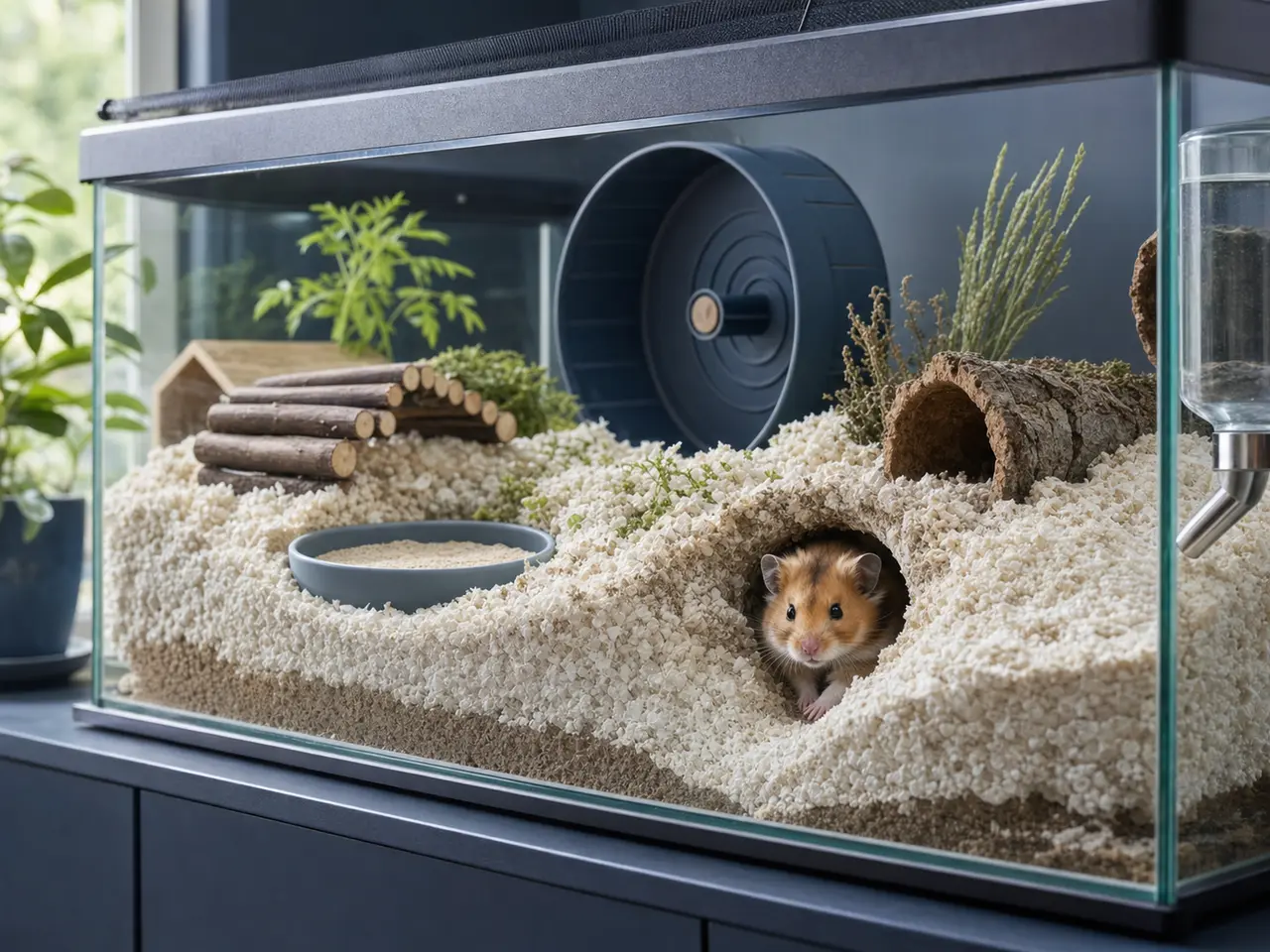
A small mammal may stop eating because of tooth pain, digestive trouble, stress, heat, infection, injury, blockage, or another urgent problem.
Treat small changes as information worth acting on.
Take appetite loss seriously
A small mammal that stops eating may have tooth pain, digestive trouble, stress, heat illness, infection, injury, blockage, or another urgent problem.
Check food, water, droppings, posture, breathing, movement, temperature, recent handling, and current weight, then call an exotic-pet vet.
Appetite risk differs
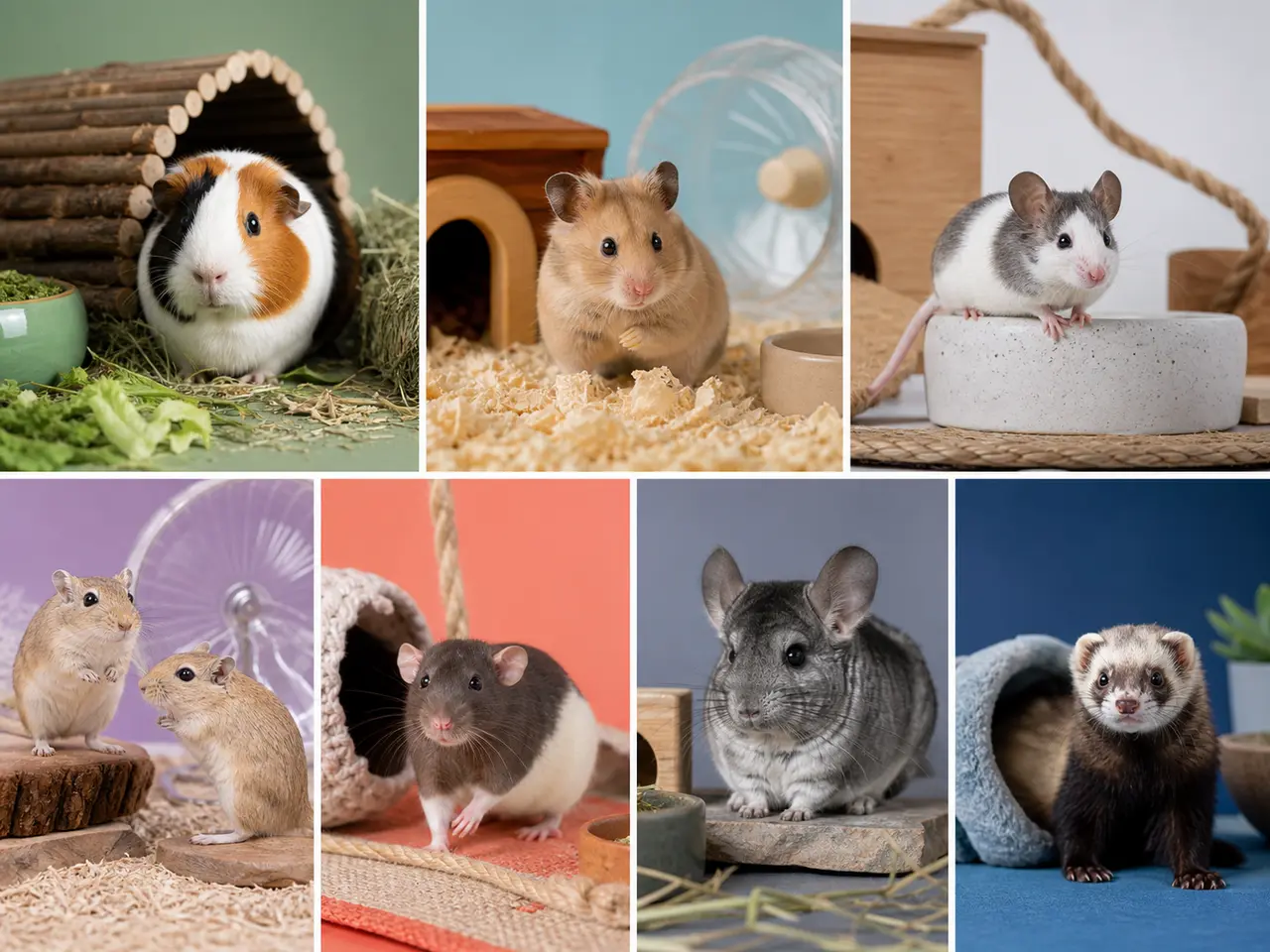
Guinea pigs, chinchillas, and other hay eaters can decline quickly when the gut slows. Ferrets need fast exotic-pet vet help if not eating comes with vomiting, weakness, or a possible swallowed item.
Rodents can hide pain until the change looks sudden, so compare the animal to its own normal routine.
Keep food notes ready
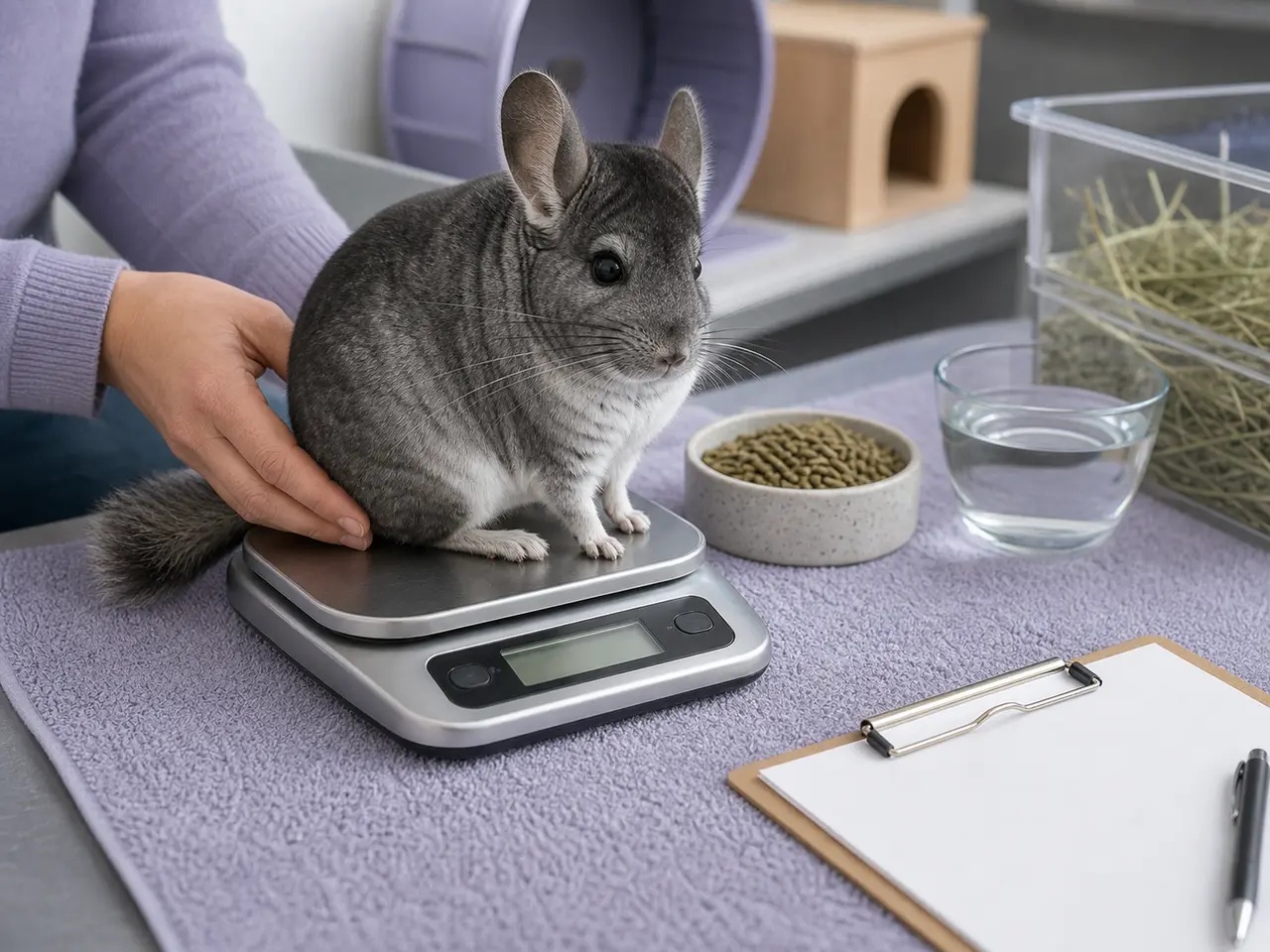
Keep normal food, hay when needed, water, a carrier, a gram scale, and clinic contact ready.
A short written timeline helps: last meal, last normal droppings, weight, temperature exposure, and anything the animal may have chewed.
Call before appetite worsens
Call an exotic-pet vet quickly for no appetite, fewer droppings, bloating, diarrhea, drooling, noisy breathing, weakness, heat exposure, or painful posture.
Do not try a new food as the fix or wait overnight if the animal is getting quieter or producing fewer droppings.
Call with clear notes
Offer the normal food and water setup, keep the animal calm, and call the clinic with notes.
Use the emergency kit page to gather the carrier, towel, scale, and food for transport.
Before you decide
Does this match the species' normal staple diet?
Are water, portions, leftovers, and hoards easy to check?
Would you notice less appetite, fewer droppings, soft stool, or weight loss today?
Have you opened the matching food guide before changing the diet?
Next best moves
Keep the carrier, gram scale, normal food, and clinic number ready now.
Write down timing, food, water, droppings, breathing, weight, and possible hazards.
Call promptly when appetite, breathing, movement, stool, heat, or energy changes suddenly.
Common health questions
Does this answer apply to every small mammal?
No. The page gives the practical rule, then the species profile should decide the final housing, food, handling, and vet plan.
When should I ask a veterinarian?
Ask an exotic-pet veterinarian promptly for appetite loss, fewer droppings, labored breathing, collapse, severe lethargy, wounds, heat stress, or sudden weight change.