Use a balanced staple
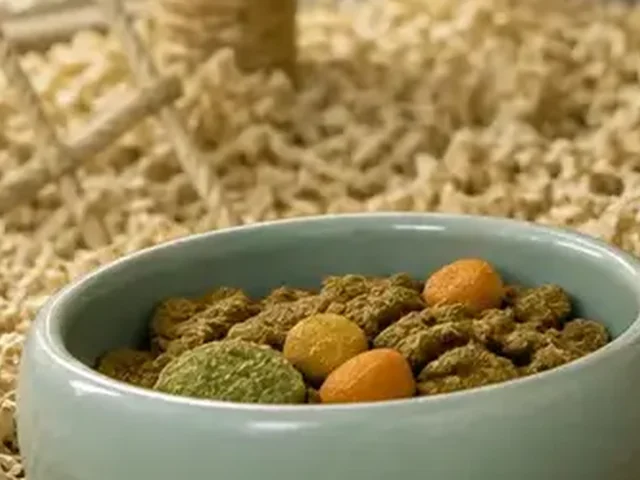
A quality rat-appropriate block or staple helps prevent selective feeding. Seed-heavy mixes and constant rich treats make it harder to know whether every rat is getting the same nutrition.
Updated
Rat food
Pet rats usually do best with a quality rat-appropriate staple, often block-based, plus controlled fresh foods, clean water, and group-aware feeding checks.
Food should support social rats without hiding weight loss, breathing trouble, or guarding.
A quality rat-appropriate block or staple helps prevent selective feeding. Seed-heavy mixes and constant rich treats make it harder to know whether every rat is getting the same nutrition.

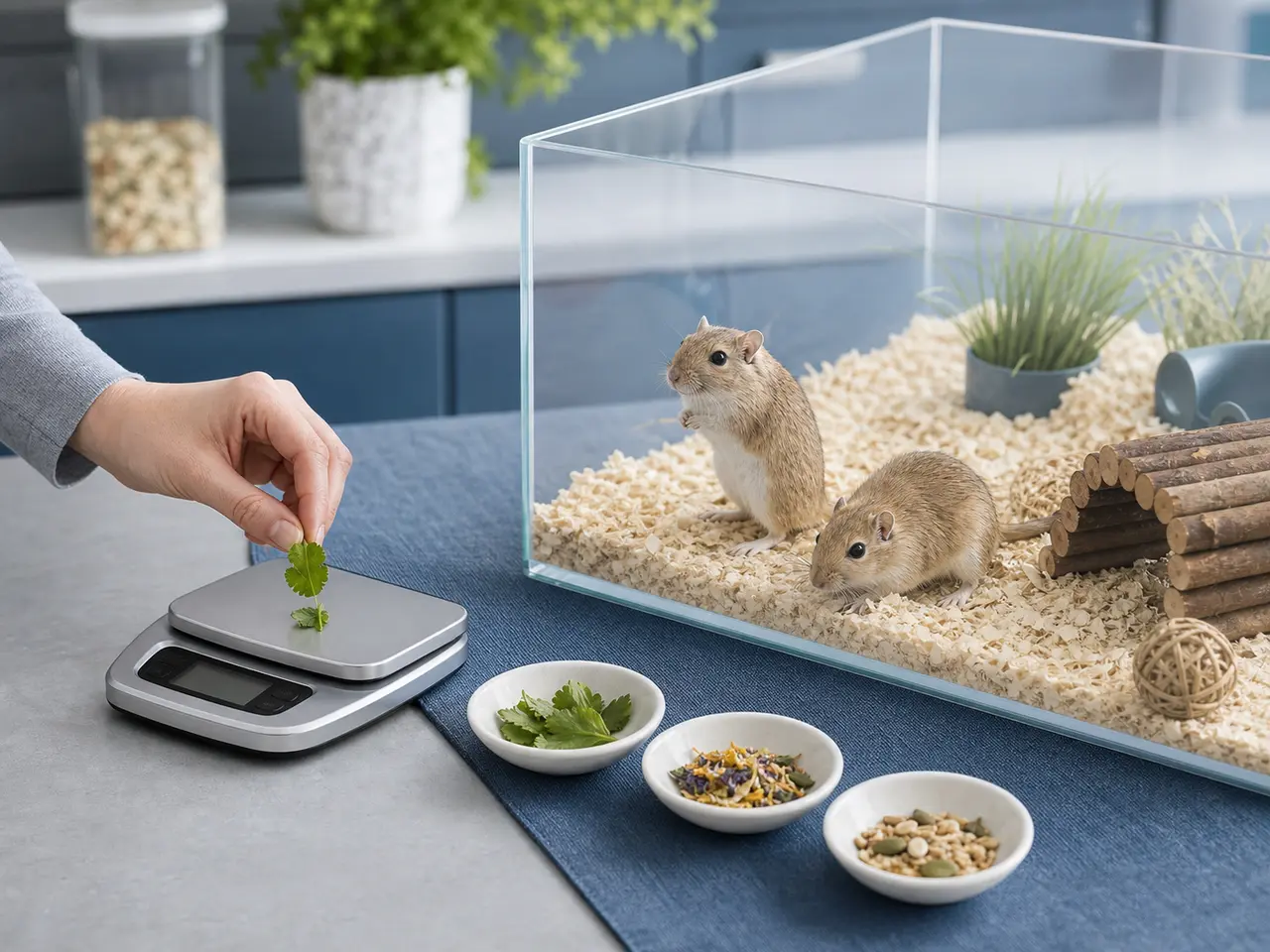
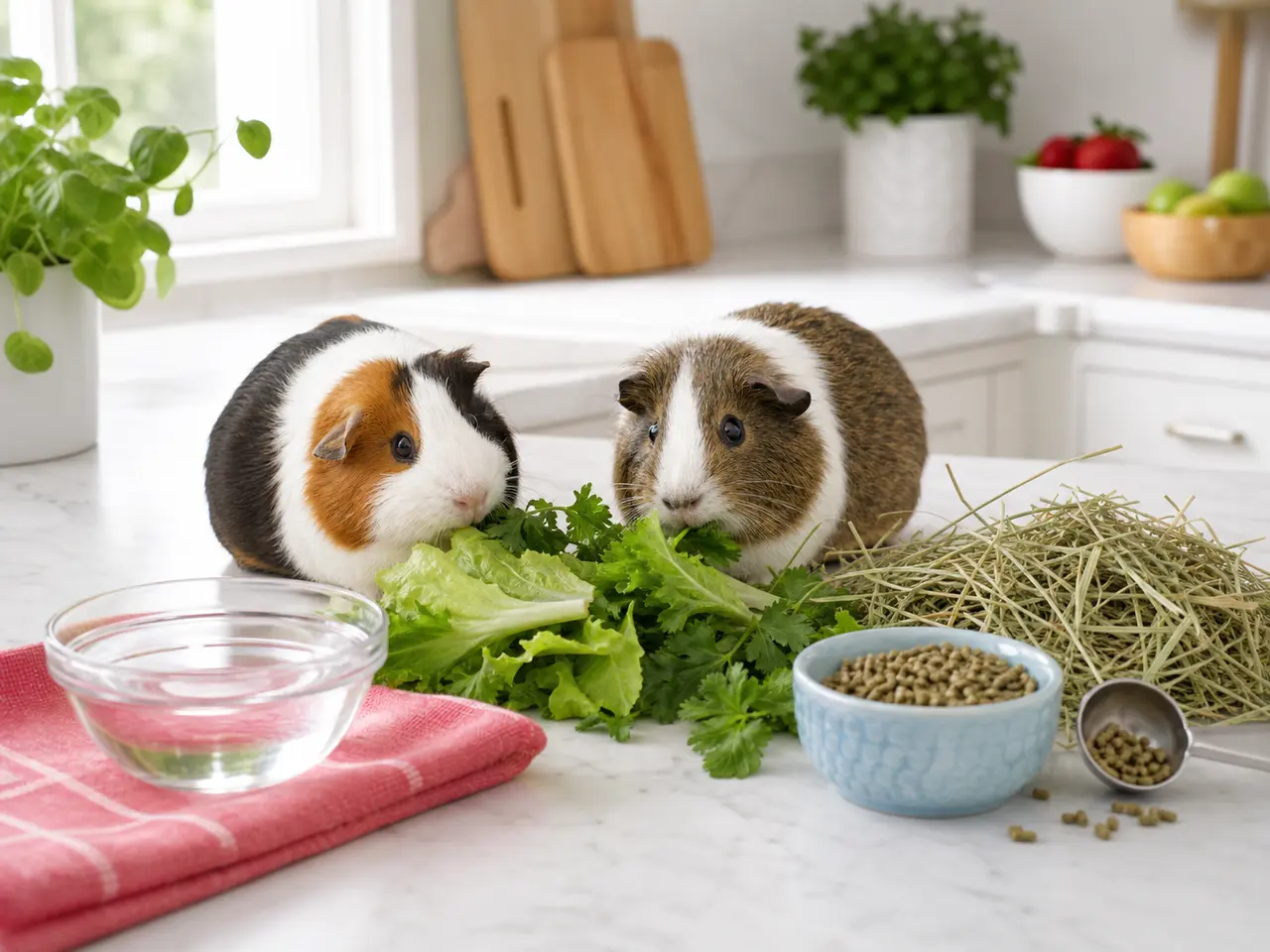
Fresh foods can add variety and enrichment, but they should not crowd out the staple. Offer small amounts, avoid seasoned human food, and watch stool, weight, and appetite after changes.

Rats are social, so the food plan has to work for the whole group. Scatter some food, use multiple feeding spots, and watch whether one rat guards, steals, or quietly loses condition.

Tiny treats can help with bonding and training, but the daily relationship should not depend on constant snacks. Use attention, exploration, and enrichment too.

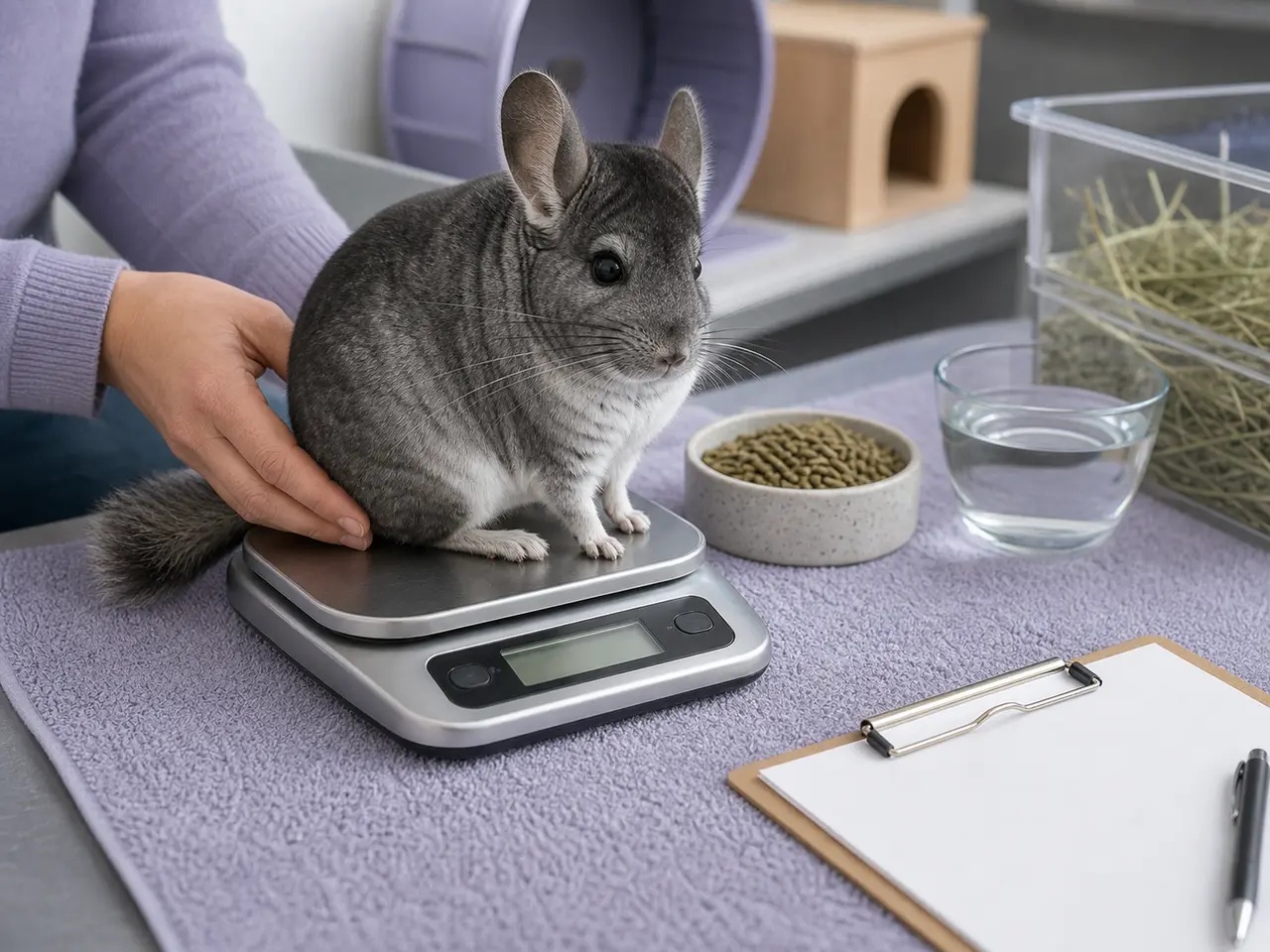
Appetite changes, weight loss, noisy breathing, hunched posture, diarrhea, or reduced interest in food need prompt help from an exotic-pet veterinarian. Rats can decline quickly, so build the vet plan into the feeding routine.

Use the food safety checker before a new extra starts replacing the balanced staple or one rat guards the good pieces. Keep the normal staple steady and test one change at a time.
Write notes beside the habitat: portion, water, stool or droppings, weight, cleaning changes, and behavior after the food. If appetite drops, diarrhea appears, breathing changes, or the animal seems painful, call an exotic-pet veterinarian instead of trying another treat.
Optional supplies that support the care routine after the species needs are clear.
Affiliate links: Furball Cove may earn from qualifying purchases at no extra cost to you.