Pet rat housing needs companions, climbing, fall breaks, washable fabric, clean air, hides, water, and easy cleaning.
Build routes, shelves, hammocks, fall breaks, clean air, and access for daily spot-cleaning.
Start with cage size, spacing, and ventilation
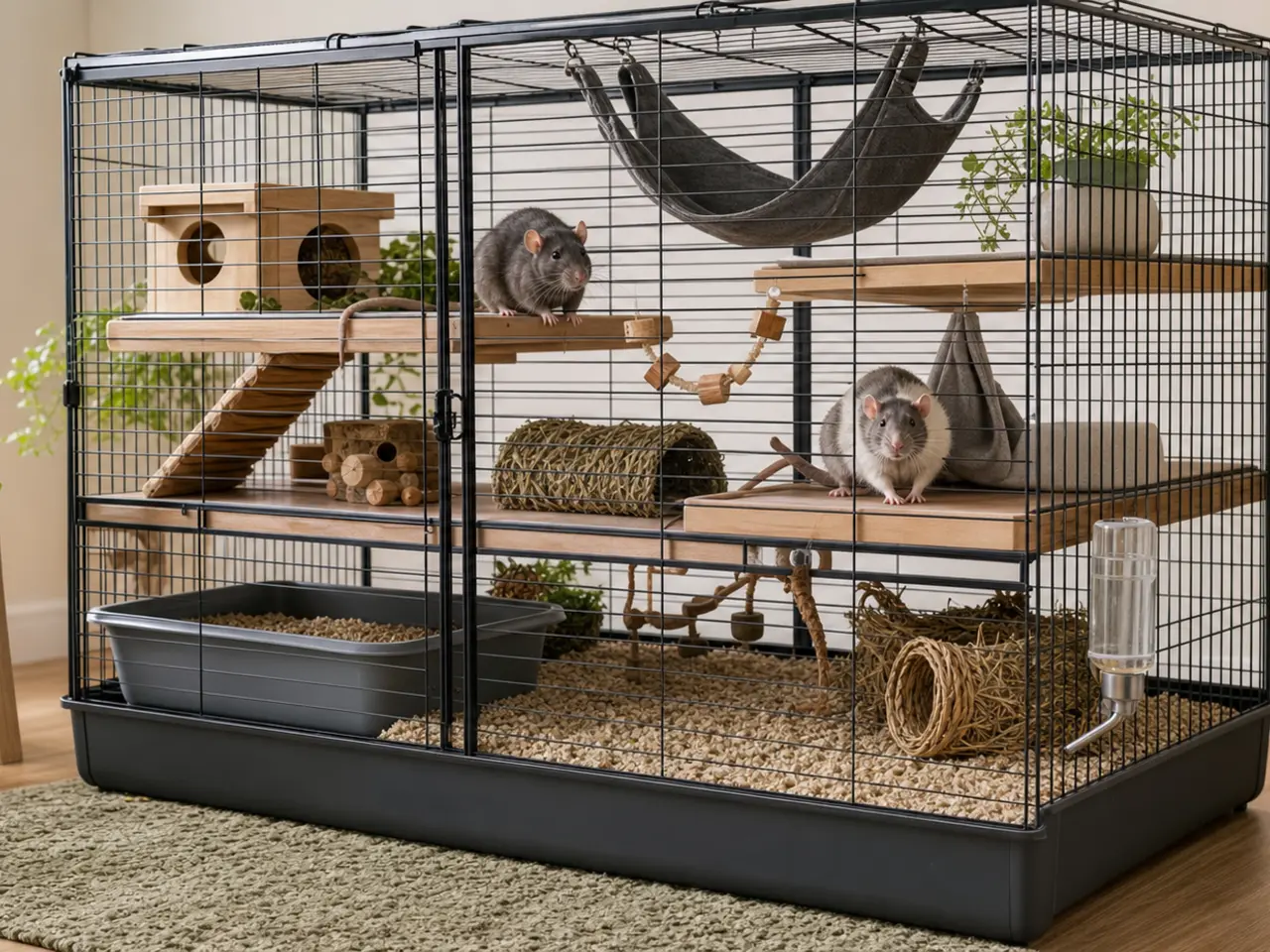
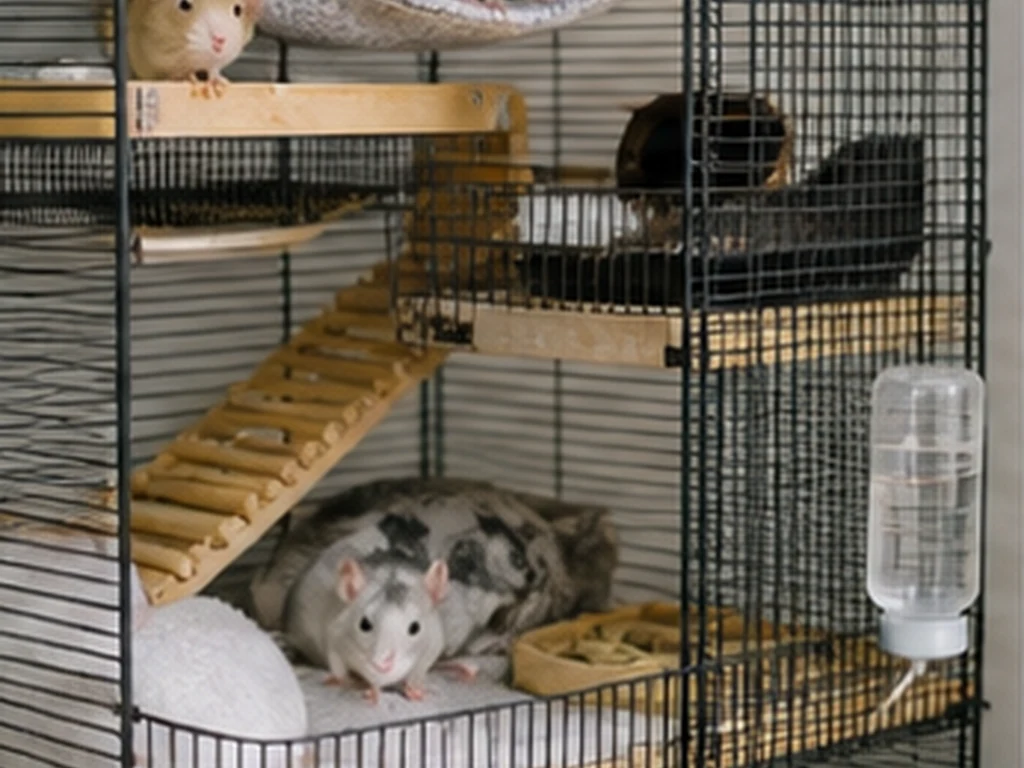
Choose the largest secure cage you can clean and furnish well for a compatible rat group. Bar spacing must keep every rat safely inside, including younger or smaller rats, while open sides provide ventilation.
Measure doors, shelf access, and the route into your room before buying. A large cage only works when you can reach every corner, move it for cleaning, and inspect latches and gaps without improvising.
Design for a social group
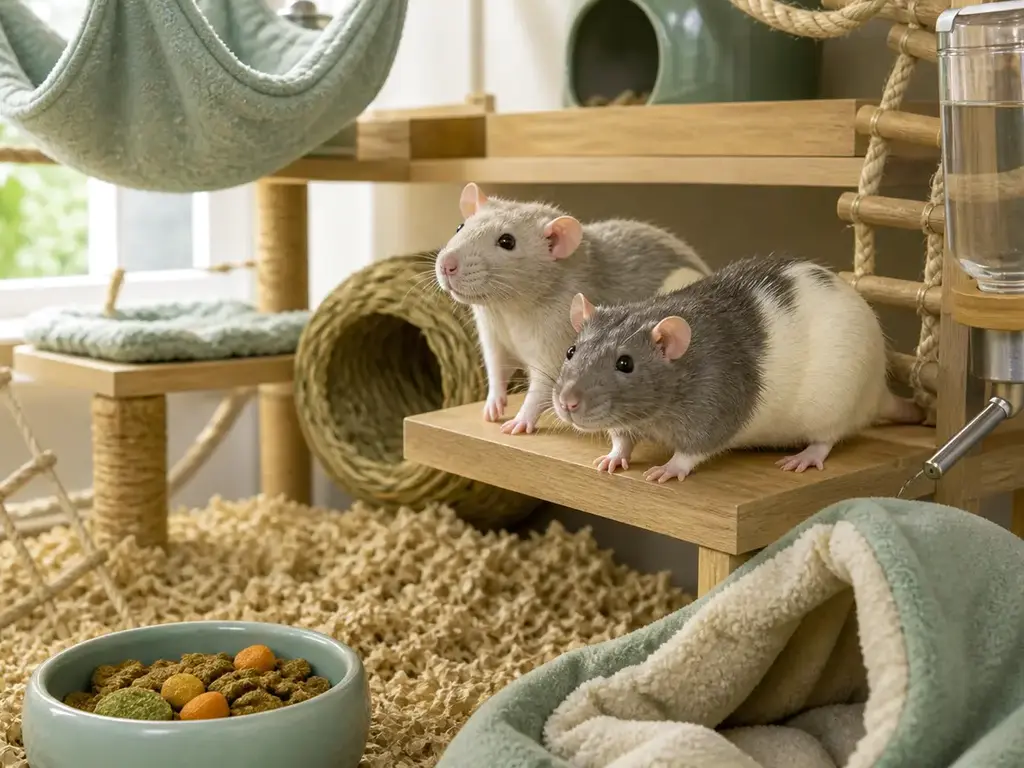
Most rats need compatible rat companions, so the enclosure has to work for more than one animal. Food, water, hides, hammocks, and shelves should not create a single guarded resource.
Give shy and confident rats multiple routes through the cage. A social habitat still needs escape options from each other, especially during introductions, adolescence, or illness.
Use height with fall breaks
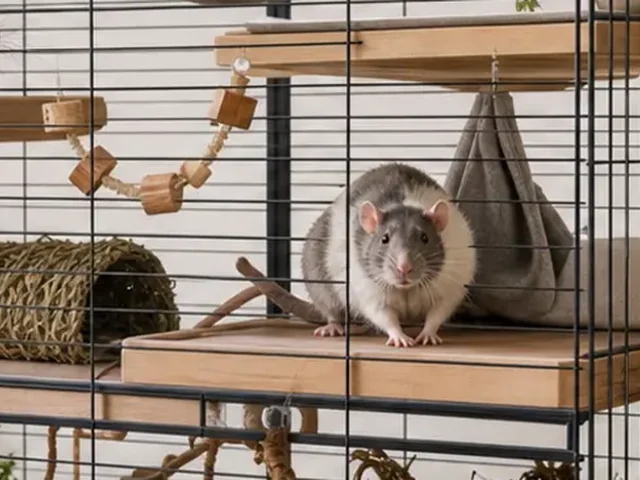
Rats enjoy climbing, but empty height can be dangerous. Add solid shelves, hammocks, ropes, baskets, and platforms so a missed step does not become a long fall.
Cover wire surfaces and avoid layouts that leave rats walking on mesh. Feet, tails, and confidence all benefit from stable surfaces and predictable paths.
Make fabric washable, not permanent
Hammocks, liners, sleep sacks, and ropes collect urine, food dust, and scent. Choose pieces you can remove, wash, inspect, and replace before frayed loops or odor become hazards.
Keep a rotation set. Fresh fabric lets cleaning happen on schedule without leaving the cage bare and stressful.
Build litter and air quality into the cage
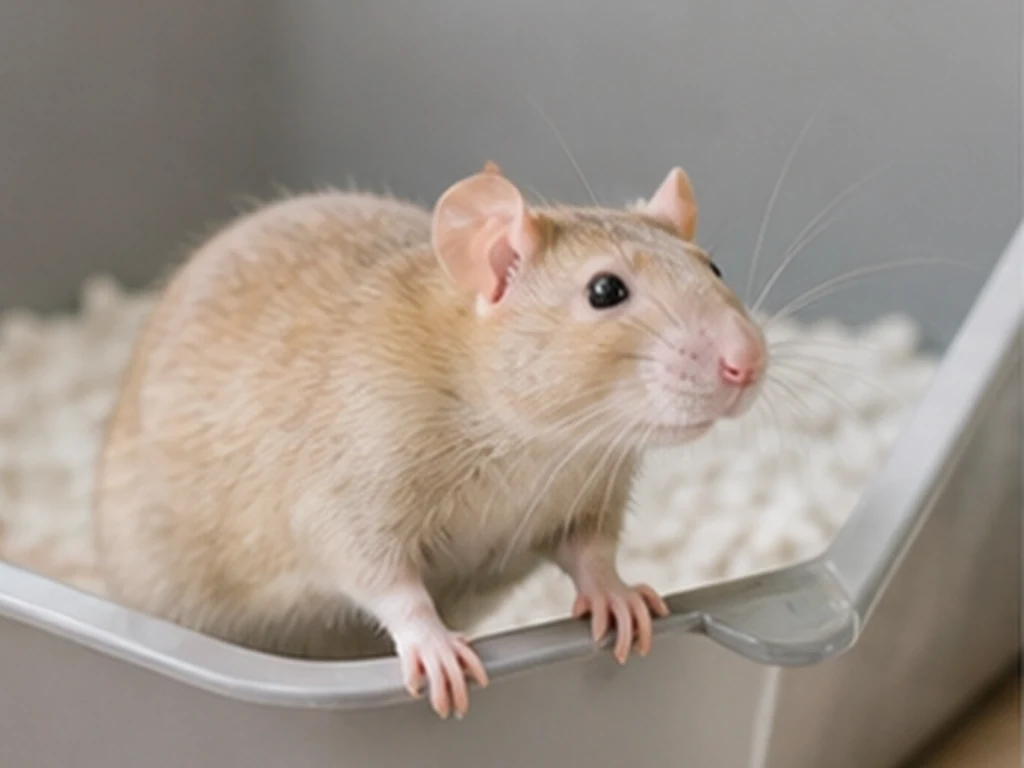
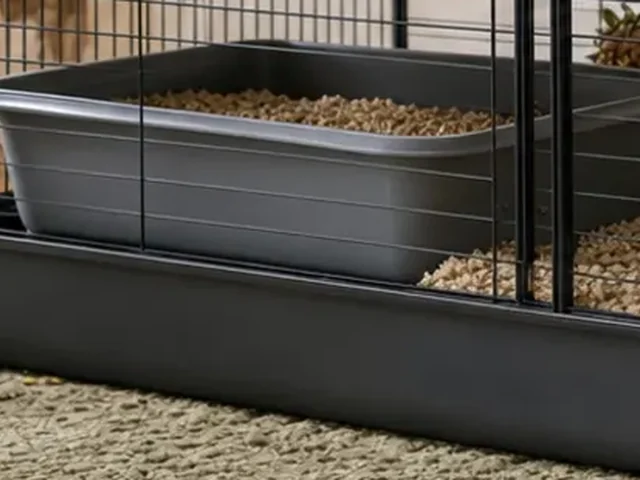
A litter tray can help, but it has to sit where rats naturally choose corners. Spot-clean wet bedding and shelves often, and use low-dust materials that protect breathing.
If smell returns immediately after cleaning, look at crowding, ventilation, fabric laundry, diet, and possible health signs rather than masking odor with scents.
Keep food, water, and checks easy
Water bottles and bowls need daily checks because leaks and blockages can happen quietly. Food stations should let every rat eat without being pushed away.
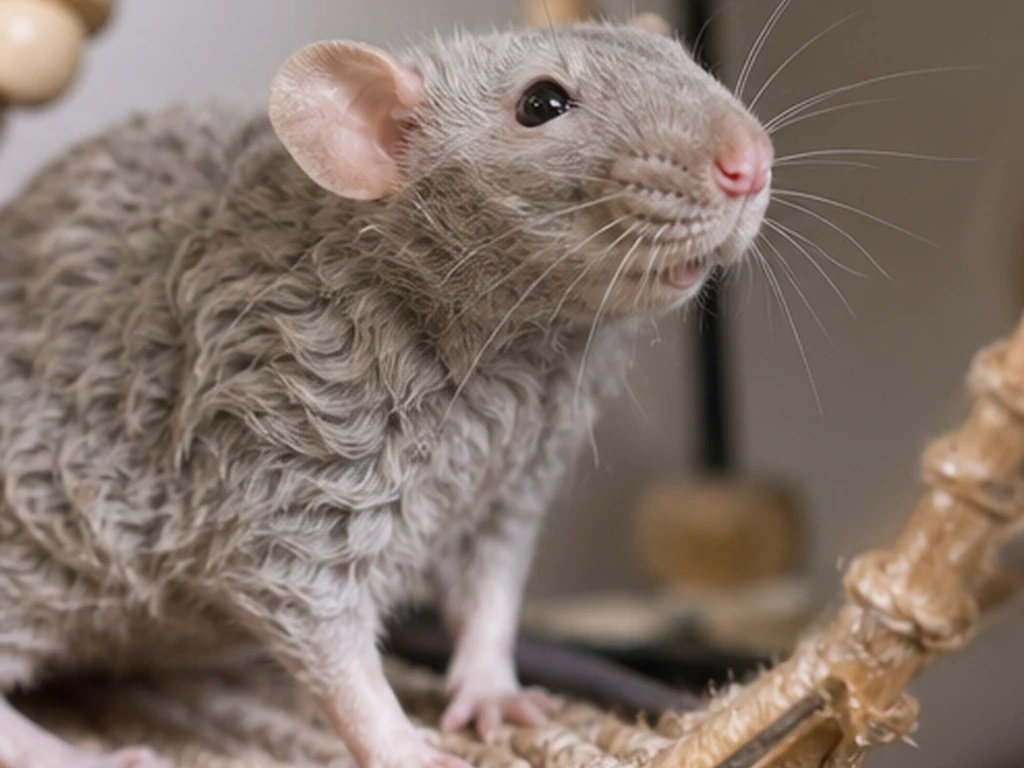
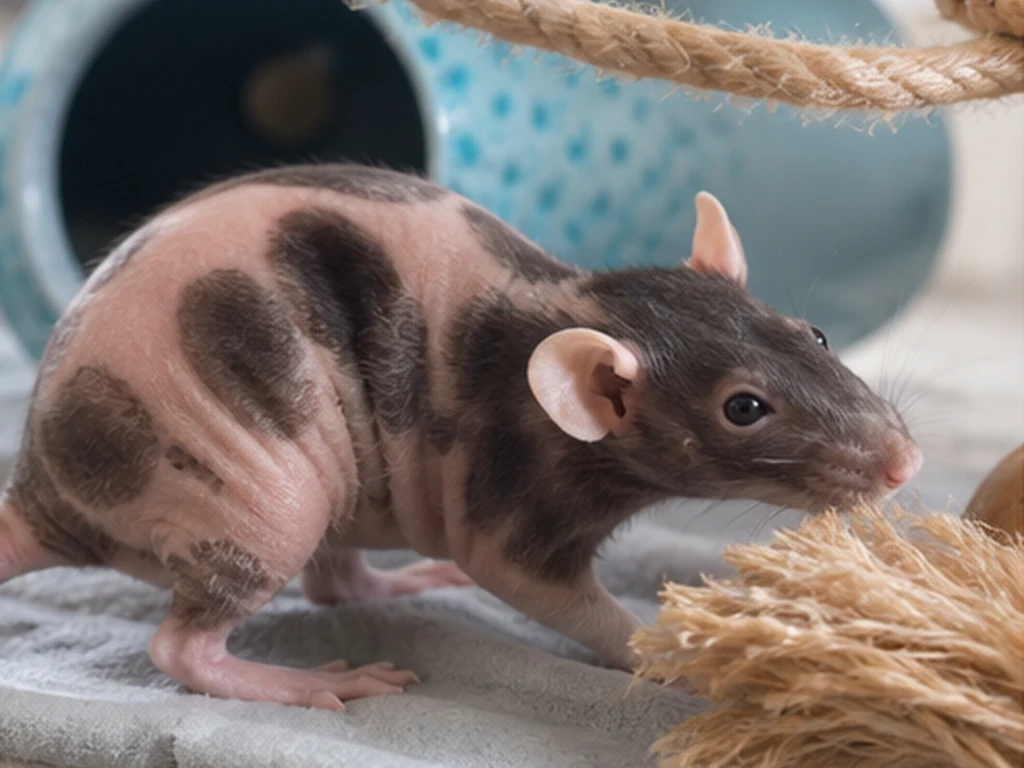
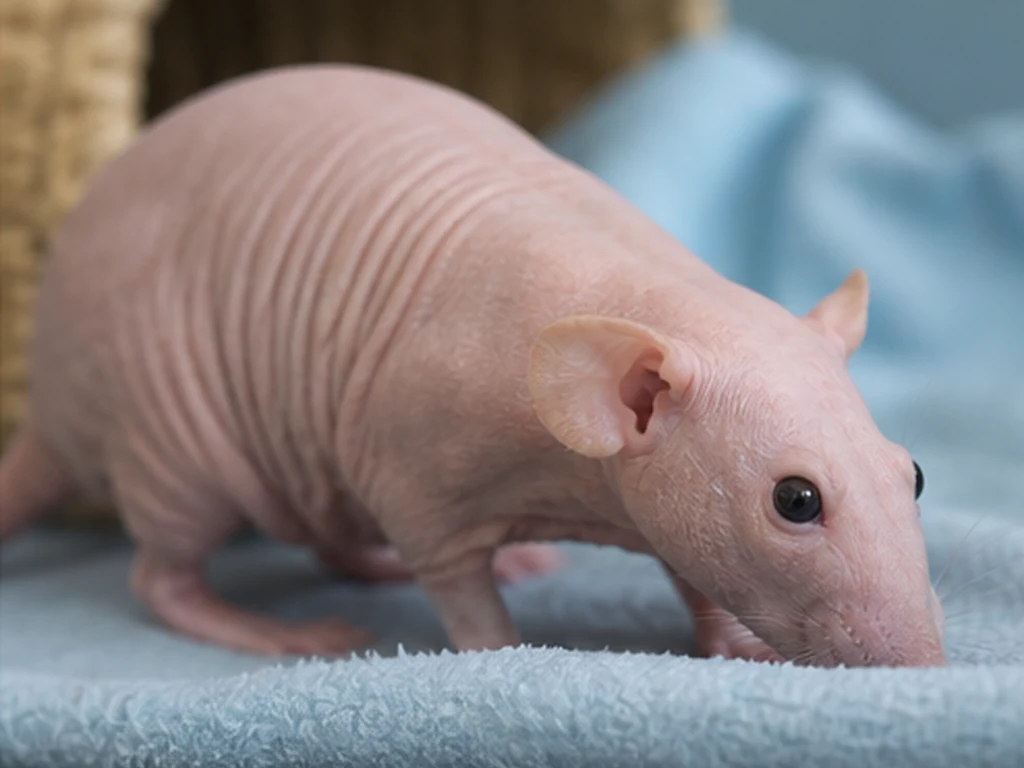
The best layout makes it easy to see breathing, posture, wounds, body condition, and whether one rat is hiding more than usual.
Plan the door and cleaning reach
Large doors, removable shelves, and reachable corners matter. If cleaning requires dismantling half the cage, it will happen late or roughly.
Practice reaching every hammock clip, litter corner, food spot, and hide before adoption. Housing quality includes human ergonomics because the rats live with the consequences of missed cleaning.
Test the night route
Rats are often busy when the house is winding down. Before adoption, check whether doors latch quietly, water can be refilled without waking everyone, and the cage can be spot-cleaned without moving half the room.
A habitat that only works during a relaxed afternoon will fail on a tired weeknight. Good rat housing keeps care easy when the humans are busy and the rats are active.
Before you decide
Can at least two compatible rats reach food, water, hides, and hammocks without one animal blocking access?
Are long falls broken by hammocks, shelves, or platforms?
Can fabric and litter areas be removed and cleaned easily?
Can you inspect breathing, posture, weight, and wounds without tearing the cage apart?
Useful setup pieces
Optional supplies that support the care routine after the species needs are clear.
Affiliate links: Furball Cove may earn from qualifying purchases at no extra cost to you.