Updated
Dog trick guide
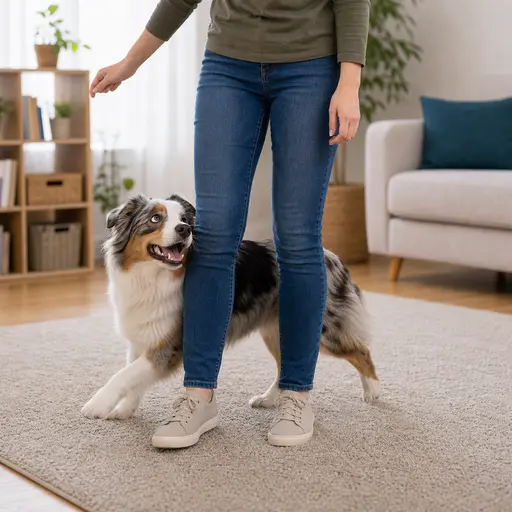
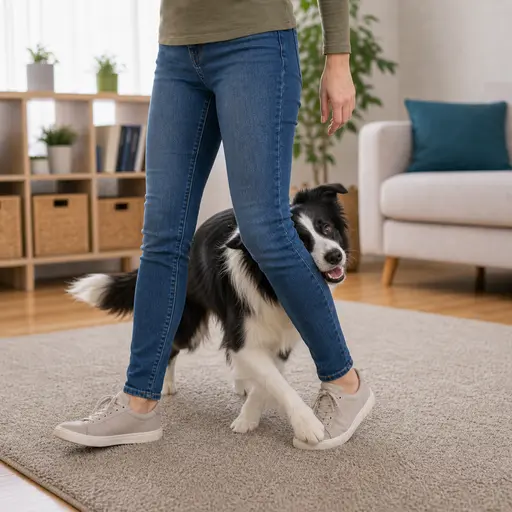
Teach Your Dog Cross Paws
A polished photo-ready trick built from paw targeting, patience, and clean timing.
Give your dog time to think. Tiny correct guesses are the whole game at first.
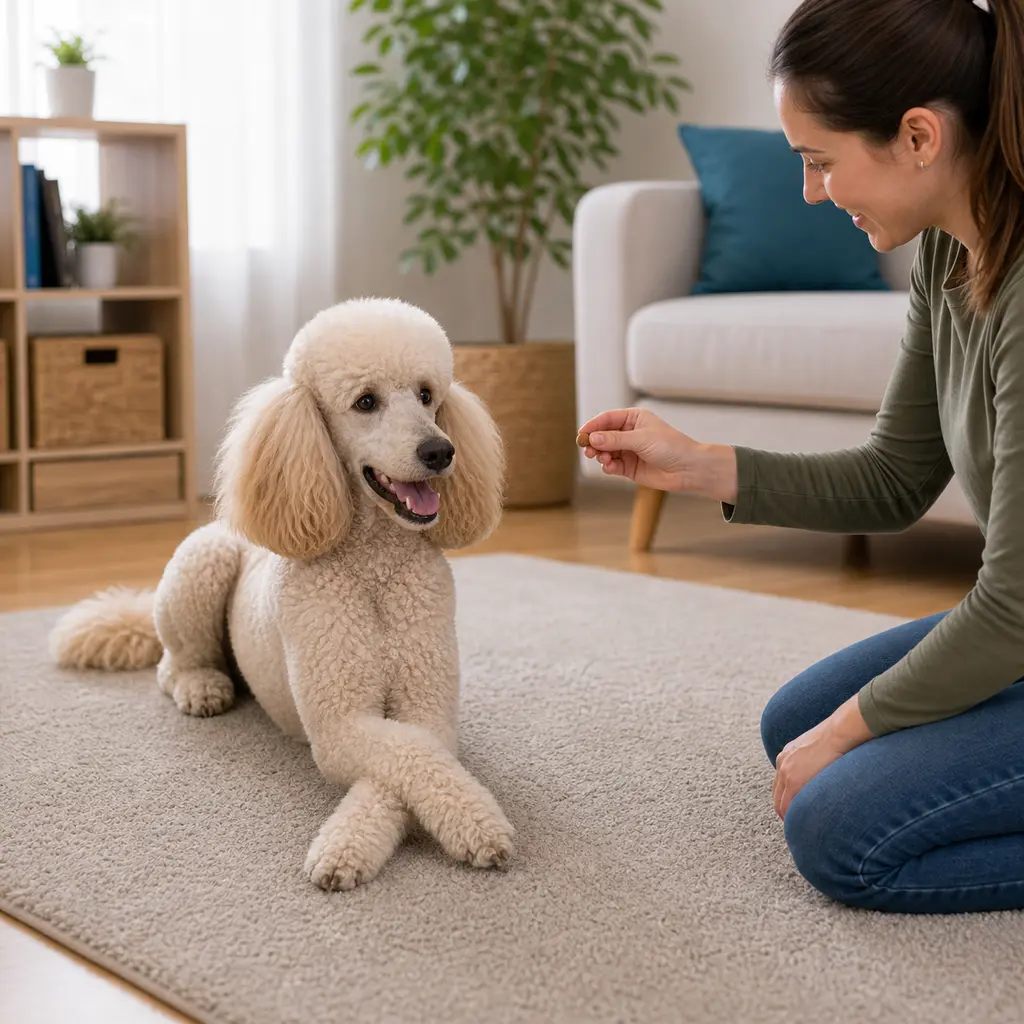
Cross Paws is a thinking trick, so give your dog time to puzzle it out. The first good attempt might be tiny, messy, or barely visible, and that still counts.
Keep your rewards calm and your steps small. Smart dogs can get frustrated when the picture changes too fast.
Great for
- Dogs who already enjoy training short sessions.
- Patient dogs who can handle little steps.
- People who like polishing a trick over several days.
Wait a bit if
- Your dog has sore paws, nail pain, or hates paw handling right now.
- The game stops feeling playful and starts feeling like pressure.
Make the lesson easy
Pick one tiny piece
Do not teach all of Cross Paws at once. Choose the first movement or choice your dog can understand.
Mark the good guess
The first correct try may be small. Mark it clearly so your dog knows which idea worked.
Reward calm thinking
If your dog throws every behavior at you, pause and make the step easier.
Add the cue late
Wait until the action is predictable before you name Cross Paws. That keeps the cue clean.
Build the chain
Add one piece at a time and reward often. Hard tricks fall apart when the steps get rushed.
Quit before frustration
Two lovely reps are enough. Brainy tricks should leave your dog feeling brilliant.
Little things that help
If your dog gets stuck
Make the next try easier. A quick win teaches more than repeating the same confusing setup.
If excitement takes over
Use smaller rewards, slower hands, and fewer reps. You can always make it more exciting later.
If kids are helping
Let an adult manage treats and timing first. Kids can join once the dog knows the game.
Helpful little extras
Affiliate links: Furball Cove may earn from qualifying purchases at no extra cost to you.
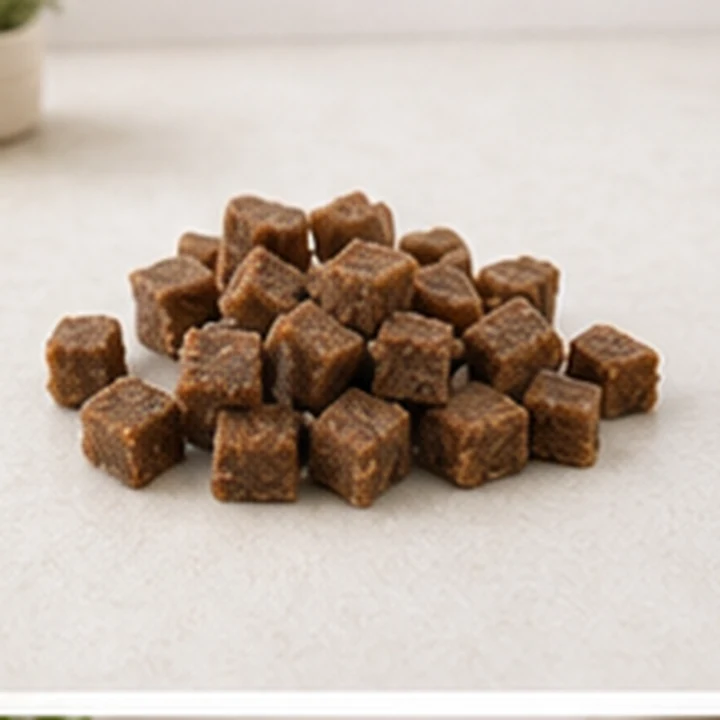
Soft training treats
Keep the treats tiny for Cross Paws so you can reward brave little paw tries without turning the lesson into a snack break.
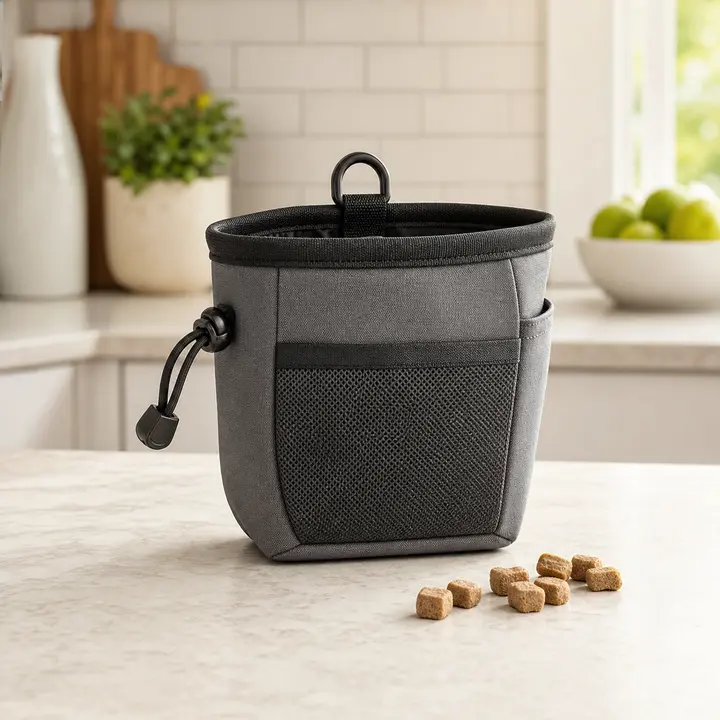
Treat pouch
A pouch keeps rewards ready so you are not fumbling when your dog offers the moment you want in Cross Paws.
Training clicker
A clicker helps mark the tiny movement that matters in Cross Paws, especially before the trick looks finished.
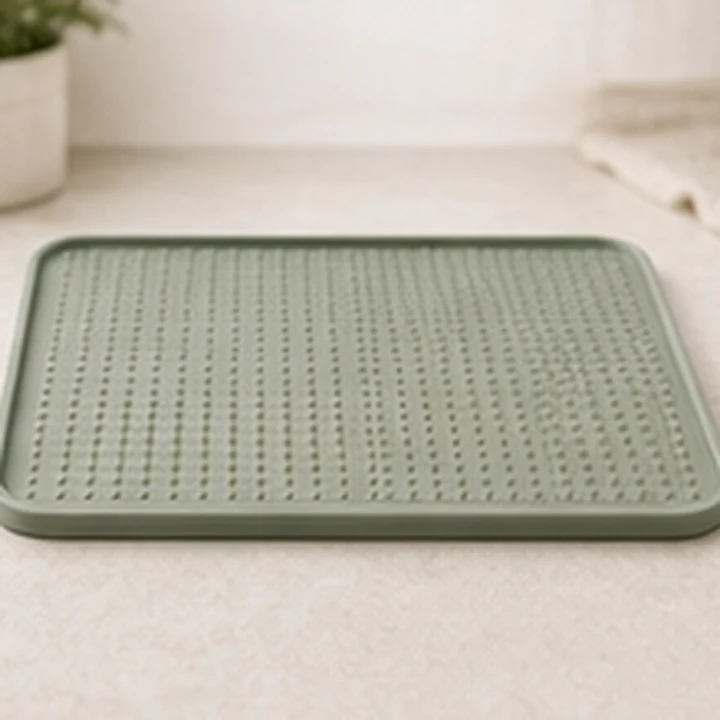
Non-slip mat
A grippy mat helps your dog feel steady during Cross Paws so they can think instead of slipping around.
Questions people ask
How long does cross paws take to teach?
Many dogs understand the first version in a few short sessions. A polished cross paws may take several days, especially if you are building calm manners into it.
What if my dog does not get it?
Make the next rep easier and reward a smaller try. Dogs learn faster when they feel successful instead of corrected.
How often should we practice?
One or two tiny sessions a day is plenty. Stop while your dog still looks happy to play.