Updated
Dog trick guide
Teach Your Dog Paws Up
Two front paws on a safe object for confidence, cute photos, and better body awareness.
Go slowly and let your dog feel like they chose the brave little win.
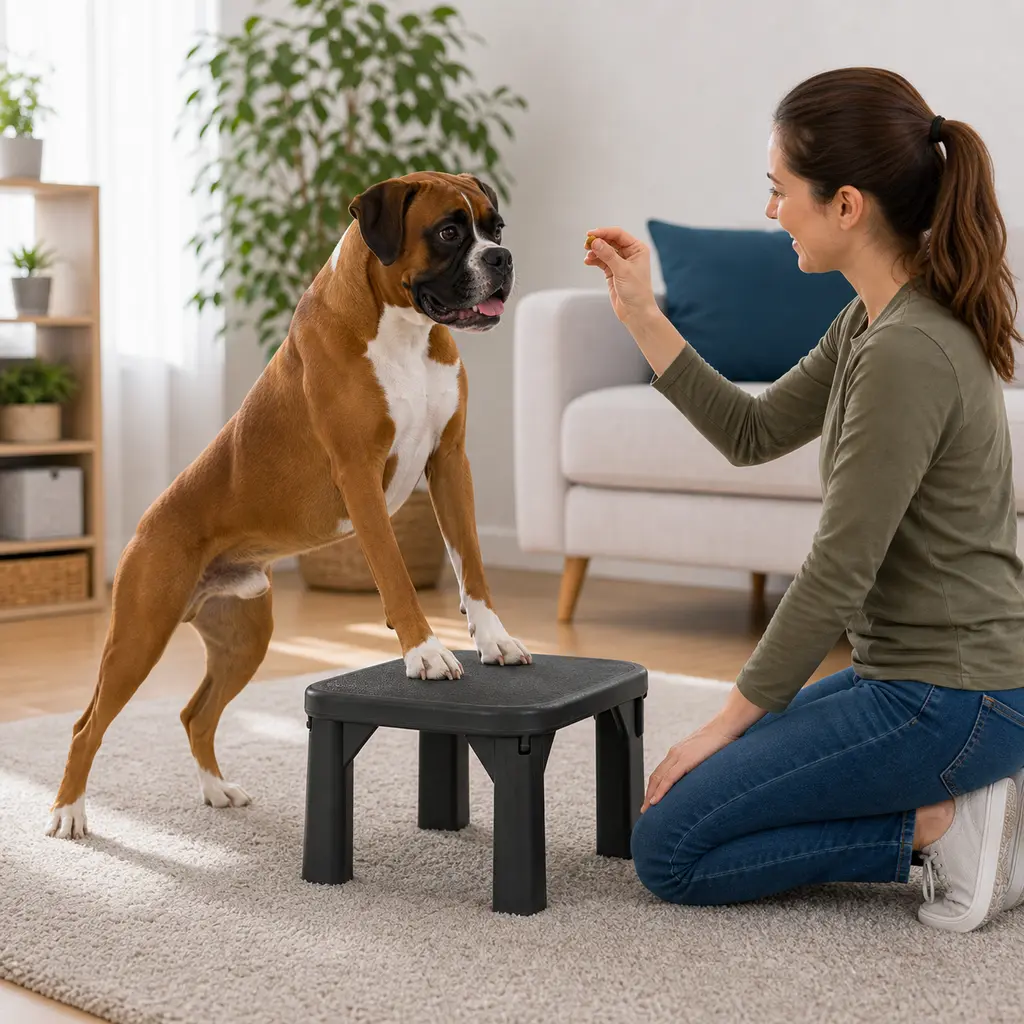
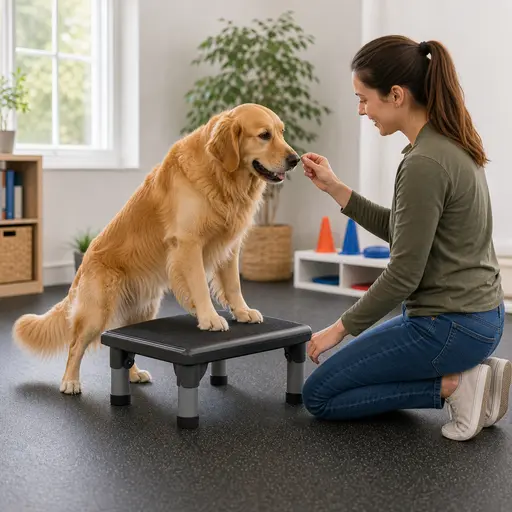
Paws Up is less about showing off and more about helping your dog feel brave. Let your dog notice the setup, try a tiny step, and discover that new things can be safe.
Do not rush the pretty version. Confidence grows when your dog feels like they chose the win.
Great for
- Cautious dogs who need small wins.
- Puppies learning new surfaces and body skills.
- People who can go slow and avoid forcing the moment.
Wait a bit if
- Your dog has sore paws, nail pain, or hates paw handling right now.
- Your dog is scared of the setup. Make it easier before asking for more.
- The game stops feeling playful and starts feeling like pressure.
Set up the first wins
Let your dog inspect it
Put the setup out and let your dog look, sniff, and think. Curiosity is the first part of Paws Up.
Pay the tiny brave choice
Reward a glance, a step closer, or one paw moving forward. Do not wait for the finished trick.
Keep the setup low and safe
Use stable surfaces and plenty of space. Slipping or wobbling too much can break trust fast.
Invite, do not force
If your dog says no, make it easier. Confidence work should never feel like a trap.
Add the cue later
Name Paws Up only after your dog is happily offering the movement.
End on the easiest win
Finish with something your dog can do beautifully. That is what they will remember.
Little things that help
If your dog gets stuck
Make the next try easier. A quick win teaches more than repeating the same confusing setup.
If excitement takes over
Use smaller rewards, slower hands, and fewer reps. You can always make it more exciting later.
If kids are helping
Let an adult manage treats and timing first. Kids can join once the dog knows the game.
Helpful little extras
Affiliate links: Furball Cove may earn from qualifying purchases at no extra cost to you.
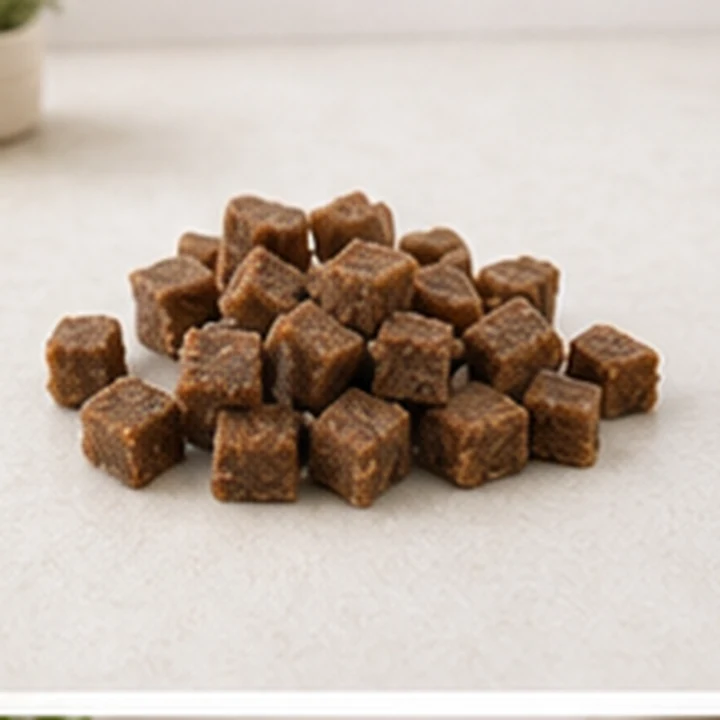
Soft training treats
Keep the treats tiny for Paws Up so you can reward brave little paw tries without turning the lesson into a snack break.
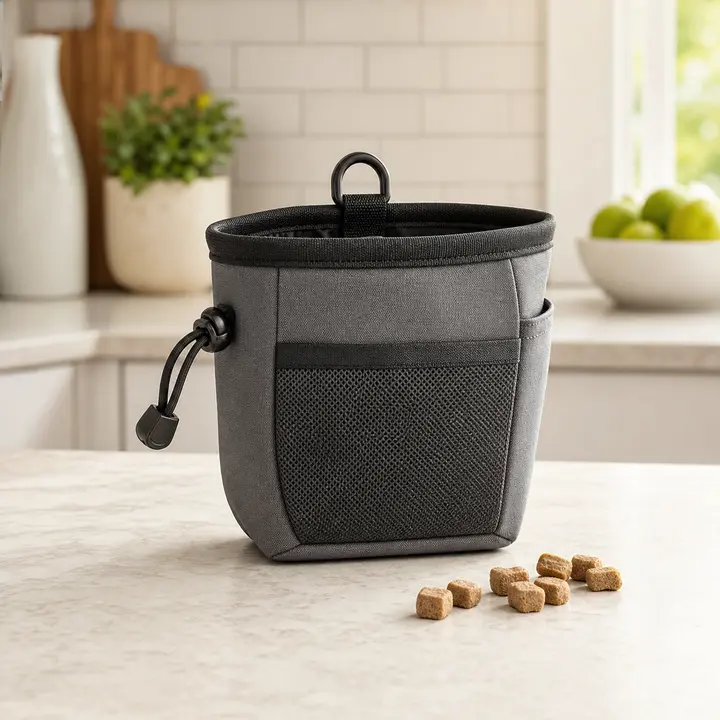
Treat pouch
A pouch keeps rewards ready so you are not fumbling when your dog offers the moment you want in Paws Up.
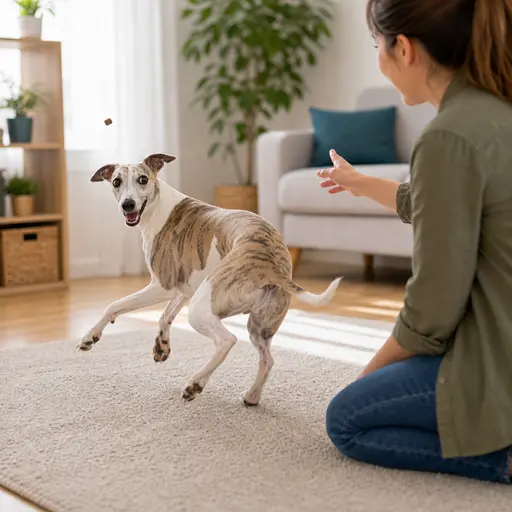
Training clicker
A clicker helps mark the tiny movement that matters in Paws Up, especially before the trick looks finished.
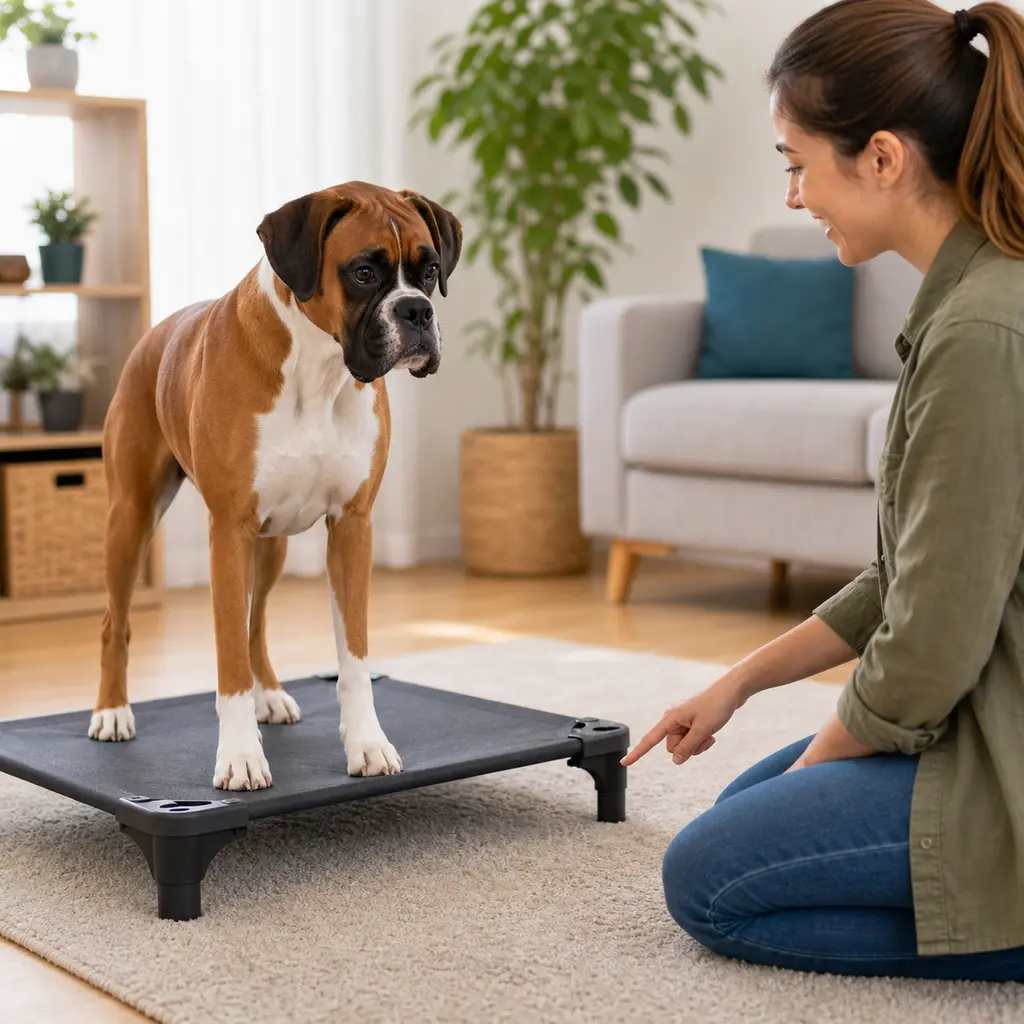
Training platform
A stable platform makes Paws Up obvious because your dog can feel exactly where their paws belong.
Questions people ask
How long does paws up take to teach?
Many dogs understand the first version in a few short sessions. A polished paws up may take several days, especially if you are building calm manners into it.
What if my dog does not get it?
Make the next rep easier and reward a smaller try. Dogs learn faster when they feel successful instead of corrected.
How often should we practice?
One or two tiny sessions a day is plenty. Stop while your dog still looks happy to play.