Updated
Bird food check
Can Birds Eat Kale?
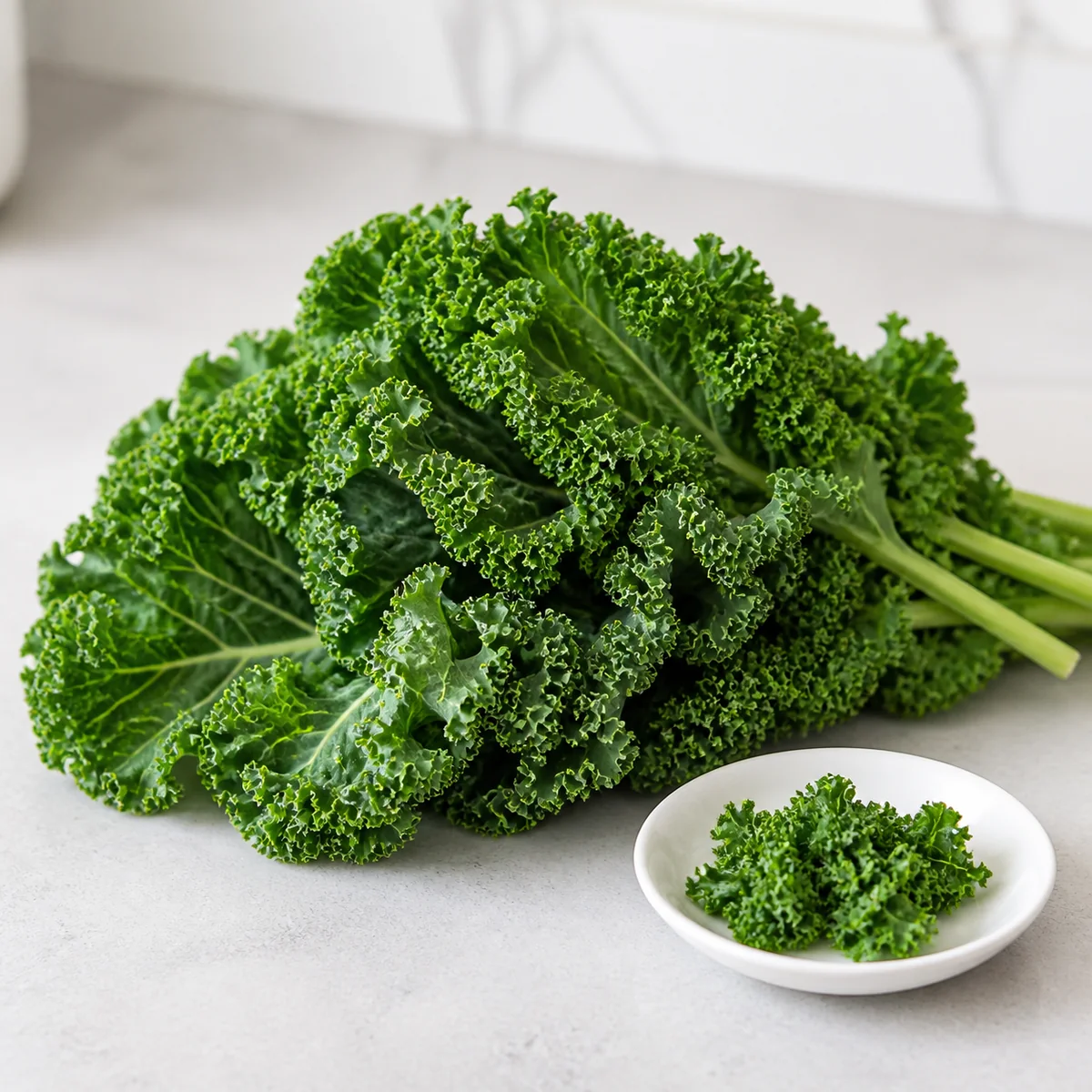
Small, plain fresh-food portion
Yes—many companion birds can have a small, washed, plain kale portion alongside their normal species-appropriate diet.
Chop it into bird-sized pieces, serve it plain, and remove leftovers before they spoil. Exact amounts still depend on species, size, health, and an avian veterinarian's diet plan.
 Kale
KalePlain preparation
Wash kale well and serve it plain. Cut it into bird-sized pieces and remove tough pieces your bird does not handle well. Offer fresh food in a clean dish and remove leftovers before they spoil.
A sensible amount
Use a small fresh-food portion beside the normal species diet. Do not use kale to replace a complete pellet diet or a veterinarian-directed plan.
The main caution
Serve kale plain. Skip kale chips, seasoned vegetables, sauces and table scraps, and do not let one fresh food replace the bird’s normal diet.
Stop offering it if
- The bird consistently refuses it.
- Droppings become temporarily looser after introduction.
Call an avian veterinarian if
- Appetite remains reduced.
- Activity drops.
- Symptoms continue.
- The bird seems unwell.
Useful tools for the feeding routine
Three practical picks for preparing, measuring, storing, or serving bird food.
Affiliate links: Furball Cove may earn from qualifying purchases at no extra cost to you.
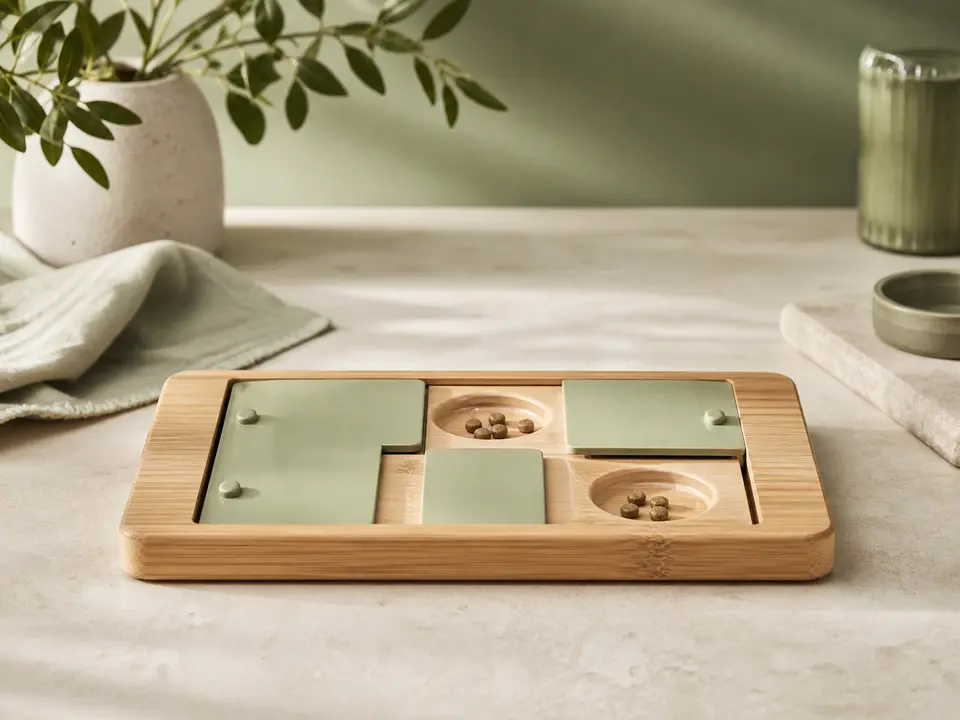
Puzzle feeder tray
Offer a supervised, easy-to-reset search for familiar food outside the cage routine.
Shop puzzle feeders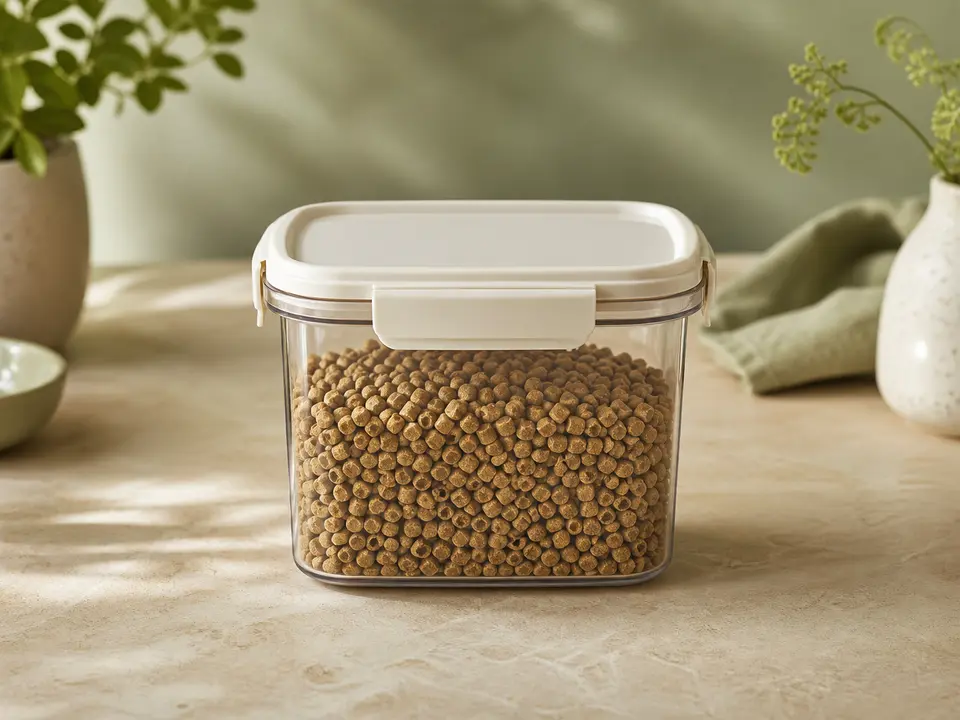
Pellet container
Keep the everyday pellet supply dry, closed, and easy to portion without leaving the bag open.
Shop pellet containers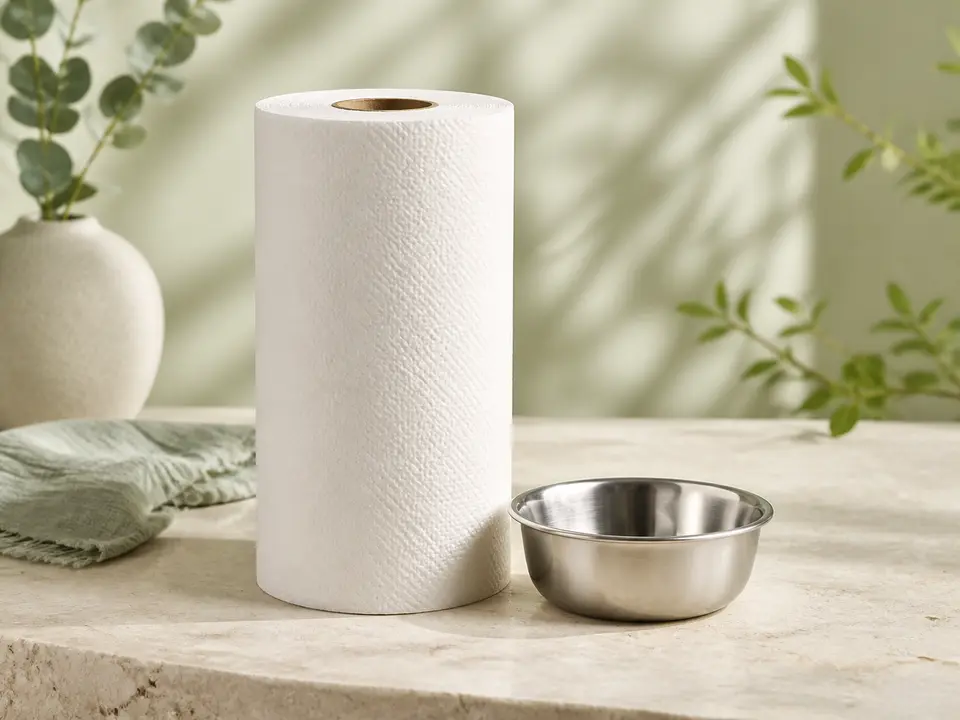
Plain paper towels
Handle a quick food spill or line a temporary prep area without adding fragrance to the routine.
Shop paper towels