Updated

Bird guides

Bird Food Guide

A good bird diet starts with the species, then the daily routine.

Use the species guide and your avian vet to set the base diet, then make vegetables, water, treats, storage, and cleanup easy enough to repeat.

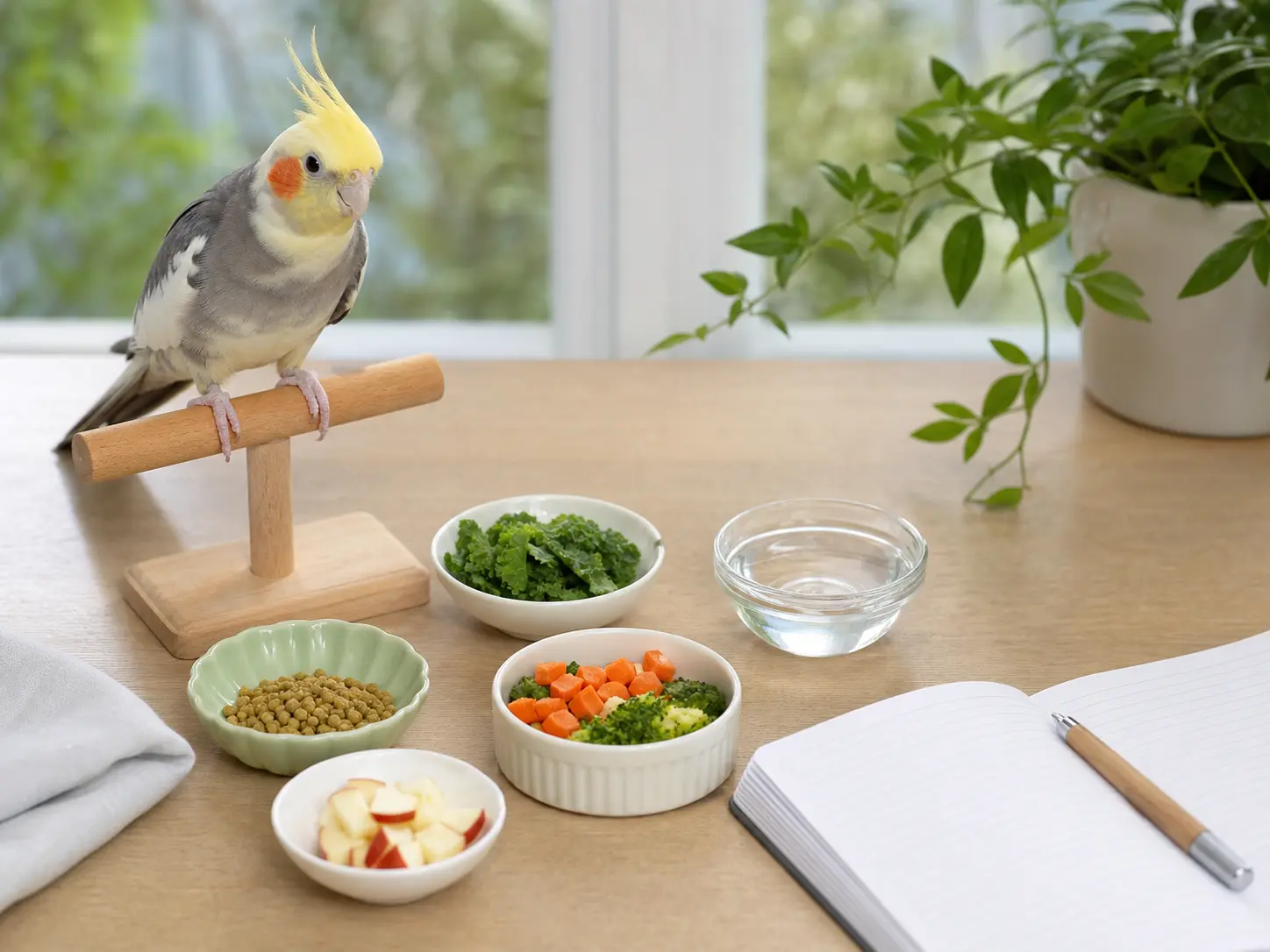
Cockatiel beside pellets, leafy greens, chopped vegetables, a tiny fruit portion, clean water, and food notes.

Start here

The daily diet should be simple to repeat and hard to unbalance.

Before buying another mix, check the four jobs that make bird feeding safer day after day.

Base dietSpecies-specific

The main food plan matches the bird, age, health, and vet guidance.

Fresh foodWashed and rotated

Vegetables and greens are offered in realistic portions and cleaned up on time.

ExtrasMeasured

Seed, nuts, millet, and fruit are useful tools, not a free-choice diet.

MonitoringWeight and appetite

Small changes are easier to catch when bowls, droppings, and weight are checked.

Keep out of the routine

  • Seed-only bowls
  • Sudden diet switches
  • Avocado, chocolate, caffeine, or alcohol; call an avian veterinarian or animal poison hotline after possible exposure
  • Salted or sugary human snacks
  • Spoiled fresh food
  • Damp, stale, dusty, or moldy stored food
01

Build the base diet around the bird

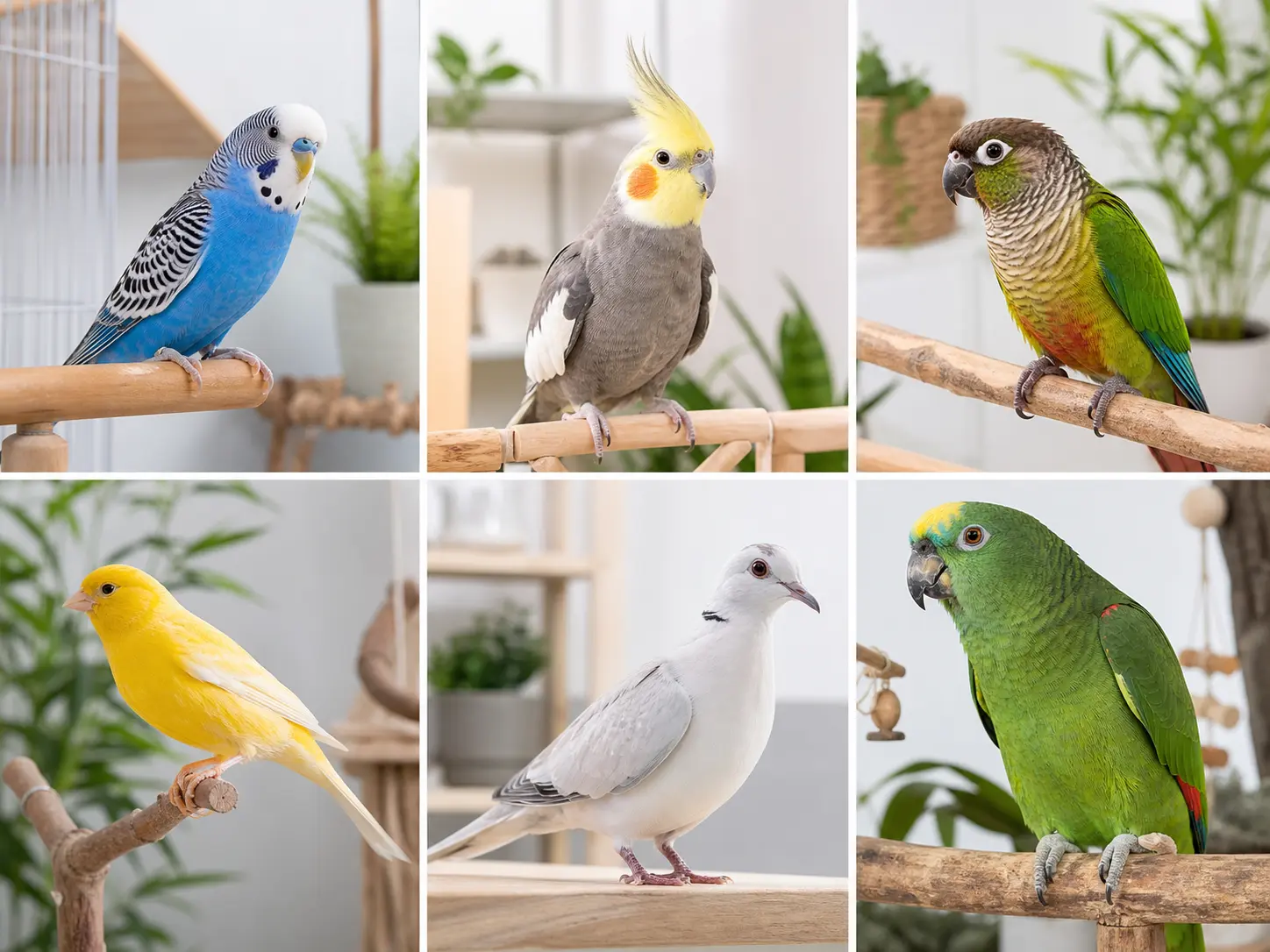
Budgies, cockatiels, finches, canaries, doves, conures, amazons, and eclectus parrots should not all eat from the same template. Start with the species, age, health history, and your avian vet's advice before you decide what belongs in the daily bowl.

02

Do not let favorite foods run the bowl

Many birds pick seeds, millet, nuts, or fruit first. That does not mean those foods should become the whole diet. Use favorites carefully for training and enrichment, and make diet changes slowly so the bird keeps eating.

03

Make vegetables and greens a habit

Offer plain washed vegetables and safe greens in bird-appropriate pieces. Keep portions realistic, try different shapes and textures, and remove fresh food before it spoils. A small daily routine works better than a big bowl that sits too long.

04

Keep treats measured

Fruit, nuts, seed, and richer extras can be useful, but they should not quietly take over. Measure them, use tiny portions for training, and adjust for species that need special diet planning.

05

Watch water, bowls, weight, and droppings

Clean water and washed bowls are daily jobs. Appetite, weight, and droppings are also early clues when something is off. If a bird stops eating, loses weight, or looks unwell, treat it as an avian-vet problem, not a picky phase.

06

Store food like it can go bad

Keep pellets, seed, and treats sealed, dry, dated, and away from heat. Toss damp, stale, dusty, or moldy food. Good storage is not fancy; it is how you keep the daily diet consistent.

Before you decide

  • The diet plan matches the species, not just the package label.
  • Fresh water and food bowls are handled every day.
  • Fresh foods are washed, offered in small portions, and removed before they spoil.
  • Seed, nuts, fruit, and millet are measured extras, not the whole routine.
  • Unsafe foods are checked before offering anything new.
  • Weight, appetite, and droppings are watched for changes.

Next best moves

  • Ask an avian vet before a major diet change.
  • Change the diet gradually so the bird keeps eating.
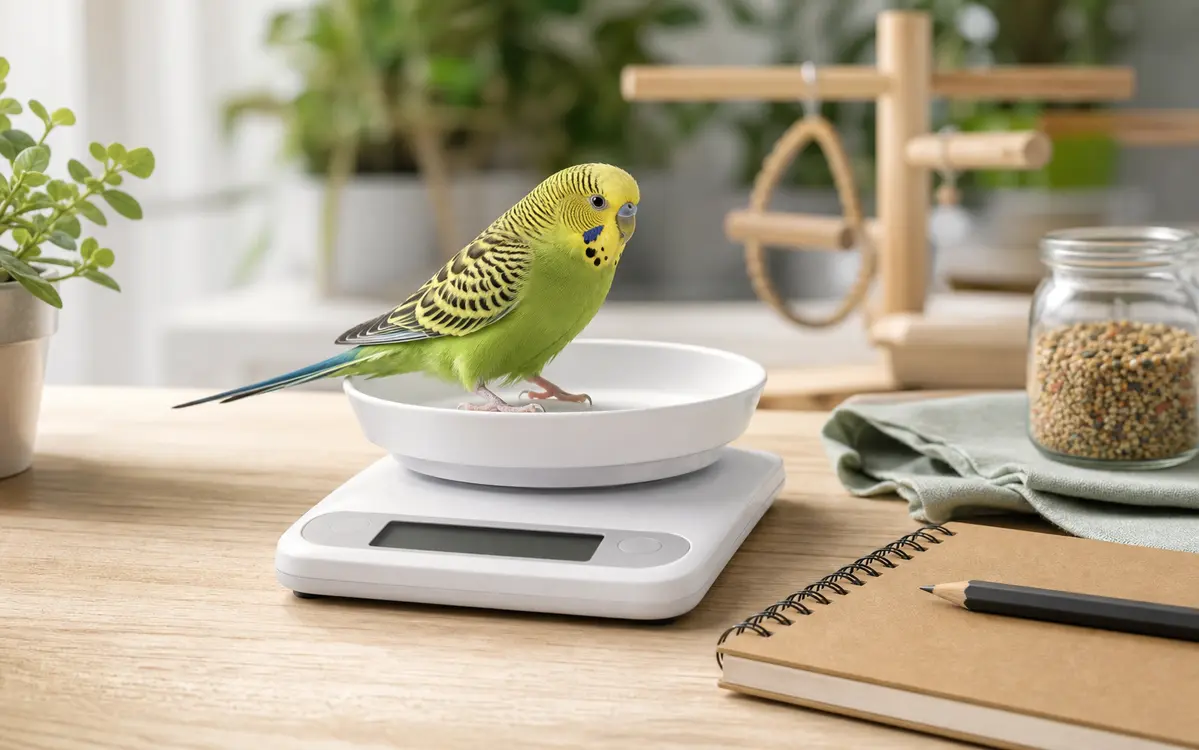
  • Use a gram scale and simple notes to spot small changes early.
  • Keep the food safety checker handy before offering new foods.

Food routine pieces worth getting right

Keep the setup boring in the best way: sealed food, clean bowls, a gram scale, and simple notes.

Affiliate links: Furball Cove may earn from qualifying purchases at no extra cost to you.

Cockatiel beside pellets, leafy greens, chopped vegetables, a tiny fruit portion, clean water, and food notes.

Food storage

Keeps pellets and seed portions sealed, labeled, dry, and separate from treats.

Bird starter supplies with carrier, bowls, natural perches, chew toys, paper liners, scale, towel, and care notebook.

Stainless bowls

Separate clean food and water dishes that are easy to wash every day.

Bird emergency prep setup with hard-sided carrier, towel liner, gram scale, care notebook, water cup, food sample, and flashlight.

Digital gram scale

Makes weight checks easier before small appetite changes become big problems.

Cockatiel and budgie in separate safe bird care areas with a roomy rectangular cage, bowls, perches, toys, greens, and care notes.

Care notebook

Tracks food, weight, sleep, droppings, behavior, and vet questions in one place.

Common questions

Can pet birds eat only seed?

Most companion birds should not live on a seed-only diet. Seeds can be part of training or enrichment for some birds, but the daily diet usually needs a broader species-specific plan.

Should I switch my bird to pellets?

Many birds do well with a pellet-centered diet, but the switch should be gradual and species-aware. Do not remove familiar food suddenly from a bird that is not eating the new food yet.

What fresh foods are best for birds?

Plain washed vegetables and safe greens are a better starting point than sugary fruit. The exact list depends on the species, so check food safety before adding something new.

How long can fresh food stay in the cage?

Remove fresh food before it dries out, wilts, or spoils. Warm rooms and wet foods need faster cleanup.

What foods should birds avoid?

Do not offer avocado, chocolate, caffeine, alcohol, spoiled food, or salty and sugary human snacks. If a risky exposure happened, call an avian veterinarian or animal poison hotline; for a new food, check the safety page before it goes in the bowl.

References