Updated
Bird guides
What should I do if my bird is exposed to mouse poison?
Poison or bait exposure
If your bird may have been exposed to mouse poison, call an avian veterinarian or animal poison hotline now with the product name, active ingredient if visible, amount, time, symptoms, species, and weight.
Call before doing anything
If a bird may have been exposed to mouse poison, do not guess at home care. Call an avian veterinarian or animal poison hotline with the product name, active ingredient if visible, amount, time, species, weight, and symptoms.
Do not treat at home
Poison and bait products can need very different care. The clinic or poison hotline needs the product details before choosing a plan.
Product details matter
Active ingredient, bait type, bait station or package photo, location, amount, and time since exposure can change the advice.
Contain gently
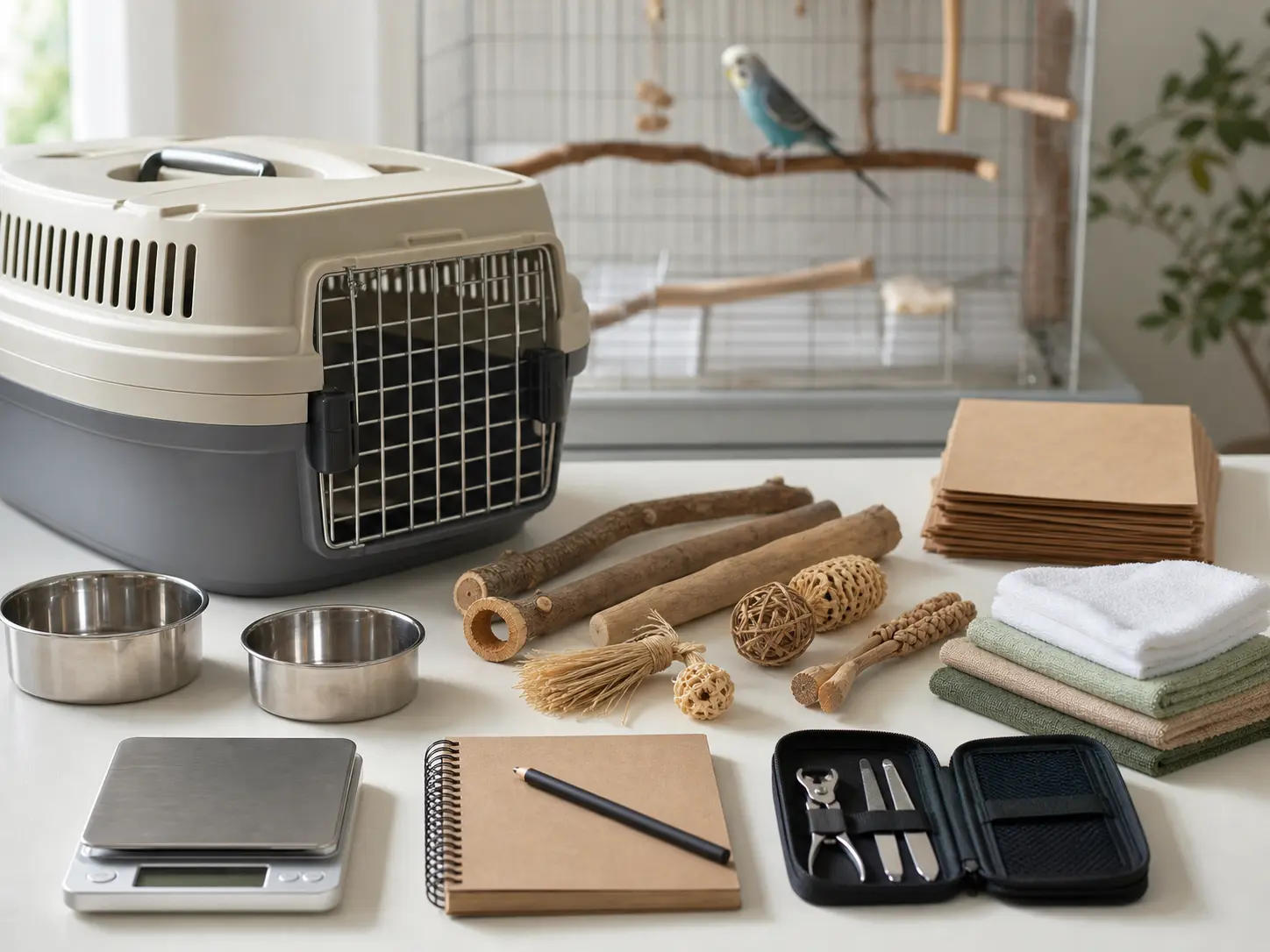
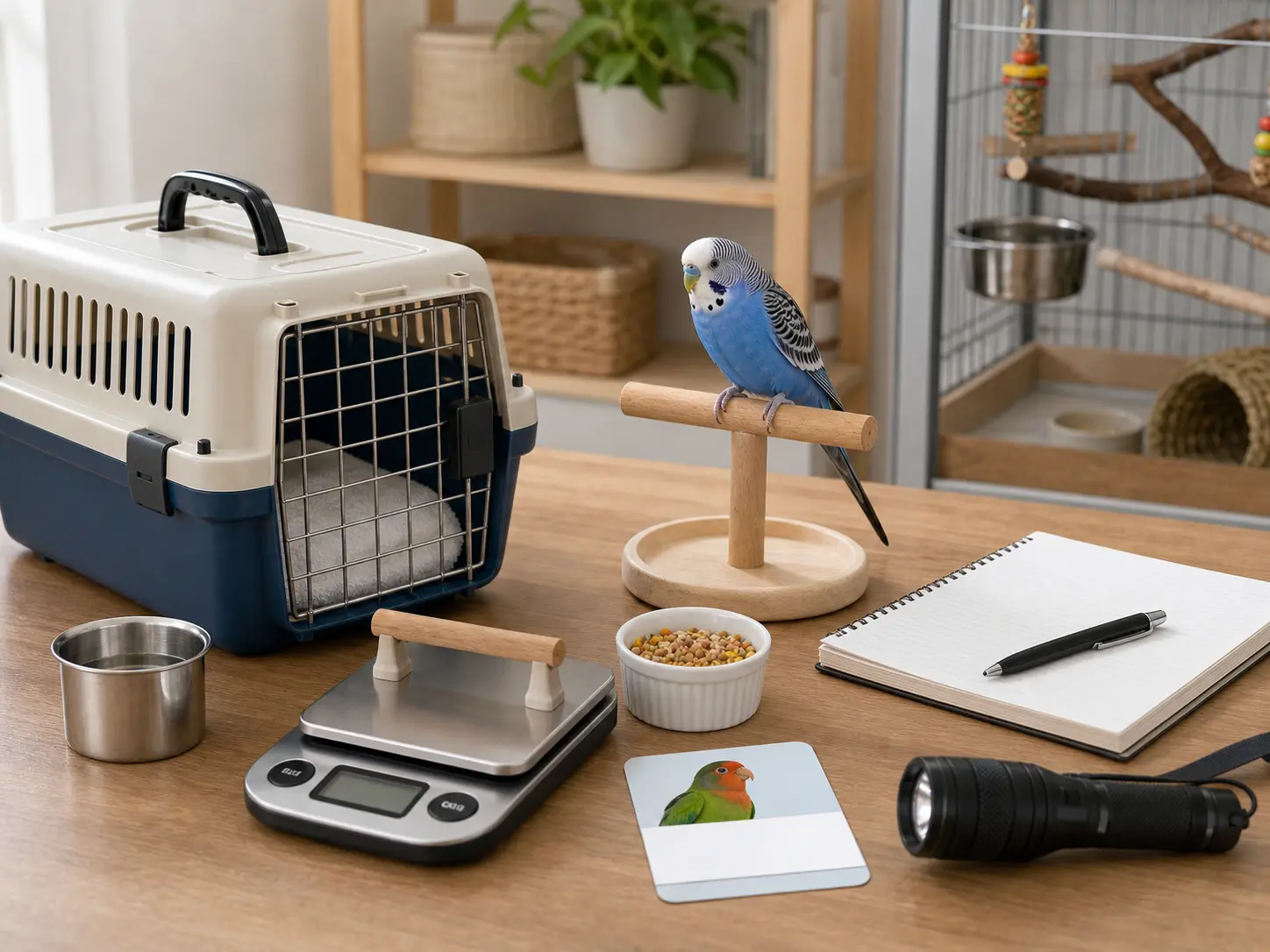
Keep the bird calm in a secure carrier while you call or prepare to travel if directed.
What this is
Mouse poison is a poison or bait exposure problem for birds. The safest next step is fast professional guidance with the exact product details.
Act early
Birds can hide trouble until they are already in a bad place. Clean air, containment, product details, and an avian-vet call are the useful first steps.
Bring better notes
Product name, active ingredient if visible, bait type, bait station or package photo, location, amount, time, symptoms, species, and weight help professionals judge a bait or poison exposure faster.
Do less at home
Avoid home remedies, human medication, forced food, and forced water unless an avian veterinarian tells you exactly what to do.
What to do
- Move the bird away from the bait or poison and prevent more contact if you can do that safely.
- Save the product name, active ingredient if visible, bait type, bait station, package, label, or a clear photo.
- Call an avian veterinarian or animal poison hotline with the location, amount, time, symptoms, species, and weight.
Avoid
- Giving antidotes, human medication, activated charcoal, oil, or home remedies unless a veterinarian instructs it.
- Forcing food or water without veterinary guidance.
- Waiting for symptoms after a possible poison or bait exposure.
Watch for
- Weakness, tremors, seizures, bleeding, vomiting or regurgitation, balance trouble, breathing change, collapse, abnormal droppings, or not eating.
Product details
No safe exposure. Bait and poison questions need professional triage, especially when the amount is unknown.