Trouble breathing, heavy bleeding, collapse, egg straining, or severe weakness needs prompt help.
Updated
Bird guides
Bird Health & Vet Care
Call an avian vet now for breathing trouble, bleeding, severe weakness, egg trouble, or a bird that will not eat.
For everything else, compare with normal, write down what changed, and call sooner than you would for a dog or cat.

Start here
Decide if this is urgent.
Birds often hide illness. When the sign is serious or the change is fast, do not wait for it to look dramatic.
A bird that stops eating, gets very quiet, fluffs up, or changes fast should not be watched for days.
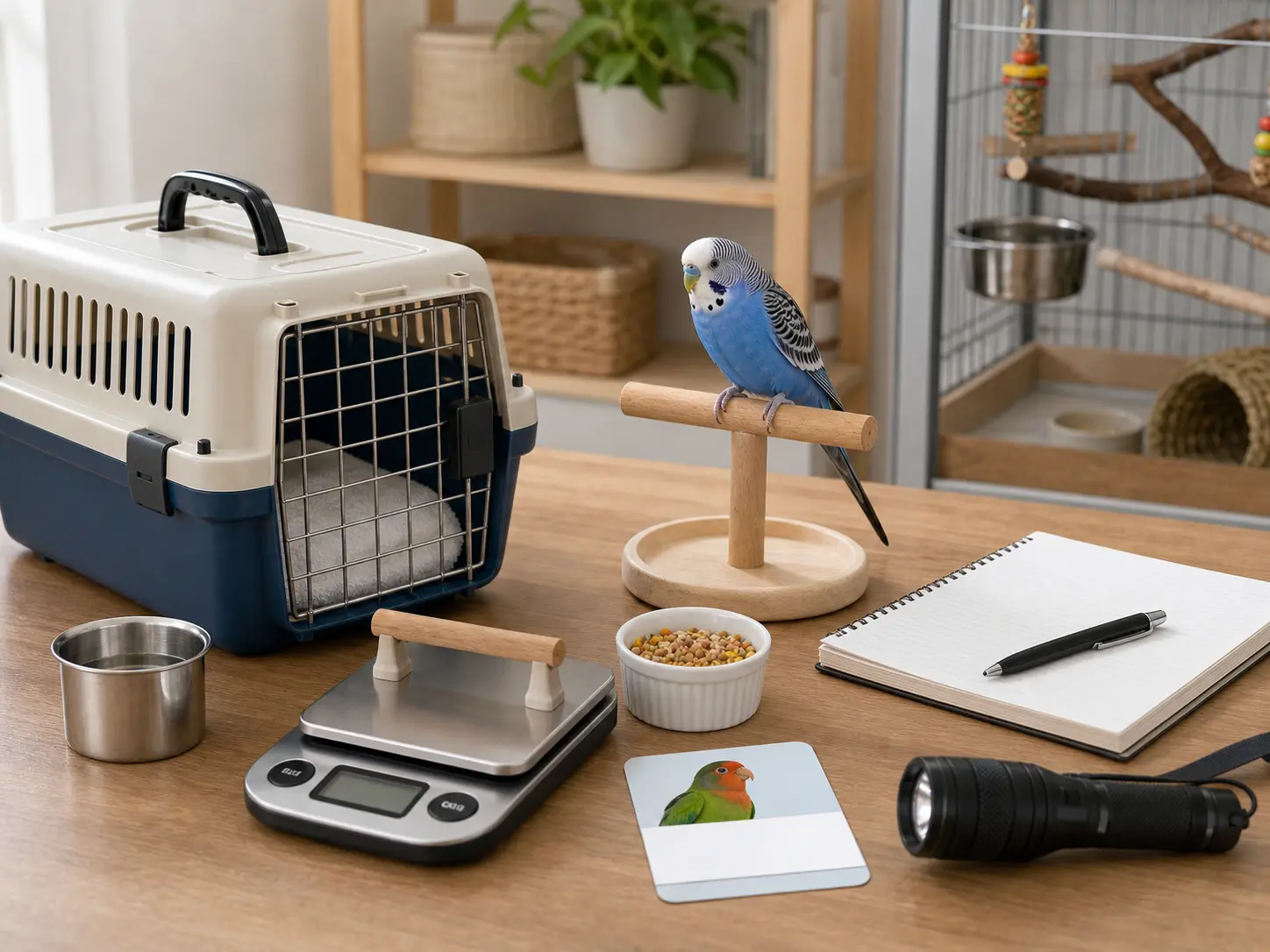
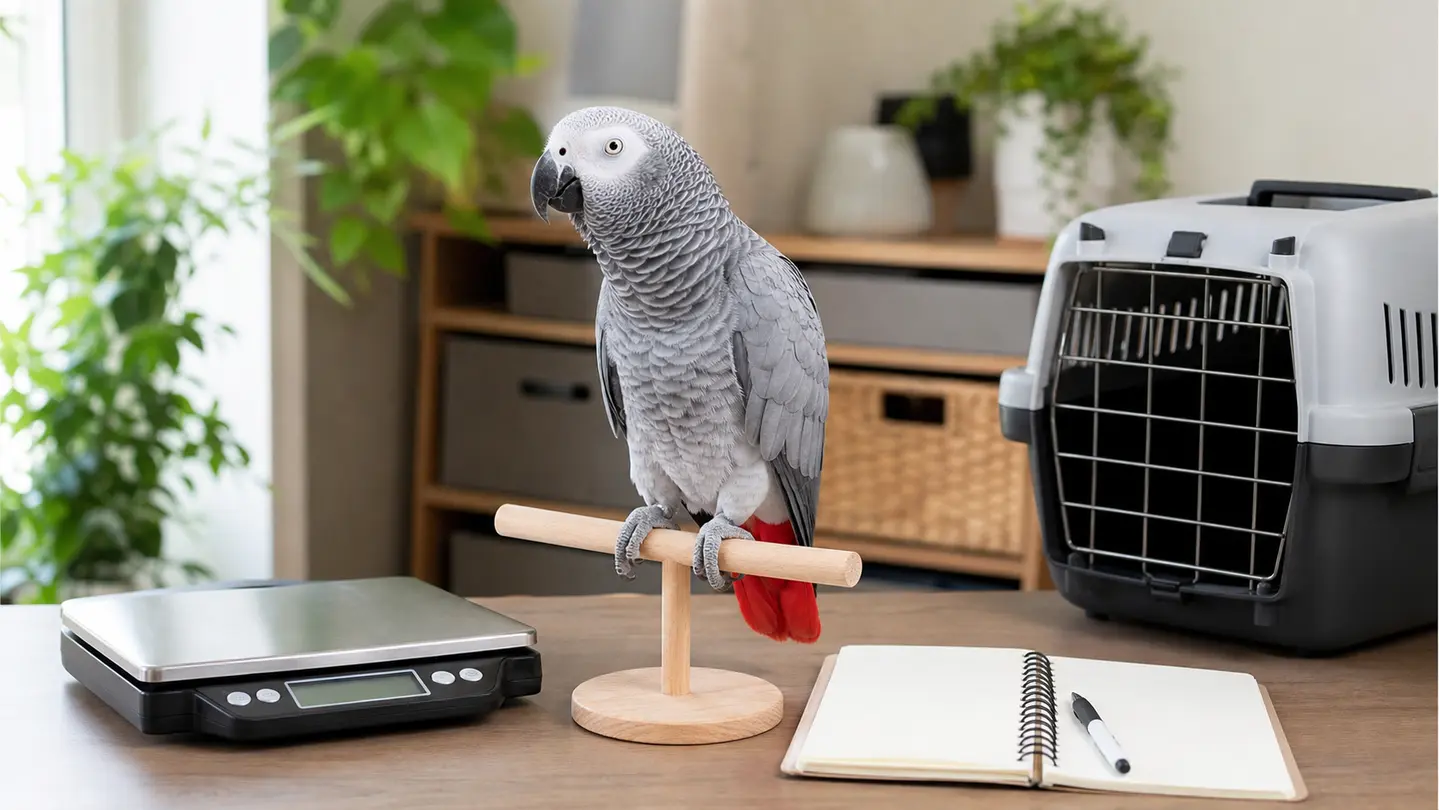
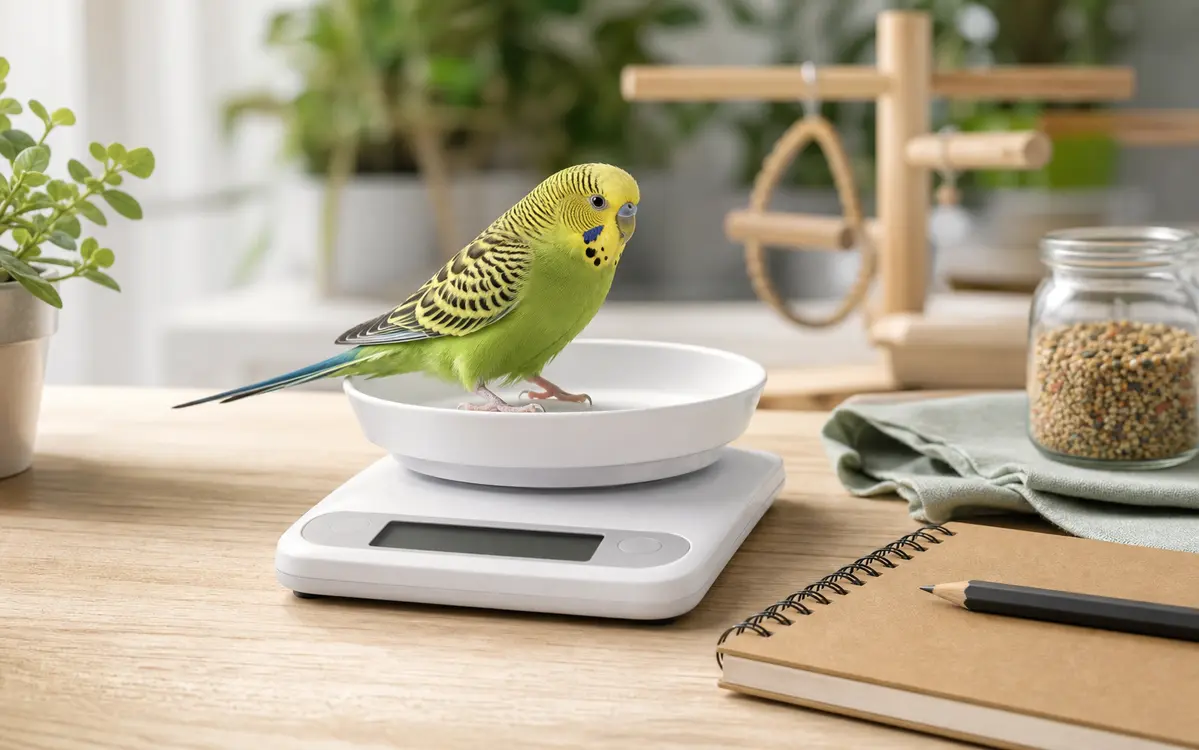
Track the facts a vet will ask for: grams, appetite, droppings, posture, breathing, and timing.
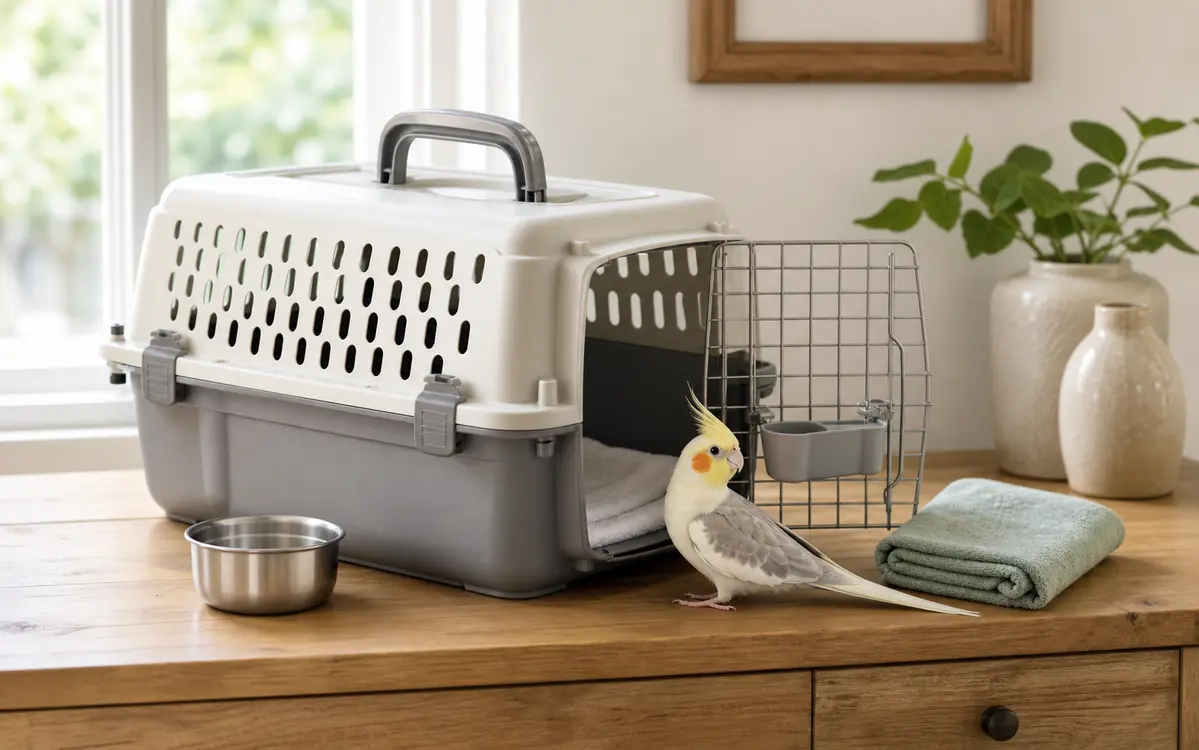
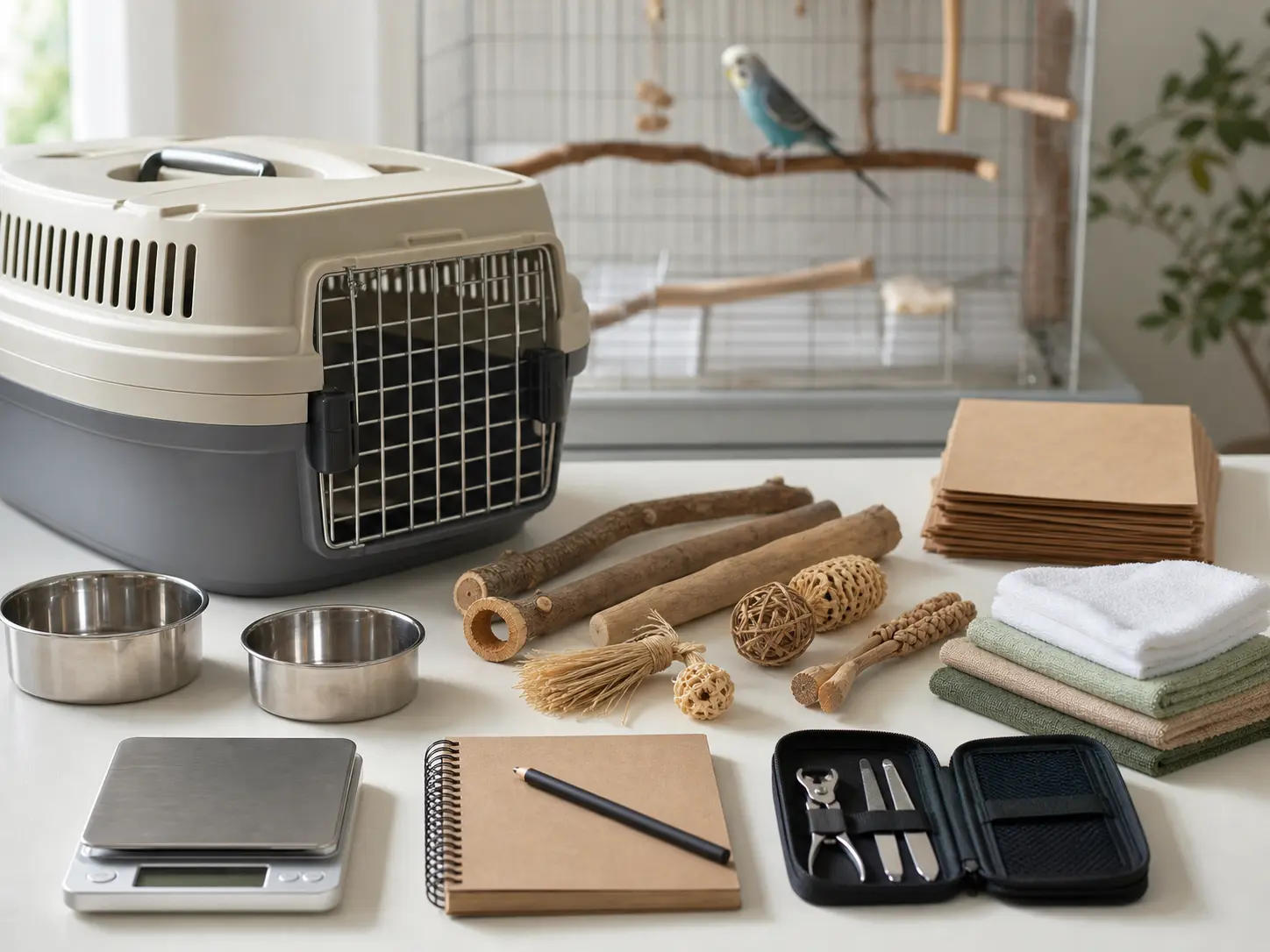
Keep transport ready and know which avian clinic or emergency clinic you would call.
Do not do these while waiting for the vet
- Do not give human medication or leftover prescriptions.
- Do not force food or water unless an avian vet tells you to.
- Do not add heat without a way for the bird to move away.
- Do not wait for symptoms to look dramatic.
First, look for emergency signs
Breathing trouble, heavy bleeding, collapse, seizure-like activity, egg straining, severe weakness, or not eating should move you from watching to calling.
Then compare with normal
A quiet bird, fluffed posture, voice change, less food, different droppings, or unusual balance matters more when it is new for that bird.
Track weight, appetite, and droppings together
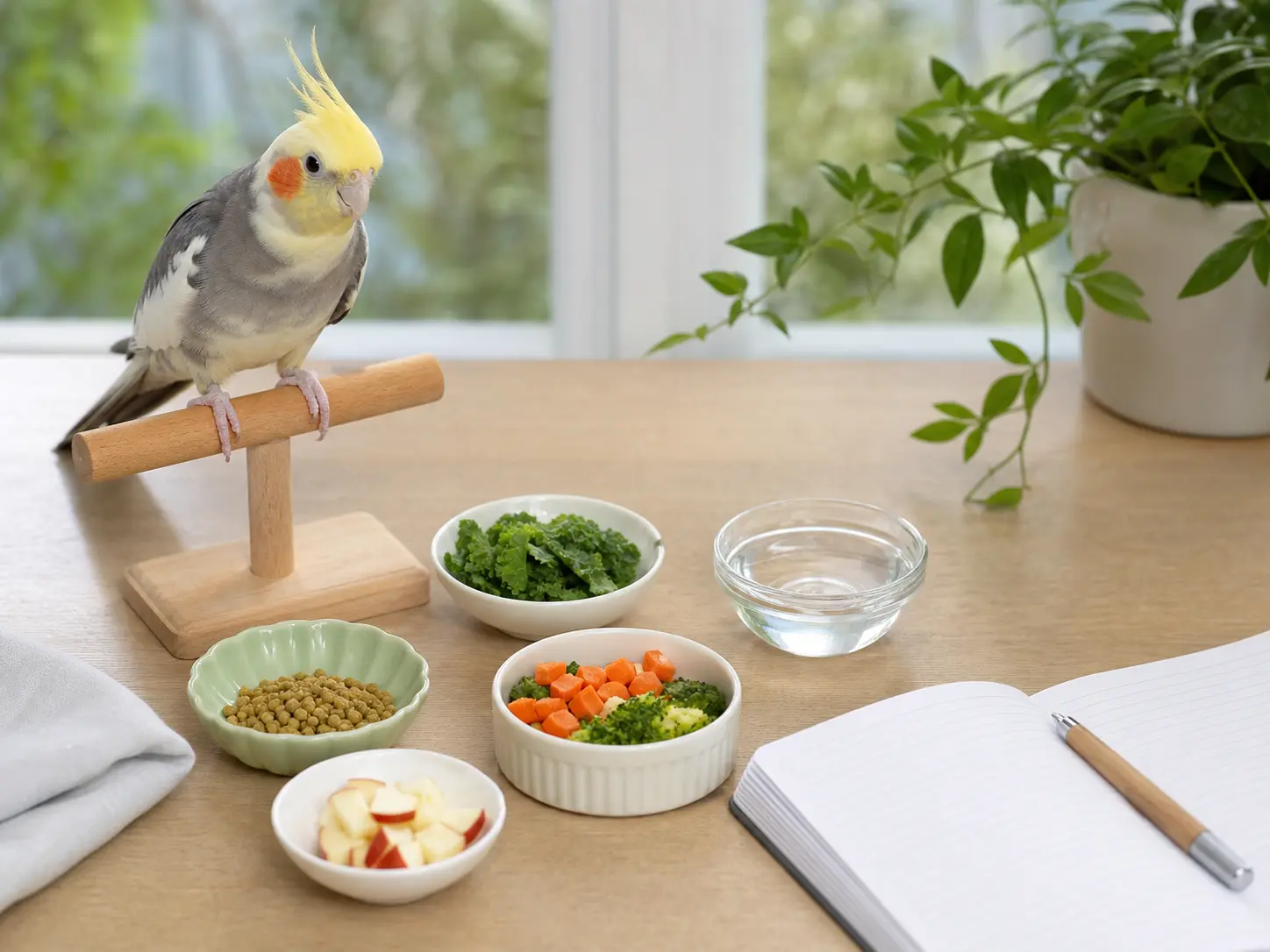
One dropping or one weight check rarely tells the whole story. Trends are more useful: grams, food interest, water, droppings, energy, and posture.
Human hygiene matters too
Birds are family animals, and hygiene is part of the normal routine. Wash hands after touching birds, droppings, cages, bowls, toys, perches, bedding, liners, or cleaning tools, and wash before eating, drinking, smoking or vaping, or preparing food. Do not pick up droppings bare-handed, and keep bird equipment away from kitchen sinks and food-prep surfaces. Wash bites or scratches promptly and seek medical care for deep bites, infected wounds, serious scratches, or higher-risk people.
Protect the air
Smoke, aerosols, scented products, candles, strong cleaners, overheated nonstick cookware, and poor ventilation can become health problems quickly.
Call with useful details
Before you call, note the species, age, weight, what changed, when it started, what the bird ate, droppings, breathing, possible exposure, and recent photos if they help.
Helpful next steps
Use these after you know whether this is urgent.
Emergency Kit
Set up the carrier, notes, and vet details before a bad day.
Food Safety
Check foods, plants, fumes, cookware, and household hazards.
Feather Plucking & Stress
Handle feather damage as a health and welfare issue.
Health Questions
Short answers for droppings, appetite, breathing, weight, and vet timing.
Simple health tools to keep ready
These do not replace a vet. They help you transport safely and explain changes clearly.
Affiliate links: Furball Cove may earn from qualifying purchases at no extra cost to you.
Common questions
How do I know if my bird needs a vet?
Call an avian vet for trouble breathing, bleeding, weakness, egg trouble, not eating, sudden quietness, balance problems, or a fast change from normal behavior.
Are droppings enough to diagnose a problem?
No. Droppings are a clue, not a diagnosis. Look at appetite, weight, energy, breathing, posture, and recent food or stress changes too.
Should I give medicine at home?
Do not give human medicine, leftover medication, oils, supplements, or home remedies unless your avian vet tells you to.
What should I write down before calling?
Note species, age, weight, food eaten, droppings, breathing, posture, symptoms, timing, possible exposure, and what has changed from normal.