Updated
Bird guides
Is oven cleaner dangerous for birds?
Chemical hazard
Oven cleaner should be kept away from birds. If exposure happened, move the bird away only if safe, save the product label, and call an avian veterinarian or animal poison hotline.
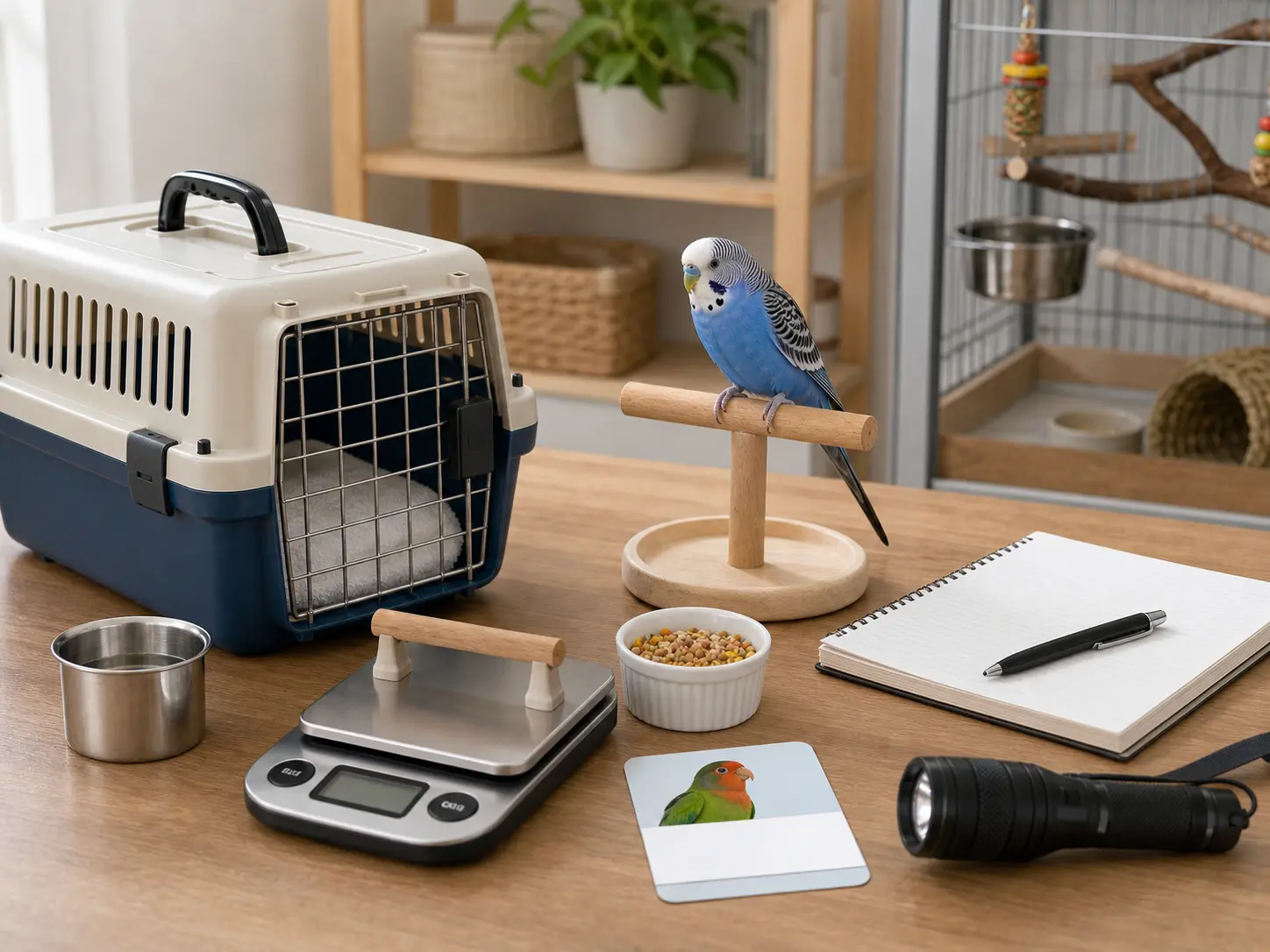
Call with the product label
If a bird may have breathed, touched, or chewed oven cleaner, move the bird away only if it is safe and call an avian veterinarian or animal poison hotline with the product label.
Protect air and contact
Birds can be harmed by breathing fumes, stepping in residue, chewing contaminated surfaces, or getting product on feathers or feet.
Save the label
A photo of the active ingredients and product directions is often more useful than a guess at what happened.
Do not improvise care
For chemicals and pesticides, the wrong home step can make the exposure worse.
What this is
Oven cleaner is an exposure hazard around birds. Treat it as a product-safety problem, not a food decision.
Act early
Birds can hide trouble until they are already in a bad place. Clean air, containment, product details, and an avian-vet call are the useful first steps.
Bring better notes
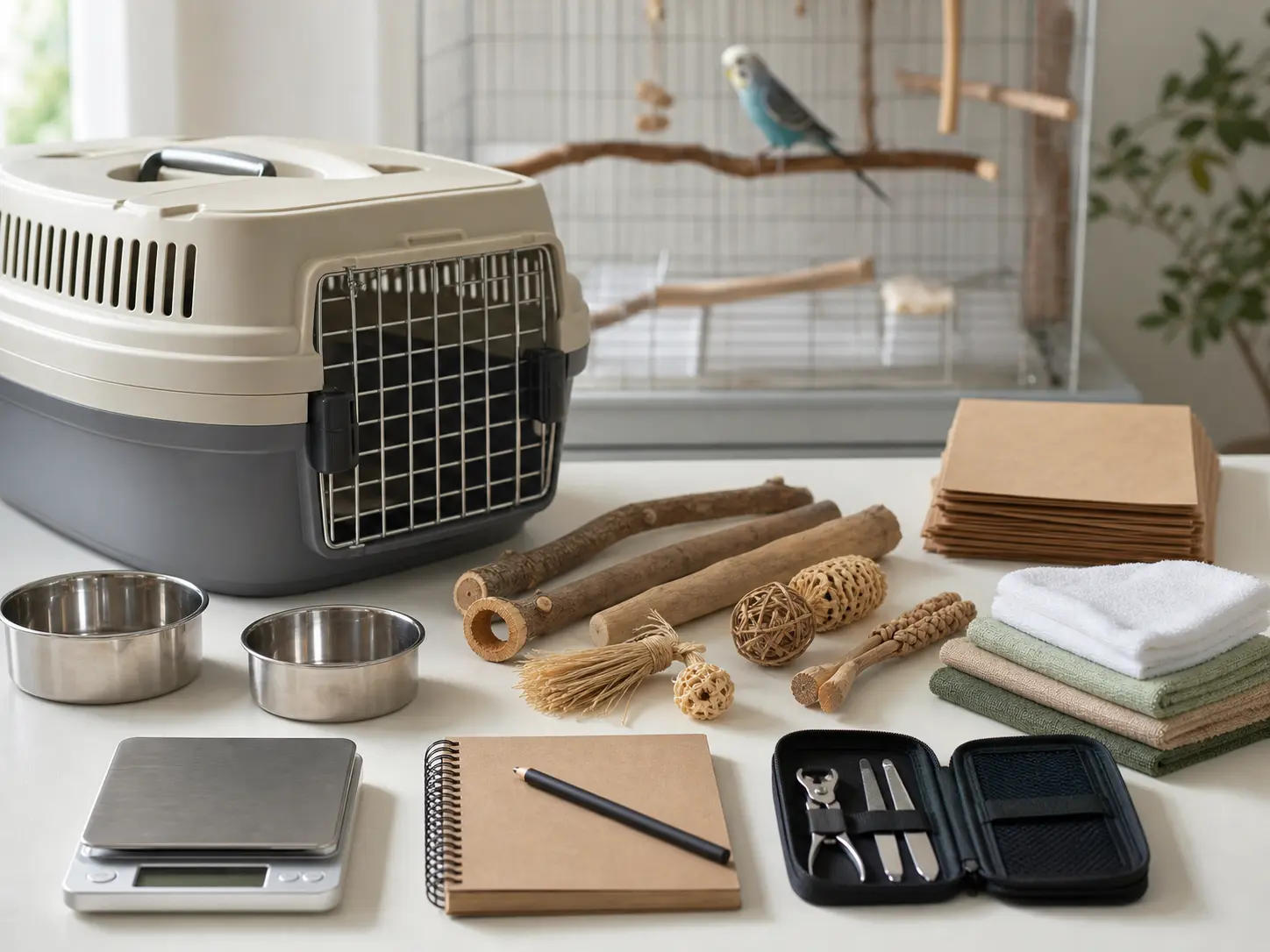
Product name, active ingredient if visible, contact route, amount, time, symptoms, species, weight, and label photo help professionals judge a chemical exposure faster.
Do less at home
Avoid home remedies, human medication, forced food, and forced water unless an avian veterinarian tells you exactly what to do.
What to do
- Move the bird away from the product only if it is safe for you to do so.
- Remove the source, close the container, or improve ventilation only when that can be done safely.
- Call an avian veterinarian or animal poison hotline with the product name, amount, contact route, time, and symptoms.
Avoid
- Using more cleaners, fragrances, sprays, or oils to cover the smell.
- Bathing, rinsing, or handling the bird unless a veterinarian tells you how.
- Giving human medication or home remedies unless a veterinarian instructs it.
Watch for
- Call an avian veterinarian now for breathing change, weakness, seizures, drooling, vomiting or regurgitation, burns, eye irritation, balance trouble, collapse, or not eating.
Exposure
No safe near-bird exposure. Keep chemical products out of bird airspace and call for advice if exposure happens.