Updated
Bird guides
Is smoke dangerous for birds?
Air hazard
Smoke can be dangerous for birds. Move the bird to fresh air only if it is safe, remove the source only if it is safe, and call an avian veterinarian or animal poison hotline.
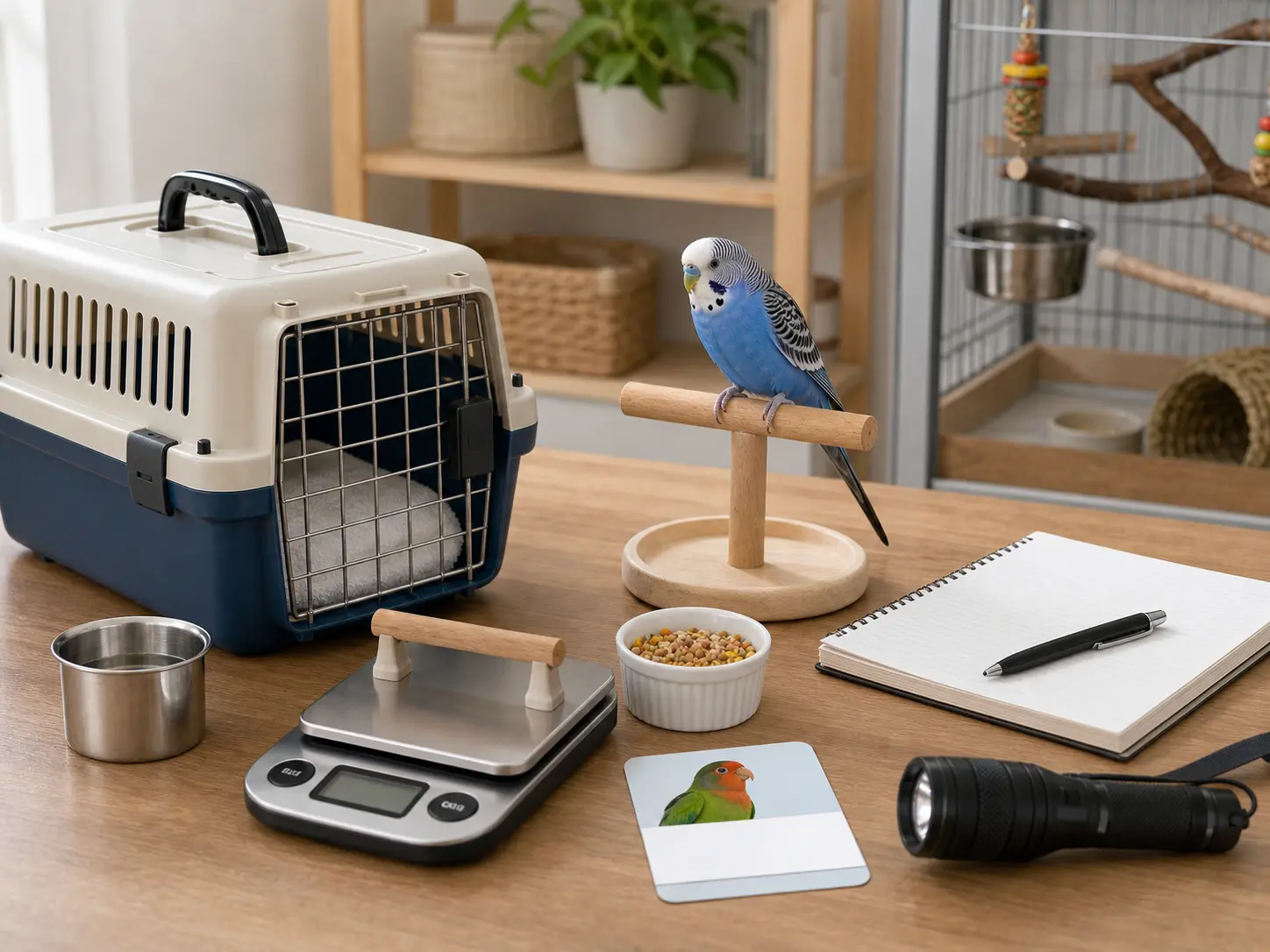
Move to clean air and call
If a bird may have breathed smoke, move the bird to fresh air only if it is safe, remove the source only if it is safe, and call an avian veterinarian or animal poison hotline.
Clean air first
Bird lungs are sensitive. Fresh air and professional advice matter more than airing out the room while the bird stays nearby.
Bring the facts
Product or appliance, room, duration, ventilation, symptoms, cookware or spray details, and the bird's species and weight help the clinic triage faster.
Do not experiment
Do not give steam, oils, human medicine, or home remedies unless an avian veterinarian specifically tells you to.
What this is
Smoke is an air-exposure risk for birds, not a food or serving question.
Act early
Birds can hide trouble until they are already in a bad place. Clean air, containment, product details, and an avian-vet call are the useful first steps.
Bring better notes
Product, appliance, or source; room; duration; ventilation; symptoms; species; and weight help professionals judge an air exposure faster.
Do less at home
Avoid home remedies, human medication, forced food, and forced water unless an avian veterinarian tells you exactly what to do.
What to do
- Move the bird to fresh air only if it is safe for you to do so.
- Remove or turn off the source only if it is safe; do not stay in dangerous air to investigate.
- Call an avian veterinarian or animal poison hotline with the product name, exposure time, room, ventilation, symptoms, and any cookware or spray details.
Avoid
- Waiting for dramatic breathing signs before calling.
- Using fans, perfumes, candles, sprays, or more cleaners in the bird's airspace.
- Giving human medication or home remedies unless a veterinarian instructs it.
Watch for
- Tail bobbing, open-mouth breathing, weakness, collapse, seizures, sudden quietness, balance trouble, or fluffed posture.
Exposure
No safe air exposure. Note the duration, room, ventilation, symptoms, species, and weight while you arrange avian-vet guidance.