Updated
Bird guides
Is yew safe around birds?
Plant hazard
Keep yew away from birds unless an avian-safe source has clearly confirmed the exact plant. If chewing or contact happened, remove access and call an avian veterinarian or animal poison hotline.
If the plant was chewed
If a bird chewed or contacted yew, remove access, save a photo or label, and call an avian veterinarian or animal poison hotline for species-specific advice.
Identify the plant
Common names can be confusing. A photo, label, or nursery tag helps the vet or poison hotline understand the risk.
Remove access
Play stands, cage tops, windowsills, and floor time should not put unknown plants within reach.
Watch the bird closely
Birds can hide illness, so appetite, droppings, posture, breathing, and energy matter after chewing or contact.
What this is
Yew belongs on the bird-room hazard checklist, not near beaks, bowls, or play spaces unless confirmed safe.
Act early
Birds can hide trouble until they are already in a bad place. Clean air, containment, product details, and an avian-vet call are the useful first steps.
Bring better notes
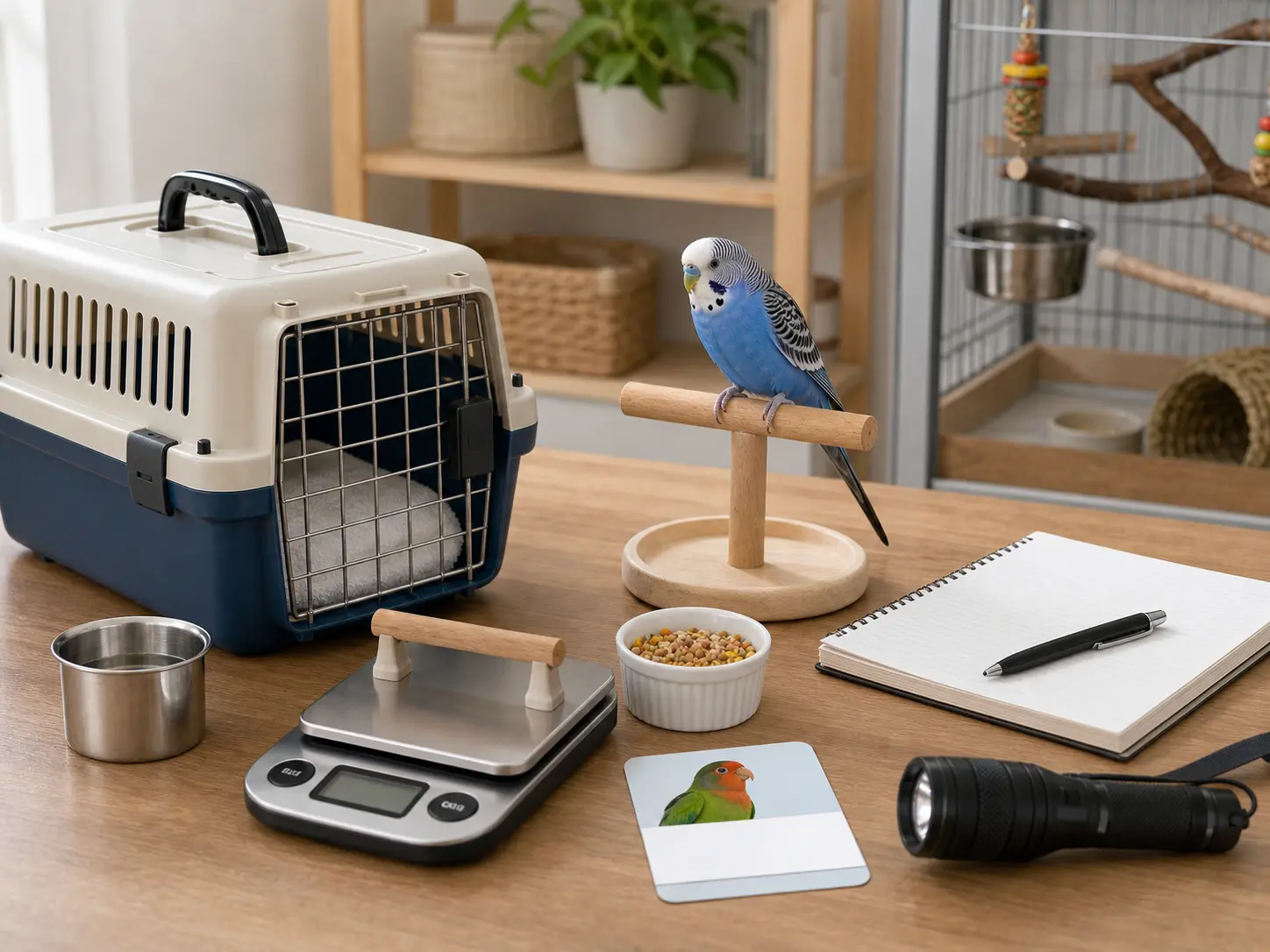
Plant name, plant photo, part chewed, amount, time, symptoms, species, and weight help professionals judge a plant exposure faster.
Do less at home
Avoid home remedies, human medication, forced food, and forced water unless an avian veterinarian tells you exactly what to do.
What to do
- Move the bird away from the plant and remove fallen leaves, stems, flowers, or soil from the play area.
- Save the plant name, a clear photo, and the amount that may have been chewed or swallowed.
- Call an avian veterinarian or animal poison hotline if contact or chewing happened, especially if the plant identity is uncertain.
Avoid
- Keeping unknown houseplants within beak reach.
- Assuming a tiny bite is harmless when the plant is not clearly bird-safe.
- Giving human medication or home remedies unless a veterinarian instructs it.
Watch for
- Appetite change, vomiting or regurgitation, droppings change, weakness, balance trouble, breathing change, mouth irritation, or fluffed posture.
Exposure
No safe access unless a plant is clearly confirmed bird-safe for your species and setup.