

Updated

Bird guides

Is nonstick cookware dangerous for birds?

Yes. Overheated nonstick cookware and other PTFE-style nonstick coatings can release fumes that are extremely dangerous to birds and can kill them quickly. The safest bird home avoids nonstick cookware and keeps birds out of kitchen air.

This is one of the bird-safety rules worth taking seriously every time.

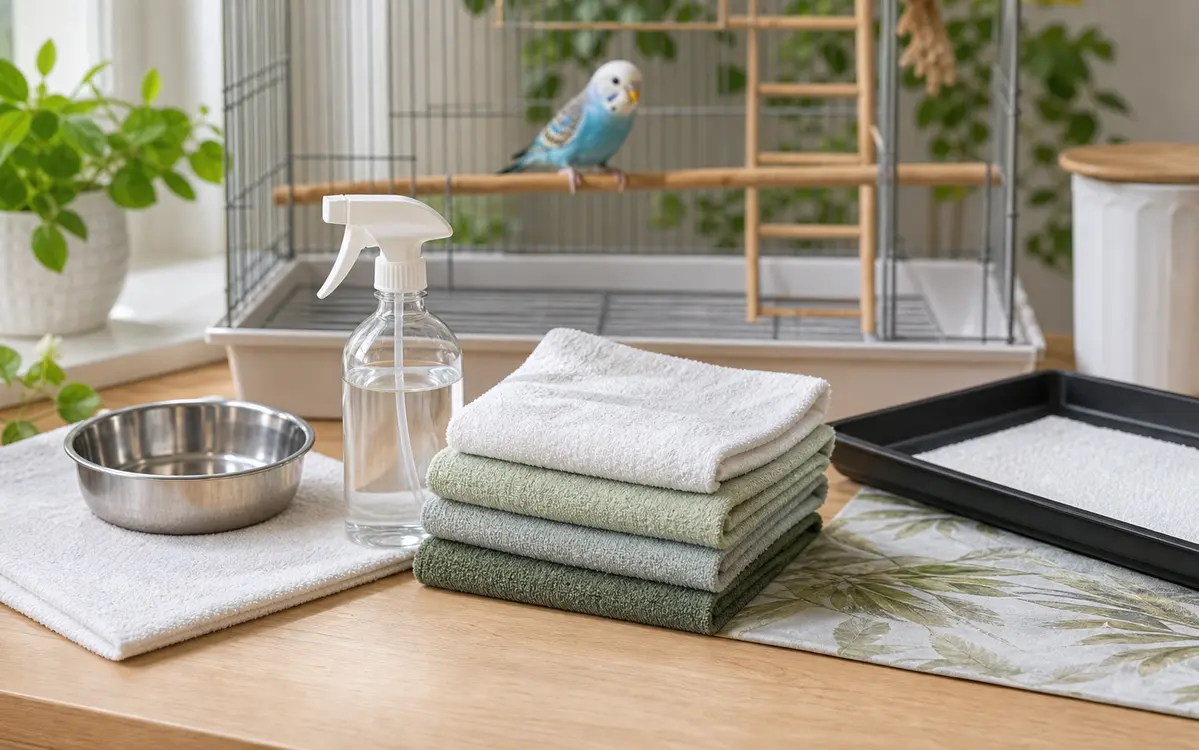
Bird-safe cleaning cloths, water spray bottle, stainless bowl, clean tray, and a budgie in the background.

Cleaning and Air Safety

Answer first

Yes. Overheated nonstick cookware and other PTFE-style nonstick coatings can release fumes that are extremely dangerous to birds and can kill them quickly. The safest bird home avoids nonstick cookware and keeps birds out of kitchen air.

What to check before you act

PTFE

Overheated nonstick can be deadly.

Kitchen air

Birds should stay away.

Invisible

Fumes may not warn you first.

Appliances

Check more than pans.

Alternatives

Use safer cookware.

Emergency

Breathing signs need immediate care.

01

How to act on this

Do not keep birds in or near the kitchen while cooking, and do not rely on ventilation to make overheated nonstick safe.

02

The risk can be invisible

Dangerous fumes may not smell obvious before a bird is affected. A dry pan, high heat, broiler, self-clean cycle, or forgotten cookware can become a crisis.

03

Choose safer cookware

Stainless steel, cast iron, carbon steel, and glass are common alternatives when used correctly.

04

Think beyond pans

Nonstick coatings can appear on baking sheets, drip trays, appliances, irons, air fryers, and other heated items. Check labels before use.

05

Emergency rule

If a bird is exposed to fumes or shows breathing trouble, move to clean air if safe and call an avian vet or emergency clinic immediately.

Before you decide

  • Is any nonstick-coated item being heated?
  • Are birds completely away from kitchen air?
  • Could a pan preheat dry or overheat?
  • Have appliances and bakeware been checked for nonstick coatings?
  • Is there an emergency vet plan for fume exposure?

Next best moves

  • Remove nonstick cookware from bird homes when possible.
  • Keep birds away from kitchens, ovens, self-clean cycles, smoke, and cooking fumes.
  • Use cookware and appliances only after checking coating materials.

Common questions

Is Teflon dangerous for birds?

Overheated PTFE-type coatings are a serious bird hazard. Avoid them around birds.

Is nonstick safe if I use low heat?

The safer plan is to avoid nonstick in a bird home because mistakes and overheating happen.

Can ventilation protect my bird?

Do not count on it. Birds should not share air with cookware fumes.

What signs happen after fume exposure?

Breathing trouble, weakness, collapse, or sudden illness after fumes is an emergency.

Useful setup pieces

Use these after the care plan is clear. Match size and materials to the bird you actually keep.

Affiliate links: Furball Cove may earn from qualifying purchases at no extra cost to you.

Hard-sided bird carrier with towel liner, stainless bowl, and a cockatiel calmly beside the open carrier.

Hard-sided bird carrier

Keeps transport secure for adoption day, avian-vet visits, and emergencies.

Open blank bird care notebook with pencil, small supplies, and a cockatiel on a tabletop stand.

Care notebook

Tracks food, weight, sleep, droppings, behavior, and vet questions in one place.

Bird-safe cleaning cloths, water spray bottle, stainless bowl, clean tray, and a budgie in the background.

Bird-safe cleaning cloths

Keeps daily cage wipe-downs simple without fragrance or harsh residue.

Plain paper cage liners stacked beside a clean removable cage tray and a small finch on a nearby stand.

Paper cage liners

Plain paper makes droppings easier to monitor without scented products.

References