Updated

Bird guides

Bird Supplies

Buy the supplies that protect daily care, then skip the clutter.

Start with the cage, carrier, bowls, perches, paper liners, scale, food storage, cleaning basics, and safe enrichment. Add extras only when they solve a real care job.

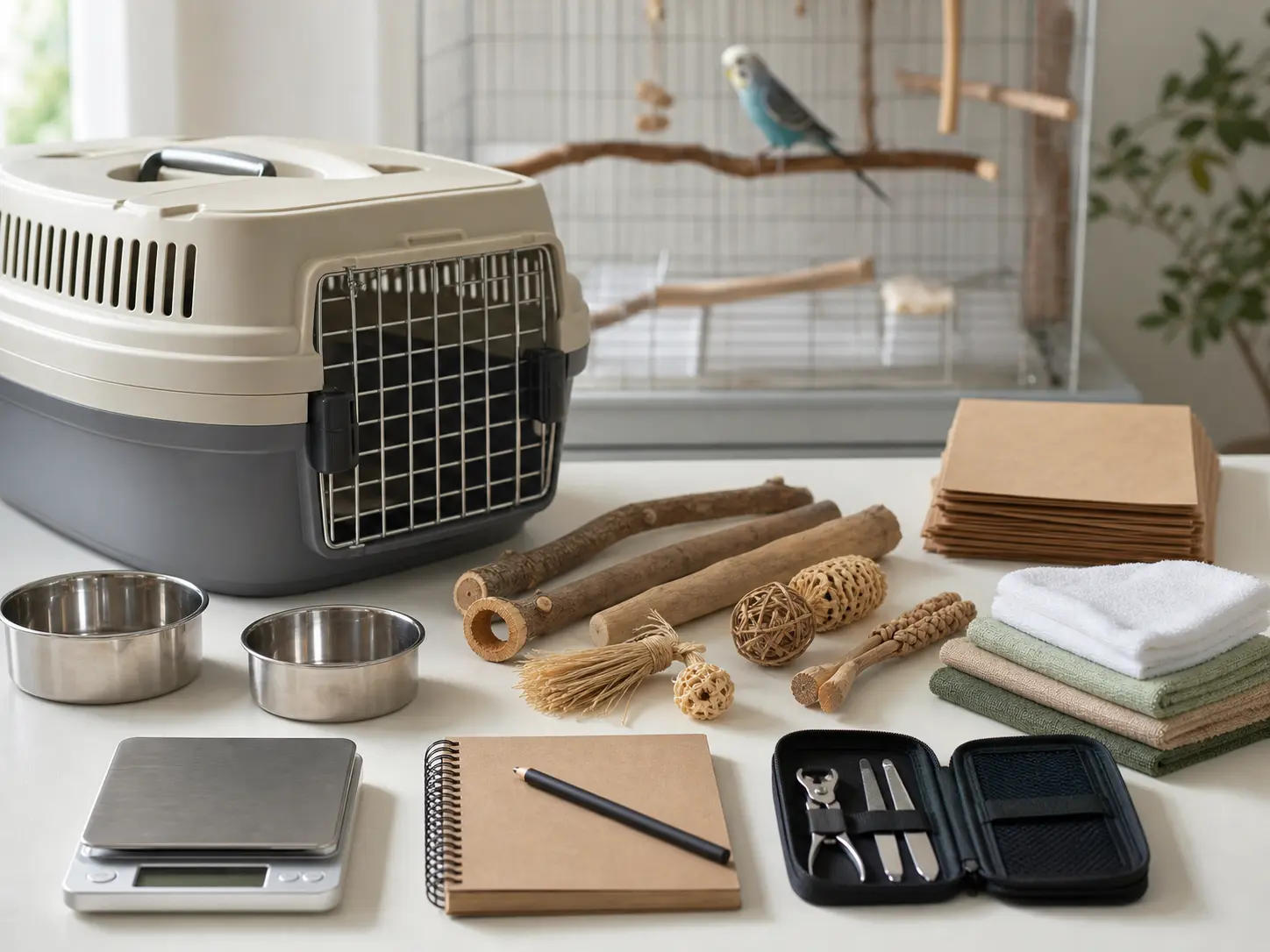
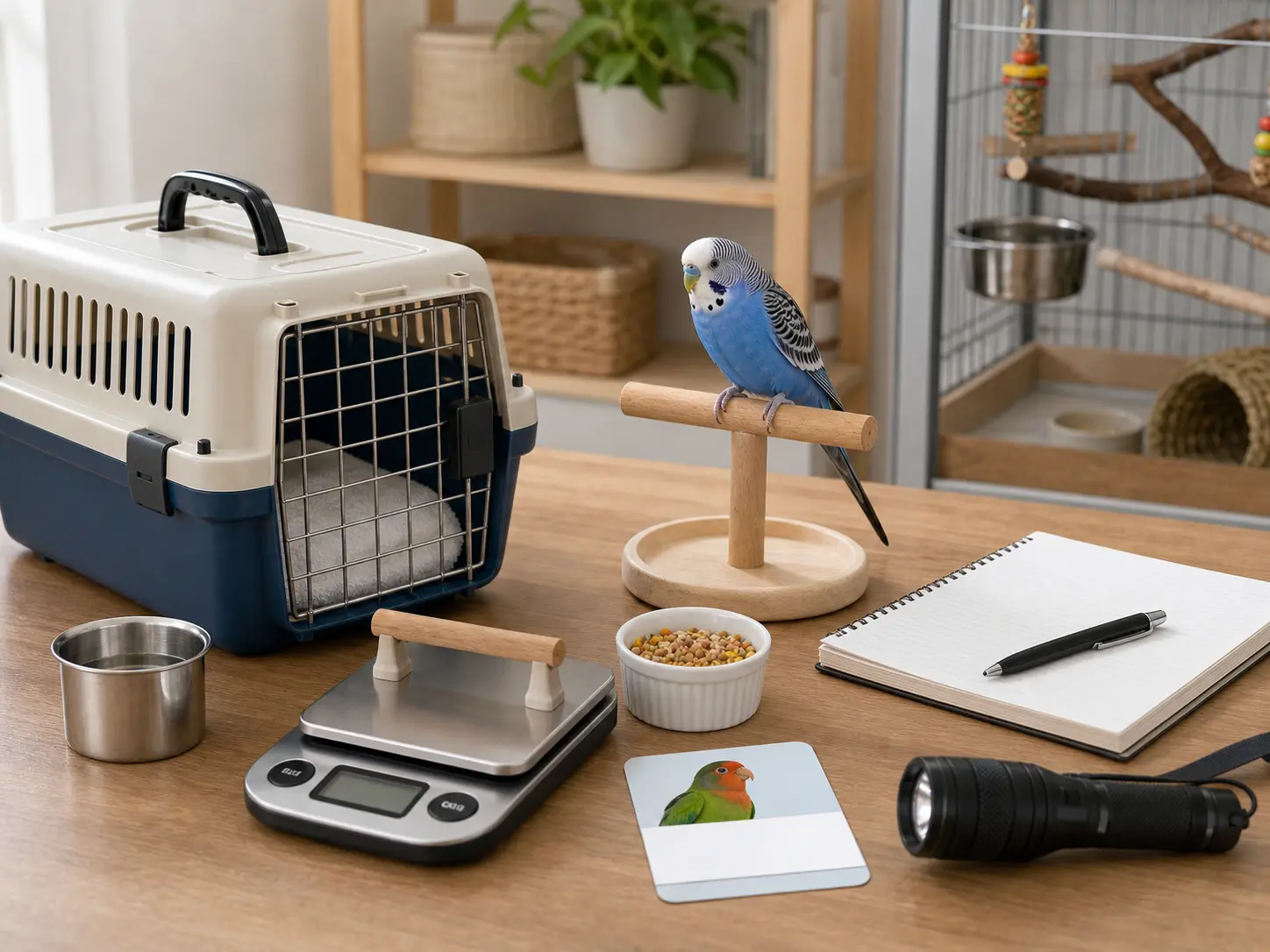
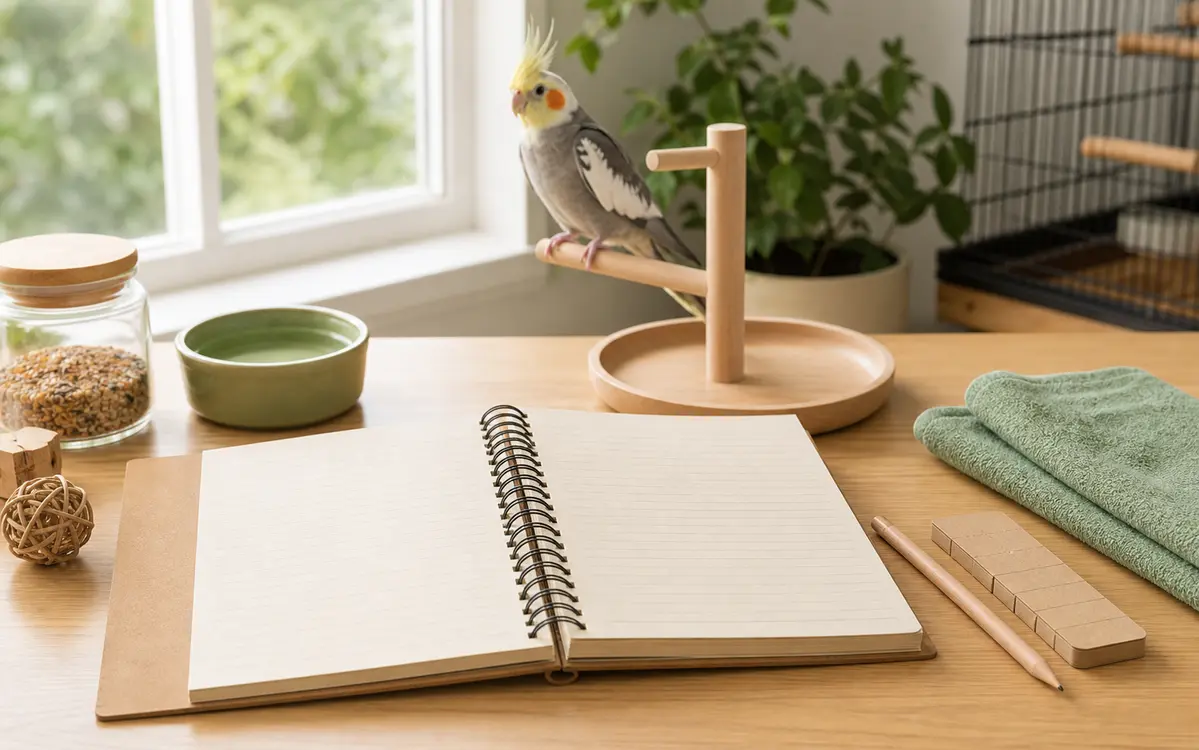
Bird starter supplies with carrier, bowls, natural perches, chew toys, paper liners, scale, towel, and care notebook.

Start here

A good bird setup is practical before it is pretty.

Use the first order to cover the jobs that protect the bird every day. Then add extras slowly as you learn what the bird actually uses.

HousingSafe before pretty

Room, bar spacing, doors, bowls, perches, and liners come before decorative accessories.

TransportReady early

A carrier is not an emergency purchase. It should be clean, familiar, and easy to grab.

FeedingClean and repeatable

Bowls, storage, paper, and cleaning tools should make daily care easier, not fussier.

EnrichmentRotated, not crowded

Chews, foraging, and training pieces work best when they leave space to move.

Leave off the first order

  • Tiny round cages
  • Cloth huts or tents
  • Sandpaper perch covers
  • Scented liners or sprays
  • Mirror toys that cause fixation
  • Mystery metal, rust, sharp gaps, or loose fibers
01

Set up the home base first

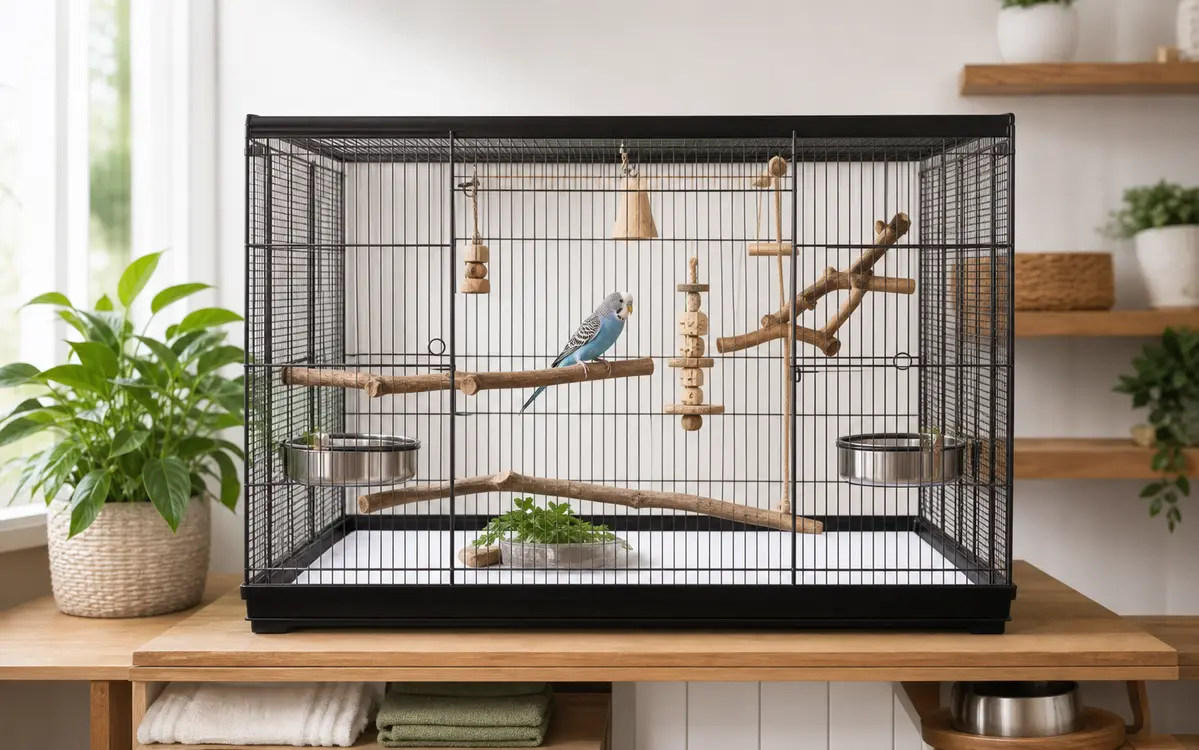
The cage, bar spacing, doors, perches, bowls, and liner system matter more than decoration. A good setup gives the bird room to move, keeps feet comfortable, and lets you clean and check droppings without a fight.

02

Prepare transport before you need it

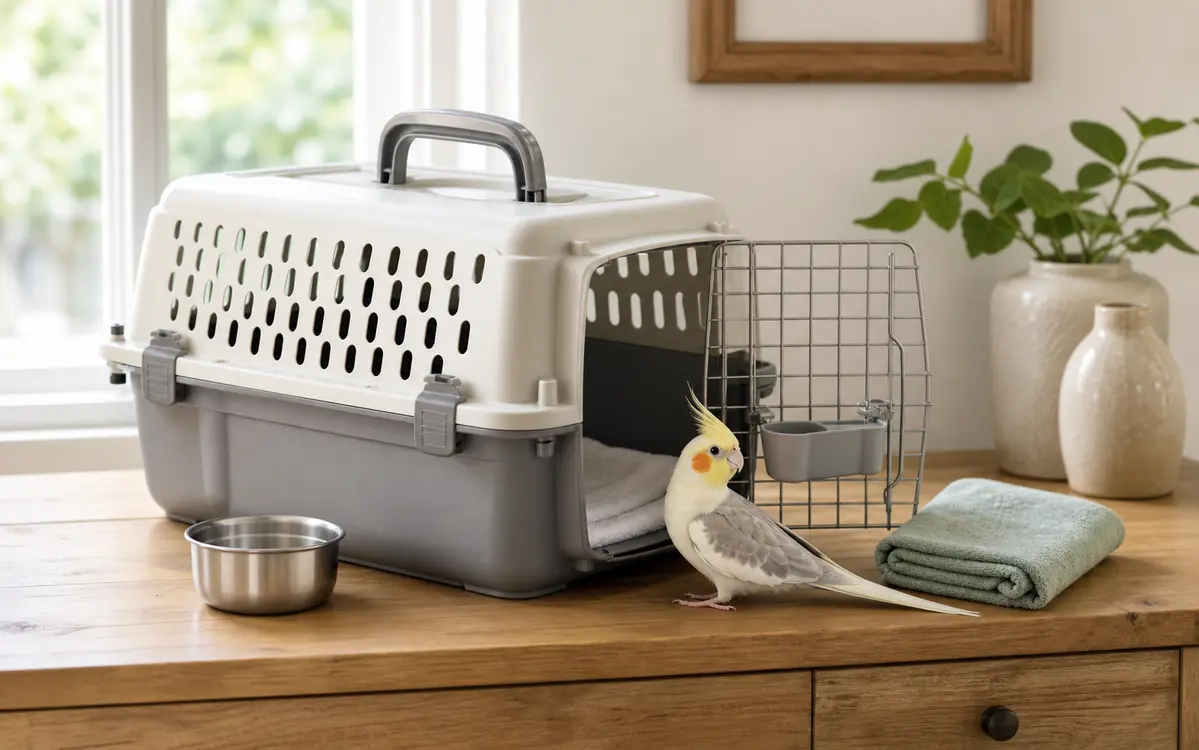
A hard-sided carrier should be ready before adoption day, vet visits, storms, travel, or emergencies. Keep it clean, familiar, and easy to grab, with a small towel and your care notes nearby.

03

Make feeding and cleaning easy

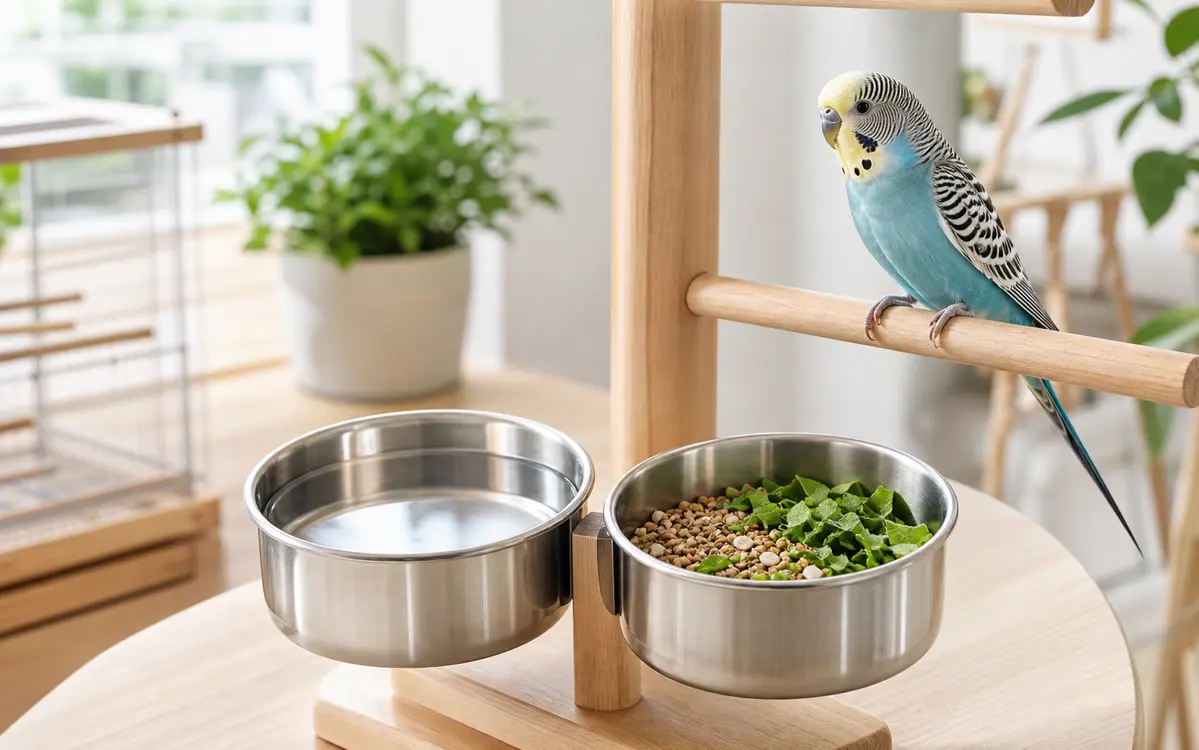
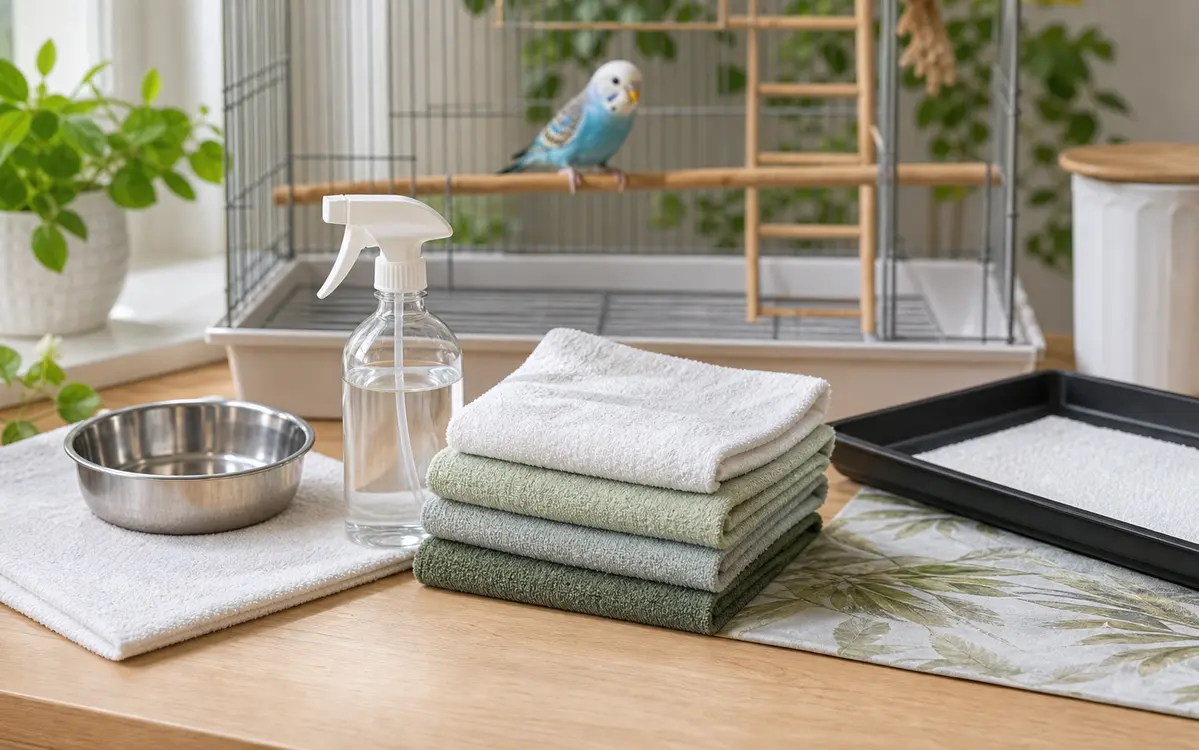
Use washable bowls, sealed food storage, plain paper liners, and cleaning cloths you can reach every day. Bird care gets safer when the routine is simple enough to do well on busy mornings.

04

Keep cleanup out of food-prep spaces

Treat cleanup as normal household hygiene, not as a scare. Wash hands after handling liners, droppings, bowls, perches, toys, or cleaning tools. Do not clean cages, bowls, perches, or bird equipment in the kitchen sink or on food-prep surfaces; use a separate cleanup area and keep bird supplies away from human food.

05

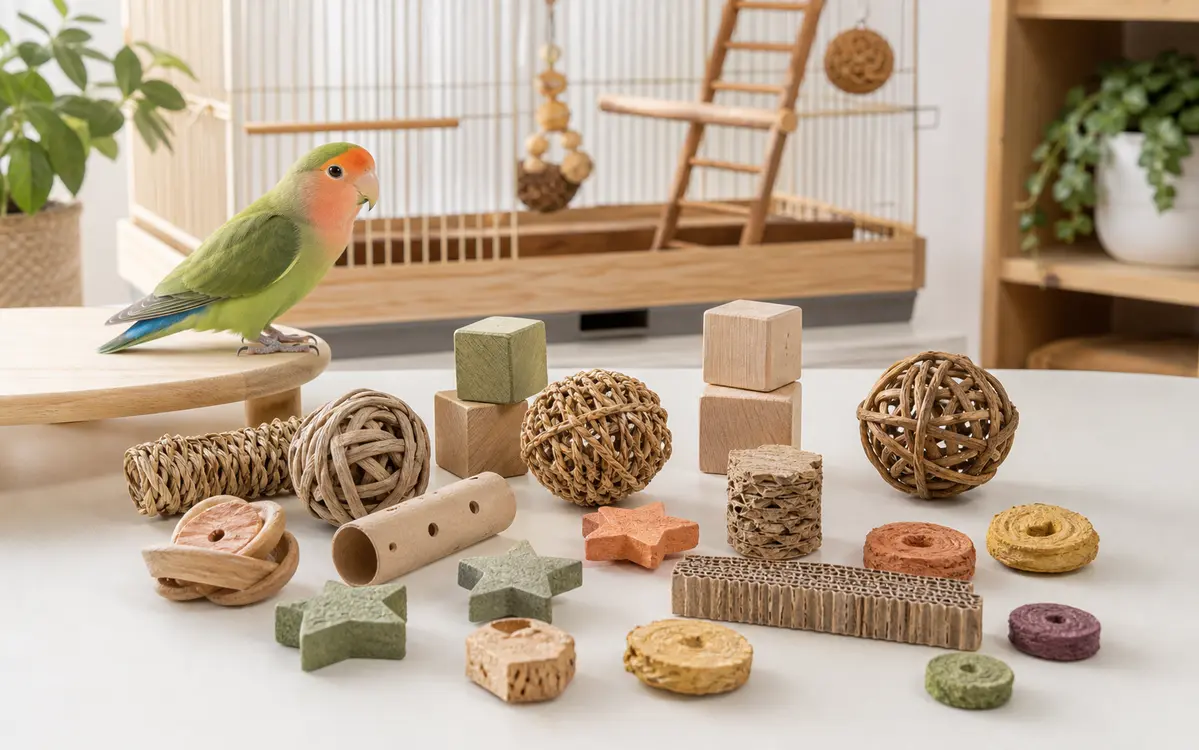
Buy enrichment you can rotate

Birds need safe chewing, foraging, and training jobs, but the cage should not feel packed. Keep a few good pieces in use, rotate the rest, and remove anything frayed, rusty, sharp, or stressful.

06

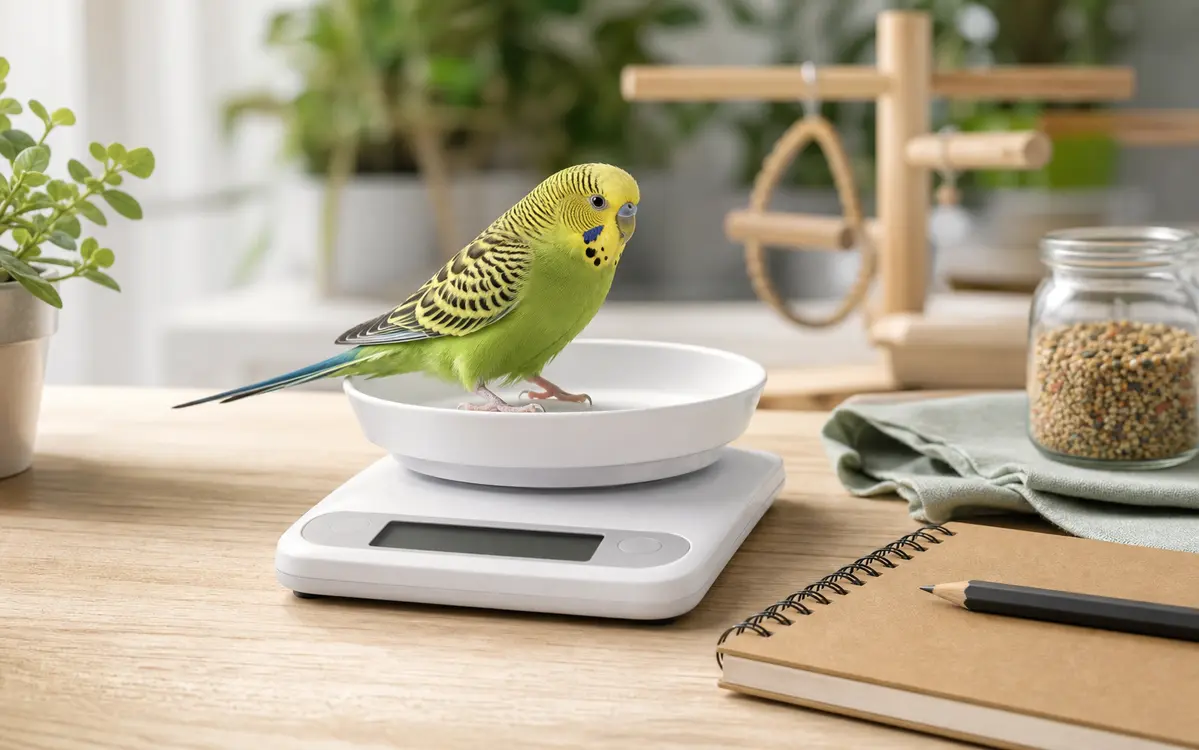
Use weight and notes as early warnings

A gram scale and a plain notebook are not fancy, but they are useful. Track weight, appetite, droppings, sleep, new foods, behavior changes, and questions for the avian vet.

07

Skip products that create risk

Avoid cloth huts, sandpaper perch covers, scented cage products, mirror fixation, mystery metals, sharp toy gaps, and tiny starter cages. If a product makes cleaning, breathing, movement, or behavior harder, leave it off the first order.

Shop by care job

Buy the pieces that make daily care safer and easier first. Cute extras can wait until the basics work.

Home base

Build the cage around space, safe footing, clean dishes, and easy daily checks.

Transport and monitoring

Have the carrier and health notes ready before a stressful day forces the issue.

Food and cleanup

Make fresh food, clean water, storage, and wipe-downs simple enough to repeat.

Enrichment and training

Choose safe pieces you can rotate so the cage stays useful without getting crowded.

Skip these common traps

  • Round cages and tiny starter cages
  • Mirror toys that cause fixation
  • Cloth huts, tents, and loose fibers
  • Sandpaper perch covers
  • Scented liners, sprays, candles, and harsh cleaners
  • Mystery-metal toys, sharp gaps, or rusty hardware

Before you decide

  • Cage size and bar spacing match the adult bird.
  • Carrier is ready before adoption day or the next vet visit.
  • Bowls, liners, and cleaning tools make daily care easy to repeat.
  • Perches vary in safe diameter and texture.
  • Toys and chews are bird-safe, inspectable, and rotated.
  • Scale and notebook are ready for weight, diet, droppings, and behavior notes.

Next best moves

  • Buy the essentials before the bird comes home.
  • Read the species guide before sizing the cage or choosing toys.
  • Replace worn, frayed, rusty, or splintered items quickly.
  • Keep a small backup kit for vet visits, travel, and power outages.

Common questions

What supplies do I need before getting a bird?

Have the cage, carrier, safe perches, stainless bowls, plain paper liners, a gram scale, sealed food storage, cleaning cloths, and a few safe toys ready first. Add specialty items after you know the bird's species, size, habits, and vet needs.

Are cloth huts safe for birds?

Skip them for most pet birds. Loose fibers can be swallowed, enclosed huts can encourage nesting behavior, and many birds chew fabric faster than owners expect.

Do birds need a gram scale?

A gram scale is one of the most useful health tools at home. Many birds hide illness, so steady weight notes help you notice small changes sooner.

How many toys should be in a cage?

Use enough toys to give chewing and foraging options without blocking movement. A few safe pieces, rotated often, usually beats a crowded cage.

What should I skip in a starter kit?

Skip tiny round cages, sandpaper perch covers, mirror toys, scented liners, sprays, cloth tents, sharp toy hardware, and any metal you cannot identify or clean well.

References