

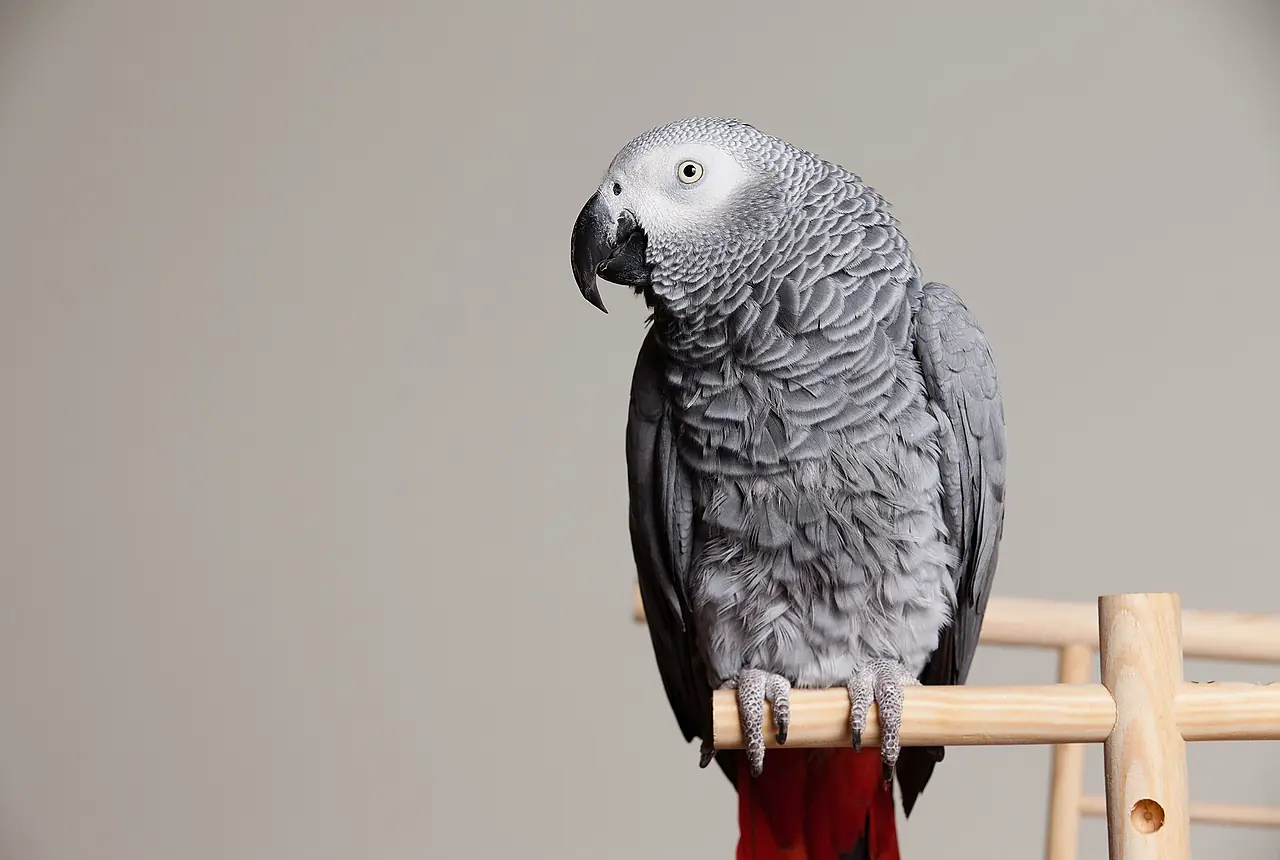
Noise
Large calls carry through walls.
Updated
Bird guides
Most large parrots are a poor fit for apartments. Macaws, cockatoos, Amazons, and African greys can be loud, messy, long-lived, destructive, and sensitive to routine. A rare apartment setup may work with excellent sound tolerance, landlord approval, space, daily out time, and experienced care, but it is not the safe default.
The issue is not whether a large parrot physically fits through the door. It is whether the building and household can handle the bird's normal life.

Large Parrot Questions
Most large parrots are a poor fit for apartments. Macaws, cockatoos, Amazons, and African greys can be loud, messy, long-lived, destructive, and sensitive to routine. A rare apartment setup may work with excellent sound tolerance, landlord approval, space, daily out time, and experienced care, but it is not the safe default.
Compare quieter apartment options before adopting.
Use the hub for nearby questions after this answer.
Use supplies after the care plan is clear, not before.
Pick gear that makes the daily routine easier to repeat.
Large calls carry through walls.
Permission should be written.
Large equipment needs room.
Food, dust, feathers, and debris scale up.
Housing instability hurts long-lived birds.
Large parrots are advanced care.
Large parrots usually do not match shared walls. Normal calls can carry, and boredom or stress can make noise worse.
Lease rules, HOA rules, neighbor tolerance, insurance, and local law should be checked before contacting a seller or rescue.
A large cage, play stand, storage, safe out-of-cage area, and room for wing movement take real space, not a corner decoration.
Large parrots may outlive leases, roommates, relationships, and jobs. Apartment moves can become a recurring welfare problem.
If you need an apartment bird, start with smaller and quieter species before considering any large parrot.
There is no reliably apartment-safe large parrot. Individual birds vary, but normal calls and long-term housing risk remain.
Some are less explosive than macaws or cockatoos, but they still vocalize and need serious space, routine, and enrichment.
Training can reduce problem patterns, but it cannot remove normal species sound or the need for daily activity.
Yes, but neighbor approval today does not protect the bird from future complaints, moves, or lease changes.
Use these after the care plan is clear. Match size and materials to the bird you actually keep.
Affiliate links: Furball Cove may earn from qualifying purchases at no extra cost to you.

Start with safe space, ventilation, bar spacing, and room for natural perches.

Plain bird-safe chewing work gives busy beaks something useful to do.

Turns part of the meal into a simple job instead of a full bowl of boredom.

Keeps transport secure for adoption day, avian-vet visits, and emergencies.