

Updated

Bird guides

How long do large parrots live?

Large parrots can live for decades, and some may outlive major parts of a person's life. Exact lifespan depends on species, genetics, diet, housing, exercise, stress, and veterinary care, but macaws, cockatoos, Amazons, and African greys are long-term commitments that require future caregivers.

With large parrots, lifespan is not trivia. It changes housing, money, relationships, estate planning, and who cares for the bird after you.

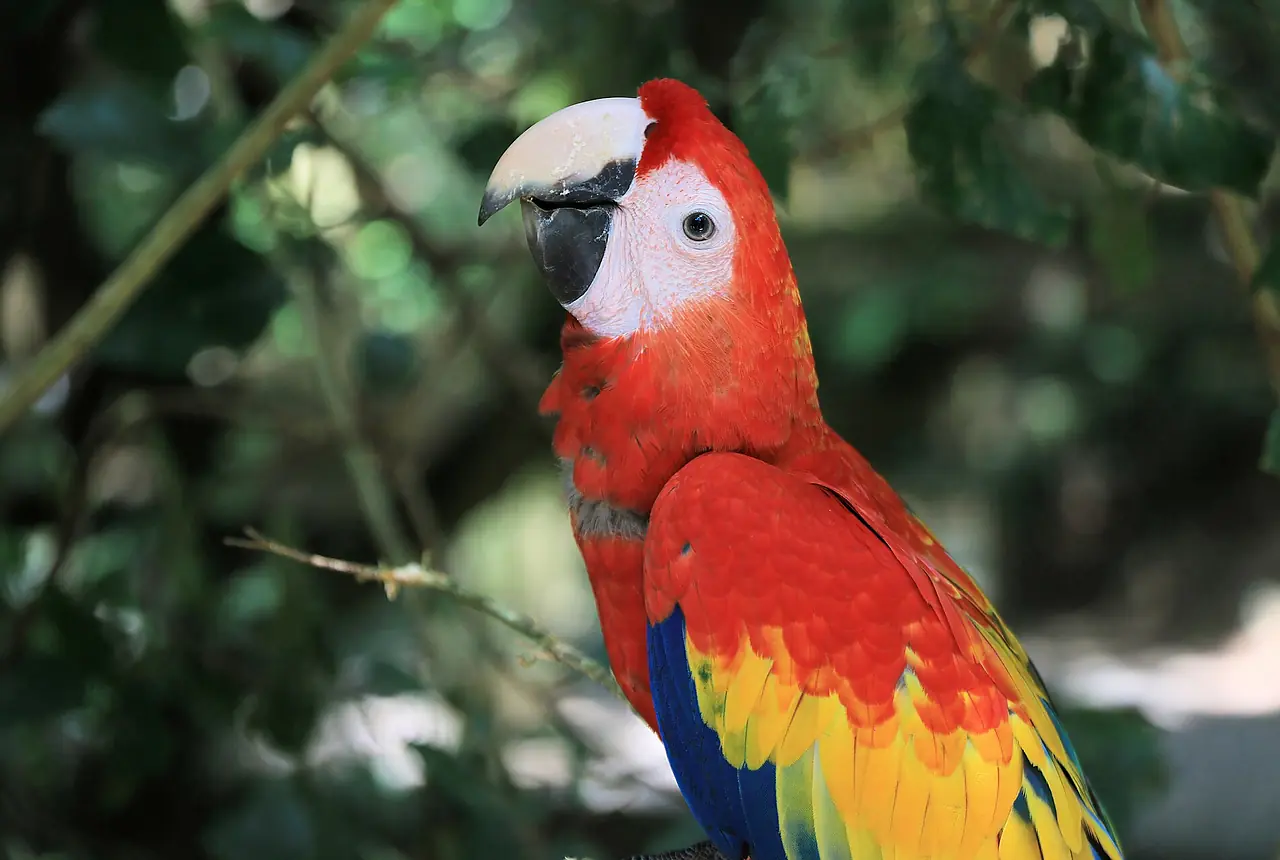
Scarlet Macaws care guide photo for macaw housing, diet, and handling planning.

Large Parrot Questions

Answer first

Large parrots can live for decades, and some may outlive major parts of a person's life. Exact lifespan depends on species, genetics, diet, housing, exercise, stress, and veterinary care, but macaws, cockatoos, Amazons, and African greys are long-term commitments that require future caregivers.

What to check before you act

Decades

This may be a multi-decade pet.

Caregiver

Name a backup before adoption.

Records

Notes protect the bird later.

Costs

Long life means repeated costs.

Housing

Future moves matter.

Adult bird

Do not decide from baby charm.

01

How to act on this

Think in decades. A large parrot may be with you through moves, job changes, family changes, and aging caregivers.

02

Species matters

Macaws, cockatoos, Amazons, African greys, and Eclectus parrots do not all have the same average lifespan, but all should be treated as long commitments.

03

Care changes the odds

Diet, exercise, clean air, enrichment, sleep, safe housing, and avian-vet care all influence quality of life, not just years lived.

04

Plan the next caregiver

A responsible plan names who can take the bird if you cannot. This matters before adoption, not only late in life.

05

Do not choose casually

A large parrot is not a five-year pet. If your future is unstable, choose a shorter-lived or easier species.

Before you decide

  • Can your housing plans support a bird for decades?
  • Who would take the bird if you could not?
  • Can you afford repeated vet care, food, toys, and supplies long-term?
  • Does everyone in the home understand the commitment?
  • Are you choosing the adult bird, not just the baby stage?

Next best moves

  • Research lifespan by exact species before adoption.
  • Name a backup caregiver and keep care records current.
  • Choose a smaller or shorter-lived bird if decades of care do not fit.

Common questions

Can large parrots outlive their owners?

Yes, it can happen, especially when young birds are adopted by older owners or when no backup caregiver is planned.

Do all large parrots live the same length?

No. Species, individual health, genetics, care, and accidents all change lifespan.

Is an older rescue parrot a shorter commitment?

Sometimes, but older parrots can still need many years of care and may need extra medical or behavior support.

What records should I keep?

Keep diet, weight, vet, medication, behavior, sleep, and emergency contact notes so another caregiver can step in.

Useful setup pieces

Use these after the care plan is clear. Match size and materials to the bird you actually keep.

Affiliate links: Furball Cove may earn from qualifying purchases at no extra cost to you.

Open blank bird care notebook with pencil, small supplies, and a cockatiel on a tabletop stand.

Care notebook

Tracks food, weight, sleep, droppings, behavior, and vet questions in one place.

Digital gram scale with a budgie standing calmly on the scale beside a care notebook.

Digital gram scale

Makes weight checks easier before small appetite changes become big problems.

Hard-sided bird carrier with towel liner, stainless bowl, and a cockatiel calmly beside the open carrier.

Hard-sided bird carrier

Keeps transport secure for adoption day, avian-vet visits, and emergencies.

Bird-safe chew toys made from natural wood, paper, vine, and vegetable-dyed pieces with a lovebird nearby.

Safe chew toys

Plain bird-safe chewing work gives busy beaks something useful to do.

References