

Updated

Bird guides

Why do large parrots destroy toys?

Large parrots destroy toys because chewing, shredding, prying, and problem-solving are normal parrot work. The goal is not to stop destruction; it is to provide safe things to destroy so the bird is not using furniture, doors, cages, or people for that job.

A busy beak is not bad behavior by itself. Unsafe or unmanaged destruction is the problem.

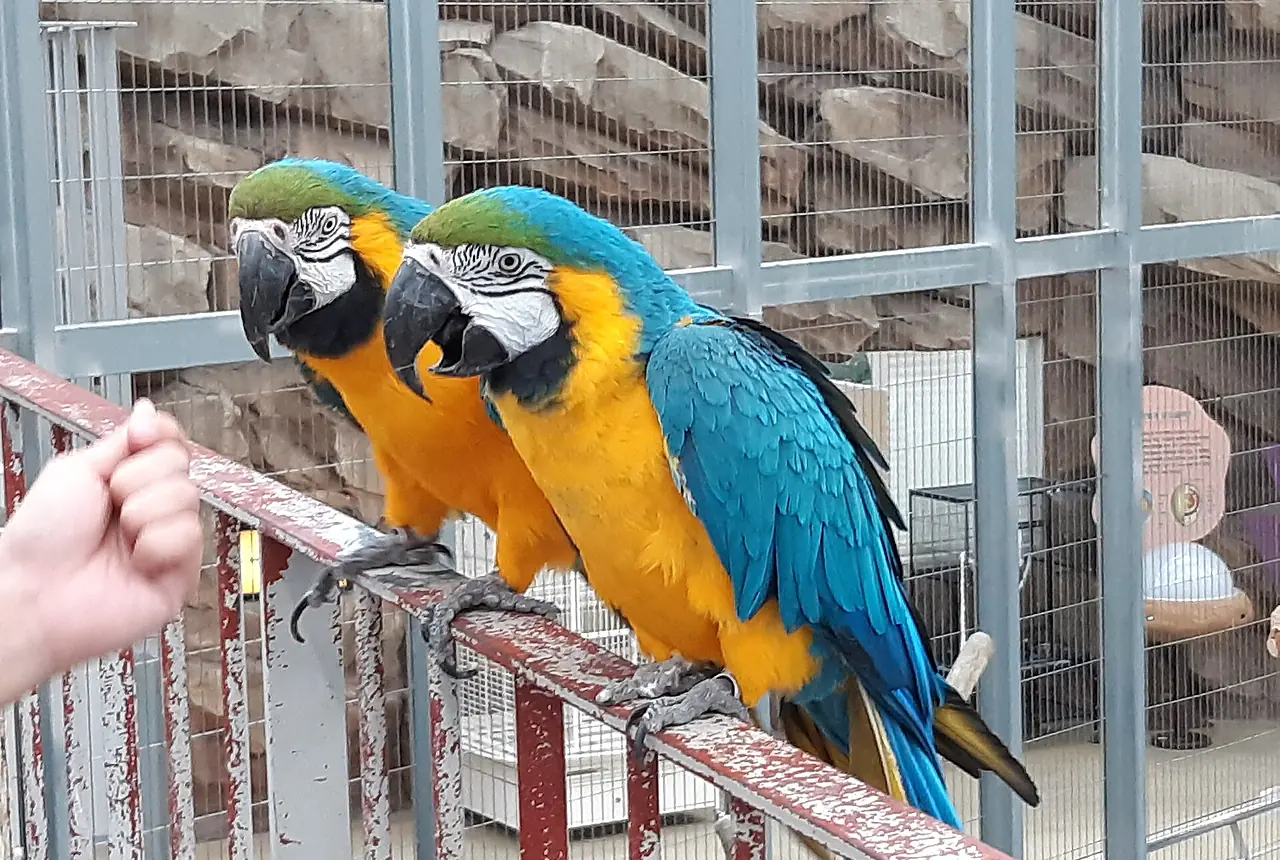
Blue-and-Gold Macaws care guide photo for macaw housing, diet, and handling planning.

Large Parrot Questions

Answer first

Large parrots destroy toys because chewing, shredding, prying, and problem-solving are normal parrot work. The goal is not to stop destruction; it is to provide safe things to destroy so the bird is not using furniture, doors, cages, or people for that job.

What to check before you act

Normal work

Chewing is part of parrot life.

Safety

Materials and hardware matter.

Rotation

Bored birds invent trouble.

Inspection

Damage can become hazardous fast.

Budget

Replacement costs repeat.

Redirect

Protect furniture and people with better outlets.

01

How to act on this

Macaws, cockatoos, Amazons, greys, and other large parrots need daily beak work. Destroyed toys often mean the toy did its job.

02

Match materials to the bird

Use bird-safe wood, cardboard, paper, palm, leather where appropriate, stainless hardware, and puzzle work sized for the beak. Avoid unsafe metals, fibers, tiny parts, and traps.

03

Rotate before boredom

A bored parrot may turn to cage bars, furniture, doors, trim, cords, or skin. Rotate chew work and foraging before the bird starts inventing jobs.

04

Inspect every day

Large parrots can expose sharp wire, loose clips, splinters, or swallowable pieces quickly. Remove damaged toys early.

05

Budget for destruction

Toy replacement is not optional with large parrots. It is part of normal welfare and cost.

Before you decide

  • Does the bird have safe chew work every day?
  • Are toys sized for the beak and strength?
  • Do you inspect for loose hardware, fibers, and sharp parts?
  • Is the bird chewing furniture, cage bars, or people instead?
  • Is toy cost part of the monthly budget?

Next best moves

  • Treat destroyed safe toys as successful enrichment.
  • Rotate textures, foraging, and training instead of offering one toy type.
  • Remove damaged pieces before they become hazards.

Common questions

Is toy destruction bad?

No. Safe destruction is healthy. The concern is unsafe materials, swallowed pieces, or destruction aimed at household items.

Why does my parrot destroy expensive toys so fast?

Large beaks are powerful. Fast destruction can be normal and should be budgeted for.

Can I use untreated wood?

Some untreated bird-safe woods are useful, but species, sourcing, pesticides, hardware, and splinter risk matter.

What if my parrot destroys the cage?

Bar chewing, hardware damage, or escape attempts mean the setup, enrichment, stress, and cage safety need urgent review.

Useful setup pieces

Use these after the care plan is clear. Match size and materials to the bird you actually keep.

Affiliate links: Furball Cove may earn from qualifying purchases at no extra cost to you.

Bird-safe chew toys made from natural wood, paper, vine, and vegetable-dyed pieces with a lovebird nearby.

Safe chew toys

Plain bird-safe chewing work gives busy beaks something useful to do.

Bird foraging tray with covered cups, pellets, greens, and a curious budgie beside the puzzle.

Foraging toy

Turns part of the meal into a simple job instead of a full bowl of boredom.

Tabletop bird training perch with a cockatiel standing on the perch beside small training treats.

Training perch

Gives short trust-building sessions a low, predictable place to happen.

Open blank bird care notebook with pencil, small supplies, and a cockatiel on a tabletop stand.

Care notebook

Tracks food, weight, sleep, droppings, behavior, and vet questions in one place.

References