Bird guides
Bird Behavior
Pick the problem you are seeing, then follow the matching guide.
Start with the trigger, not a label. Biting, screaming, fear, cage guarding, chewing, hormones, feather damage, and multi-bird tension each need a different plan.
What are you seeing?
Choose the closest match. If the change is sudden or severe, check health too.
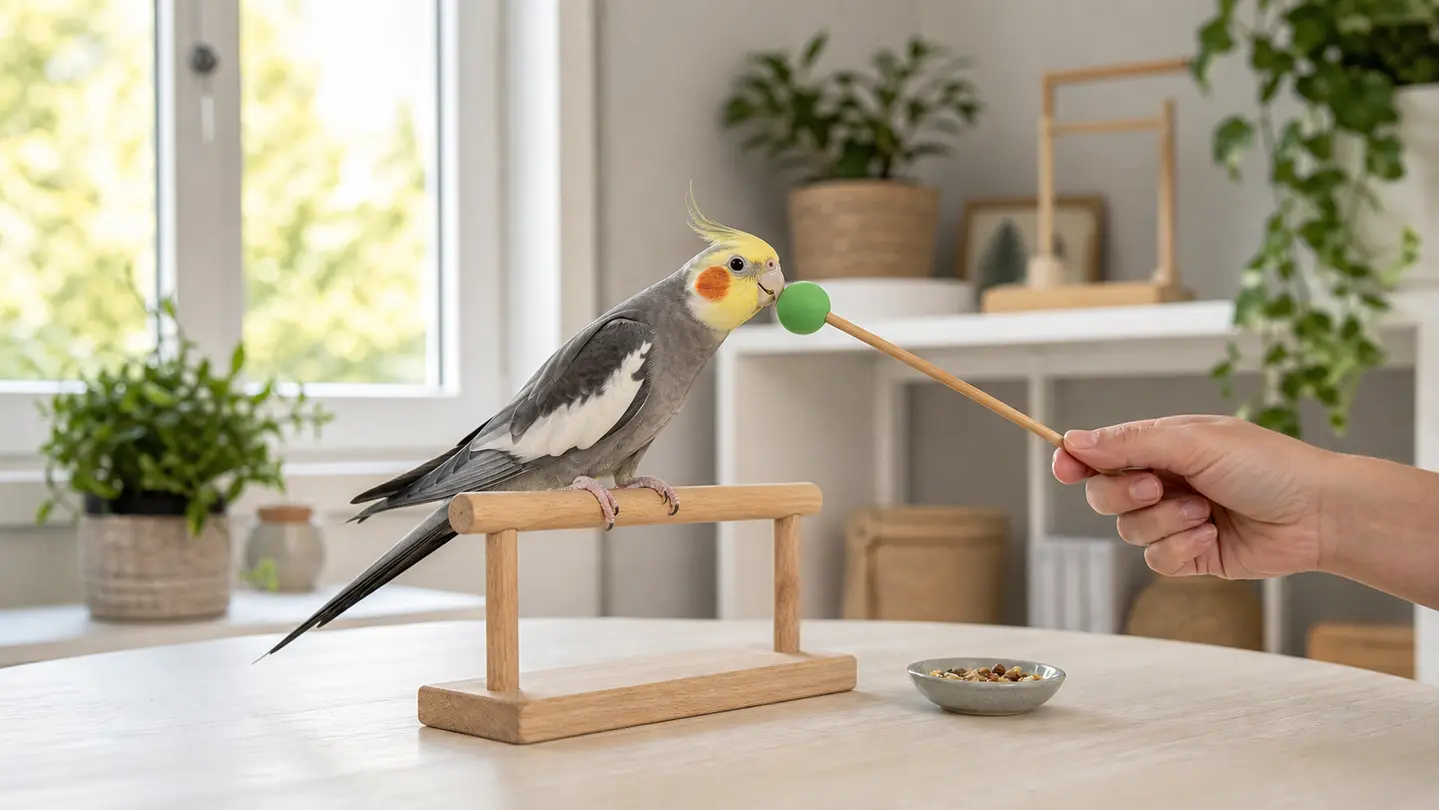
 Biting
Find the trigger and make the next bite less likely.
Biting
Find the trigger and make the next bite less likely.
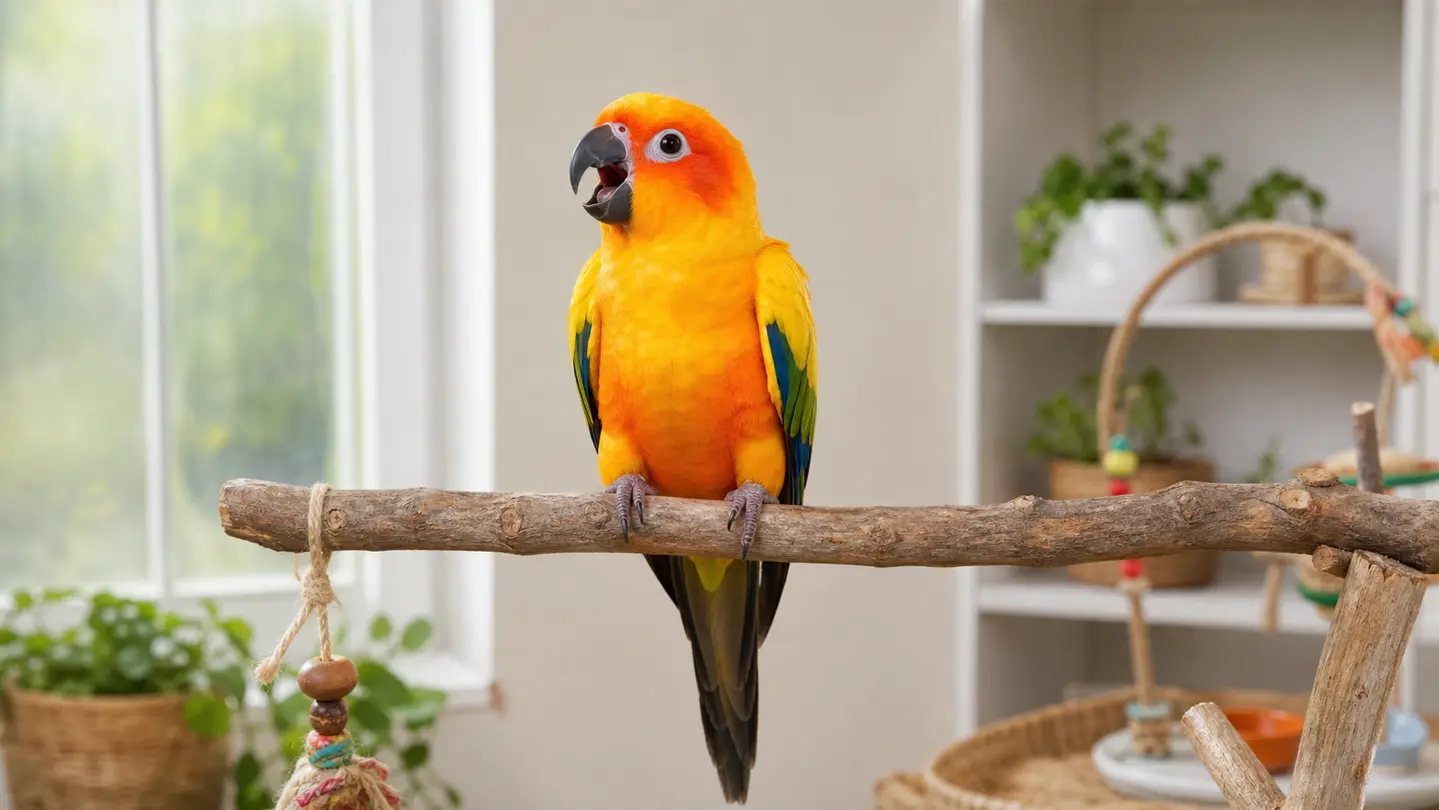 Screaming & Noise
Sort normal calls, alarm, boredom, and attention screaming.
Screaming & Noise
Sort normal calls, alarm, boredom, and attention screaming.
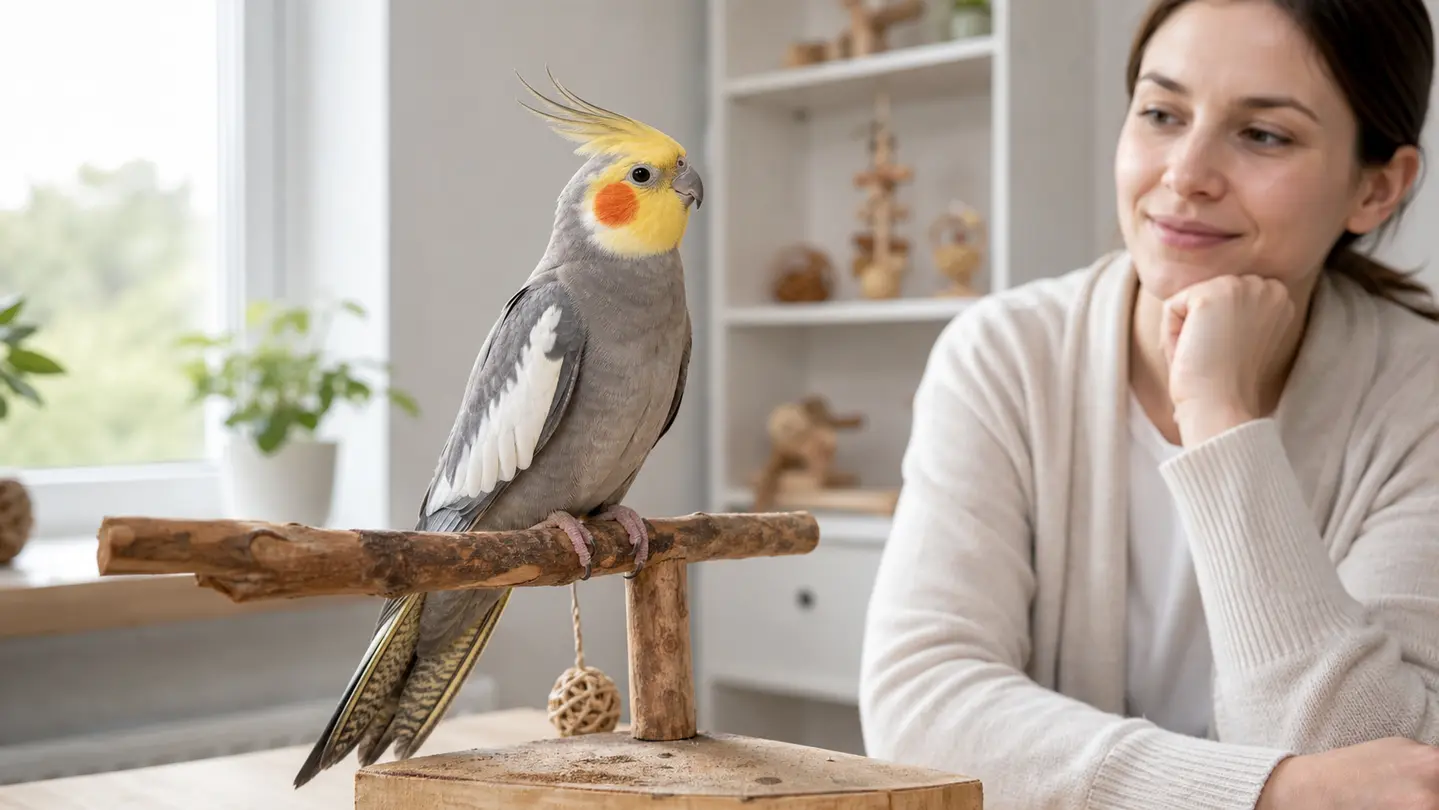 Body Language
Read early signs before the bird has to escalate.
Body Language
Read early signs before the bird has to escalate.
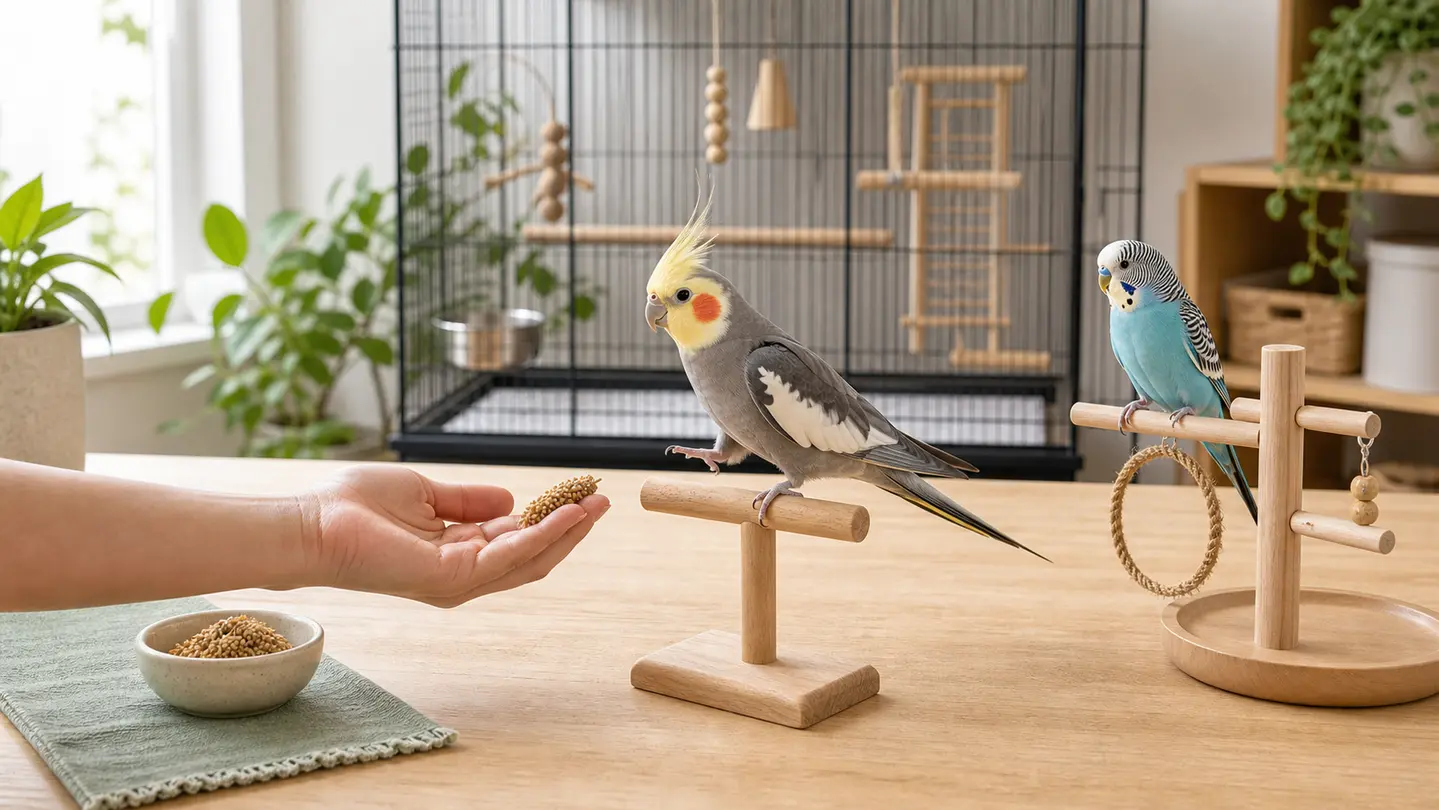
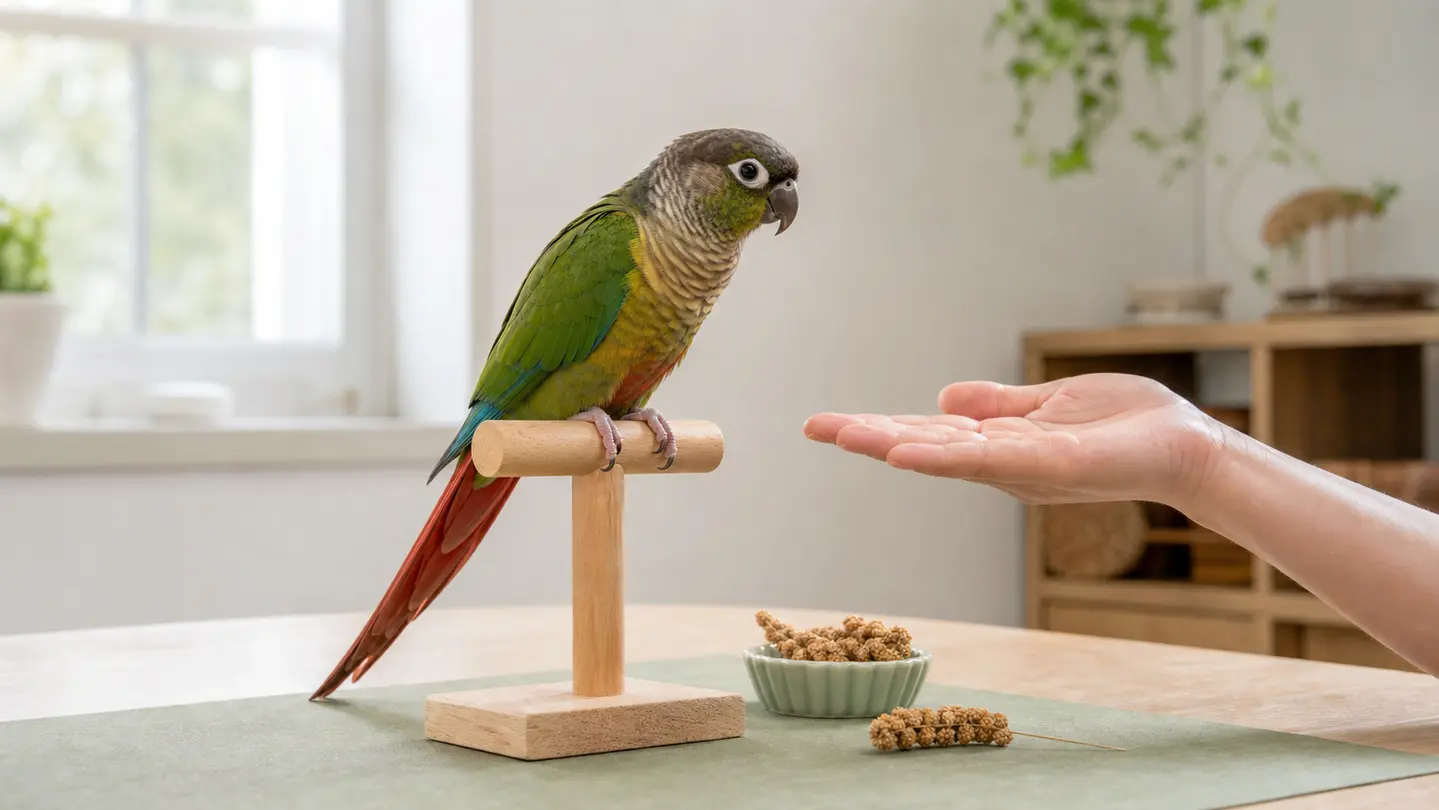
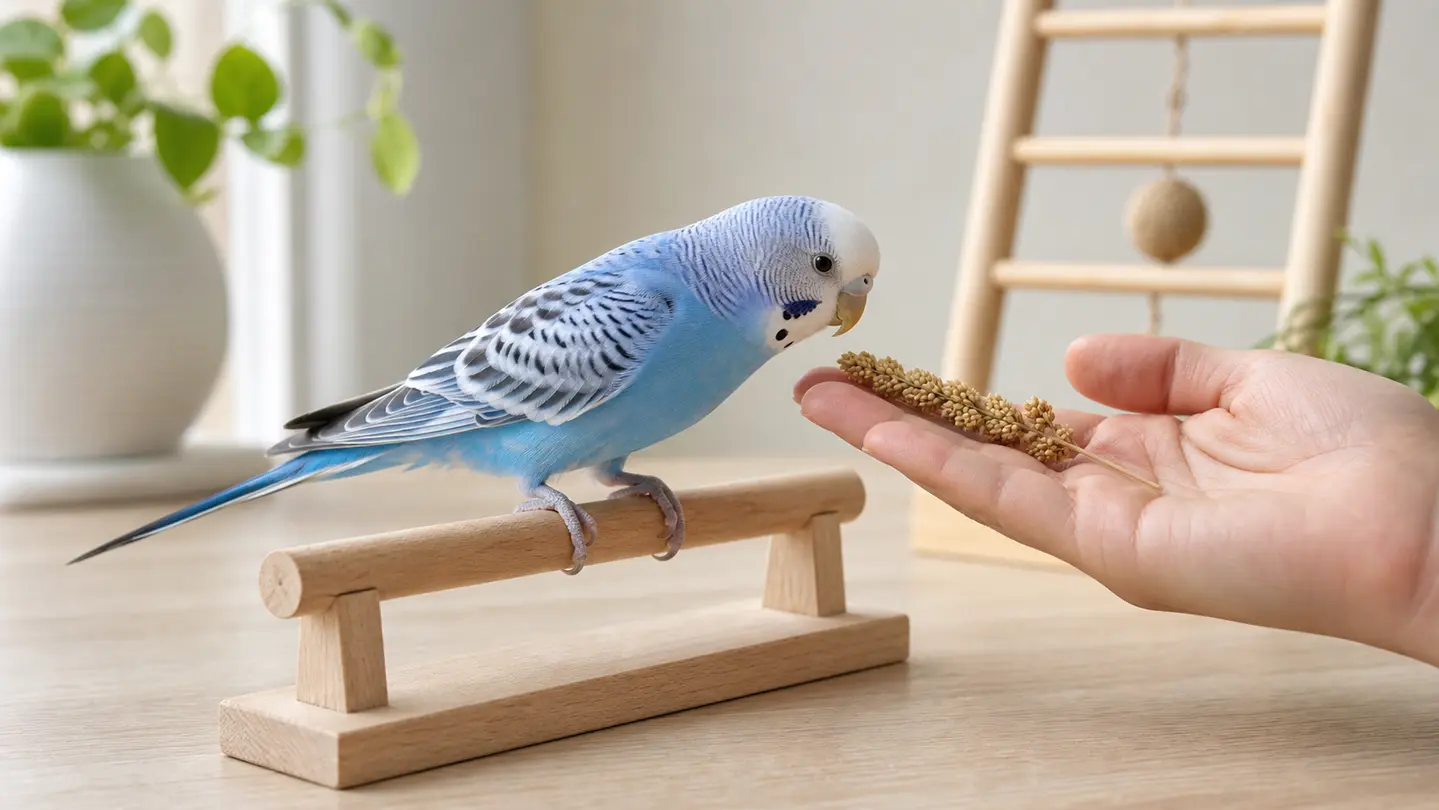 Taming & Trust
Help a new or nervous bird feel safe around people.
Taming & Trust
Help a new or nervous bird feel safe around people.
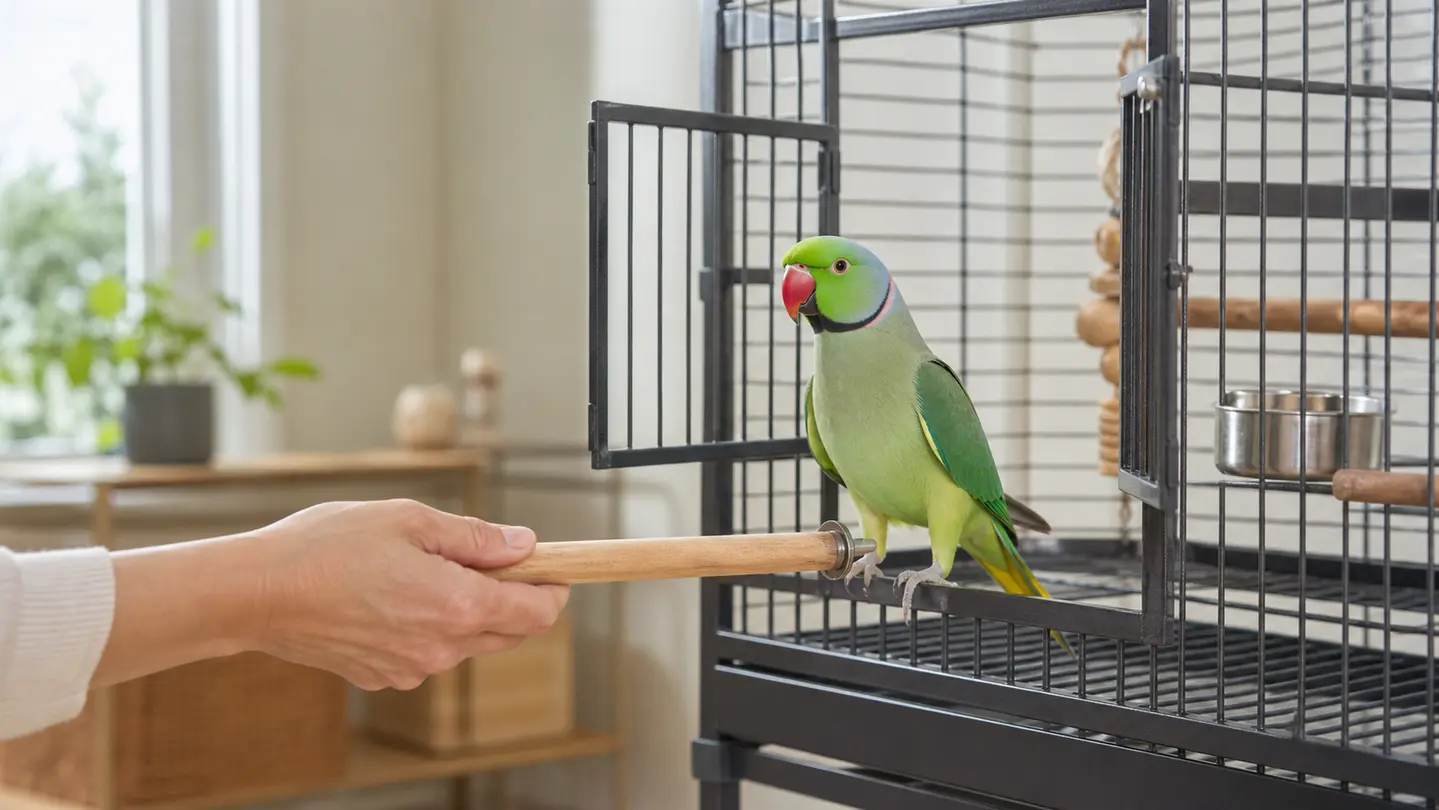 Cage Territoriality
Make the cage doorway calmer and easier to manage.
Cage Territoriality
Make the cage doorway calmer and easier to manage.
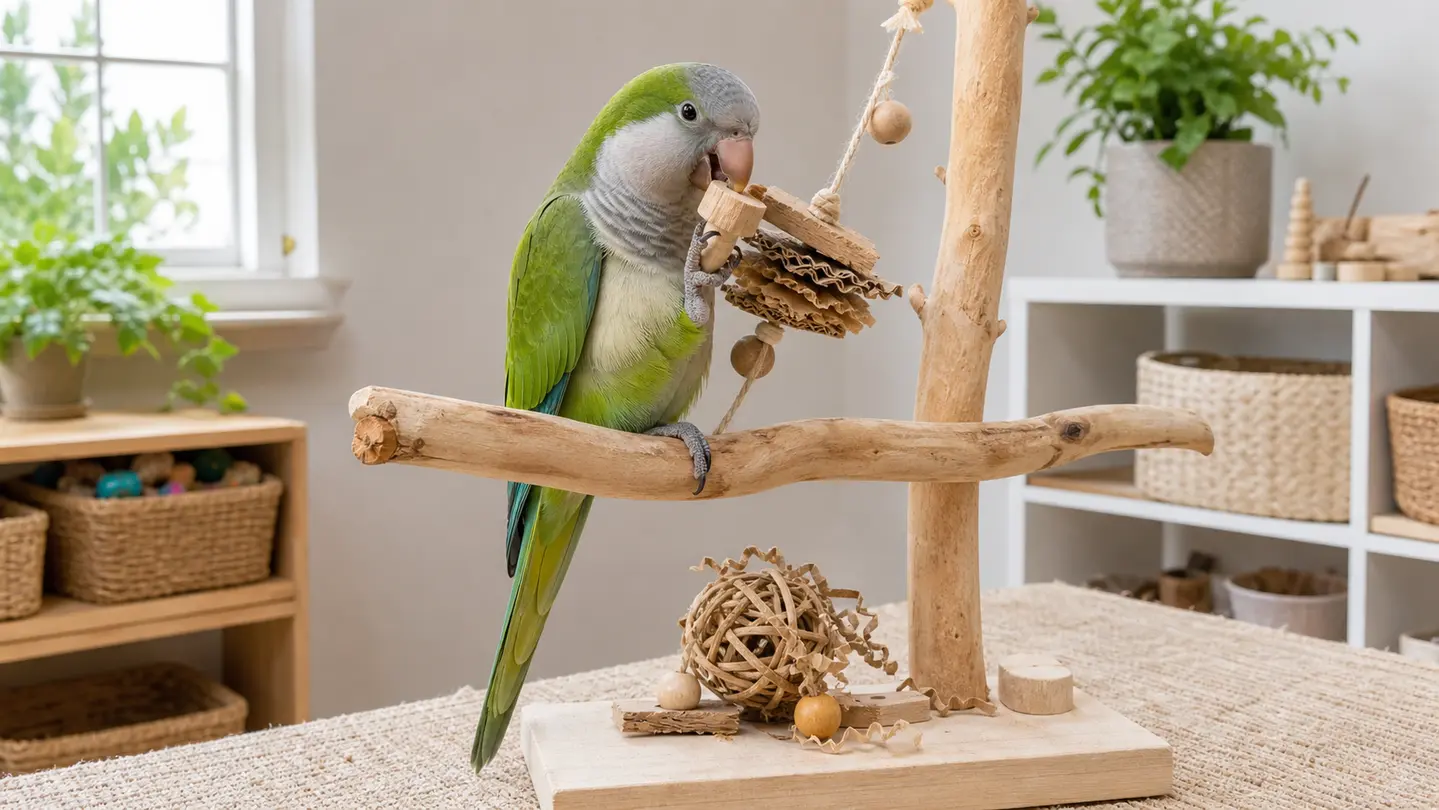 Chewing & Destruction
Give the beak safe work before it finds unsafe projects.
Chewing & Destruction
Give the beak safe work before it finds unsafe projects.
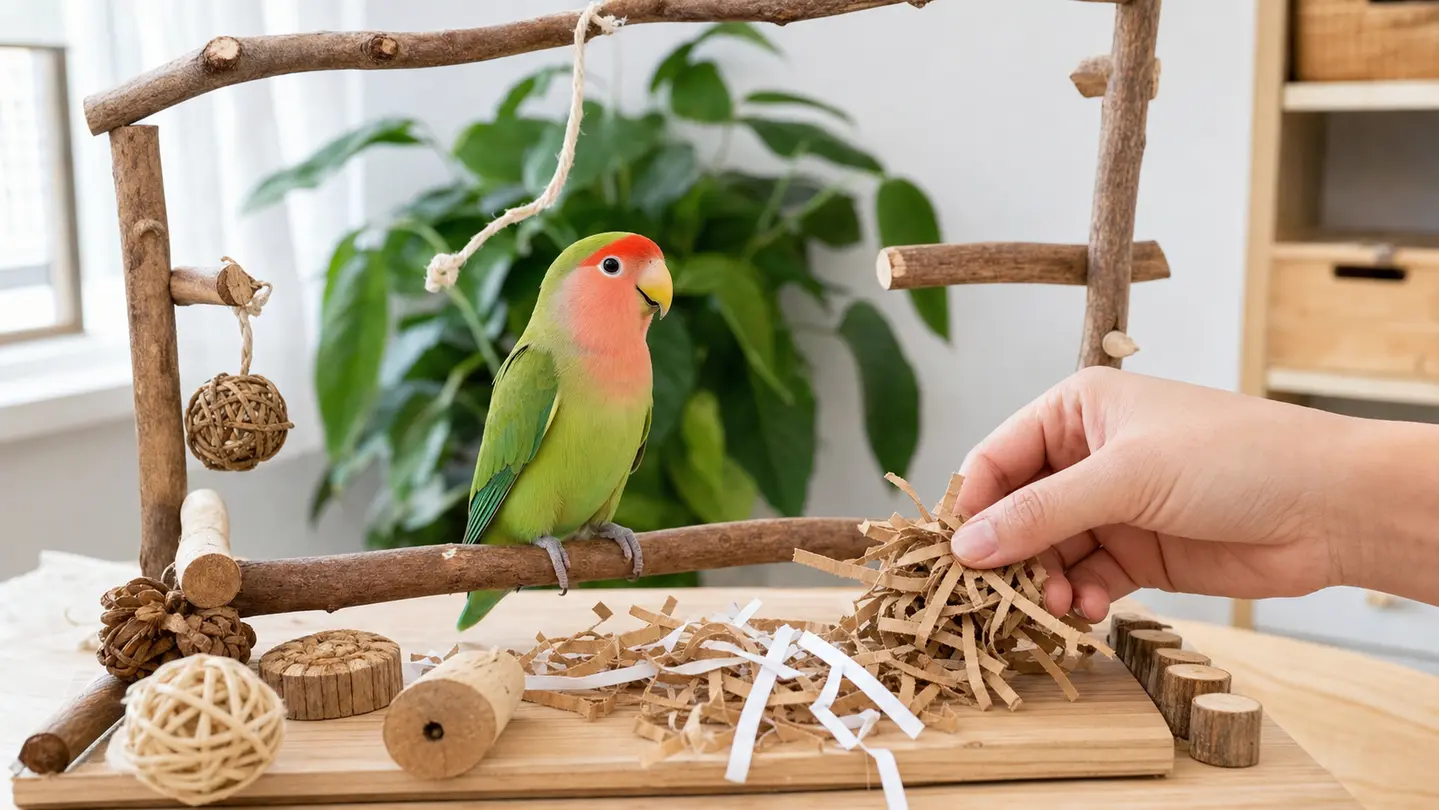 Hormonal Behavior
Reduce nesting triggers and handle seasonal changes.
Hormonal Behavior
Reduce nesting triggers and handle seasonal changes.
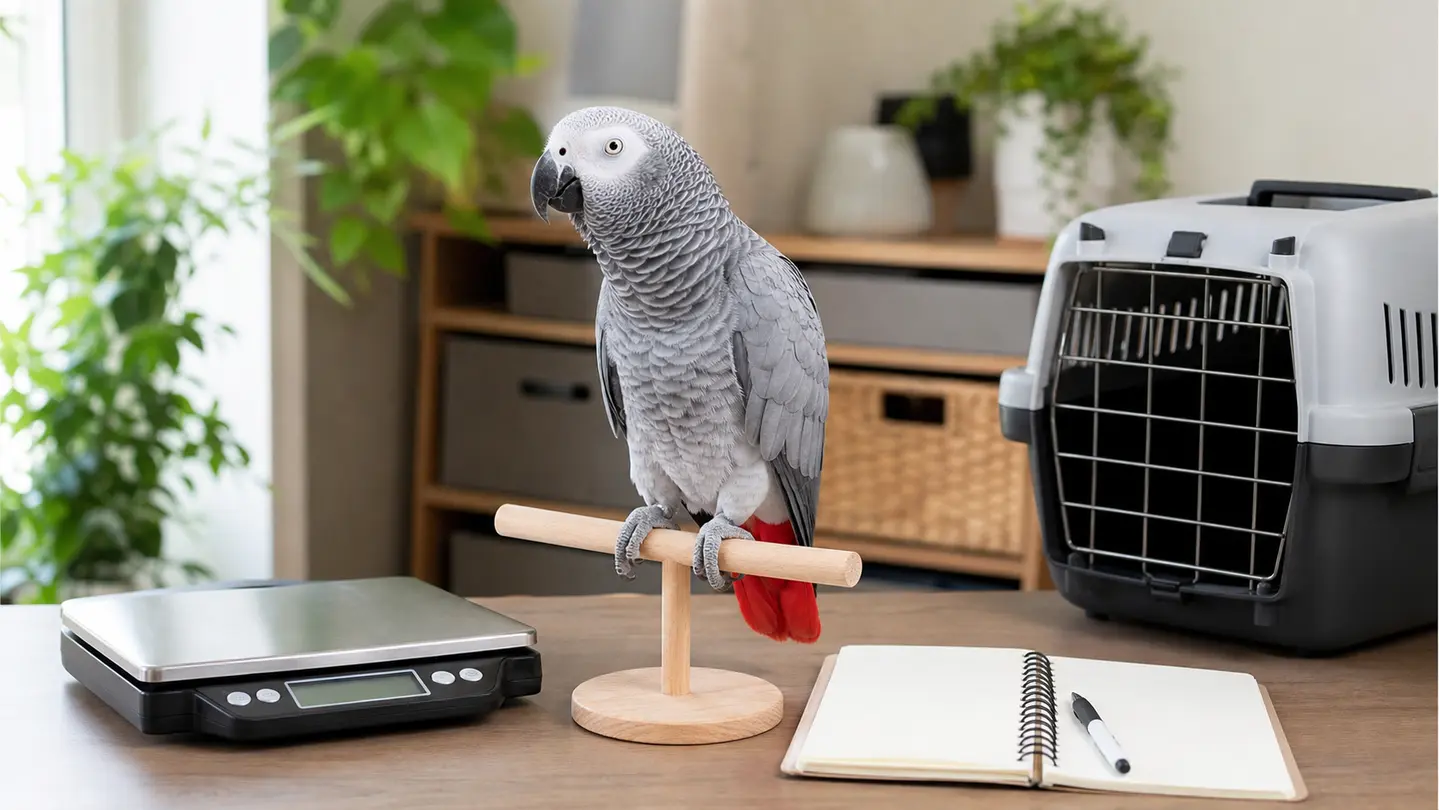 Feather Plucking & Stress
Treat feather damage as a health and welfare issue.
Feather Plucking & Stress
Treat feather damage as a health and welfare issue.
Build the routine around it
Use these after you know the main problem.