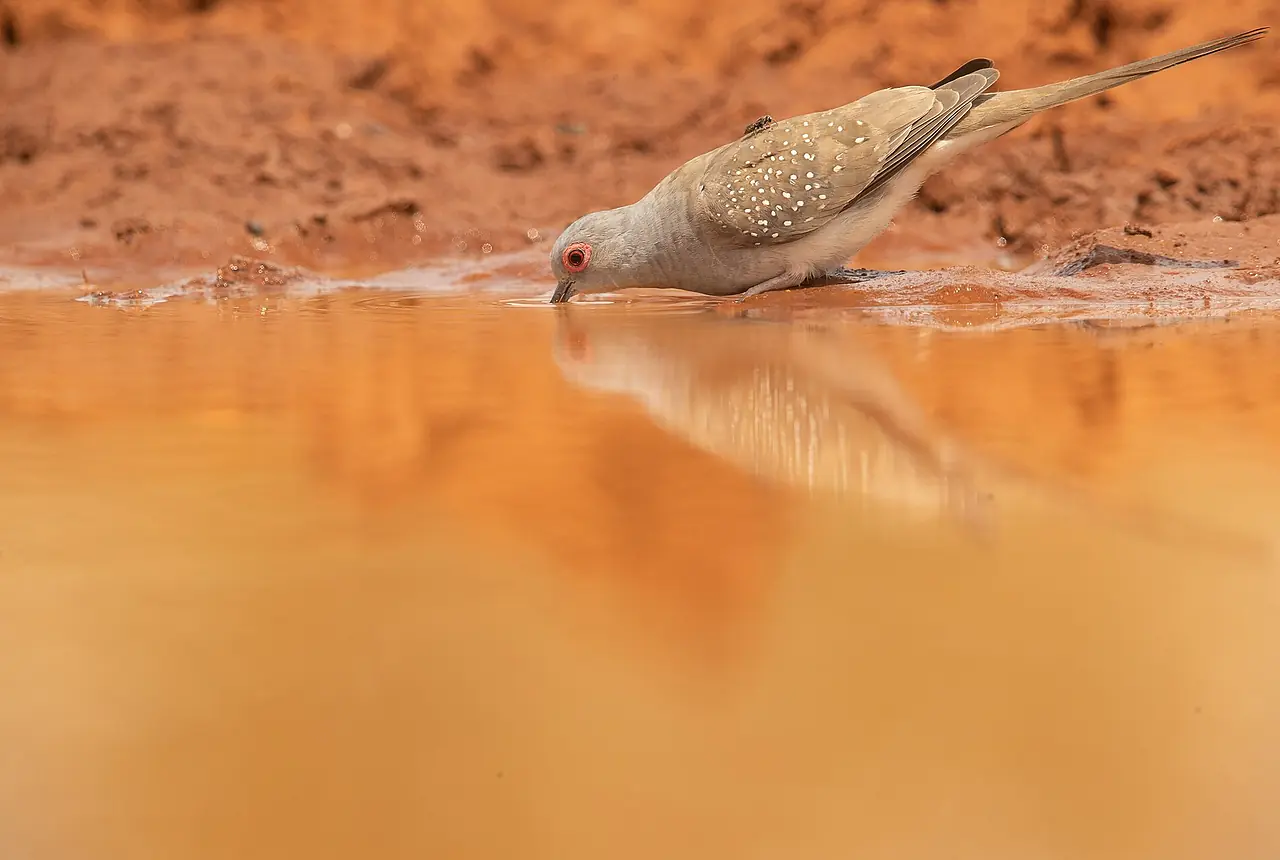
Diamond Doves are tiny observation birds that walk, bathe, coo softly, and make short direct flights. Their delicate appearance can make people underestimate floor use, compatible company, and the need for usable width. They suit quiet homes that enjoy watching birds; they are a poor choice when regular handling is the goal.
Plan broad resting surfaces, clean floor space, gentle flight paths, and a low-pressure daily check.
Lifespan
Typical group range: 8-20 years
Noise
Cooing and wing noise are normal, usually different from parrot calls
Daily social time
Gentle, social birds need room, cleanliness, and safe companions
Space
Needs wider flight space, flat resting options, bathing, and clean air
Handling style
Diamond Doves do best with calm, choice-based handling
Experience
Better for prepared homes that can support flight space, independent behavior, and species-specific care
The honest fit
Could this bird fit your life?
The match may work if…
Diamond doves fit quiet observation homes with a wide cage, clean floor plan, and careful protection from larger birds or rough handling.
You are comfortable with the bird's normal sound, movement, and daily social rhythm.
You have room for the recommended enclosure, safe movement, and a practical cleaning area.
Think twice if…
The room cannot fit wide flight space, safe placement, and daily cleanup without crowding the bird.
Feeding would likely become loose seed refills instead of species-appropriate mix and clean daily water.
The home cannot keep handling calm, secure, and low-pressure for diamond doves.
The daily rhythm
A normal day with Diamond Doves
Diamond Doves spend much of the day walking, making short direct flights, bathing, and keeping track of a companion. Their small feet and ground use make clean floor space, gentle perches, and low-pressure observation more important than handling practice.
The surprise with diamond doves is delicacy. Their small size affects bar spacing, perch size, temperature, and how safely they can be handled.
Home and movement
Use a wide flight cage with fine-safe spacing, soft perches, ground space, bathing, and a calm location away from predator pets.
Food and daily care
Use a suitable small dove/finch-style diet with clean water and minerals. Watch that tiny birds can access food easily.
Diamond Doves spend time close to the enclosure floor, where dry droppings, seed hulls, and bath splash collect. Change plain liners before debris becomes dusty, and keep fumes, smoke, sprays, candles, and fragrance away.
Social life, sound and handling
Diamond Doves make soft, repetitive coos and audible wing beats during short flights. Their day is usually gentler than a parrot's, with quiet resting periods that should not be interrupted by constant handling.
Gentle, social birds need room, cleanliness, and safe companions. Short, calm training sessions work better than chasing, grabbing, or forcing contact. Let the bird choose to step closer, then reward the behavior you want to see again.
Careful, not fearful
Health and safety considerations
Compare Diamond Doves as a dove or pigeon, with the final choice based on noise, space, diet, social routine, legal sourcing, and avian-vet access.
Sudden changes in appetite, breathing, posture, droppings, weight or usual voice deserve a call to an avian veterinarian.
Before adoption
Before you bring one home
Ask about pair status, sex if known, diet, age, source, and whether the birds have been stable after transport.
Confirm what species the bird is and ask for any available health and history records.
Ask what the bird currently eats, how it uses its enclosure, and how it responds to handling.
Measure the enclosure location, doorway route, and safe out-of-cage area before committing.
Confirm an avian veterinarian is accessible before the bird comes home.