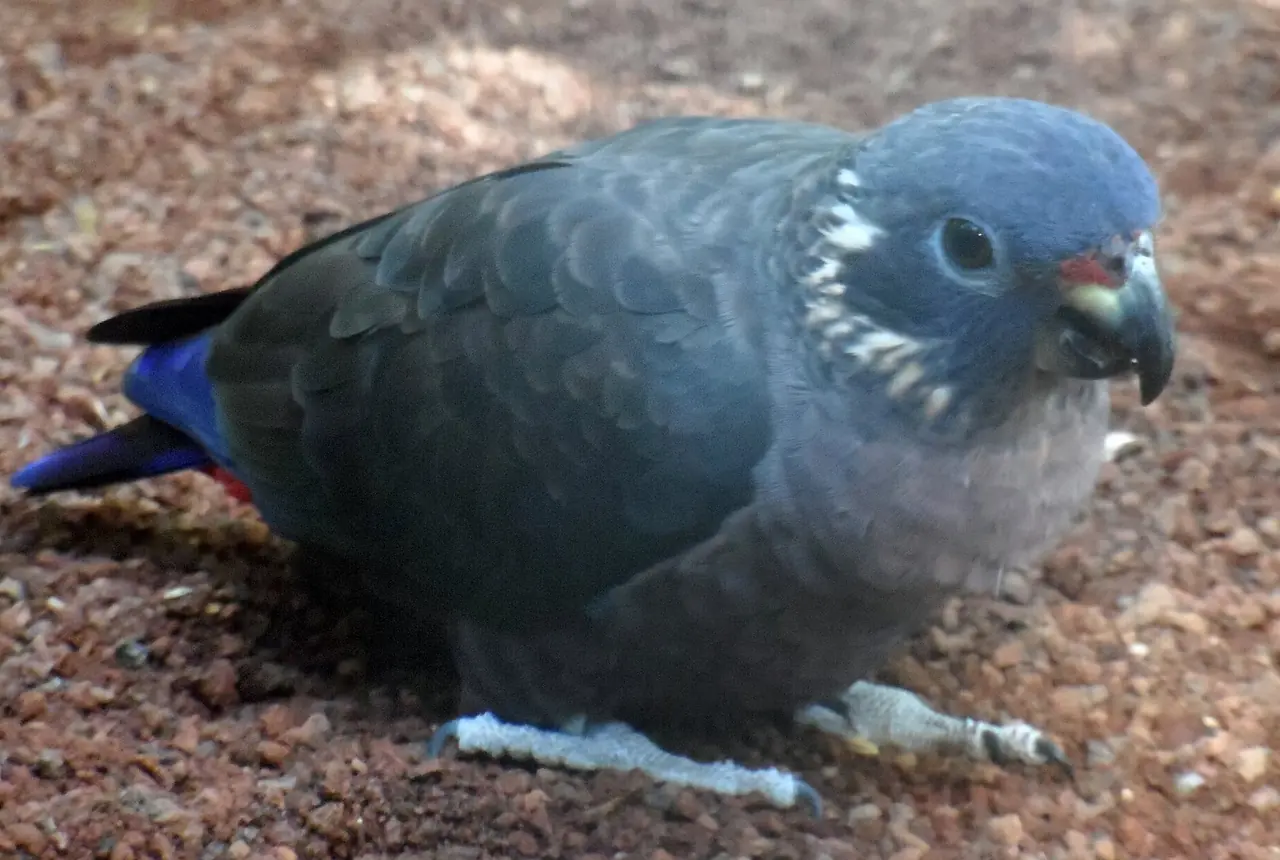
Dusky Pionus are medium parrots from northern South America and the Guianas, with dusky blue-grey plumage, red undertail feathers, and a pale bill. They remain less common in companion homes than several other Pionus species. They suit prepared owners who can verify identity and provide a steady routine without assuming rarity changes basic Pionus care.
Confirm the source and exact species, hear the adult's nasal calls, and plan bathing, movement, foraging, diet tracking, and calm handling.
Lifespan
About 25 years
Noise
Often calmer than many parrots, but not silent
Daily social time
Steady, observant, and usually less frantic than some parrots
Space
Needs a medium-large cage, perches, baths, and foraging
Handling style
Use gradual station and step-up training, let the bird control distance, and treat a quiet refusal as infor…
Experience
Better for prepared homes that can support flight space, independent behavior, and species-specific care
The honest fit
Could this bird fit your life?
The match may work if…
Dusky Pionus fit prepared homes that can verify identity and provide roomy movement, bathing, foraging, chew work, and gradual socialization.
You are comfortable with the bird's normal sound, movement, and daily social rhythm.
You have room for the recommended enclosure, safe movement, and a practical cleaning area.
Think twice if…
The room cannot fit a medium-large cage, safe placement, and a cleaning routine you can actually repeat.
The food routine would likely become seed-only, treat-led, or inconsistent instead of careful weight checks.
The household expects instant cuddles instead of patient, choice-based trust.
The daily rhythm
A normal day with Dusky Pionus
Dusky Pionus parrots need the same daily movement, bathing, foraging, chewing, and social choice as more familiar Pionus species. Their reserved presentation makes a consistent check of appetite, weight, droppings, voice, and balance especially useful.
Rarity does not change the basic care plan, and the species' high nasal calls still need an in-person housing check.
Dusky Pionus are Pionus fuscus, also called Dusky Parrots or Violet Parrots.
Adults have dusky blue-grey to violet plumage, a pale bill, bare eye ring, red undertail feathers, and red at the tail base.
Home and movement
Use a roomy cage, safe chew items, foraging, bathing access, and predictable out time near the family.
Food and daily care
Build meals around a nutritionally balanced parrot diet and suitable vegetables, with fruit, seed, nuts, and treats kept measured. Track weight and appetite, and avoid adding supplements without an avian-veterinary reason.
Dusky Pionus parrots leave bath splash, fresh food, and shredded material through a roomy setup. Use plain liners and unscented damp cleaning, with no smoke, sprays, candles, perfume, or overheated nonstick cookware in their air.
Social life, sound and handling
Dusky Pionus parrots use high, nasal calls and quieter contact sounds. Individual volume varies, so hear the adult indoors and protect a consistent dark night without treating quietness as guaranteed.
Use gradual station and step-up training, let the bird control distance, and treat a quiet refusal as information rather than an invitation to add pressure.
Careful, not fearful
Health and safety considerations
Compare Dusky Pionus as a pionus, with the final choice based on noise, space, diet, social routine, legal sourcing, and avian-vet access.
Sudden changes in appetite, breathing, posture, droppings, weight or usual voice deserve a call to an avian veterinarian.
Before adoption
Before you bring one home
Ask about diet, hand confidence, noise, bathing, and whether the bird has shown fear or defensiveness around hands.
Confirm what species the bird is and ask for any available health and history records.
Ask what the bird currently eats, how it uses its enclosure, and how it responds to handling.
Measure the enclosure location, doorway route, and safe out-of-cage area before committing.
Confirm an avian veterinarian is accessible before the bird comes home.