Updated
Bird guides
Red-headed Parrotfinches Care Guide
Red-headed Parrotfinches are active, colorful finches that need space, stable groups, and close observation.
Red-headed parrotfinches fit experienced finch homes that can provide activity without crowding.
Noise level
Usually soft and busy rather than loud. You will still hear flock chatter through the day.
Daily social time
Think flock care first. Most finches are happiest with compatible birds, not constant handling.
Handling style
Plan for observation-first or practical handling; do not choose this bird for cuddling.
Space needs
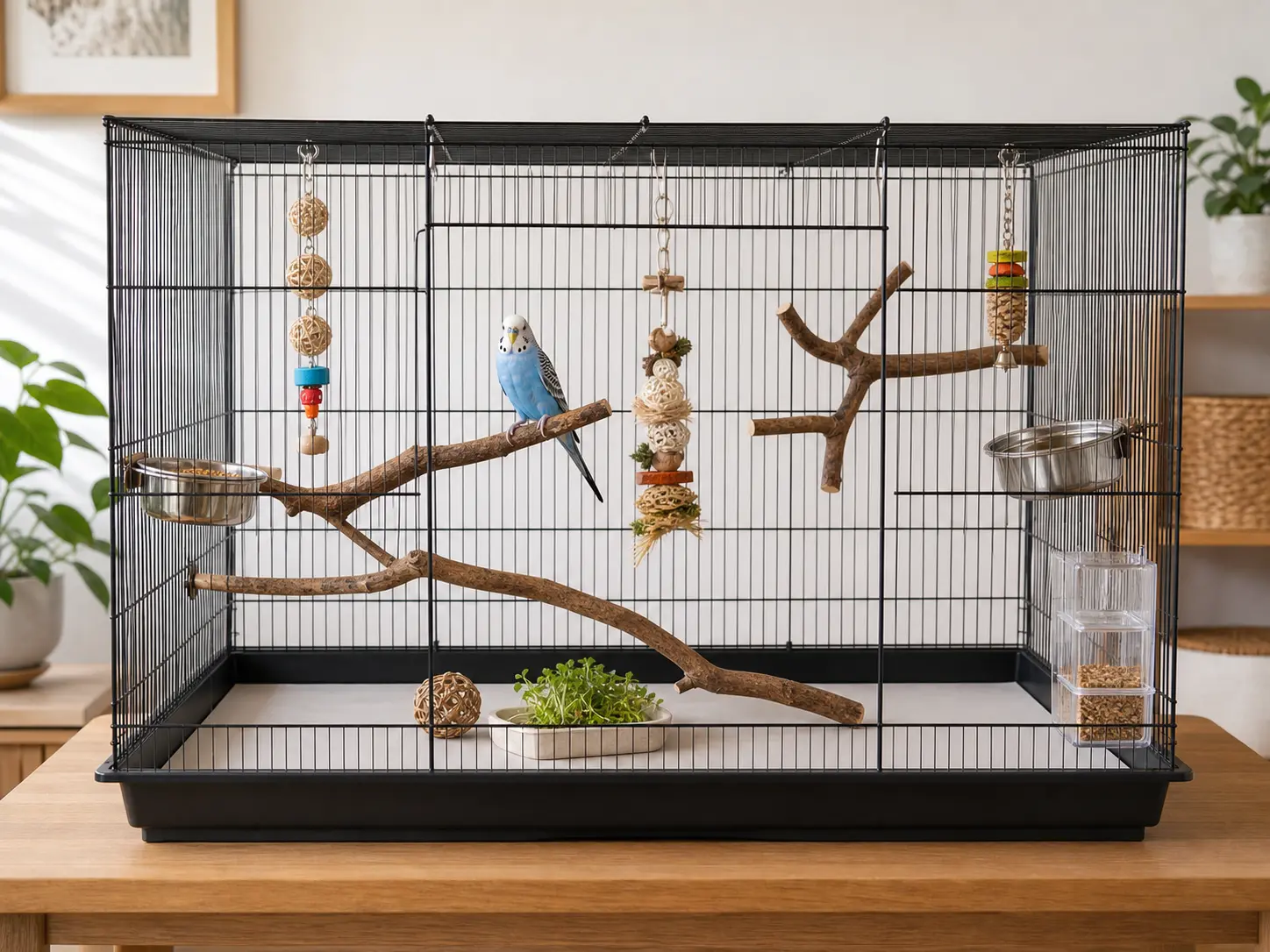
Choose a wide flight cage. They need room to move side to side, not just height.
Diet complexity
Tiny birds still need more than seed: greens, calcium when appropriate, and clean water.
Mess level
Seed hulls, feathers, and droppings still need a simple daily routine.
Enrichment needs
Flock layout, bathing, safe cover, and fresh perches matter more than toy tricks.
Setup cost
Costs are usually moderate, but proper flight housing and multiple birds still add up.
First-time fit
Better for prepared homes that can support flight space, independent behavior, and species-specific care.
Great fit for
- Red-headed parrotfinches fit experienced finch homes that can provide activity without crowding.
- Because sound varies by species and individual, hear the exact bird before adoption and make sure its calls, activity, space, and care routine fit the home.
- Plan for a horizontal flight cage, safe placement, and a cleaning routine you can repeat on ordinary weeks.
Think twice if
- The room cannot fit a horizontal flight cage, safe placement, and daily cleanup without crowding the bird.
- Feeding would likely become loose seed refills instead of seed or pellet base plus greens and clean daily water.
- The household wants a bird to hold instead of an observation-first bird whose handling stays rare, calm, and practical.
01
A workable day with Red-headed Parrotfinches
Build the daily rhythm for red-headed parrotfinches around fresh food, clean water, bathing or movement space, and a quiet health check. Keep the social plan realistic: red-headed parrotfinches are usually watch-and-listen birds that need compatible flock or pair planning. If that routine feels hard to repeat during a normal busy week, pause before adopting red-headed parrotfinches.
02
What people underestimate about Red-headed Parrotfinches
The surprise with red-headed parrotfinches is energy. Parrotfinches are tiny, but they are busy.
03
Housing that works for Red-headed Parrotfinches
Use secure flight housing with bathing, cover, fine perches, and enough room for movement.
04
Food routine for Red-headed Parrotfinches
Use a balanced finch diet with greens, clean water, and appropriate extras during molt or breeding.
05
Living with the voice and sleep rhythm
Expect soft activity and a calm night routine.
06
Trust, company, and handling
Avoid chasing or frequent handling. Watch compatibility and appetite.
07
Cleaning without compromising the air
Keep dishes, baths, floor, and perches fresh.
08
Hands, dishes, and shared spaces
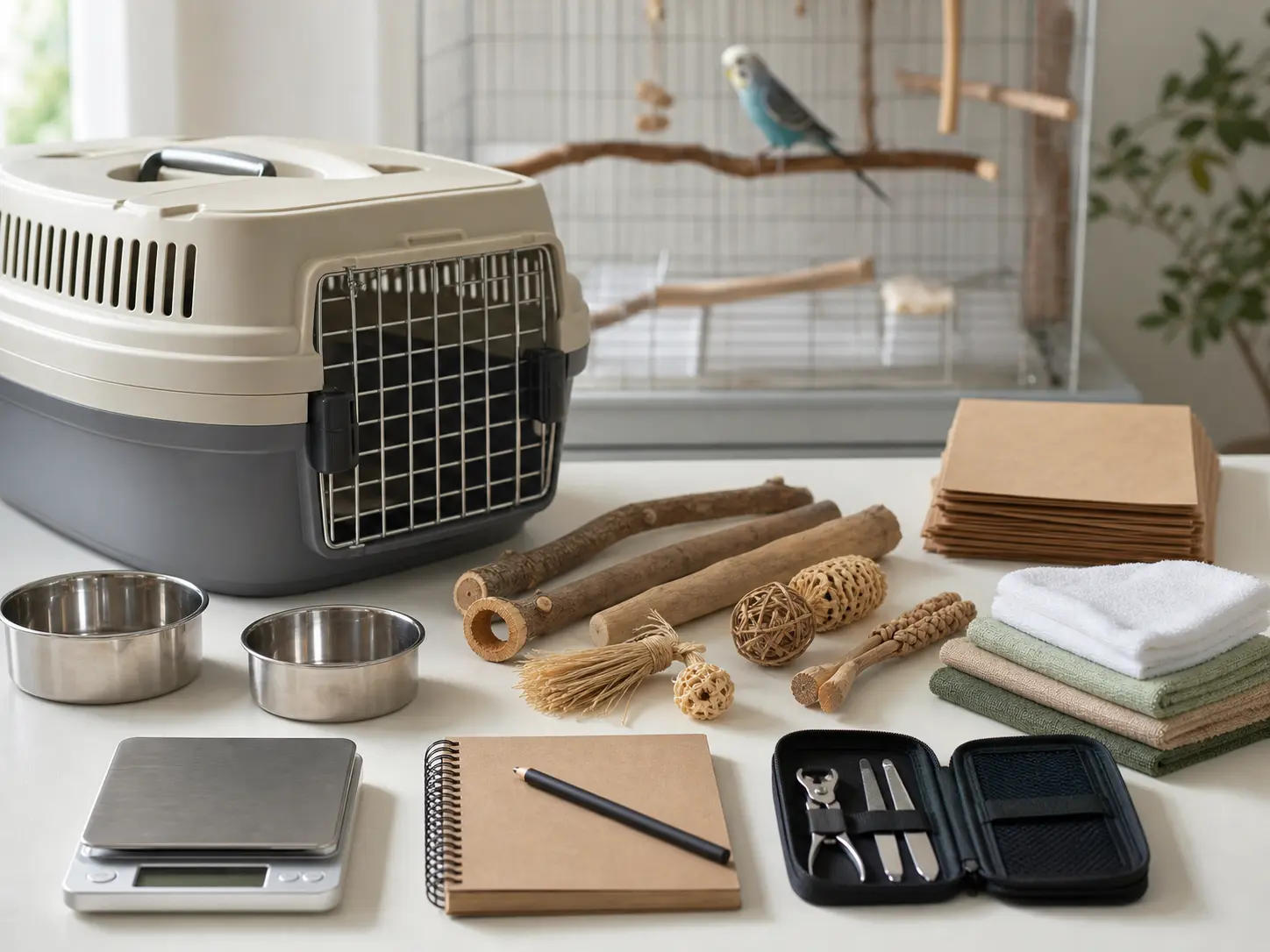
Treat cleanup as normal household hygiene, not as a scare. Wash hands after handling liners, droppings, bowls, perches, toys, or cleaning tools. Do not clean cages, bowls, perches, or bird equipment in the kitchen sink or on food-prep surfaces; use a separate cleanup area and keep bird supplies away from human food.
09
Learn the normal Red-headed Parrotfinches baseline
Watch weight, posture, droppings, breathing, feather condition, and stress from crowding.
10
Questions to ask before bringing one home
Ask about source, sex, age, diet, acclimation, and whether the birds have lived in a mixed group.