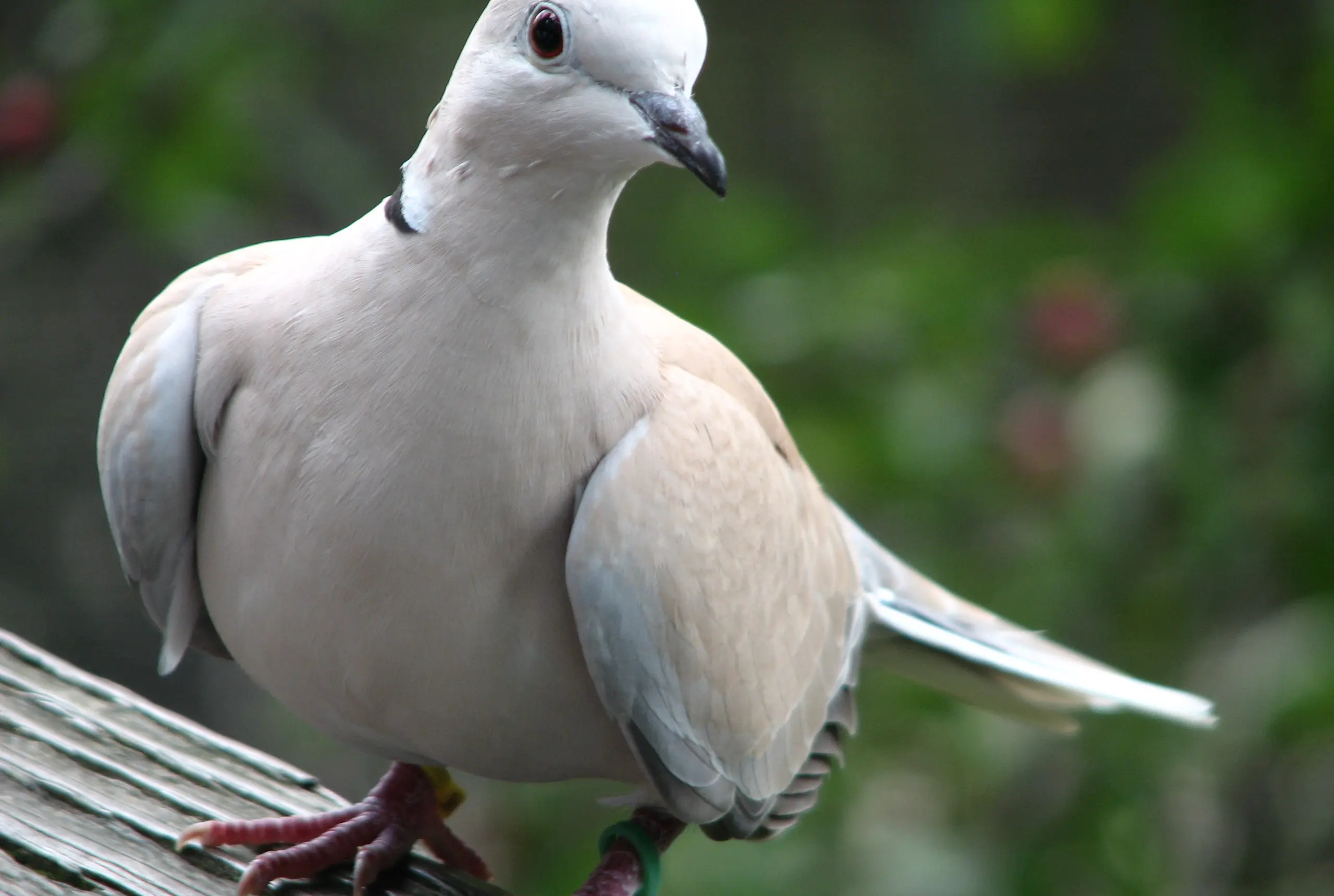
Ringneck Doves are calm observation companions that walk often, make direct flights, bathe, and repeat a soft coo throughout the day. The surprise is practical: floor area, seed scatter, feather dust, and broad resting places matter more than elaborate parrot toys. They suit homes that enjoy a gentle presence; people seeking constant touch may find the relationship too quiet.
A wide, easy-to-clean setup and respectful handling fit the way a dove actually uses the room.
Lifespan
Typical group range: 8-20 years
Noise
Cooing and wing noise are normal, usually different from parrot calls
Daily social time
Gentle, social birds need room, cleanliness, and safe companions
Space
Needs wider flight space, flat resting options, bathing, and clean air
Handling style
Gentle trust can build, but handling should stay calm and secure
Experience
Better for prepared homes that can support flight space, independent behavior, and species-specific care
The honest fit
Could this bird fit your life?
The match may work if…
Ringneck doves fit calm homes that want soft companionship or observation and can keep up with daily cleaning.
You are comfortable with the bird's normal sound, movement, and daily social rhythm.
You have room for the recommended enclosure, safe movement, and a practical cleaning area.
Think twice if…
The room cannot fit wide flight space, safe placement, and daily cleanup without crowding the bird.
Feeding would likely become loose seed refills instead of species-appropriate mix and clean daily water.
The home cannot keep handling calm, secure, and low-pressure for ringneck doves.
The daily rhythm
A normal day with Ringneck Doves
Ringneck Doves divide the day between walking, direct flights, bathing, feeding, and long stretches of soft cooing. Wide floor space, broad perches, and a realistic plan for seed scatter and feather dust matter more than elaborate parrot toys.
The surprise with ringneck doves is floor mess. Doves scatter seed, dust, feathers, and droppings in a different pattern than parrots.
Ringneck Doves are domestic doves recognized by a slim body, long tail, small bill, and a dark half-collar at the neck.
A Ringneck Dove communicates with repeated coos and bowing displays rather than the contact screams expected from companion parrots.
Home and movement
Use wide housing with flat resting spots, safe perches, bathing, and easy-to-clean flooring. Height alone does not replace wing room.
Food and daily care
Species-appropriate seed or pellet mix, greens, grit only when appropriate, and clean water. Keep fresh water, measured portions, and slow changes so appetite, droppings, and weight are easy to read.
Ringneck Doves walk through the lower enclosure and create fine feather dust, loose seed, and regular bath splash. Broad clean floor space and plain liners matter, along with air free from smoke, sprays, candles, perfume, and overheated nonstick cookware.
Social life, sound and handling
Ringneck Doves repeat a recognizable coo and add clapping wing noise when they launch. The rhythm is usually gentle but persistent, so listen to an adult dove before assuming the sound will fade into the background.
Gentle trust can build, but handling should stay calm and secure. Doves need safe footing and slow movements.
Careful, not fearful
Health and safety considerations
Compare Ringneck Doves as a dove or pigeon, with the final choice based on noise, space, diet, social routine, legal sourcing, and avian-vet access.
Sudden changes in appetite, breathing, posture, droppings, weight or usual voice deserve a call to an avian veterinarian.
Before adoption
Before you bring one home
Ask whether the bird is bonded, male or female if known, used to handling, and eating a proper dove diet.
Confirm what species the bird is and ask for any available health and history records.
Ask what the bird currently eats, how it uses its enclosure, and how it responds to handling.
Measure the enclosure location, doorway route, and safe out-of-cage area before committing.
Confirm an avian veterinarian is accessible before the bird comes home.