Updated
Bird guides
Tambourine Doves Care Guide
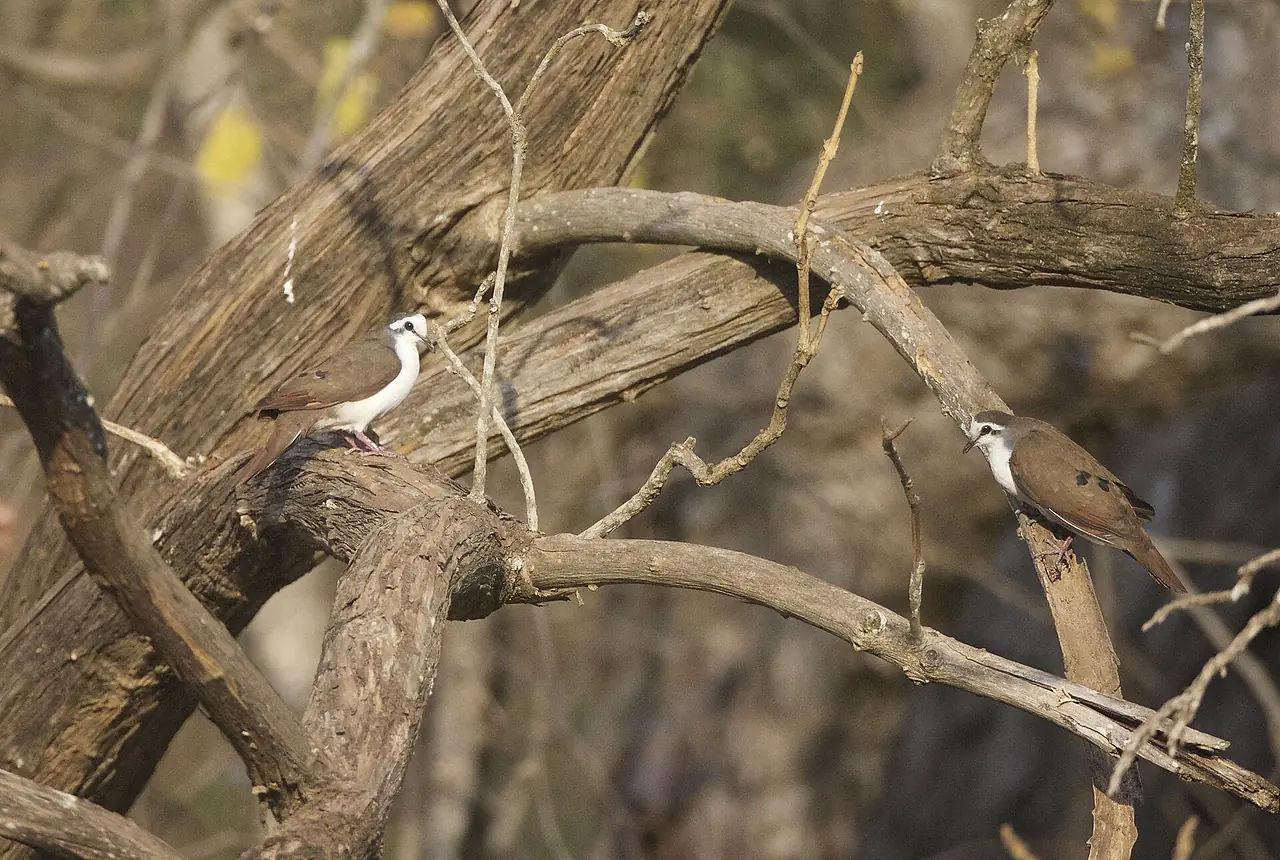
Tambourine Doves are beautiful, shy doves that need calm housing, cover, and experienced observation.
Tambourine doves fit quiet aviary-style homes that can provide privacy and steady care.
Noise level
Expect gentle cooing, wing flaps, and movement sounds, not parrot-style screaming.
Daily social time
Gentle companionship can work well when the bird has space, routine, and slow introductions.
Handling style
Plan for observation-first or practical handling; do not choose this bird for cuddling.
Space needs
Plan for width, bathing, flat resting shelves, and easy floor cleaning.
Diet complexity
Use a dove or pigeon diet and ask whether grit is appropriate for the setup.
Mess level
Plan for floor mess, bathing water, feathers, and regular liner changes.
Enrichment needs
Give bathing, shelves, floor time or flight space, and steady companionship.
Setup cost
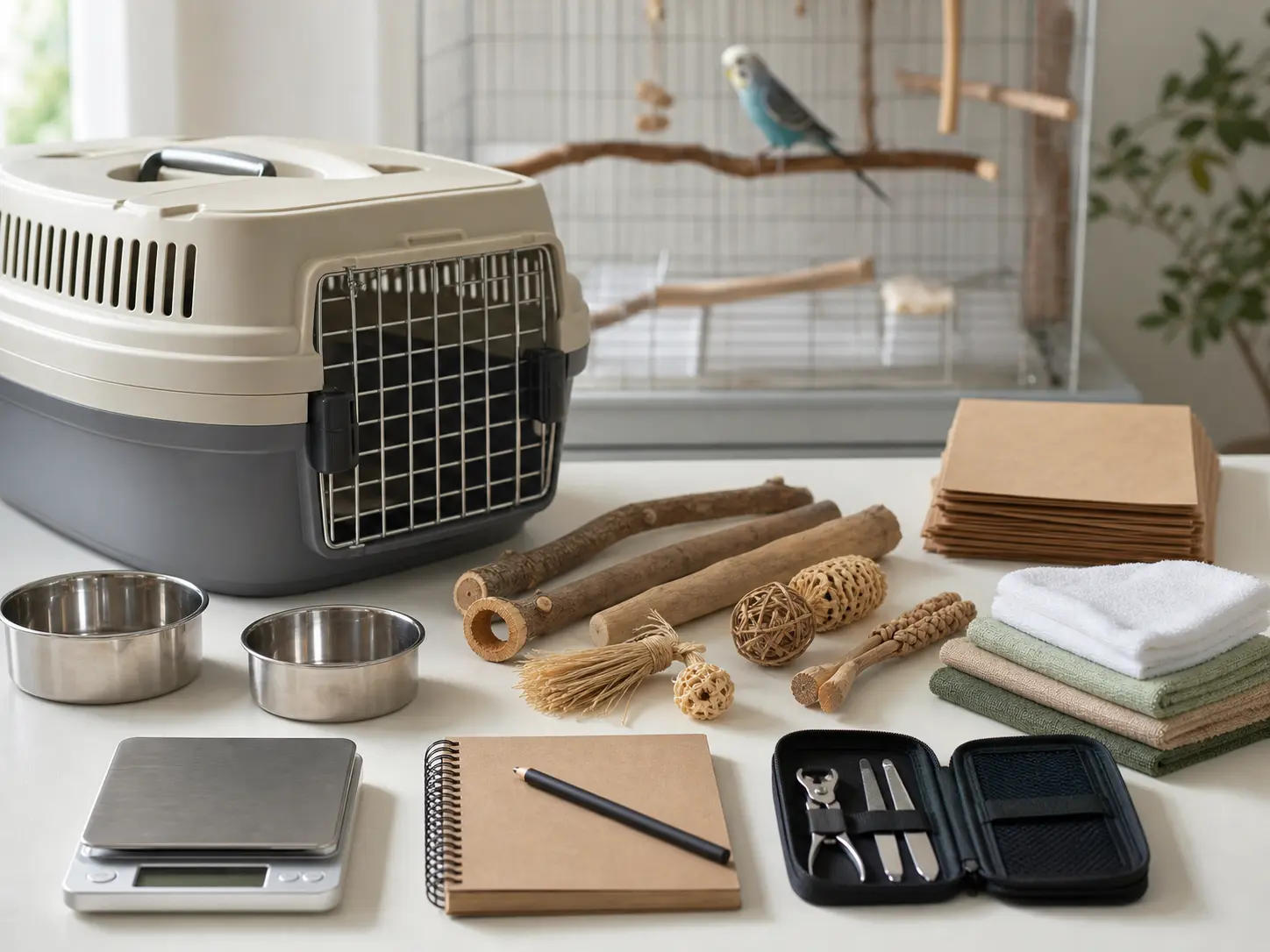
Budget for wide housing, washable flooring, bathing, food, and routine cleanup supplies.
First-time fit
Better for prepared homes that can support flight space, independent behavior, and species-specific care.
Great fit for
- Tambourine doves fit quiet aviary-style homes that can provide privacy and steady care.
- Because sound varies by species and individual, hear the exact bird before adoption and make sure its calls, activity, space, and care routine fit the home.
- Plan for wide flight space, safe placement, and a cleaning routine you can repeat on ordinary weeks.
Think twice if
- The room cannot fit wide flight space, safe placement, and daily cleanup without crowding the bird.
- Feeding would likely become loose seed refills instead of species-appropriate mix and clean daily water.
- The home cannot keep handling calm, secure, and low-pressure for tambourine doves.
01
A workable day with Tambourine Doves
Build the daily rhythm for tambourine doves around fresh food, clean water, bathing or movement space, and a quiet health check. Keep the social plan realistic: tambourine doves are gentle, social birds that need room, cleanliness, and safe companions. If that routine feels hard to repeat during a normal busy week, pause before adopting tambourine doves.
02
What people underestimate about Tambourine Doves
The surprise with tambourine doves is shyness. These are not handling pets.
03
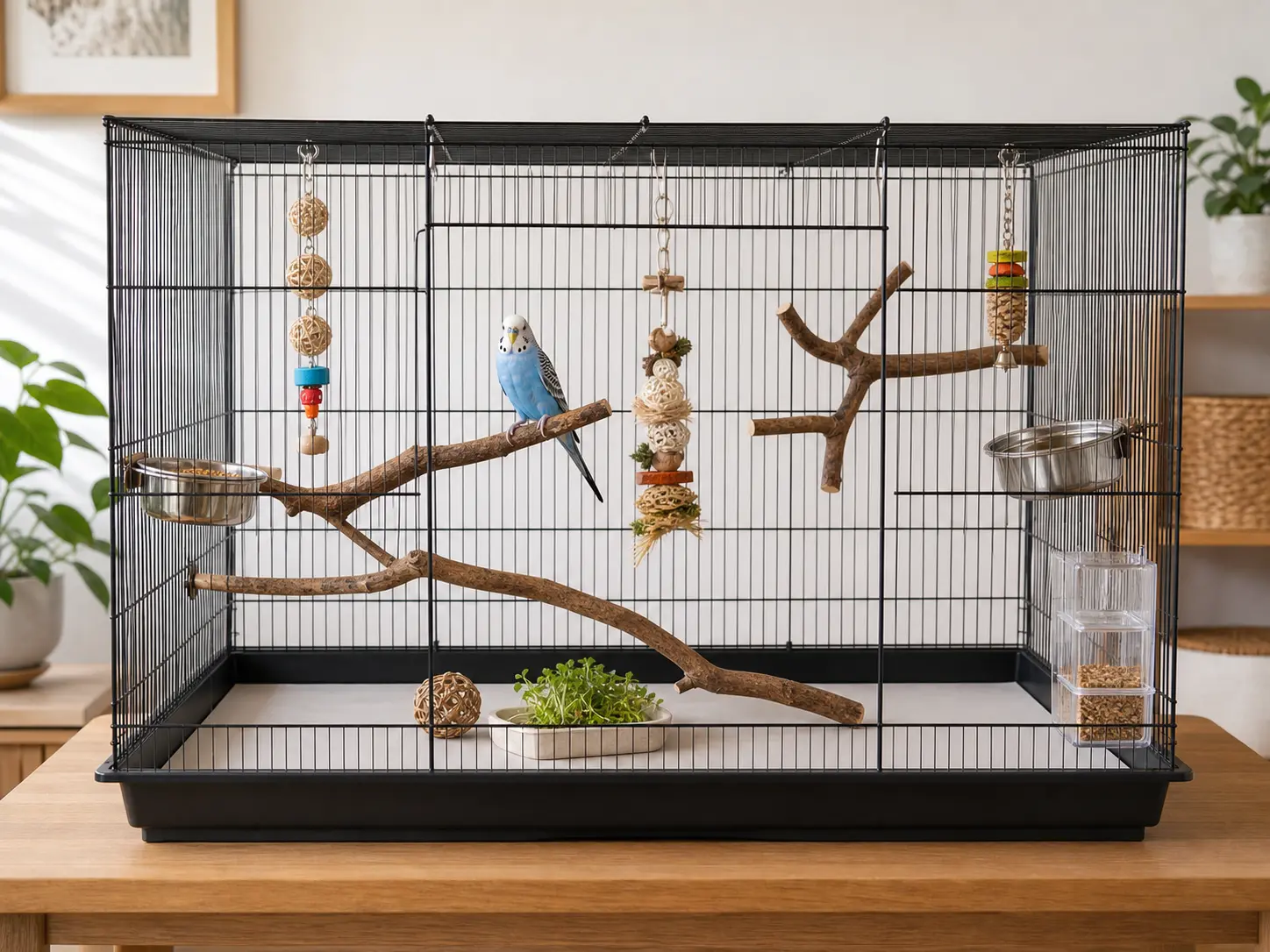
Housing that works for Tambourine Doves
Use roomy, calm housing with cover, broad perches, clean floor, bathing, and protection from stress.
04
Food routine for Tambourine Doves
Feed a species-appropriate dove diet with clean water and greens where accepted.
05
Living with the voice and sleep rhythm
Expect soft cooing and a need for quiet, secure nights.
06
Trust, company, and handling
Avoid unnecessary handling. Let the bird feel hidden and safe.
07
Cleaning without compromising the air
Clean floor, perches, dishes, and bath areas without chasing the bird around.
08
Hands, dishes, and shared spaces
Treat cleanup as normal household hygiene, not as a scare. Wash hands after handling liners, droppings, bowls, perches, toys, or cleaning tools. Do not clean cages, bowls, perches, or bird equipment in the kitchen sink or on food-prep surfaces; use a separate cleanup area and keep bird supplies away from human food.
09
Learn the normal Tambourine Doves baseline
Watch posture, weight, droppings, breathing, feet, and stress from exposure.
10
Questions to ask before bringing one home
Ask about source, age, sex, diet, acclimation, and whether the bird is comfortable in a similar setup.