Updated
Bird guides
Yorkshire Canaries Care Guide
Yorkshire Canaries are large type canaries known for posture and shape, but comfort matters more than show style.
Yorkshires fit canary homes that enjoy appearance and song while still providing room, clean care, and calm routines.
Noise level
Song is the point for many owners. Males can sing a lot when the light, season, and health are right.
Daily social time
Many canaries are best enjoyed by watching and listening, with calm daily care.
Handling style
Plan for observation-first or practical handling; do not choose this bird for cuddling.
Space needs
Needs room to fly, bathe, and rest in a calm spot away from chaos.
Diet complexity
Song, molt, and condition depend on steady food, greens, calcium, and clean water.
Mess level
Food scatter, bath splashes, and cage liners need steady upkeep.
Enrichment needs
Needs flight room, bathing, greens, and a calm seasonal routine more than handling games.
Setup cost
Usually moderate once the cage is right, with steady food, liners, baths, and health costs.
First-time fit
A strong beginner option for people who want song more than handling.
Great fit for
- Yorkshires fit canary homes that enjoy appearance and song while still providing room, clean care, and calm routines.
- Plan for song as part of the room, even when the sound is gentler than parrot calls.
- Plan for a flight cage, safe placement, and a cleaning routine you can repeat on ordinary weeks.
Think twice if
- The room cannot fit a flight cage, safe placement, and daily cleanup without crowding the bird.
- Feeding would likely become loose seed refills instead of canary mix plus greens and clean daily water.
- The household wants a bird to hold instead of an observation-first bird whose handling stays rare, calm, and practical.
01
A workable day with Yorkshire Canaries
Build the daily rhythm for yorkshire canaries around fresh food, clean water, bathing or movement space, and a quiet health check. Keep the social plan realistic: yorkshire canaries are often kept singly or with careful species-aware planning. If that routine feels hard to repeat during a normal busy week, pause before adopting yorkshire canaries.
02
What people underestimate about Yorkshire Canaries
The surprise with yorkshire canaries is size. A larger canary deserves a roomy, flight-friendly cage.
03
Housing that works for Yorkshire Canaries
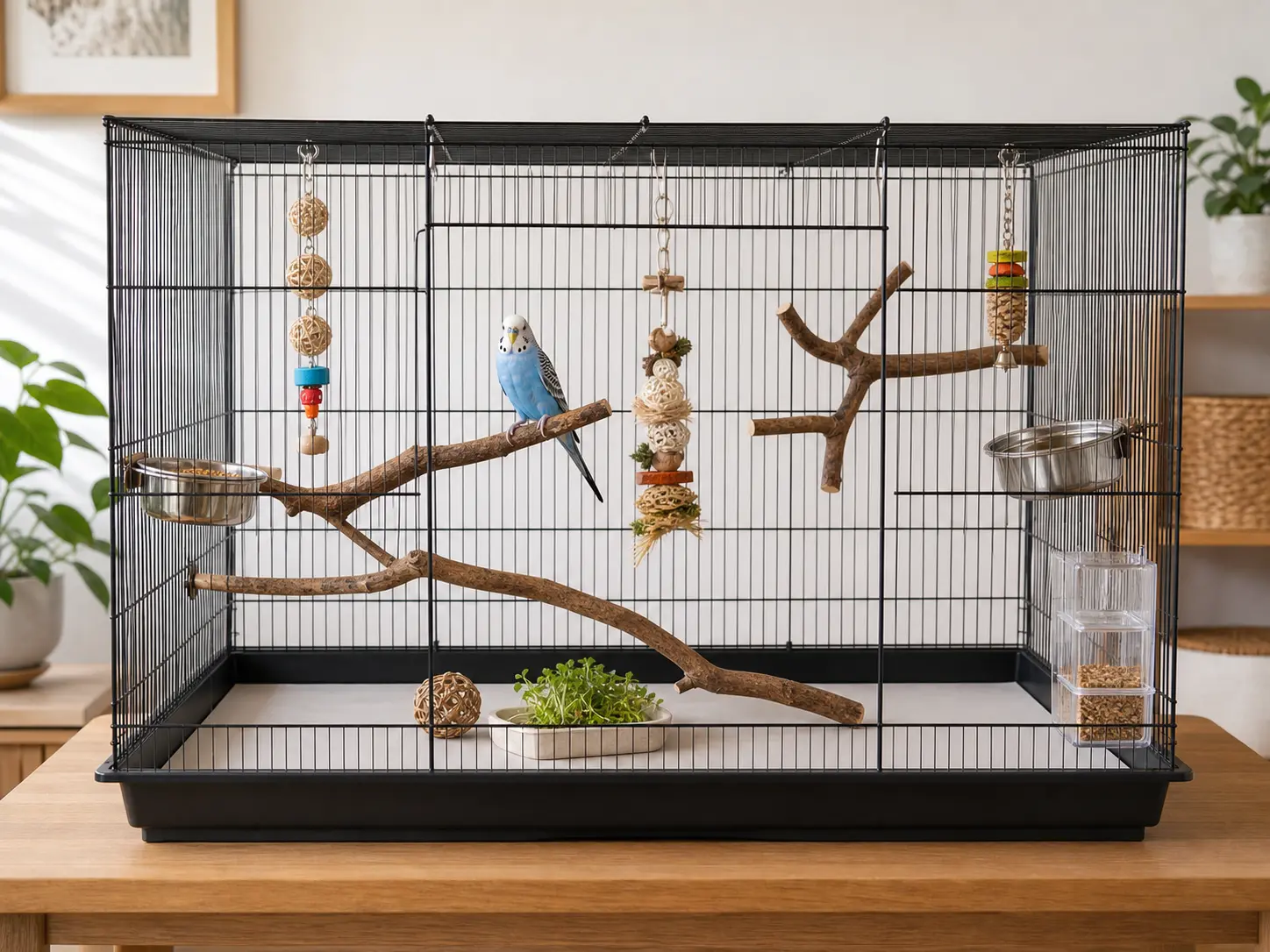
Use a wide cage, stable perches, bathing, and quiet placement with good light rhythm.
04
Food routine for Yorkshire Canaries
Feed a balanced canary diet with greens, vegetables, minerals, and clean water.
05
Living with the voice and sleep rhythm
Song varies with sex, age, season, and molt. Keep sleep predictable.
06
Trust, company, and handling
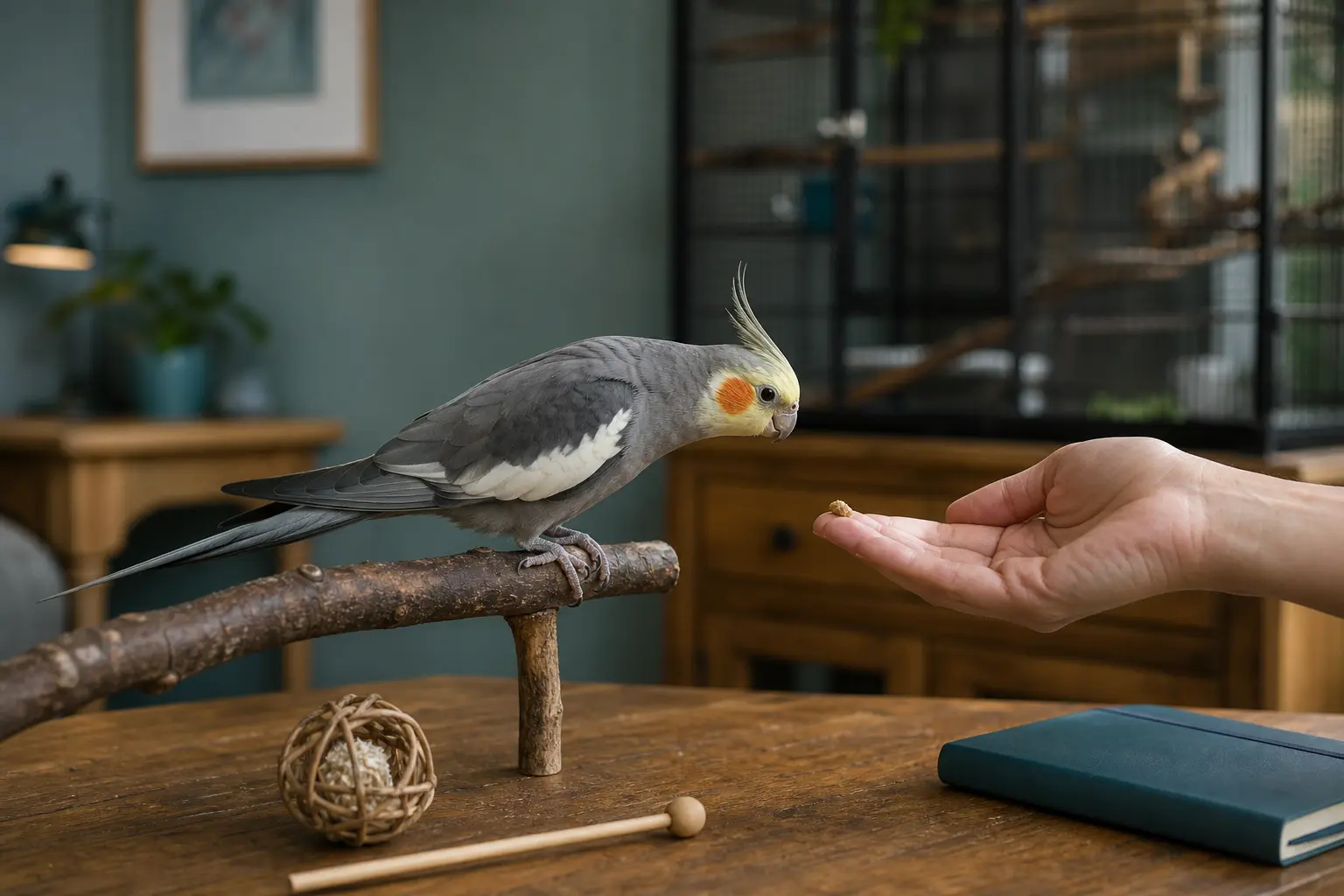
Treat them as observation birds and avoid unnecessary catching.
07
Cleaning without compromising the air
Clean seed hulls, baths, perches, and floor often.
08
Hands, dishes, and shared spaces
Treat cleanup as normal household hygiene, not as a scare. Wash hands after handling liners, droppings, bowls, perches, toys, or cleaning tools. Do not clean cages, bowls, perches, or bird equipment in the kitchen sink or on food-prep surfaces; use a separate cleanup area and keep bird supplies away from human food.
09
Learn the normal Yorkshire Canaries baseline
Watch posture, feet, weight, droppings, breathing, and feather condition.
10
Questions to ask before bringing one home
Ask about sex, age, song, body condition, molt, diet, and breeder practices.